Hepper is reader-supported. When you buy via links on our site, we may earn an affiliate commission at no cost to you. Learn more.
Do Turtles Sleep? Vet-Reviewed Physiology Facts & FAQ


In this article
Turtles are amazing pets to have in the home. Not only do children love spending time interacting with and learning about these cool creatures, but they can also be extremely comical with all their quirks. One of the biggest questions people have concerning these creatures is do turtles sleep? The answer to that question is yes, turtles do sleep. However, the sleep cycle of turtles is different from that of some animals and very different from that of humans. Let’s take a look at turtles and how, when, and why they sleep so you can fully understand these incredible creatures.

Do Turtles Sleep?
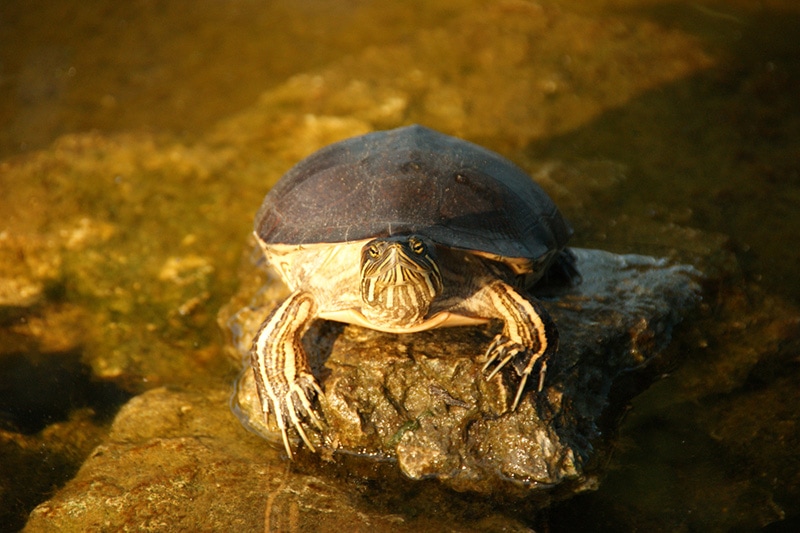
One thing we must remember when discussing turtles and their sleep habits is that not all turtles are the same. There are more than 300 different species of turtles in the world with several different sleep patterns involved. There are land turtles, also called tortoises, and of course, aquatic turtles. No matter the turtle type, however, each one needs sleep. The thing to remember when it comes to sleep for turtles is that most of the time, their sleep is more of a resting period. During this period of rest, a turtle's metabolism slows. Like most species, if a turtle doesn’t get enough sleep or rest, it can lead to problems.
How Do Turtles Sleep?
You’ll find that most pet turtles prefer to sleep utilizing short naps throughout their day. Of course, this isn’t always the case. Some turtles may sleep for hours at a time. Certain species of turtles enjoy grabbing these hours of sleep during the day. Others prefer sleeping at night. Let’s take a look at the difference in how land, semi-aquatic, and aquatic turtles sleep.
Land Turtles (Tortoises)
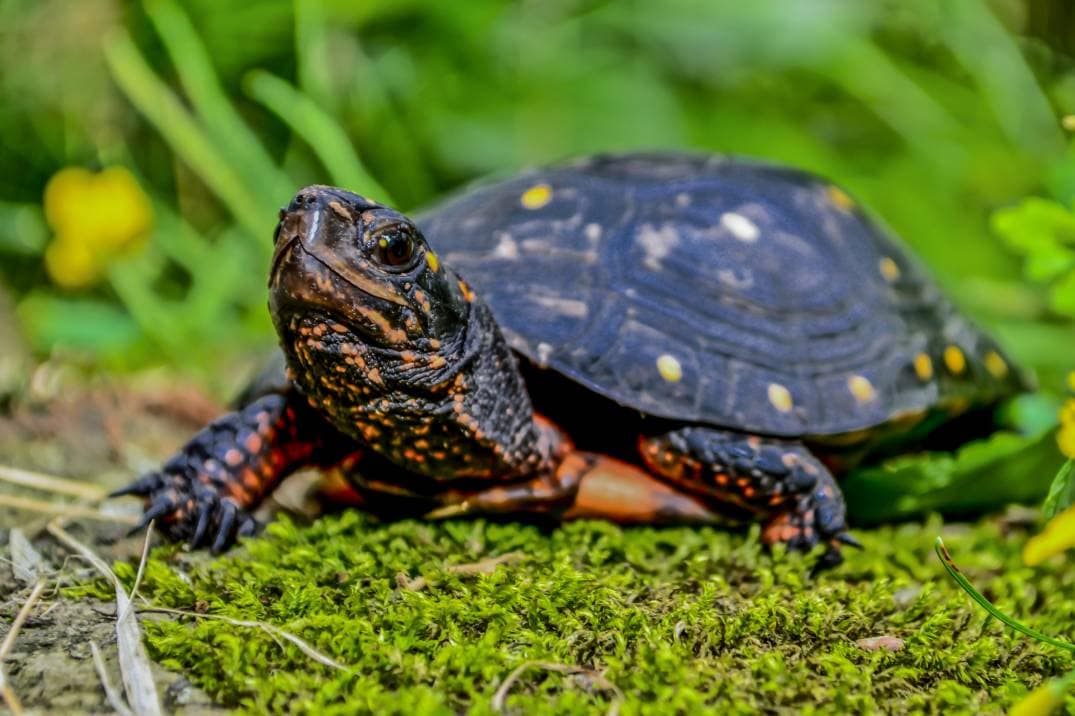
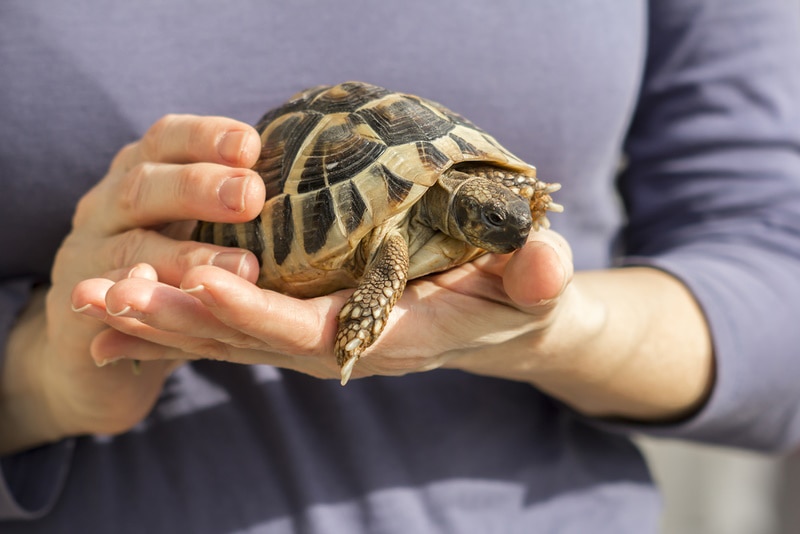
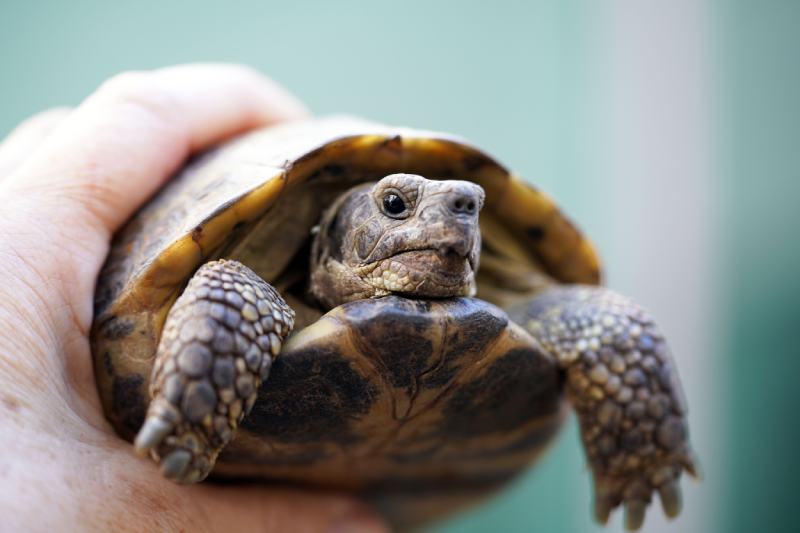
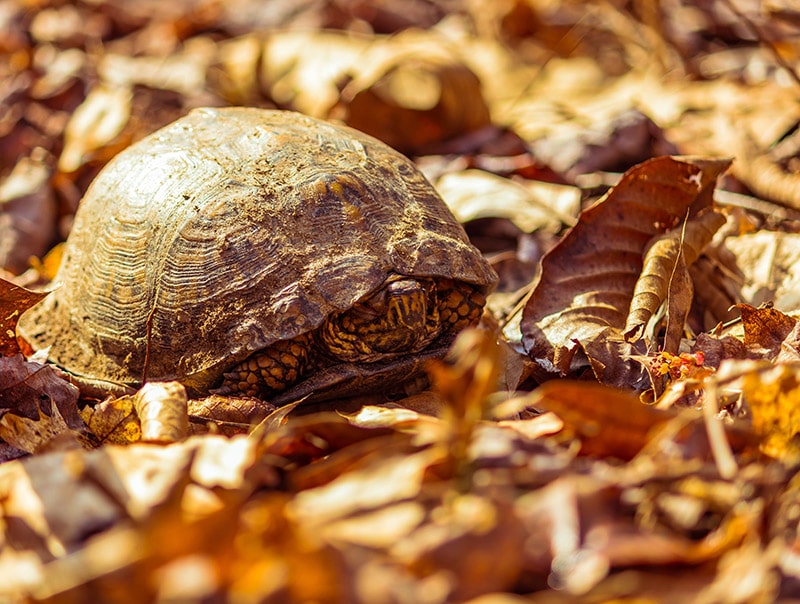
Turtles that live on land, also known as tortoises, are known for simply finding a place they feel is safe before they take their naps. This usually leads them to search for a safe hiding place so they can be better protected. While a turtle’s shell is great at offering protection, it does have its limits. This is why most land turtles will hide under a bit of mud, leaves, or other means of protection before they allow their bodies to rest. Once they feel safe, most land turtles will retreat into their shell and enjoy the rest. Even though they are safe in their enclosures, you’ll even find that pet turtles prefer to hide before they go to sleep. It’s a natural instinct for them. In some cases, however, you’ll find pet turtles become accustomed to their environment and will allow themselves to rest without retreating into a hiding spot.
The largest land turtle in the world is the Galapagos tortoise. If you’ve seen these turtles, then you have an idea of just how big they can become. In their natural habitat, these turtles can grow quite large. On the Galapagos Islands, there aren’t any creatures these turtles fear. Thanks to this, a Galapagos tortoise doesn’t feel the need to seek out a hiding spot before resting. Instead, they simply chill, and in many instances, don’t bother retreating into their shell.
Semi-Aquatic Turtles (Terrapins)
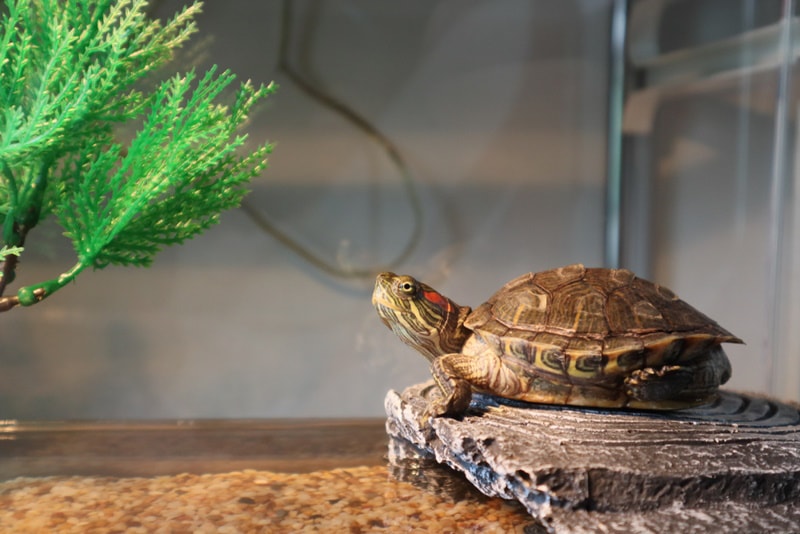
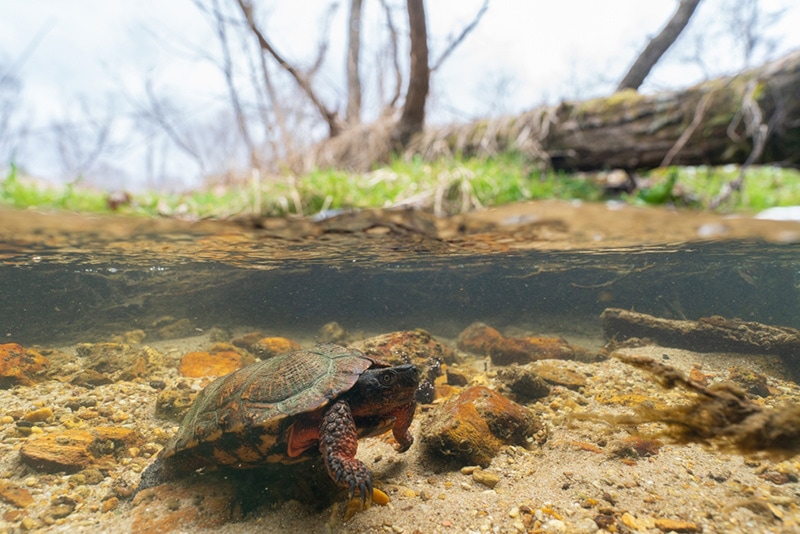
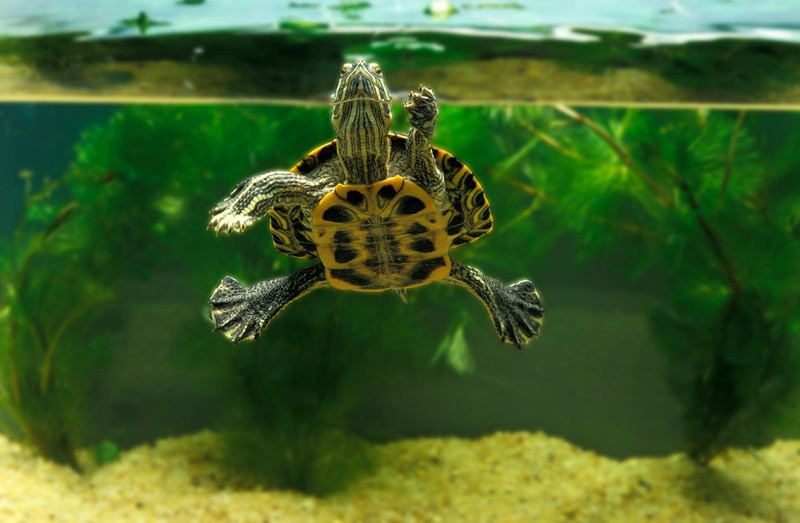
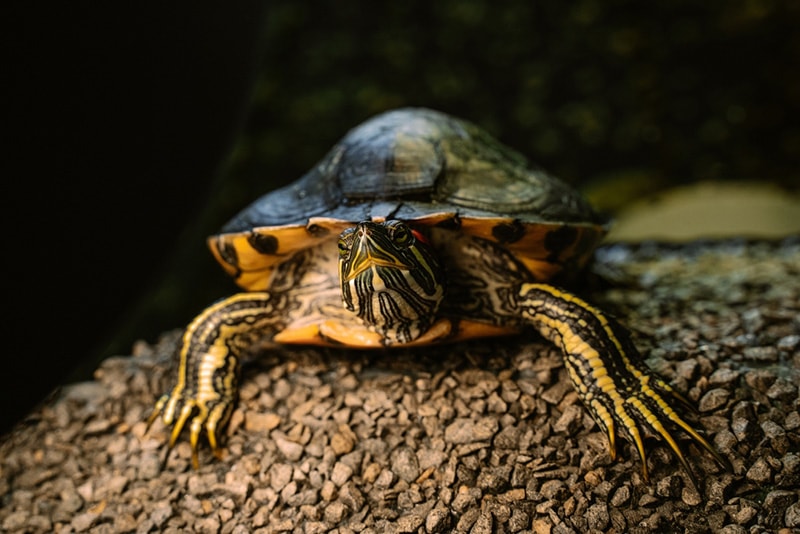
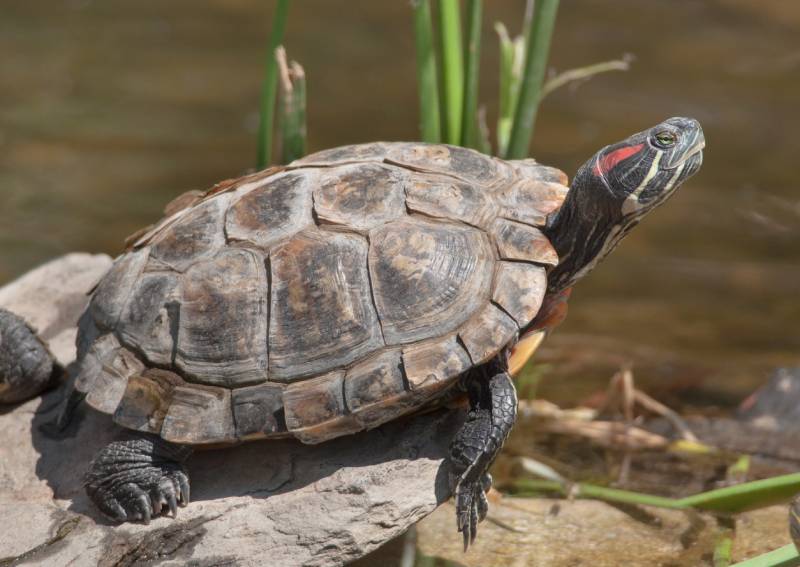
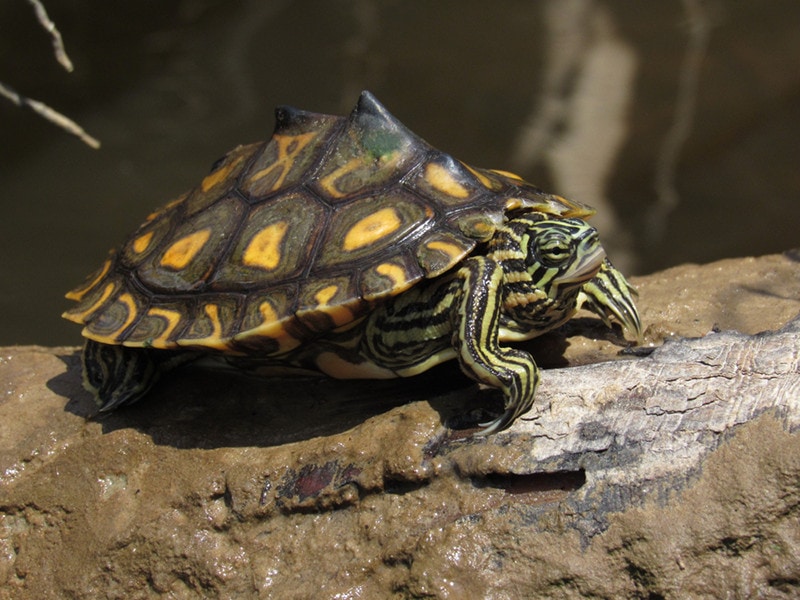
Semi-aquatic turtles, also known as terrapins, make up more than half of all the known turtle species in the world. These types of turtles spend a lot of time in the water, or around water areas. However, a semi-aquatic turtle still needs to emerge from the water to breathe. Semi-aquatic turtles can spend anywhere from 10-90 minutes underwater when they are awake. Things change quite a bit when it comes to sleeping. When a semi-aquatic turtle sleeps underwater, they can stay submerged for up to 4-8 hours. How is this possible? As crazy as it sounds, some of these turtles can breathe through their rumps.
All turtles possess a common passageway for urine, feces, eggs, and sperm known as a cloaca. Its opening is found under the base of its tail.
Some semi-aquatic turtles have the ability to hold air in their cloaca before they submerge. Their bodies have the ability to absorb oxygen from this stored air, allowing them to stay submerged for several hours without much concern. They do, however, eventually surface to breathe again. During periods of rest, this form of breathing allows them to prolong the time they spend underwater.
Aquatic Turtles
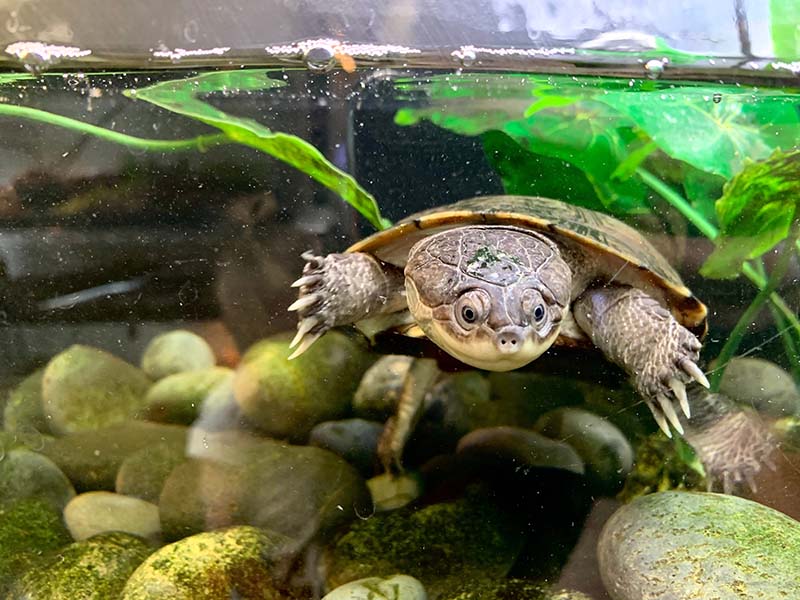
Aquatic turtles, or sea turtles, work a bit differently. There are currently seven species of sea turtle we’re aware of in the waters. These turtles prefer to be in the water. This doesn’t mean they don’t need to breathe air. Like semi-aquatic turtles, sea turtles need to come up for air every so often. When it comes to sleep, they enjoy hiding away on the bottom of the sea where they can stay safe from predators. Like semi-aquatic turtles, these creatures use their cloaca to help them breathe when at rest and can stay submerged for long periods when sleeping.
When Do Turtles Sleep?
As we’ve already mentioned, not all turtles prefer to sleep at the same time. However, most of them are considered diurnal. This means they are active during daylight hours and sleep at night. If you have a pet turtle, it needs you to ensure the environment is suitable when it’s time to rest. Making sure the lights are off, the temperature is correct, and your turtle has a proper place to tuck away is key. If the temperature isn’t warm enough for turtles in the wild, they hibernate to regulate their body temperatures. This isn’t usually the case for pet turtles. If it gets too cold, however, pet turtles may sleep for longer periods and may even become sick.
Sleeping Versus Brumation
Many reptiles, including several species of turtles and tortoises, undergo a hibernation-like state known as brumation. The key difference between hibernation and brumation is that hibernation is an adaptation done by mammals and usually involves fattening up prior to commencing the period of hibernation. On the other hand, brumation is done by reptiles and does not involve fattening up. Instead, brumation involves the animal lowering their metabolism to a point where energy expenditure is at a minimum, and the animal enters a near-hibernation state.
Turtles or tortoises kept outdoors might undergo brumation as seasons change and winter approaches. It is best to seek veterinary advice prior to the seasons changing, as some individuals are better off not undergoing brumation (particularly juveniles). Individuals who undergo brumation usually end their dormancy once spring approaches.

Final Thoughts
As you can see, sleep for turtles is quite different from other species on the planet. If you’re the parent of a pet turtle, it’s important to understand the sleep pattern of the species in your care. Whether they prefer hiding in the dirt or need a bit of water to feel safe, you should ensure their needs are met so they can get proper rest and stay healthy.
Related Read: Can Turtles Hear Sound? Senses, Facts, & FAQ
Featured Image Credit: Sophia Müller, Unsplash
Get Hepper In Your Inbox


Pet care tips from our vets and experts, straight to your inbox.
You may opt-out at any time. View our Privacy Policy for more information.
Melissa was born and raised in the mountains of East Tennessee where she spent her time writing in an old notebook and playing outside with her pets. As an avid animal lover, she has brought many into her home over the years. Currently, she is the mom of 5 fur babies. Her 2 cats, Princess and Pepper are total opposites who demand attention. Her dogs Jazzy, Whitey, and Demon are full of spunk and keep the entire family on their toes.
Beyond life as an animal mom, Melissa is a dedicated wife and mother to 2 children. Writing in her old notebook led her down the path of becoming not only a freelance writer but a published Indie author under the pen name, Rena Marin.
Join the conversation
Ask a question, share your story, or send private feedback.