Hepper is reader-supported. When you buy via links on our site, we may earn an affiliate commission at no cost to you. Learn more.
Is Bee Pollen Good For Dogs? Vet Reviewed Benefits, Risks & FAQ


In this article
Bees seem to be getting a lot of credit that they deserve these days. Everything from honey to pollen has certain nutritional and health perks for people and pets alike. When it comes to bee pollen specifically, can dogs eat this substance? And what exactly is bee pollen anyway? We have all these answers and more. Let's learn something new.

Consult Your Vet
Before adding anything supplemental to your dog's diet, it's always best to check with your veterinarian just to be on the safe side. Every dog is different, and some of them have certain health conditions or other factors that make them potentially not the best candidates for certain supplements.
What Is Bee Pollen?
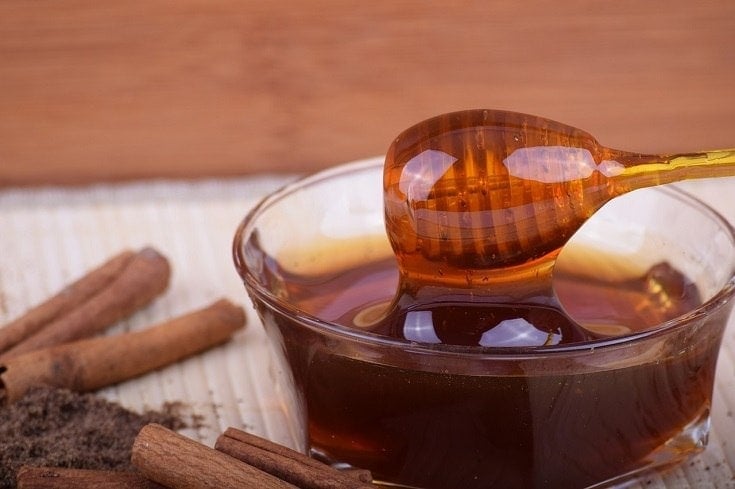
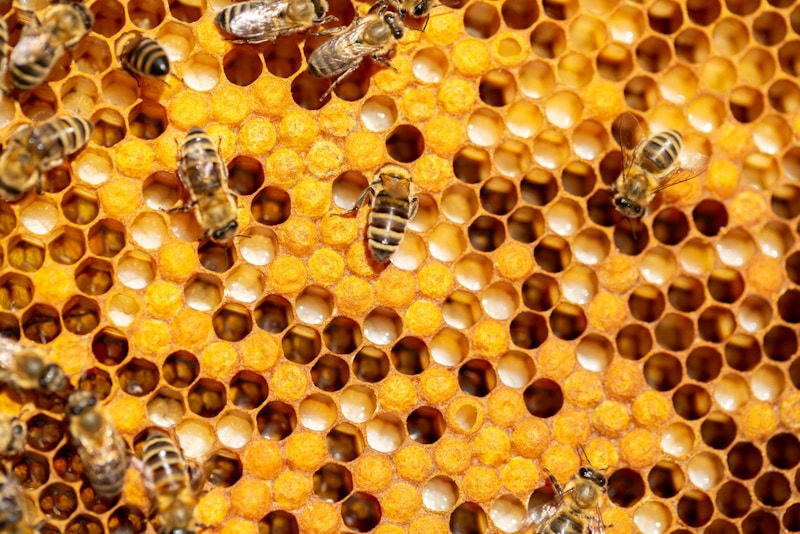
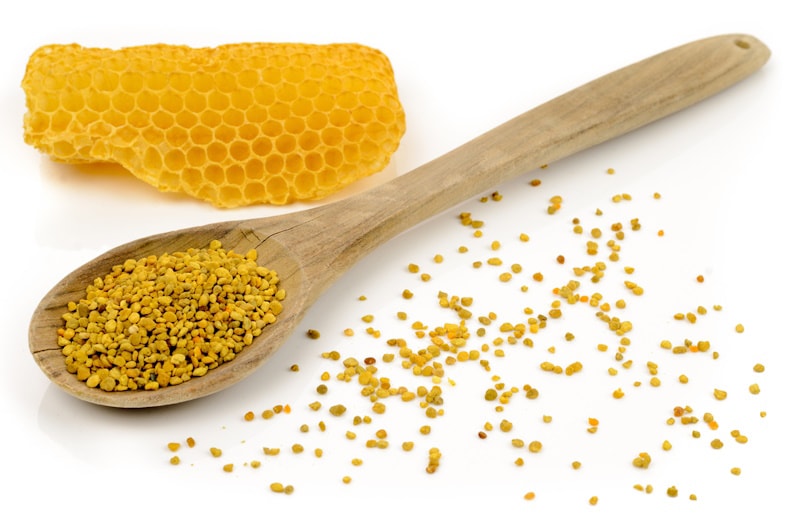
Bee pollen goes by a few names, including bee bread and ambrosia. Commercially, it is field-gathered flower pollen that worker honeybees diligently work to gather up. This bee pollen is used as a main food source in the hive, making it highly beneficial to bees themselves.
But folks have gathered and bottled it in powder, pellet, or capsule form, reaping the benefits of the bees’ hard work. For people, bee pollen has been marketed to lower cholesterol, promote artery elasticity, improve metabolism, and provide adequate hormone levels.
But does it carry the same health benefits for your dog?

Benefits of Bee Pollen for Dogs
Bee pollen also has many potential health benefits for dogs. Some have been studied in research contexts, but there are very few clinical studies which provide specific evidence for preventing or treating canine health conditions.
Let’s have a look at some of the ways that bee pollen may support your dog’s health.
Nutritional Benefits
Bee pollen contains an average of 22.7% protein including essential amino acids, as well as sucrose and fructose. It also contains fat soluble vitamins including provitamin A, E and D and water soluble B vitamins and vitamin C. It is also a source of essential fatty acids, including linoleic acid.
Anti-allergenic
Some studies on mice have shown that pollen can protect mast cells from de-granulating and releasing histamine which may then reduce allergic reactions.
Aids in Digestion
Studies on chickens have shown that pee pollen may have an effect on the development and function of the small intestine. Bee pollen is thought to optimize digestion in dogs as well and assist in the absorption of nutrients, contributing to overall health.
Improves Immunity
Many studies have shown an immunoprotective effect of bee pollen. Bee pollen is packed full of antioxidants, which help eliminate the body's free radicals linked to disease. It also stimulates the immune cells to provide a healthy response to illness. Antioxidants may also support cognitive function in aging animals.
Contains Antimicrobial, Antifungal, and Antiviral Properties
Bee pollen has been known to exhibit antimicrobial, antifungal, antiviral, anti-inflammatory, immune-stimulating, and local analgesic actions.
Helps Support the Liver
If your dog has a compromised liver, bee pollen may be beneficial but should only ever be given under the direction of your vet.
Cardio-protective
Various studies have demonstrated that bee pollen can have a protective effect on the heart as well as helping prevent atherosclerosis.
Risks of Bee Pollen for Dogs
While the risks of bee pollen for your dog are very few, it’s definitely worth mentioning one in particular. Take note that this won't affect all dogs, but it can certainly impact some.
May Trigger Pollen Allergies
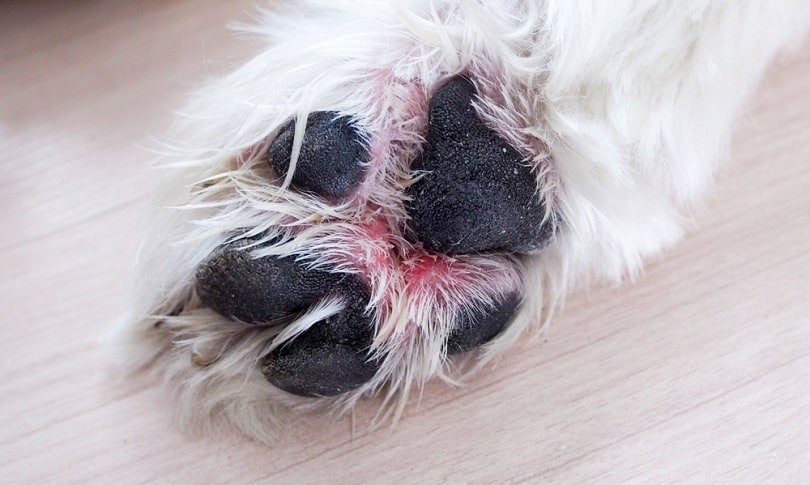
Just like us, our dogs can have allergic reactions to things in their environment. It is important to be aware that bee pollen can trigger allergies in sensitive dogs- especially those that are allergic to weed/wildflower pollen. If you give bee pollen to your dog and notice any kickback, the following signs might be present:
- Compulsive licking
- Excess shedding
- Inflamed skin
- Chronic ear infections
- Licking anal glands
- Scratching/biting skin
If you notice any of these effects after introducing bee pollen to your dog, you should discontinue use and speak with your veterinarian.
Coincidentally, bee pollen also contains quercetin, which is a natural antihistamine. Therefore, it can also protect your dog from allergic reactions.
How Much Bee Pollen Should You Give Your Dog?
There are currently no specific dietary guidelines regarding the amount of bee pollen to include in your dog’s diet. It is usually given daily with food.
Follow the manufacturer’s guidelines and your vet’s advice. If this is the first time you are giving bee pollen to your dog, then it’s always best to start with a very small amount to make sure your dog does not have an allergic reaction. You can find bee pollen at certain pet food stores or abundantly online.
What Form Does Bee Pollen Come In?
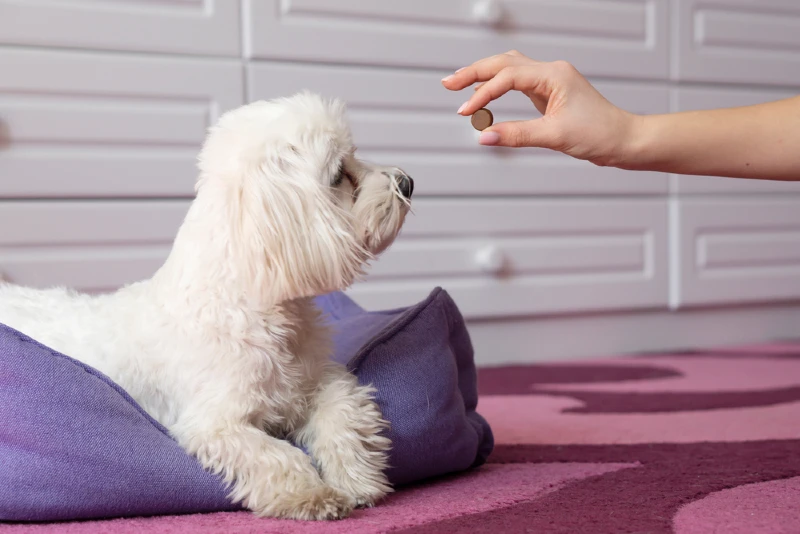
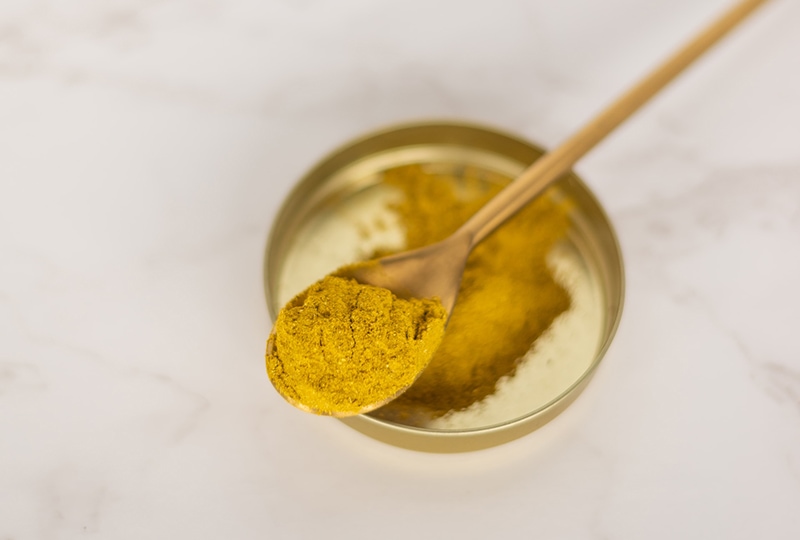
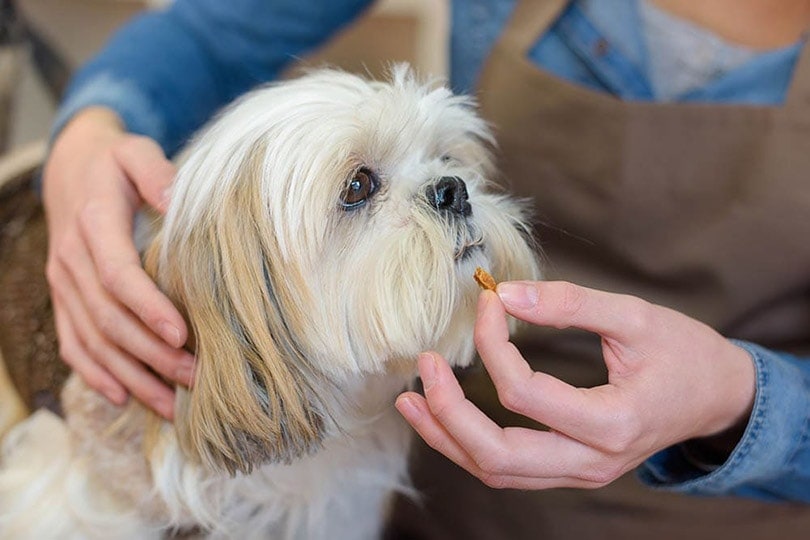
Bee pollen generally comes in powder form. You can add it to your pup's daily diet. Many simply put it on top of dry kibble—but it might be more appetizing to mix it with wet canned or fresh food.
Final Thoughts
As you can see, this supplement has many potential health benefits, although more studies are needed to fully understand them. Suppose you're curious about giving these benefits to your dog. In that case, we highly recommend you check with your veterinarian first to make sure they are a good candidate for this particular supplement.
If you get the green light, you can find a lot of options both in-store and online, but we certainly recommend buying organic—and don't forget, people can benefit from bee pollen just as much!
Sources
Featured Image Credit: Vera Larina, Shutterstock
Get Hepper In Your Inbox


Pet care tips from our vets and experts, straight to your inbox.
You may opt-out at any time. View our Privacy Policy for more information.
Ashley Bates, a freelance writer with a passion for pets, is currently studying animal therapy. She is a mother to four children and 23 pets, both furry and feathery. Ashley actively volunteers at local shelters, advocates for animal welfare, and rescues animals in distress. Her mission is to promote awareness, education, and entertainment about pets to help prevent animal homelessness. She specializes in the care and well-being of dogs and cats.
Join the conversation
Ask a question, share your story, or send private feedback.