Hepper is reader-supported. When you buy via links on our site, we may earn an affiliate commission at no cost to you. Learn more.
Can Dogs Be Allergic to Cats? Facts & Health Tips (Vet Answer)


In this article
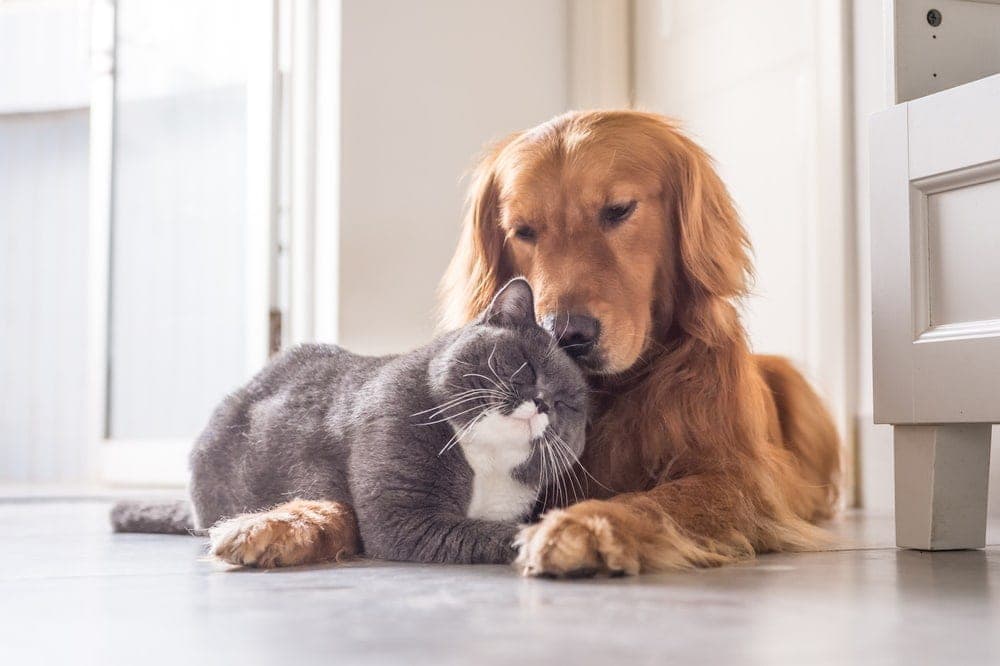
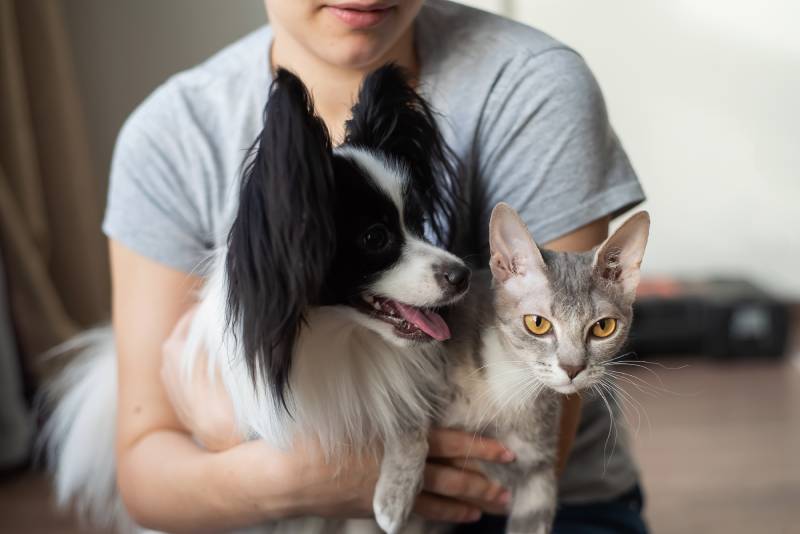
If your dog is showing signs of itchiness, sneezing, or coughing, they may be experiencing allergies to something within their environment. Some dogs may have allergies to mold, grass, or maybe even parasites. But what about other animals? Is it possible that your dog could be allergic to your beloved cat?
The answer is yes, dogs can experience allergies to cats just like their human counterparts. Continue reading below to learn more about cat-induced allergies in dogs.

What Is An Allergen?
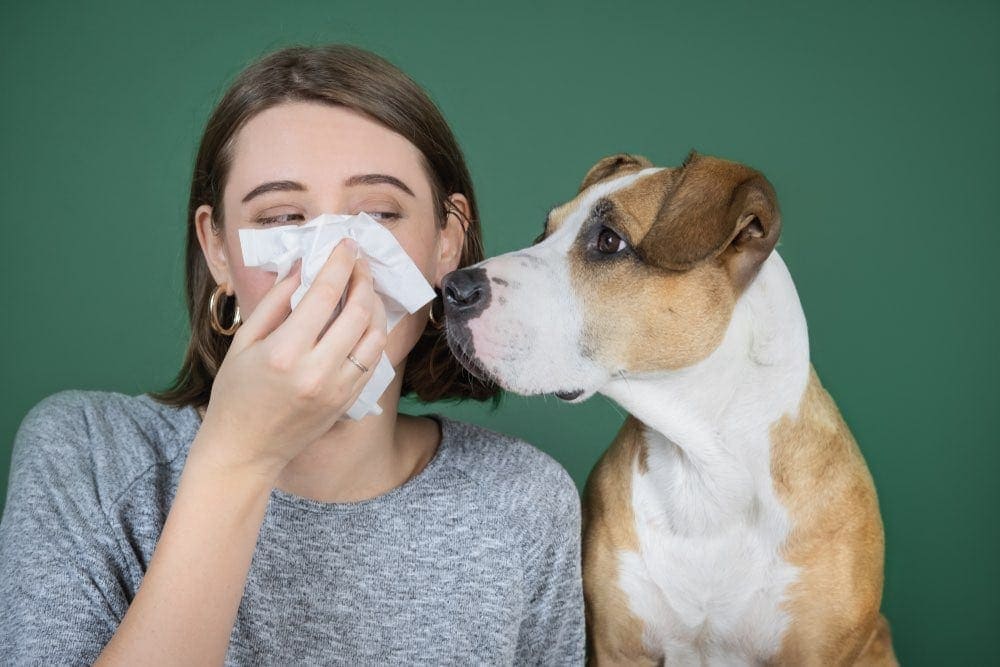
An allergen is a substance that causes an immune reaction within the body. Clinical signs of allergies depend on the type of allergen and the severity. Signs of allergies can include itchy skin, diarrhea, sneezing, coughing, conjunctivitis, and several other symptoms. Dogs suffering from cat allergies typically experience itchiness when the allergens penetrate damaged skin.

Testing for Allergies
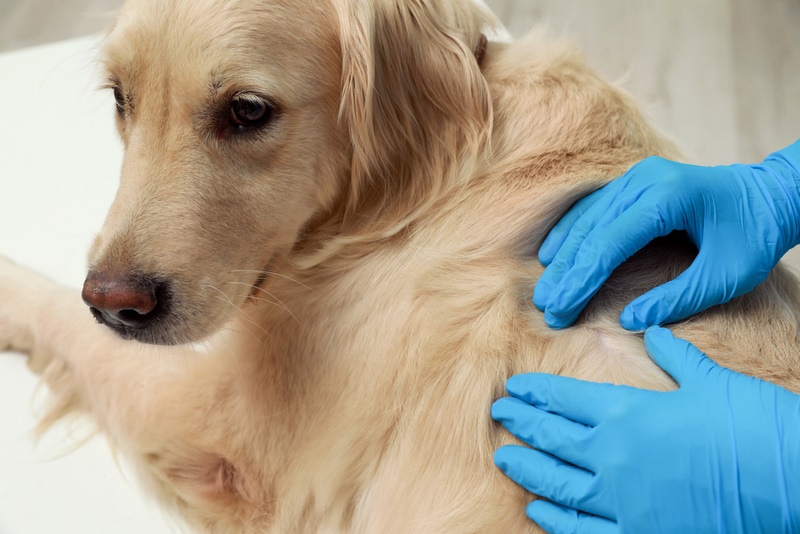
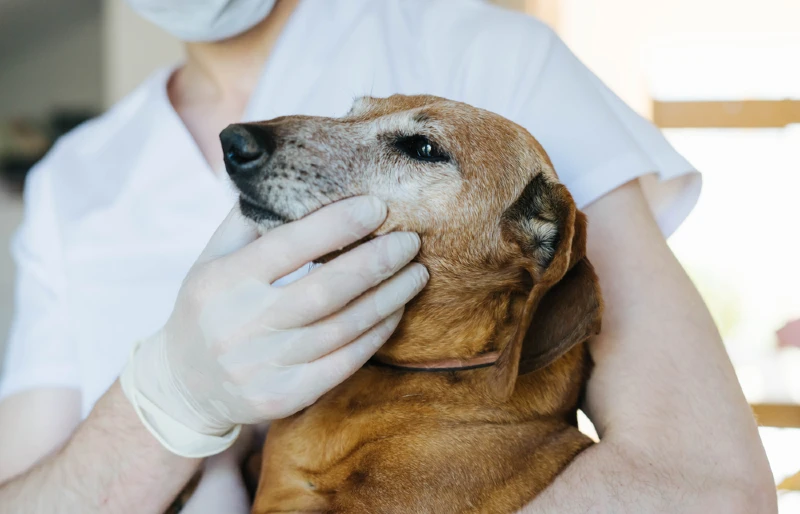
Fortunately, there are ways to determine what allergens your dog is sensitive to. This is most often done through blood tests or dermal skin testing. With dermal skin testing, specific allergens are injected into the skin of a sedated dog. The skin is evaluated for signs of reaction, which may include swelling and redness.
Alternatively, when blood testing is done, a sample of your dog’s blood is submitted to a laboratory. Once at the lab, different allergens are introduced to the blood, and antibody levels (IgE) are obtained. If antibodies are high, or if the skin shows signs of inflammation, it is assumed that the associated allergen is problematic.
How to Treat Allergies
Unfortunately, allergies cannot be cured, but they can be managed. Patients often experience relief of allergy signs using immunotherapy, antihistamines, steroids, and immunomodulators. Your veterinarian will be able to provide recommendations and guidance on the different treatment options available.
In the case of allergies against cats, immunotherapy may be beneficial. Dogs that are allergic to cats are likely sensitive to other allergens as well. Once problem allergens have been identified through blood or dermal testing, a serum formulation is created containing problematic allergens. The serum is then administered to the patient according to a particular schedule.
The goal of this type of therapy is to desensitize the patient’s body to the problematic allergen to reduce the dramatic allergic reaction induced by their immune system.
How Can I Keep My Pet Healthy?
If it has been determined that your dog does have allergies to cats, a few things can be done within the household to reduce the allergen burden.
Suggestions include:
Cat allergies are common in humans and typically occur secondary to a particular allergen called Fel d1, which is found in the saliva of cats. The allergen is then passed to the fur by grooming, and then the dander and allergen are distributed within the environment.
There is a diet designed to minimize the problematic cat allergen developed by Purina Pro Plan called LiveClear. The diet is fed to the cat and, on average, it reduces the Fel d1 allergen by 47%. It is unknown at this time if this diet would benefit dogs who struggle with cat allergies, but it may be reasonable to try.
Conclusion
Allergies in pets manifest in dogs similarly as they do in people. It can be difficult to see your pet struggle with allergies, especially if your dog is allergic to your beloved cat. Although allergies cannot be cured, several different modalities can be utilized to lessen irritation in your dog.
Contact your veterinarian if you feel that your dog is suffering from allergies, as they will be able to diagnose your pet and provide you with treatment options.
See Also:
Sources
Featured Image Credit: Pixabay
Get Hepper In Your Inbox


Pet care tips from our vets and experts, straight to your inbox.
You may opt-out at any time. View our Privacy Policy for more information.
Meet Dr. Marti Dudley, a dedicated small animal veterinarian who possesses a strong passion for preventive medicine and client education. She takes pride in serving as a valuable resource for pet owners, firmly believing that a collaborative approach results in the optimal care for our beloved animal companions. In addition to her clinical work, Dr. Dudley has a fondness for writing, using this skill as an innovative means to educate pet owners beyond the confines of the traditional veterinary office setting.
Meet Dr. Marti Dudley, a dedicated small animal veterinarian who possesses a strong passion for preventive medicine and client education. She takes pride in serving as a valuable resource for pet owners, firmly believing that a collaborative approach results in the optimal care for our beloved animal companions. In addition to her clinical work, Dr. Dudley has a fondness for writing, using this skill as an innovative means to educate pet owners beyond the confines of the traditional veterinary office setting.
Professional Background:
Dr. Dudley has been actively practicing veterinary medicine since 2014, accumulating a wealth of experience. Her special interest lies in preventive care, and she places significant emphasis on the importance of educating clients about the well-being of their pets. Dr. Dudley's professional journey in veterinary medicine has been diverse, having worked as a general practitioner, affording her the opportunity to encounter and address a wide array of medical conditions in animals.
Educational Achievements:
Dr. Dudley's academic background includes a bachelor's degree in biology earned from Longwood University in Virginia. She further pursued her passion by obtaining a Doctor of Veterinary Medicine (DVM) degree from Ross University.
Join the conversation
Ask a question, share your story, or send private feedback.