Hepper is reader-supported. When you buy via links on our site, we may earn an affiliate commission at no cost to you. Learn more.
Can You Hold An Axolotl? Risks & FAQ
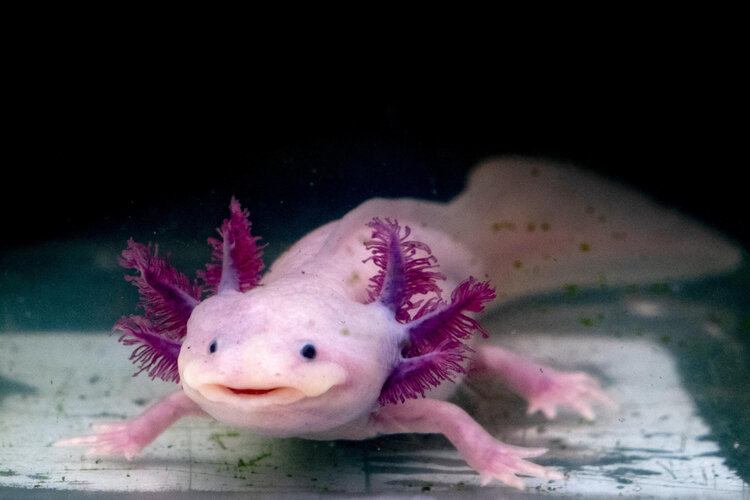
The axolotl, also known as the Mexican walking fish, is one of the coolest aquarium animals to have, like a mix between a fish and a salamander. Seeing as they have legs and lungs alike, you might be tempted to pick them up and let them wander around outside of the tank.
So, can you hold an axolotl? Generally speaking, you can hold an axolotl for a short period, but not for too long, and it should really only be done when necessary.
Let’s take a closer look at holding axolotls, how they fare out of the water, and what happens when they aren’t in the water either. This is an important topic to be familiar with if you plan on providing the best life for your axolotl.

Can You Hold An Axolotl Out of Water?
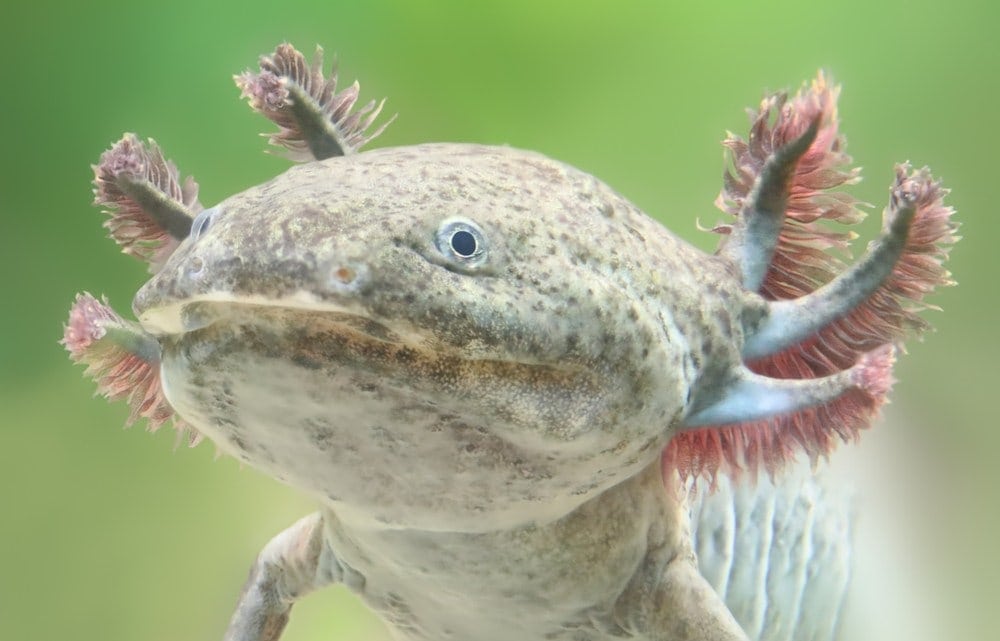
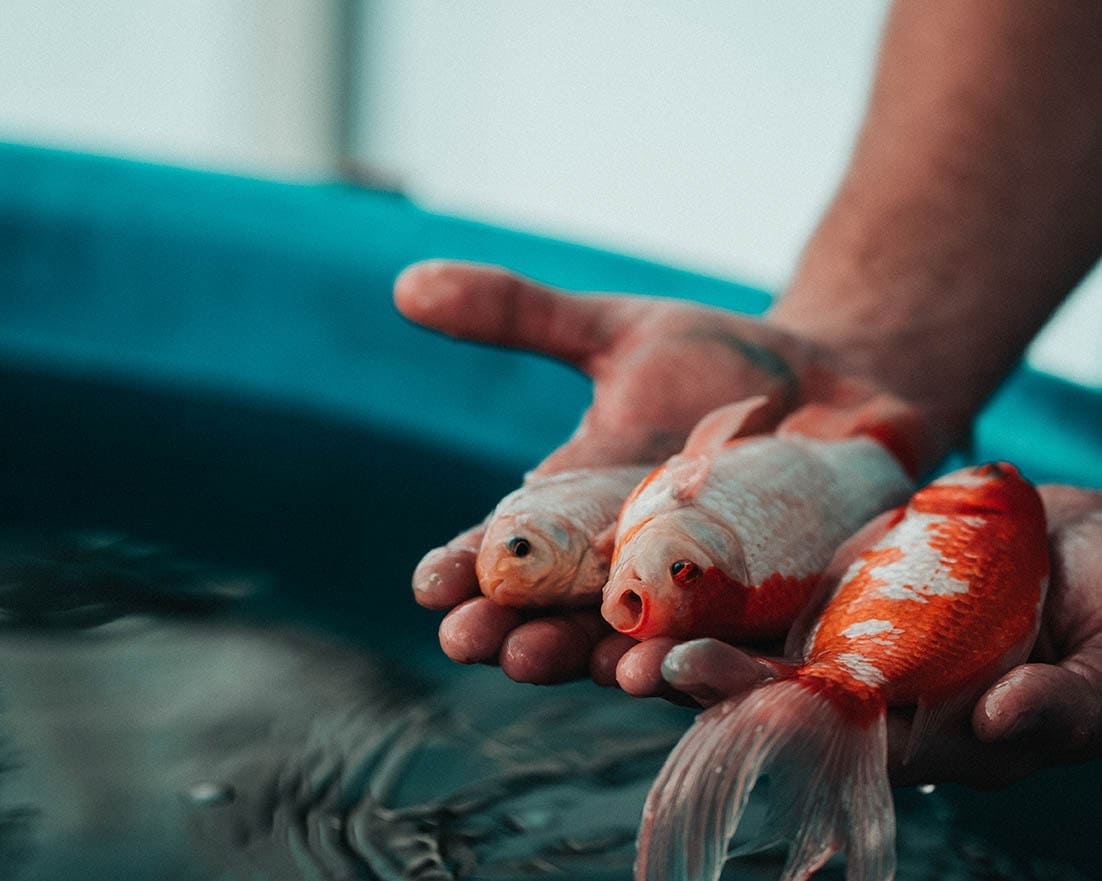
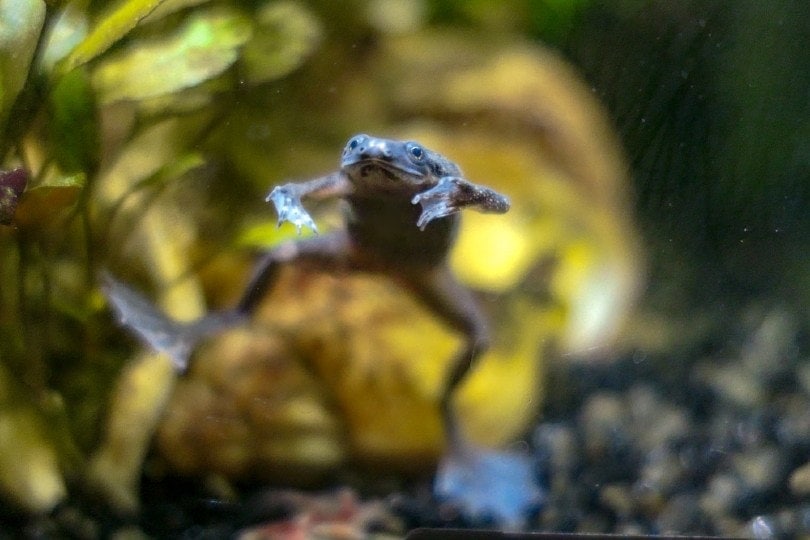
Axolotls are not quite as sensitive to being held out of the water as, say, a fish or an African dwarf frog, but this does not mean that they should be held out of water for an extended period.
Yes, it is fine to pick them up if you need to transfer them to another tank to clean their main tank and for other such purposes. However, under no circumstances should an axolotl be held out of the water for an extended period. It’s just not a good idea, and this is true for a variety of reasons we will cover later on.
How Long Can They Stay Out of Water?
Ok, so axolotls do have both gills and lungs, so they can technically breathe out of the water, but not as well as they can under the water. Moreover, the reason why axolotls cannot stay on dry land for very long is not only due to breathing troubles but also due to dehydration, as well as issues with their limbs. Axolotls can stay out of the water for a couple of hours, as long as they stay moist and hydrated, but as soon as they start to dry out, you have a problem.
If they are kept on very dry land without being kept moist, they will quickly dehydrate within 1 hour or less, and the mucus coat on their bodies will also be affected negatively.
Further below in this article, we will take a closer look at exactly what happens if an axolotl is kept out of the water for too long.
Do Axolotls Like Being Handled?
No, not in the least. Axolotls do not like being handled at all. These are fairly skittish and fearful creatures that do not like to be picked up. So, once again, only try to pick your axolotl up if you need to do so, such as to clean their tanks or to administer medicine.
If you have to pick an axolotl up, it is going to get scared, it is going to struggle, and it is going to try to escape your hands. Therefore, if you plan on picking an axolotl up, you do need to pick them up right and be quite firm with your grip, but also quite gentle.
When it comes to picking an axolotl up, you always want to use two hands to pick them up securely. Always use two hands to prevent them from slipping out of your hands, and try to wrap as much of your hands around them as possible.
They will freak out and do anything they can to escape. That said, these creatures are quite fragile, and it is possible to break one of their legs or cause similar injuries when handling a struggling and nervous axolotl. Simply put, if you don’t 100% have to handle your axolotl, don’t try.
How Do Axolotl Gills Work?
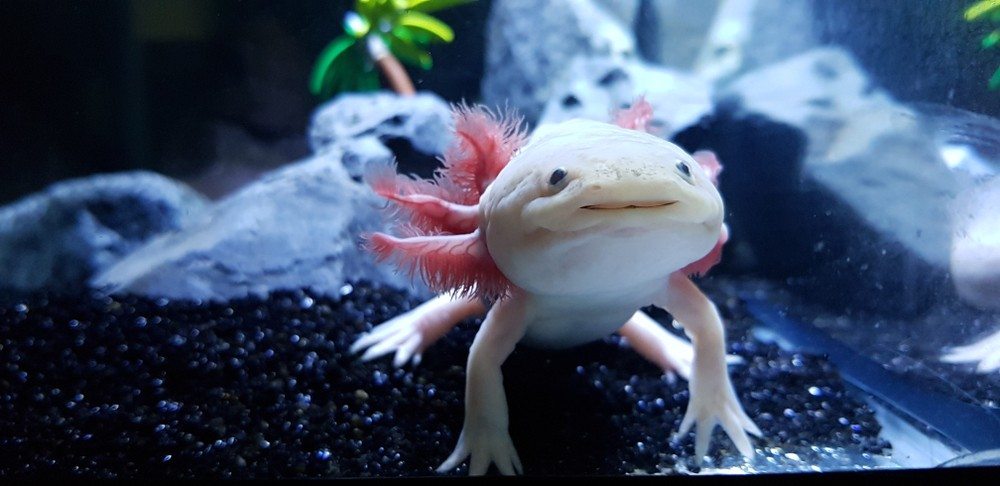
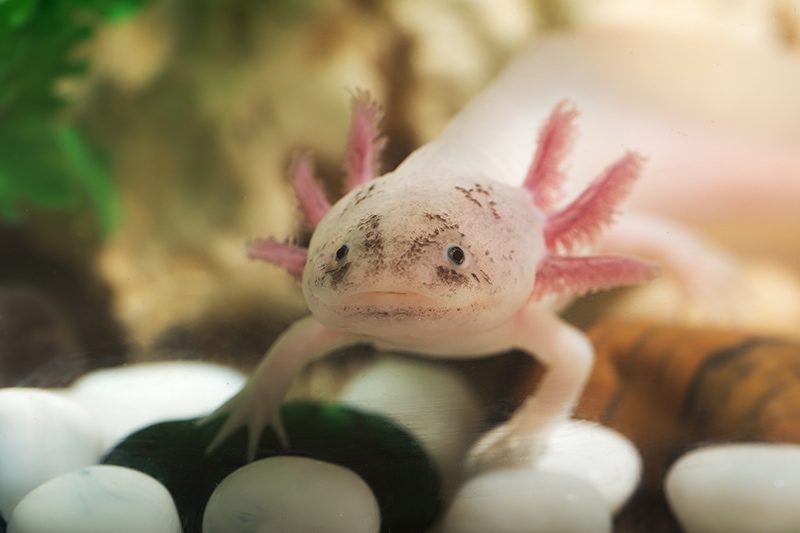
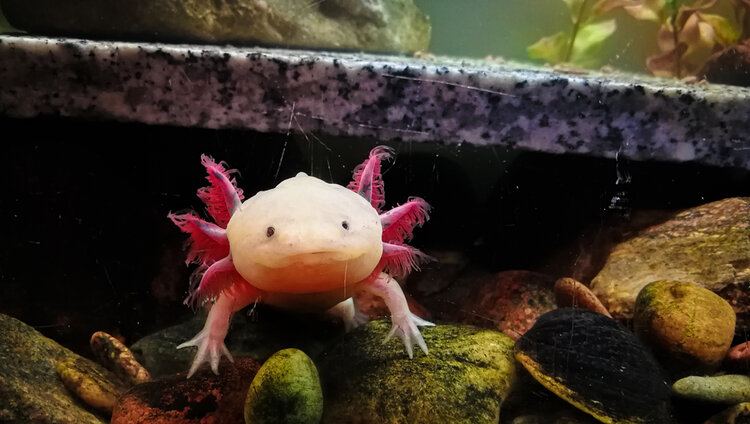
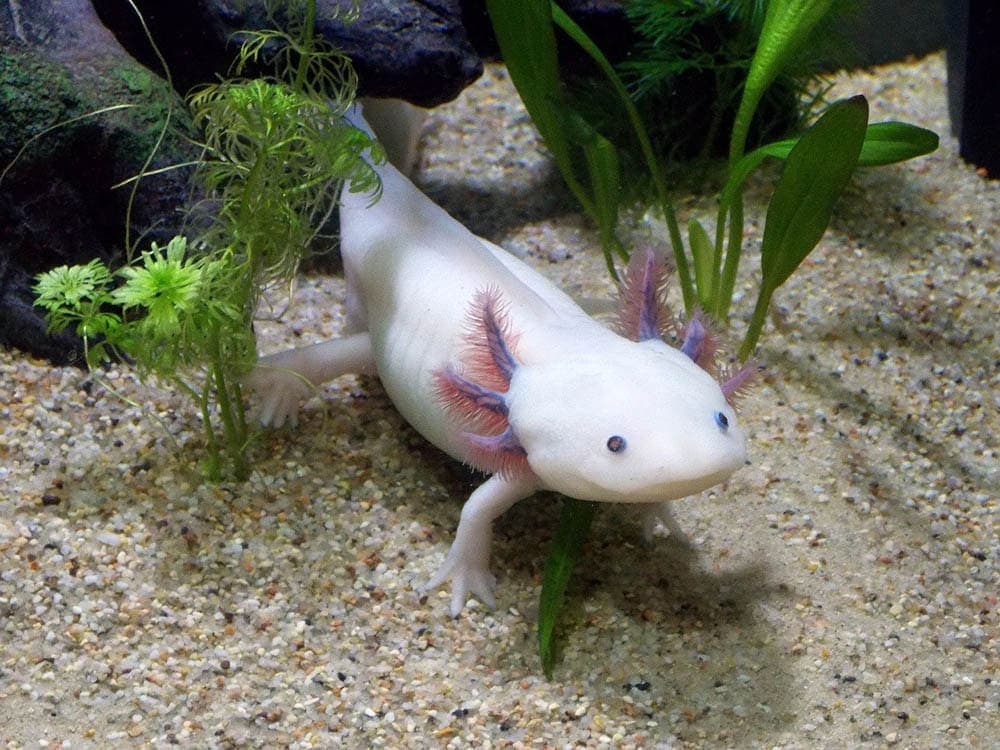
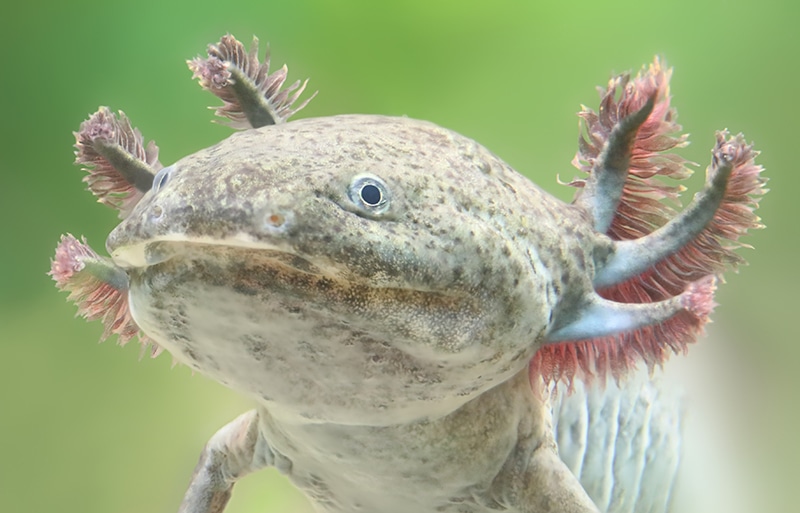
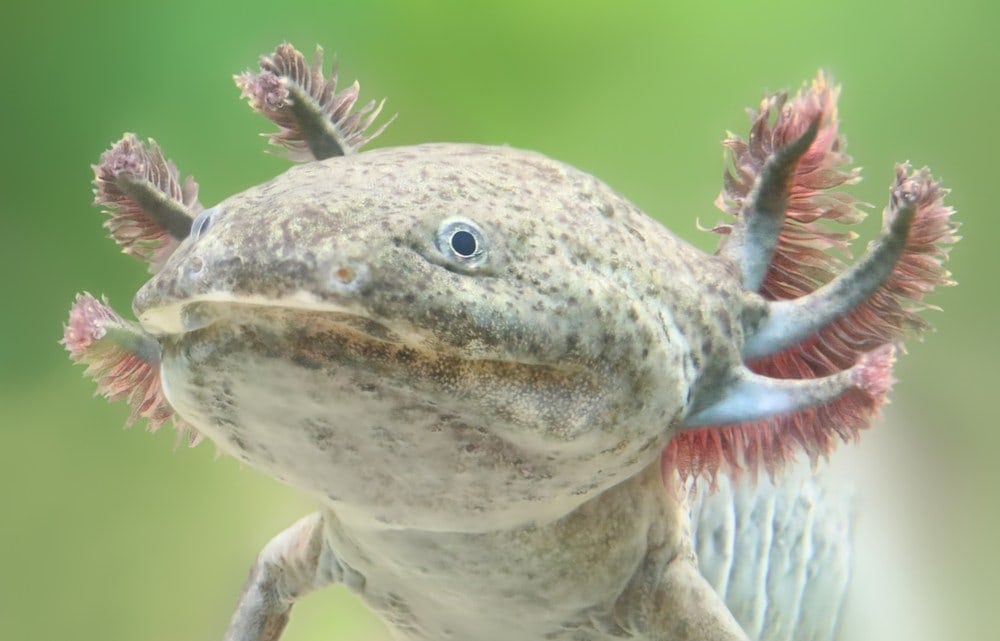
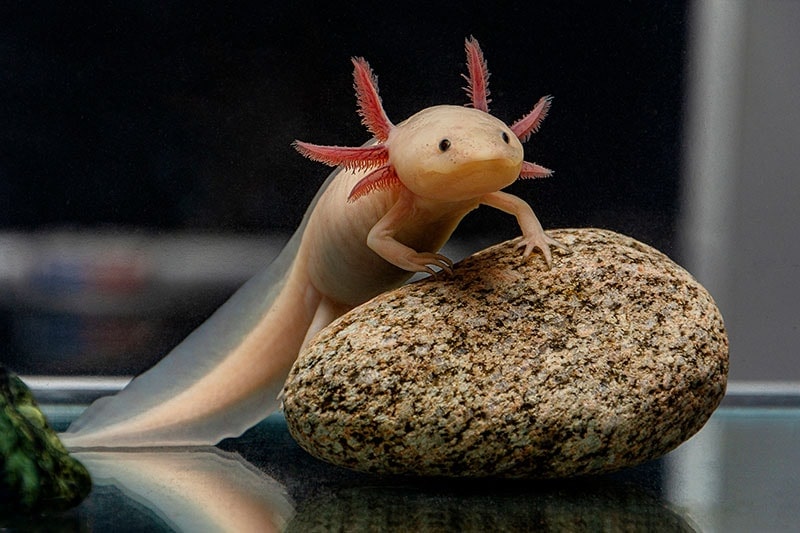
In case you did not know, axolotls do have gills, but they also have lungs to breathe with on dry land. Yes, axolotls have external gills. Those feathery branches or feathery antler-like appendages on the back left and right side of the axolotl’s head are its gills. They are external gills that can flap around and move in the current. Axolotls can contract and unfurl these gills manually, so to speak.
The small capillaries on those branches, all those little feathers, work to exchange oxygen and gasses with the water around the axolotl. In other words, those little words absorb oxygen from the water, which is then diffused into the bloodstream.
There is a lot of blood running through those branches, into which the oxygen gets diffused and then gets carried to the organs and the other parts of the axolotl’s body.
What is cool about axolotls is that, unlike many fish who need to swim around to more or less pump oxygen through their gills, axolotls can simply stay in one spot and flap their branch-like gills to force oxygen into the capillaries.
Keep in mind that when an axolotl is comfy and healthy, those gills should flap at a slow and consistent pace or something may be wrong. Fast and inconsistent gill flapping is a sign that the gills may be infected or that the axolotl is having trouble breathing in general.
Are Axolotls Aggressive?
No, axolotls are not aggressive in the least. These are timid creatures. They run and hide when they sense danger and they don’t like confrontations in the least. These are some of the friendliest and most peaceful creatures you could have in an aquarium.
Do Axolotls Bite?
While axolotls are not aggressive, this does not mean that they do not bite. However, they will only bite out of fear, usually when you approach them or try to pick them up.
That being said, axolotls have very soft and rubbery teeth designed to grip onto food, not to rip and tear food. Being bit by an axolotl does not hurt in the least. It feels kind of like somebody lightly rubbing a piece of fine sandpaper on your fingers. It is not painful at all, and not even uncomfortable either.
Consequences of Axolotls Staying Out of Water
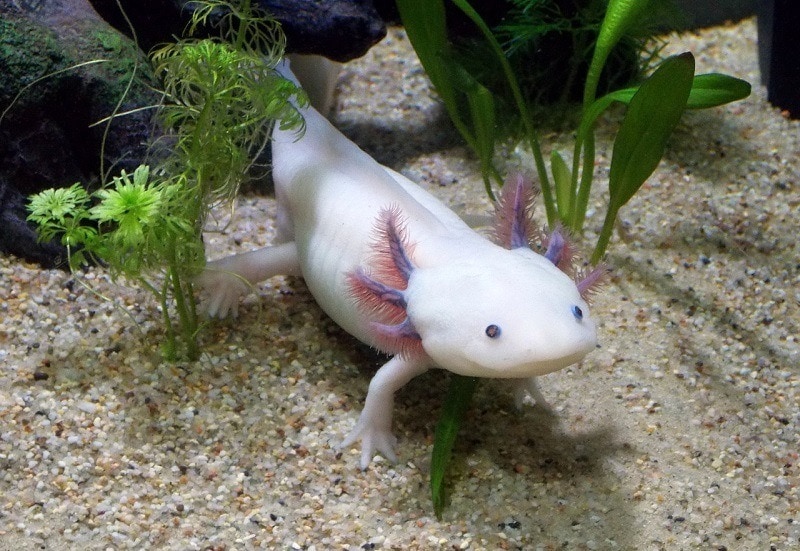
As has been mentioned before, axolotls are amphibians that breathe much better in water than on land, they need to be kept moist, and they really are not designed to walk on land at all. So, what happens when an axolotl is out of water for too long?
Damage to Their Limbs & Organs
Point blank: axolotls are not designed to be out of water. These are kind of like salamanders that never matured into adults, at least when compared to land-based salamanders. In other words, an axolotl’s limbs are not designed to support weight on dry land.
Yes, they can use their legs to walk in the water, but the natural buoyancy which water creates is what actually holds up the majority of the axolotl’s weight, not its legs. On dry land, an axolotl’s legs are not strong enough to support its weight for very long or to walk any distance.
If an axolotl struggles and attempts to walk on dry land even in spite of this, it can cause damage to its legs, and it can cause a lot of the mucus coating on the underbelly to wipe off.
If left like this for too long, because an axolotl’s body is designed to be supported by the natural buoyancy of the water, the internal organs may even begin to be crushed under the weight of the axolotl. Simply put, nothing good is going to come from keeping them out of the water.
Severe Dehydration, Disease, & Breathing Troubles
Axolotls are amphibians and they need to be kept moist. Their skin does absorb some oxygen, which can only happen when they are moist. Axolotls have a coating of mucus on them which helps keep them safe. This helps to fend off bacteria, parasites, and dehydration in general. However, when kept out of water for too long, especially when being handled by human hands, that mucus coating is going to get rubbed off and it will dry up too.
On one hand, the lack of a mucus coating then makes the axolotl susceptible to developing diseases and infections caused by various bacteria and viruses. The lack of slime coating causes bacteria and parasites to be able to penetrate the skin of the axolotl much easier. Keeping an axolotl on land leads to severe dehydration, which can then easily and quickly lead to illness.
Next, a dehydrated axolotl is an axolotl whose organs are going to start shutting down real quick. An axolotl on dry land, especially without that coating of slime, is going to suffer from extreme water evaporation. They dry out really fast, and when they get too dry, they won’t be able to breathe right anymore. Sure, they still have lungs that can breathe some air, but they don’t work nearly as well as the gills, and the gills don’t work when they are dry.
Stress
At the very least, if you keep an axolotl out of the water for too long, it is going to become very stressed out. A stressed-out axolotl may become very reclusive, it may eat less, it may become very fearful, and it can become sick too.
When it comes to fish and similar creatures like this, stress can impact the immune system negatively, which can then lead to the development of disease and illness.
A stressed-out axolotl is not a happy axolotl and it is very likely to get sick too. Therefore, it’s just not recommended to keep axolotls out of water for any period of time.
Conclusion
The bottom line is that axolotls are amphibians and, strictly speaking, they are designed to be in the water 100% of the time. If at all possible, unless totally necessary, do not handle axolotls, and definitely don’t keep them out of the water either.
You Might Also Be Interested In:
Featured Image Credit: Arm001, Shutterstock
Get Hepper In Your Inbox


Pet care tips from our vets and experts, straight to your inbox.
You may opt-out at any time. View our Privacy Policy for more information.

Lindsey discovered her passion for fish keeping after a junior high school field trip to the Shedd Aquarium in Chicago. Prior to becoming Editor-in-Chief of It's a Fish Thing, Lindsey studied marine biology at the University of California-Santa Cruz. She loves goldfish, tetras, and mystery snails, and recently began experimenting with a saltwater aquarium.
Join the conversation
Ask a question, share your story, or send private feedback.