Hepper is reader-supported. When you buy via links on our site, we may earn an affiliate commission at no cost to you. Learn more.
How Long Do Axolotls Live? Average Lifespan, Data & Care Guide

In this article
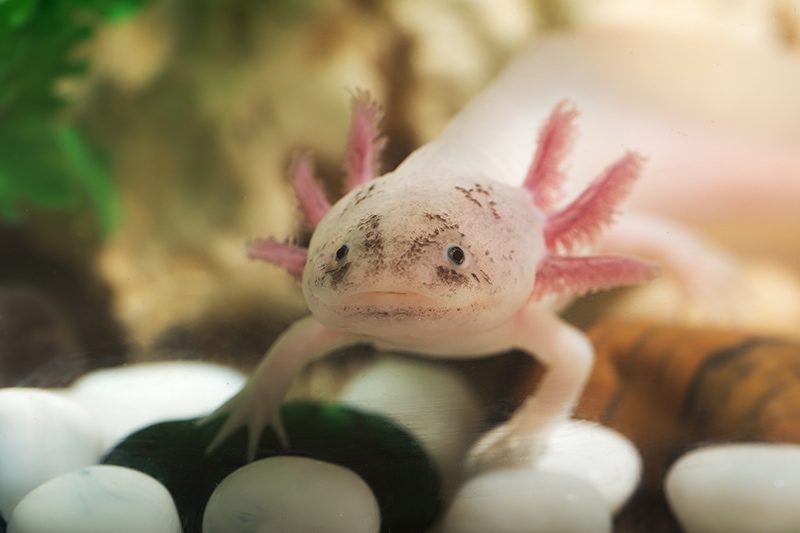
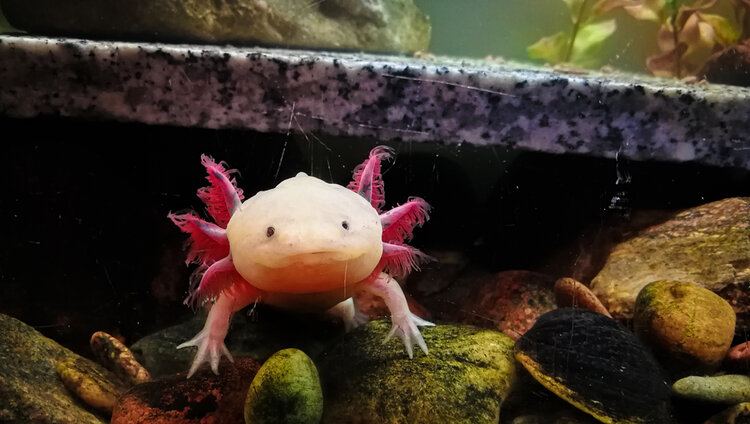
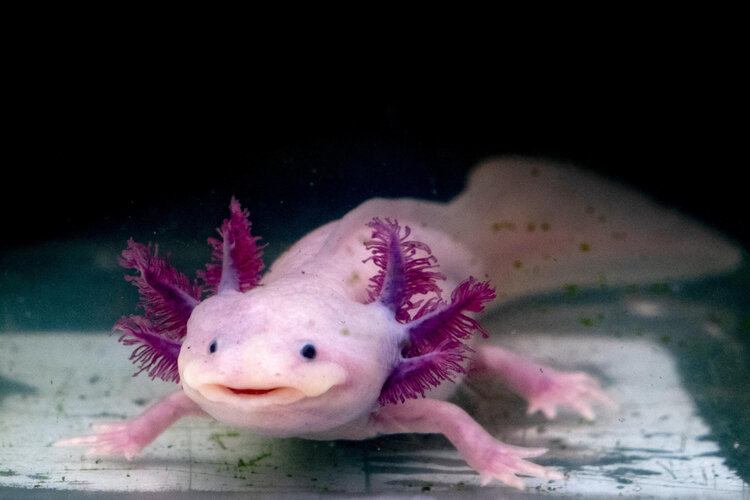
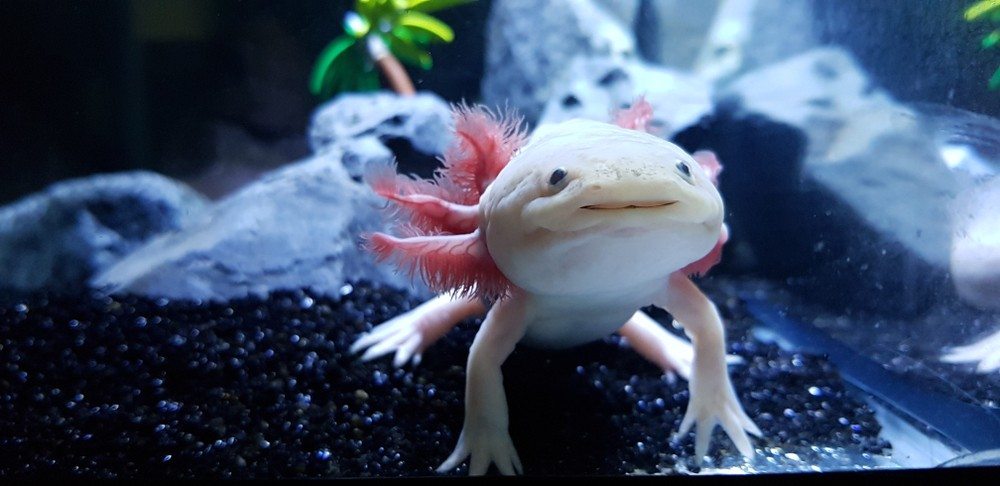
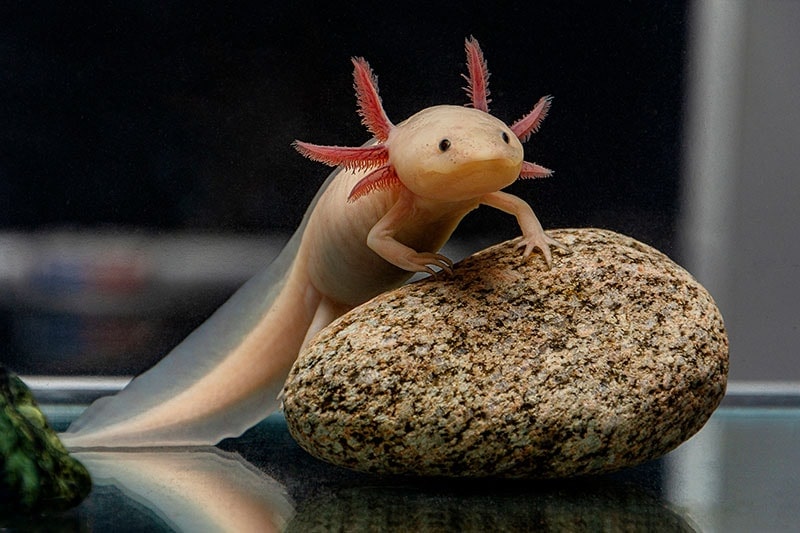
Axolotls are some of the most unique little creatures to have in an aquarium. These little fish-salamander hybrids, known as the Mexican walking fish, have quite an astounding lifespan.
So, how long do axolotls live? Well, it depends on whether they are in captivity or not. In the wild, they live between 5 and 10 years, while in captivity, they live between 10 and 15 years, with an average lifespan of 12 years.

How Long Do Axolotls Live as Pets?
When kept in captivity, in a home aquarium, a well-cared-for axolotl can be expected to live between 10 and 15 years, with the median being around 12 years. It is very important to stress that only well-cared-for axolotls will live to this age.
These creatures are very sensitive and fragile, so it doesn’t take much to kill them. However, when they are well cared for, they are known to live for up to 20 years.
How Long Do Axolotls Live In The Wild?
Axolotls are peaceful creatures that avoid contact and confrontation with other animals whenever possible. However, they are not very quick swimmers, they aren’t very agile, they don’t have teeth or claws, and they have no natural way of defending themselves.
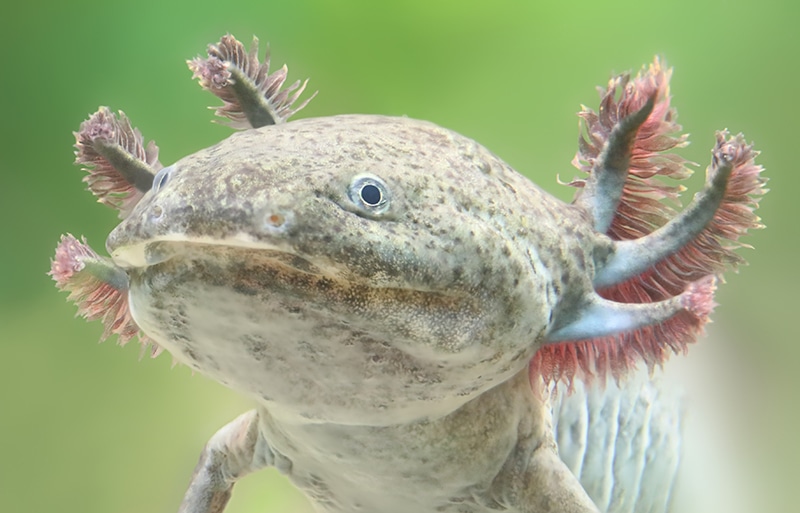
For a predator, they are an easy-to-catch meal. Therefore, in the wild, it’s rare to see an axolotl get older than 10 years of age, with even 5 years being a big accomplishment for a wild axolotl.
How Many Axolotls Are Left In The World?
The official estimate at this time is that there are between 1,400 and 1,600 axolotls left in the wild. However, there are many thousands more in pet stores and home aquariums.
This number is unknown, but rough estimates place the total population of axolotls in the world, both wild and domestic, at under 10,000.
Are Axolotls Endangered?
Axolotls are critically endangered. At this time, it is estimated that there are far more axolotls living in captivity than in the wild. They are endangered because there is only one lake in the world where they breed naturally, Lake Xochimilco.
Moreover, other aspects, such as pollution, loss of environment, and human interference, have caused a sharp decline in axolotl populations.
The 6 Ways to Ensure Your Pet Axolotls Lives a Long Life
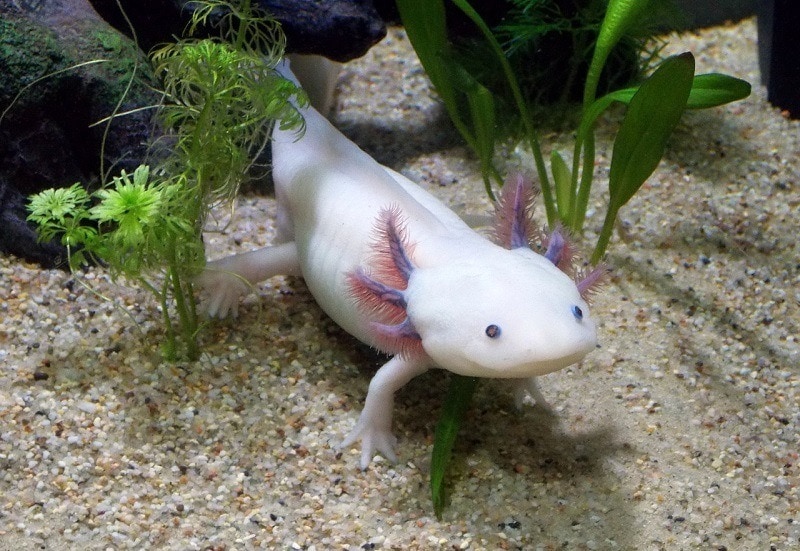
Yes, axolotls are relatively fragile and sensitive creatures, but there are ways to ensure that your axolotls live long and healthy lives. Let’s take a look at the most essential tips in this regard.
1. Ideal Water Parameters
Axolotls need the water to be between 60 and 64 degrees Fahrenheit, which is much cooler than most marine animals require. You may need to get a cooling unit for your aquarium, and you definitely want an aquarium thermometer to measure the temperature. Keep in mind that slightly cooler water is acceptable, but warmer water is not. If you don’t meet the ideal temperature requirements for the axolotls, they won’t live for long.
At the same time, the pH and dGH levels are also important. Regarding acidity, the pH level for axolotl water is between 6.5 and 8.0, but the ideal level is around 7.2. In terms of water hardness, they require it between 7 and 14 dGH.
2. A Clean Tank
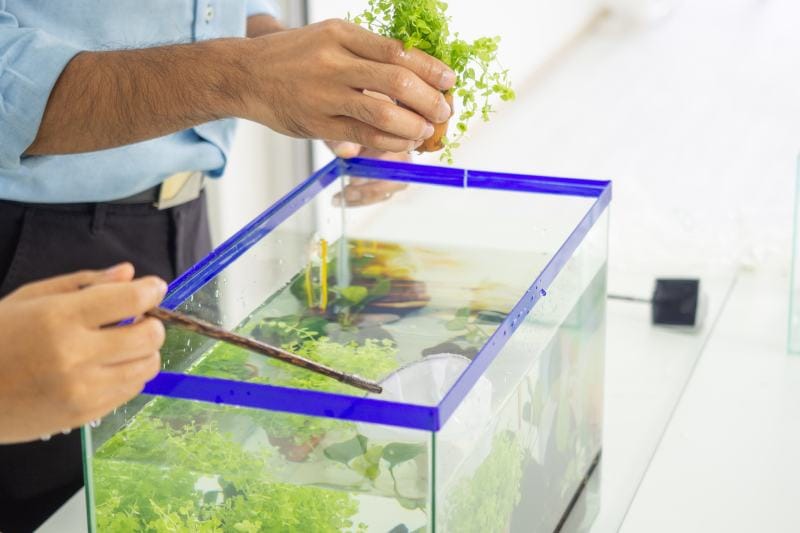
Axolotls are very sensitive to dirty water, particularly to ammonia and nitrates. Dirty water is bad for axolotls in general, as it can cause stress and cause their organs to shut down, and even minimal levels of ammonia can cause death.
Uneaten food, untreated waste, and rotting plants can disrupt water quality and shorten the axolotls' lifespans. If you don’t clean your tank enough, you don’t vacuum it, and the filter is not working at full capacity, the water quality will suffer. Therefore, you need to ensure that you do weekly water changes of about 30%.
This will help remove contaminants from the water. You also want to clean the tank from top to bottom at least once per week. Finally, a highly efficient filter that engages in all three major types of filtration, including mechanical, biological, and chemical filtration, is necessary.
3. The Right Food
Something else that will help ensure a long and healthy life for your axolotl is proper feeding. Feeding a high-quality diet that meets or even exceeds their nutritional requirements is a must. In general, axolotls have very high protein requirements and are meat eaters at heart. You can provide insects and insect larvae, fish fry, daphnia, and worms.
You can also feed them cooked lean chicken, lean beef, and shrimp. It is shown that axolotls fed nothing but nightcrawlers (earthworms) are perfectly healthy. An axolotl may enjoy some live foods because it helps them keep in touch with their instinct to hunt. However, live foods, and even frozen foods, often contain parasites that can kill axolotls.
To prevent this, feed them only freeze-dried foods. Axolotls are extremely susceptible to diseases and parasites, so keeping this under control is paramount.
4. Minimal Handling
If you want your axolotl to live a long life, you shouldn't handle it. Sure, you’ll have to touch it sometimes, especially when cleaning the tank.
However, contact should be avoided, and the handling of axolotls should be kept to an absolute minimum. They are fragile creatures, and breaking one of their legs is not hard. Sure, axolotls can completely regrow lost limbs, but losing limbs can cause stress.
Moreover, axolotls can be out of the water for short periods, but it is not recommended. They have a slime coat, which will be removed by your hands and dry out in the air. This slime coat protects them, keeps parasites and bacteria at bay, and keeps them moist.
If they are out of the water for too long, this protective coat will disappear, thus leaving the axolotl in immediate and grave danger. Whatever you do, touch the axolotl as little as possible and leave it in the water.
5. The Right Tank Setup
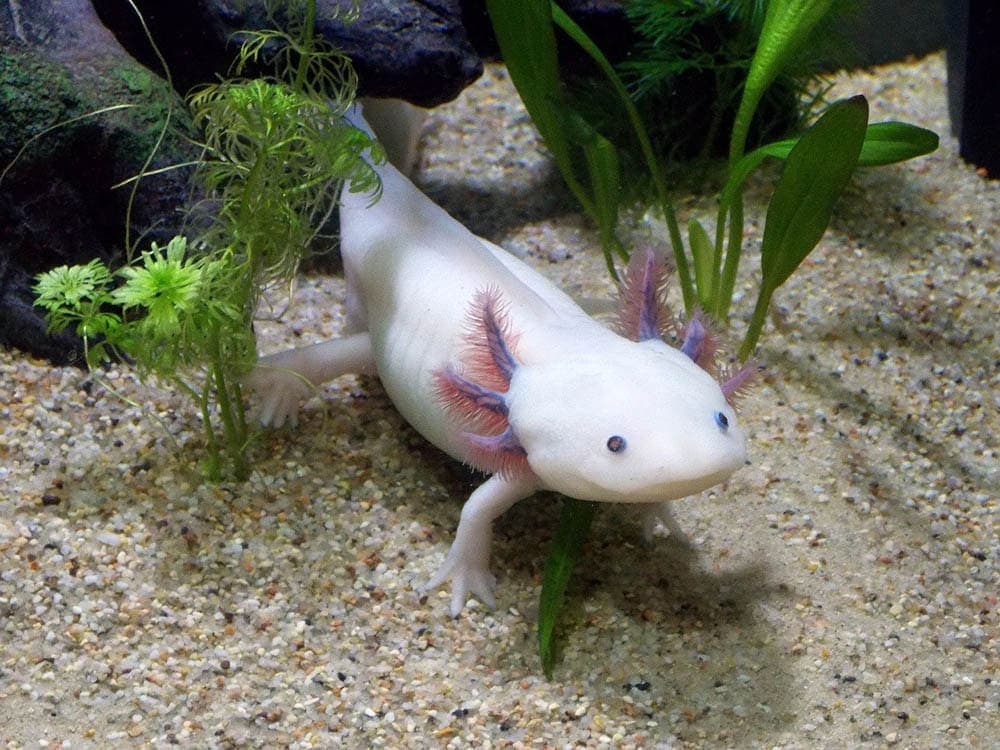
Sure, you need a filter, plants, and other equipment, but axolotls require a specific substrate. The reason for this is that axolotls are clumsy and voracious eaters, and they often feed directly from the substrate. Therefore, they often get a mouthful of substrate along with their food.
If you don’t have the right substrate when they ingest it, it can get impacted and clog up their digestive tract, which can quickly lead to death. The only viable option is to use high-quality aquarium sand substrate, which is designed to prevent impaction from occurring. Using gravel as an axolotl substrate is in no way recommended.
6. The Right Tank Mates
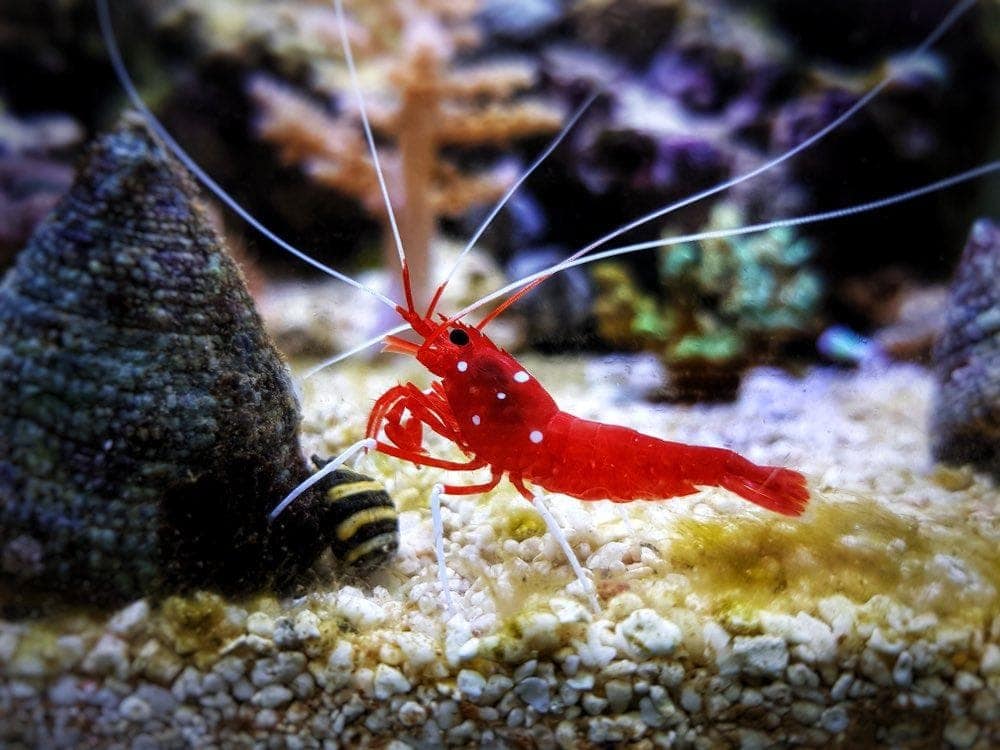
It's also vital to house them with the right tank mates. The best tank mates for these little guys are other axolotls. You can add some peaceful fish to the tank, such as minnows, snails, and shrimp.
However, other than that, there are not many viable axolotl tank mates. Any large, fast-swimming, voracious eating, territorial, aggressive, or bottom-dwelling fish should be avoided. If a fish meets any of the qualifications above, it should not be put in an axolotl tank. For instance, a territorial and aggressive betta fish is out of the question.
Life Stages of an Axolotl
When axolotls are considered hatchlings, they are 3 weeks or less old. A juvenile is less than 3 months old, a late juvenile is less than 5 months old, and a mature adult is around 1 year old.
When an axolotl is roughly 3 years of age, it shows the most dramatic increase in size. After this point, your axolotl might experience a loss in regenerative qualities.
How to Tell Your Axolotl’s Age
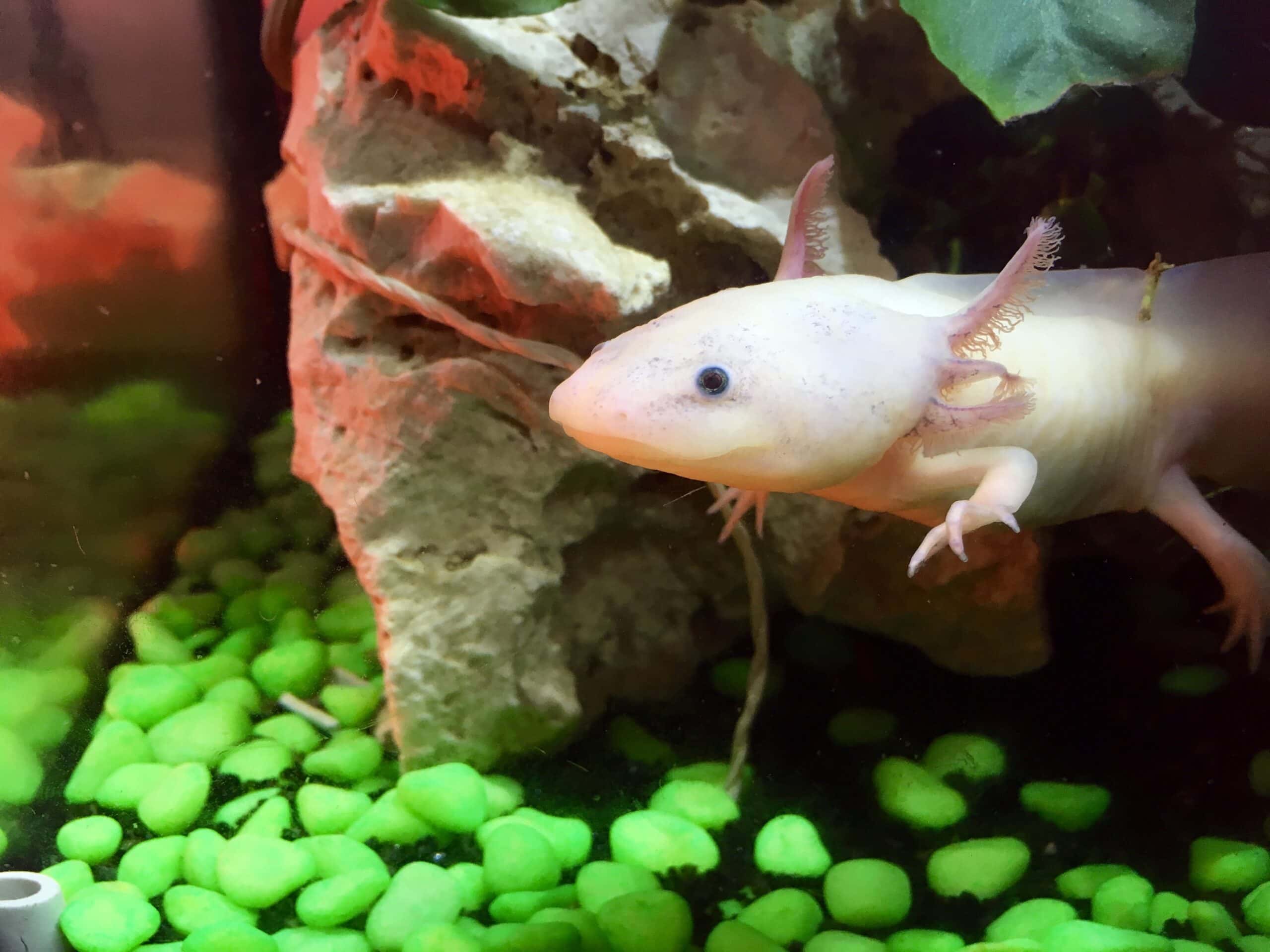
You can often tell the age of an axolotl by its size. However, many factors contribute to this as well. Ultimately, once an axolotl stops growing around the 3-year mark, it can be challenging to determine their age.
Before that point, you can usually gauge an axolotl's age by measurement. They grow approximately 1 inch per year until they are fully grown.
Final Thoughts
Axolotls live much longer in captivity, and their owners must provide a clean environment for their pets. The bottom line is that you need to follow all of the tips we have outlined today to give your axolotl a fighting chance to reach its maximum age. They are sensitive and fragile creatures that require great care.
See Also:
Featured Image Credit: Jeffrey Lagmay, Shutterstock
Get Hepper In Your Inbox


Pet care tips from our vets and experts, straight to your inbox.
You may opt-out at any time. View our Privacy Policy for more information.
Ashley Bates, a freelance writer with a passion for pets, is currently studying animal therapy. She is a mother to four children and 23 pets, both furry and feathery. Ashley actively volunteers at local shelters, advocates for animal welfare, and rescues animals in distress. Her mission is to promote awareness, education, and entertainment about pets to help prevent animal homelessness. She specializes in the care and well-being of dogs and cats.
Join the conversation
Ask a question, share your story, or send private feedback.