Hepper is reader-supported. When you buy via links on our site, we may earn an affiliate commission at no cost to you. Learn more.
10 Signs Your Dog With Diabetes Is Dying (Vet Answer)


In this article
Canine diabetes is a relatively common disease, with around 1 in 300 dogs affected.1 It can affect any breed of dog, male or female, but there are certain breeds that are particularly predisposed to it. Once a dog is diagnosed with diabetes, it is usually the start of a long journey involving insulin dosing and blood glucose monitoring, not to mention becoming obsessed with how much your dog is drinking and peeing!
Most dogs with uncomplicated diabetes respond well to treatment and can live quite happily for several years after diagnosis. Most owners find that, once they get used to giving the insulin injections, it just becomes a normal step in their dog’s routine.
There are times, however, when a diabetic dog does not respond to treatment as expected, or the insulin is no longer working for them. In these situations, you are going to want to know what signs you might see if your dog with diabetes is dying.
We’re going to take a look at the ways in which diabetes can progress and respond or fail to respond to treatment.

Canine Diabetes - A Brief Overview
If your dog has diabetes, you are probably quite familiar with the ins and outs of this disease, but just in case, let’s go through a quick rundown of what diabetes does to the body so we can better understand how and why it can deteriorate.
There are two primary forms of diabetes:
Whenever a dog eats, insulin produced by the pancreas helps push glucose (sugar) out of the bloodstream and into the cells, where it can be used as energy. If there is not enough insulin, the blood glucose is lost through the kidneys and eliminated in the urine. All the glucose in the bloodstream draws more fluid into the kidneys, meaning that more urine is produced, which is why dogs with diabetes urinate and drink so much.
Because there is no glucose in the cells, the body starts burning through stored adipose tissue (fat) in a process called ketosis. This leads to rapid weight loss and can have damaging effects on the kidneys. If untreated, it will result in a condition called diabetic ketoacidosis (DKA), which causes electrolyte disruptions that affect cardiac function and can be fatal.
The survival of dogs with diabetes can depend on a number of factors, such as how quickly they are diagnosed and start treatment, their age, whether they have any other health issues, how well they respond to treatment, and whether or not their organs have suffered any damage.
The primary reason that dogs die with diabetes is from ketoacidosis, and this can be right at the beginning or several years down the road. Even dogs in severe DKA can respond to treatment, so urgent treatment is always the best option if you see any of the signs below. So, what are the signs that a diabetic dog may be losing the battle with this disease?

The 10 Signs Your Dog With Diabetes Is Dying
1. Weight Loss
As mentioned above, when the body isn’t getting enough energy from glucose, it will start to utilize fat reserves, which can lead to dramatic weight loss over a short period of time. When all the normal adipose tissue has been used up, the body will start to break down more and more fat, resulting in the production of ketone bodies, which causes a shift in the acid/base balance.
2. Lethargy
Without insulin to properly regulate the uptake of glucose by cells, the body becomes depleted of energy stores, especially when ketosis has started.
3. Panting
The ketone bodies produced during the breakdown of fat reserves create an acidic environment in the blood (hence, diabetic ketoacidosis). One way that the body tries to counteract this is by increasing the amount of carbon dioxide in the bloodstream, which is achieved by increasing the respiratory rate.

4. Bad or Different-Smelling Breath and Urine
Ketones produce a very specific smell, which some people can detect quite clearly. It can smell quite fruity, metallic, or like a chemical. This can often be detected in the breath or in the urine.
5. PU/PD
As we know, increased urination and thirst, also called polyuria & polydipsia (PU/PD), is one of the first signs noticed when a dog is becoming diabetic. The more pronounced the signs, the more severe the problem likely is.
If PU/PD persists despite treatment, or returns down the track despite dose adjustments and addressing any other contributing factors, it is usually a sign that the disease is progressing past a treatable point.
6. Inappetence
Dogs in DKA feel sluggish and miserable, and the disruption to the electrolytes and pH in their system means that they have no interest in food.

7. Vomiting and/or Diarrhea
The changes in electrolytes and acid/base balance will lead to changes in how fluid and molecules are moving through membranes, which can lead to extra water loss through the gastrointestinal system.
8. Dehydration
In addition to water loss through the gastrointestinal tract, persistent polyuria means that the body is unable to maintain enough fluid in the system, despite drinking more.
9. Ataxia and Confusion
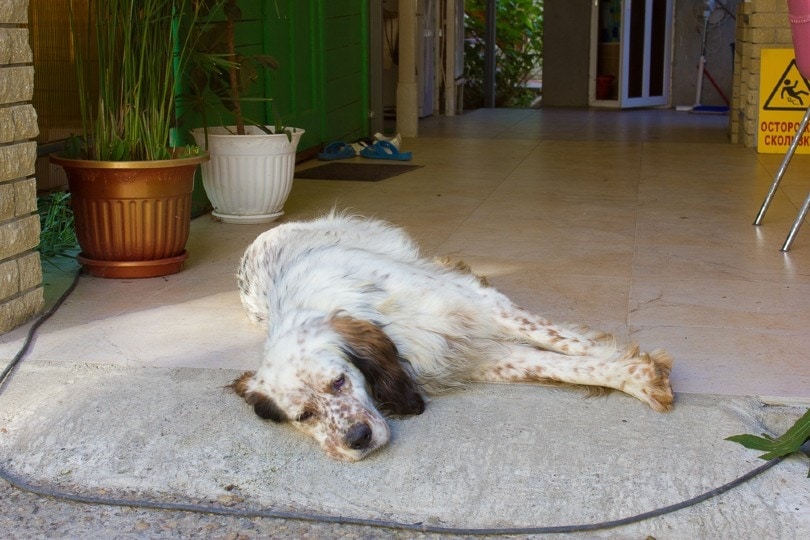
Dehydration, electrolyte imbalances, and weakness will often cause your dog to feel weak and disoriented. They may stumble or start leaning against walls to keep steady.

10. Seizures or Collapse
When the above problems start to affect the brain, we may see seizures, coma, collapse, or even death. If DKA is not treated urgently, this will be the result.

Can a Dog Recover From Ketoacidosis?
Yes. Even dogs that have presented with marked dehydration and signs of severe acidosis can be stabilized. When a dog presents with DKA, they are often given a fast-acting form of insulin to bring down blood glucose more rapidly. They will also be started on high rates of intravenous fluid therapy and given medications to stabilize their electrolytes. However, if a dog fails to respond to treatment for DKA within a 24-hour period, their prognosis is grave.

A Note on Hypoglycemia
One major risk of treating diabetes is “overcorrecting” and causing a dangerous drop in blood glucose. If blood glucose drops below a certain threshold, it can result in seizures, coma, and death. This is why it is important to slowly stabilize a diabetic patient, and why regular monitoring is vital.
If you aren’t sure your dog got their insulin, or maybe they moved and it didn’t all go in, never give them an extra dose. It is safer for them to miss a dose than to get too much and become hypoglycemic.
When to Say Goodbye
No one knows your dog like you do, so only you can know when they are no longer enjoying life. It’s normal to have ups and downs, but there will likely come a time when, despite all efforts from you and the veterinary team, there are very few ups anymore. When you reach a point in your dog’s illness when they are having more bad days than good and you have done everything you can for them, you need to do what is best and fairest for your friend.
One of the best things to be able to do is to pick a good day and make it the best day you possibly can, saying goodbye on a high note. When we wait too long, we miss out on the chance to have that one last good day together.
Talk to your vet and use their guidance to help you decide when the time is right, but ultimately, you will know when you need to let them go, even though it will absolutely break your heart.

Conclusion
Signs that a dog with diabetes is dying are tricky to define because they are generally the same signs we might see before a diabetic dog starts treatment or is in need of an insulin dose adjustment. The signs we are looking out for are signs of diabetic ketoacidosis, and what differentiates a fatal case of DKA from one your dog may recover from comes down to their ability to respond to treatment, their age, and other factors that may influence their overall quality of life.
A diabetic dog showing signs of DKA is not necessarily one that is dying, but if their quality of life is failing, then it may be a sign that it’s time to think about euthanasia. However, if your diabetic dog has been doing well and enjoying life, DKA can often be stabilized, and there can be a number of reasons it can occur in previously stable patients.
When it comes to dogs and diabetes, you cannot be too vigilant, and it is far better to have worried about nothing than to have worried and done nothing.
Always speak to your vet about any concerns you have, even if you think they might be minor. Remember, early diagnosis and treatment are always our best allies against disease.
See also:
Sources
Featured Image Credit: antoniodiaz, Shutterstock
Get Hepper In Your Inbox


Pet care tips from our vets and experts, straight to your inbox.
You may opt-out at any time. View our Privacy Policy for more information.
Karyn has lived in the UK for the past 10 years after moving from Queensland, Australia. In 2010, she graduated from The University of Queensland School of Veterinary Science, and also holds a Bachelor’s degree in Zoology. Karyn is passionate about using evidence, experience, and owner collaboration to provide the best solutions for pets, and believes in making reliable information about animal health accessible to all. She shares her home with 5 cats, 4 dogs, and 1 husband, and when she is not practising as a veterinary surgeon, she spends her time writing, gardening, and cleaning up pet hair!
Karyn comes from Queensland, Australia, but has lived in the UK for the past 10 years. She is passionate about using evidence, experience, and owner collaboration to provide the best solutions for pets, and believes in making reliable information about animal health accessible to all.
She shares her home with 5 cats, 4 dogs and 1 husband, and when she is not practising as a veterinary surgeon, she spends her time writing, gardening, and cleaning up pet hair!
Education
In 2010, Karyn graduated from The University of Queensland School of Veterinary Science and also holds a Bachelor’s degree in Zoology.
Experience
Dr. Kanowski has worked in small animal practice, both in Australia and the UK, and she will be very happy if she never has to see another post-Brexit Animal Export Certificate again! Karyn has special interests in acupuncture and canine behavior and loves challenging surgical cases.
Join the conversation
Ask a question, share your story, or send private feedback.