Hepper is reader-supported. When you buy via links on our site, we may earn an affiliate commission at no cost to you. Learn more.
Cat Anatomy Basics: 9 Essential Feline Body Parts



Most of us don't think too much about cat anatomy. We know what they need to survive and thrive, and for many of us, that's good enough. However, you're truly doing yourself a disservice by not learning about your cat's unique anatomy because it is just so fascinating. For example, did you know that a cat's whiskers act as a radar guidance system, helping them identify and analyze every little thing in their environment? Or that their tongue is covered in minuscule barbs that act as mini combs for grooming time?
Follow along with us to learn more about cats, how their bodies work, and how they differ from humans.

The 9 Basics of Cat Anatomy
1. Whiskers
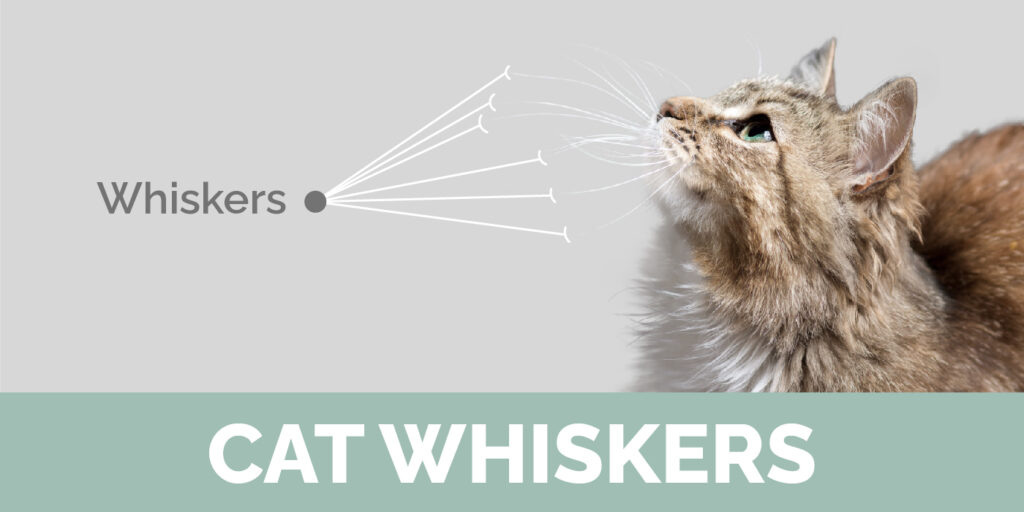
Whiskers erupt from hair follicles but, unlike regular hairs, don't cover a cat's entire body. Instead, they are strategically located in places like the chin, above the eyes, and on the back of their front legs. Whiskers play an essential part in how cats sense and interact with the world around them.
Each whisker has a sensory organ (proprioceptors) at its root. This organ can pick up on vibrations in the environment to help your cats orient themselves to where they are and what's around them.
The most prominent whiskers on the sides of a cat's nose. This allows them to know whether they'll be able to fit into spaces. The whiskers on the back of the legs can help a cat climb trees.
2. Paws & Claws
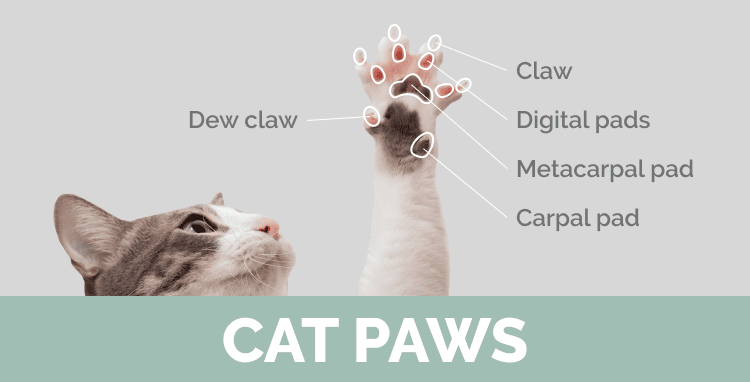
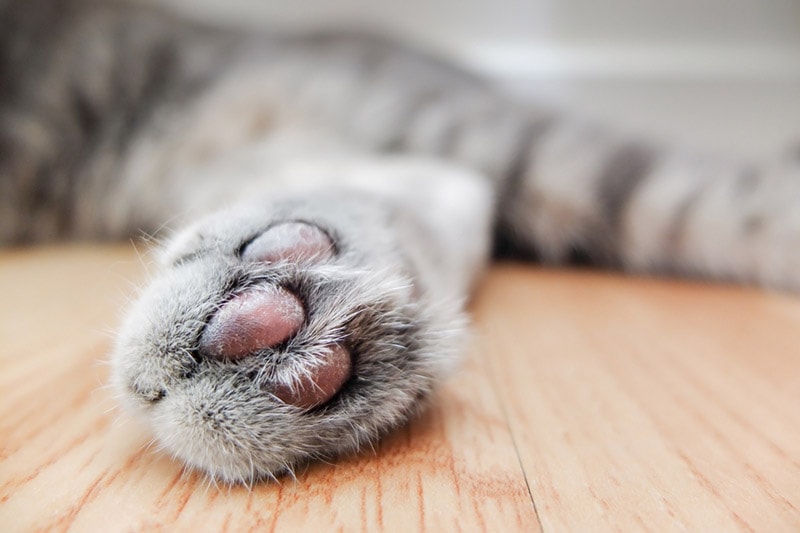
Each paw has several digital pads, more affectionately known as "toe beans". They serve an important purpose: to act as shock absorbers. These squishy pads contain much fatty tissue, allowing them to absorb the impact of a hard fall. In addition, because they're so soft, toe beans act as mufflers, so cats can creep silently to stalk their prey.
They have an extra pad on each front paw, known as the carpal pad. This bean gives cats extra traction when coming down a hill, stopping abruptly, or jumping from a high spot.
Toe bean color is typically related to the color or pattern of the cat's coat. The melanin (pigment) in a cat's skin will ultimately determine their coat and bean color. White cats don't have melanin, so their toe beans appear white. Black cats have a lot of melanin, so they'll have black beans.
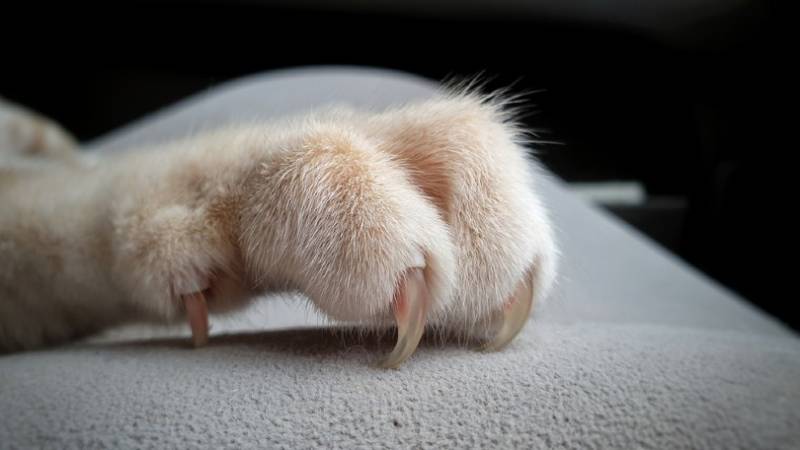
Cats have retractable claws that can stay sheathed in the skin and fur surrounding their toe beans. This keeps the nails sharp by preventing wear from too much contact with the ground and other surfaces. The claws on the front feet are typically sharper than those on the back. Cats can voluntarily extend their claws for self-defense, kneading, or climbing.
Most cats have 18 toe beans and claws—five on each front foot and four on the hind feet. Cats with polydactylism can have five to seven toe beans per paw.
3. Ears
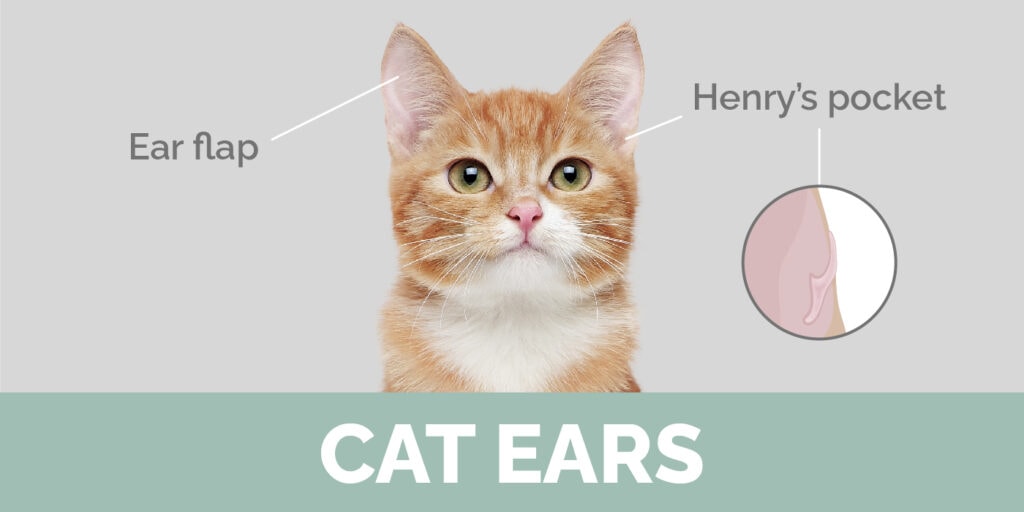
Cats have sensitive ears that can move independently of one another. This mobility is especially useful for wild cats, as they can look in one direction and manipulate their ears in another to keep tabs on nearby prey or predators.
Cats can hear sounds almost two octaves higher than what humans can hear. In addition, they can hear frequencies between 30 to 60,000 Hz and sounds from distances four or five times farther than humans.
Cats have an extra fold on their ears known as Henry's Pocket. The function of this fold isn't known, but some believe it helps a cat to hear those high-frequency sounds that only they seem to be in tune with.
Most cat breeds have triangular ears that point upward, allowing them to funnel sounds. The exception to this rule is the Scottish Fold, which has a natural dominant gene mutation affecting their body cartilage. A Scottish Fold's ears, as you might surmise from the breed's name, fold and bend forward toward the front of their head.
4. Nose & Scent Glands
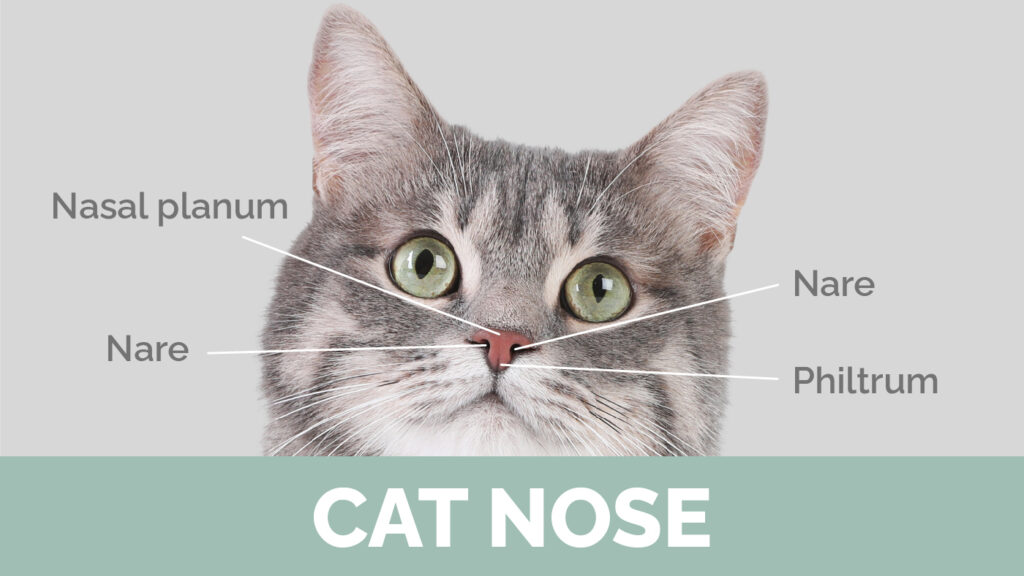
Cats have a great sense of smell. The secretion of odors plays a huge part in how a cat communicates. They can identify territories, seek out other cats, locate food, and find mates through smell.
Cats have scent glands throughout their bodies, like on their forehead, under their tails, and on paw pads. Their scent glands excrete pheromones, which act as chemical messages your cat needs to interact with its world. For example, cats often rub against objects or people to “mark” them with their scent, leaving behind a scent that they can identify. They also rub up against new objects to “mark” them as their property or territory.
Rubbing or head butting is typically a sign of territory marking, greeting, or adoration. So, if your cat head butts you, wear that as a badge of honor, as it means it is marking you as its territory or deeply adores you.
Rubbing behaviors are passed down from the mother cat to her kittens.
5. Eyes
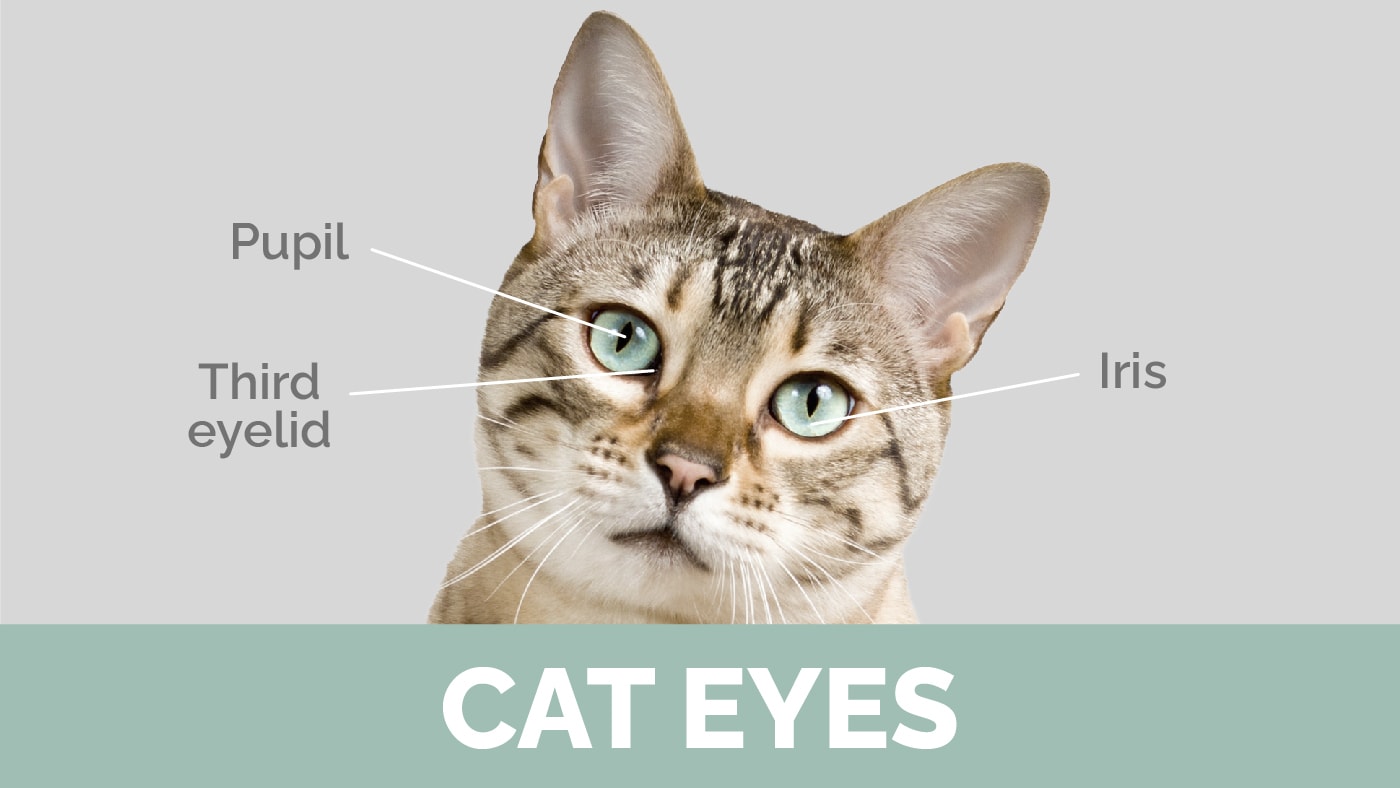
Cats have a reflective membrane known as the tapetum lucidum at the back of their eyes, allowing them to see in very low light. This membrane acts like a mirror, reflecting light onto the retina, and is also responsible for giving their eyes that cool reflective glow. Contrary to popular belief, cats cannot see in total darkness.
Cats also have a third eyelid, also known as the nictitating membrane, hiding in the inner corner of their eye. The eyelid provides partial covering to protect the eye from trauma while allowing for some vision. Most folks don't realize their cats even have a third eyelid unless their pet is unwell, injured, or has a genetic abnormality.
6. Mouth & Teeth
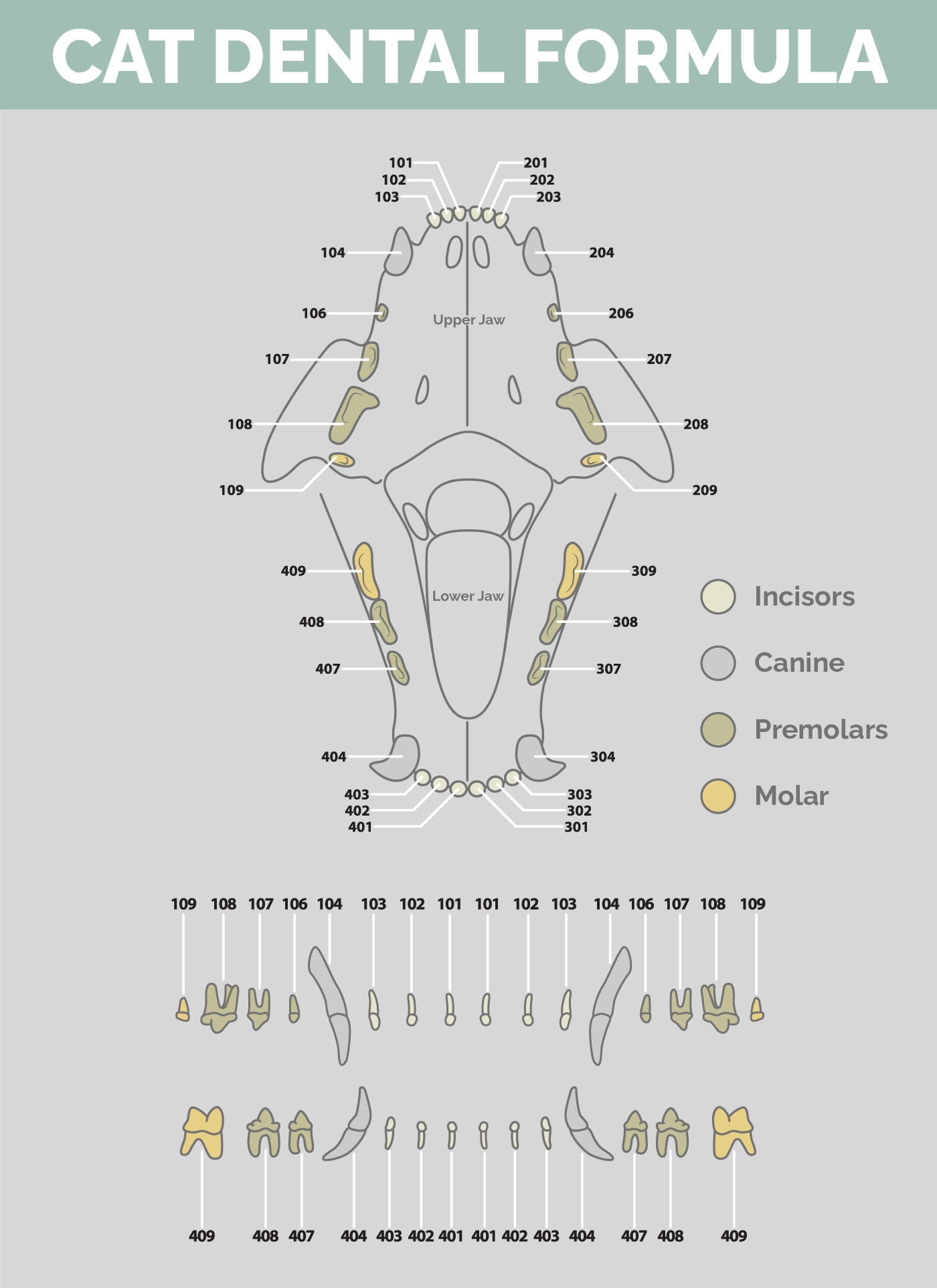
Cats are carnivorous creatures with highly specialized teeth optimized for hunting. They have 30 adult teeth consisting of front incisors, sharp canines, premolars, and molars. Each tooth serves a very important purpose.
- Incisors (small teeth at the front): Used for holding prey, grooming, and picking up objects
- Canines (fangs): Designed to puncture the skin of their prey
- Premolars and molars (teeth at the back of the mouth): Used for cutting through meat and bone
Like humans, kittens have "baby" teeth, also known as deciduous teeth. These are not present at birth, but when the kitten is two to three weeks old, a small incisor will erupt at the front of the mouth. By one month, the fangs will emerge, and by six weeks, the teeth at the back will have erupted. Kittens have 26 deciduous teeth, which will eventually begin to fall out and be replaced by their adult teeth.
A cat's tongue is covered with small spines known as papillae. These spines look like tiny hooks and are made of keratin (the same material our fingernails are made of). The papillae are turned backward, facing a cat's throat, allowing them to catch fur on the tongue to discard it. The barbs are also useful for cleaning meat off an animal's bones.
7. Legs
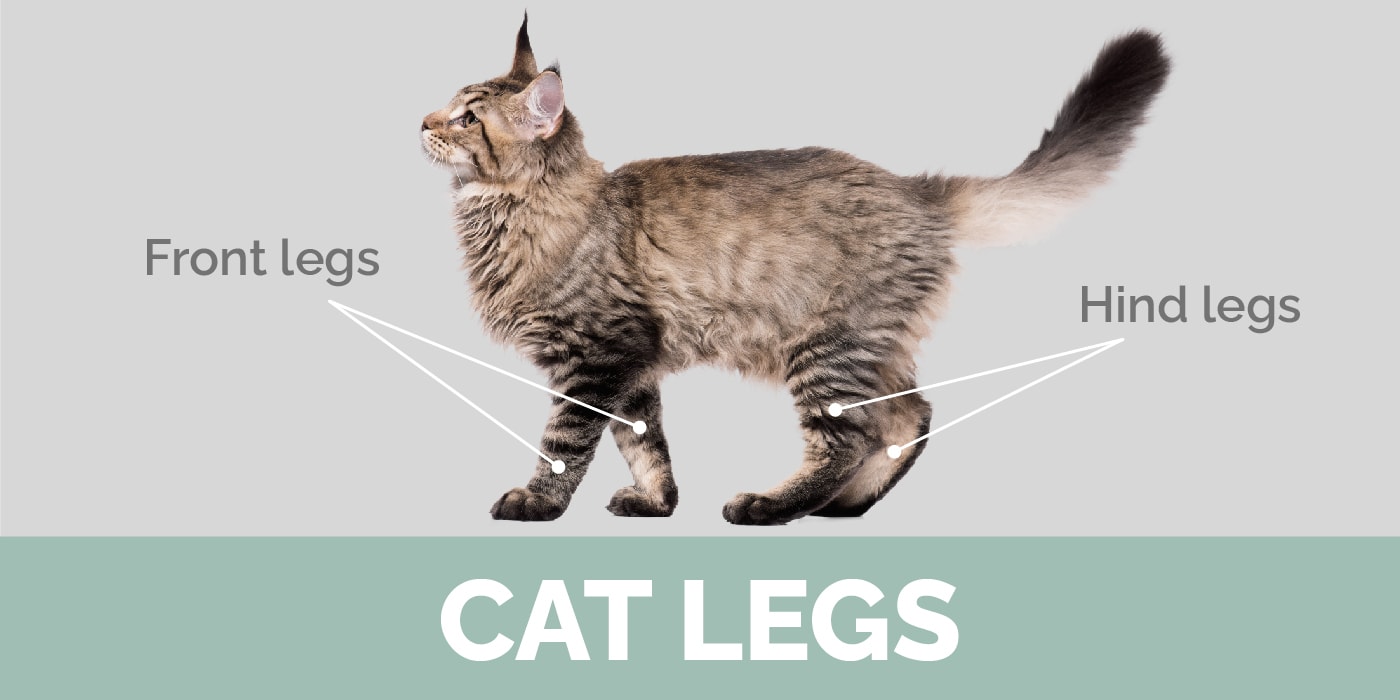
Cats walk on their toes, making them digitigrades. The advantage of this walking style is that they're more agile than animals that move in other ways. Most animals have a ground reaction force (the force exerted by the ground on a body in contact with it) between two or three times their body weight per limb. On the other hand, cats and other digitigrades have a much higher GRF at around six times their body weight per limb.
Adult cats walk in a four-beat gait, meaning each foot leaves and contacts the ground at different times. There are always at least two feet on the ground. Cats can have different gaits depending on the activity they're participating in. When they're walking slowly, such as when they're stalking prey, there are three, sometimes four, contacting feet. A quick walk, on the other hand, will have two or three feet on the ground at a time.
A cat's hind limbs are much longer than its front ones, enabling them to leap high and run fast.
8. Skeleton
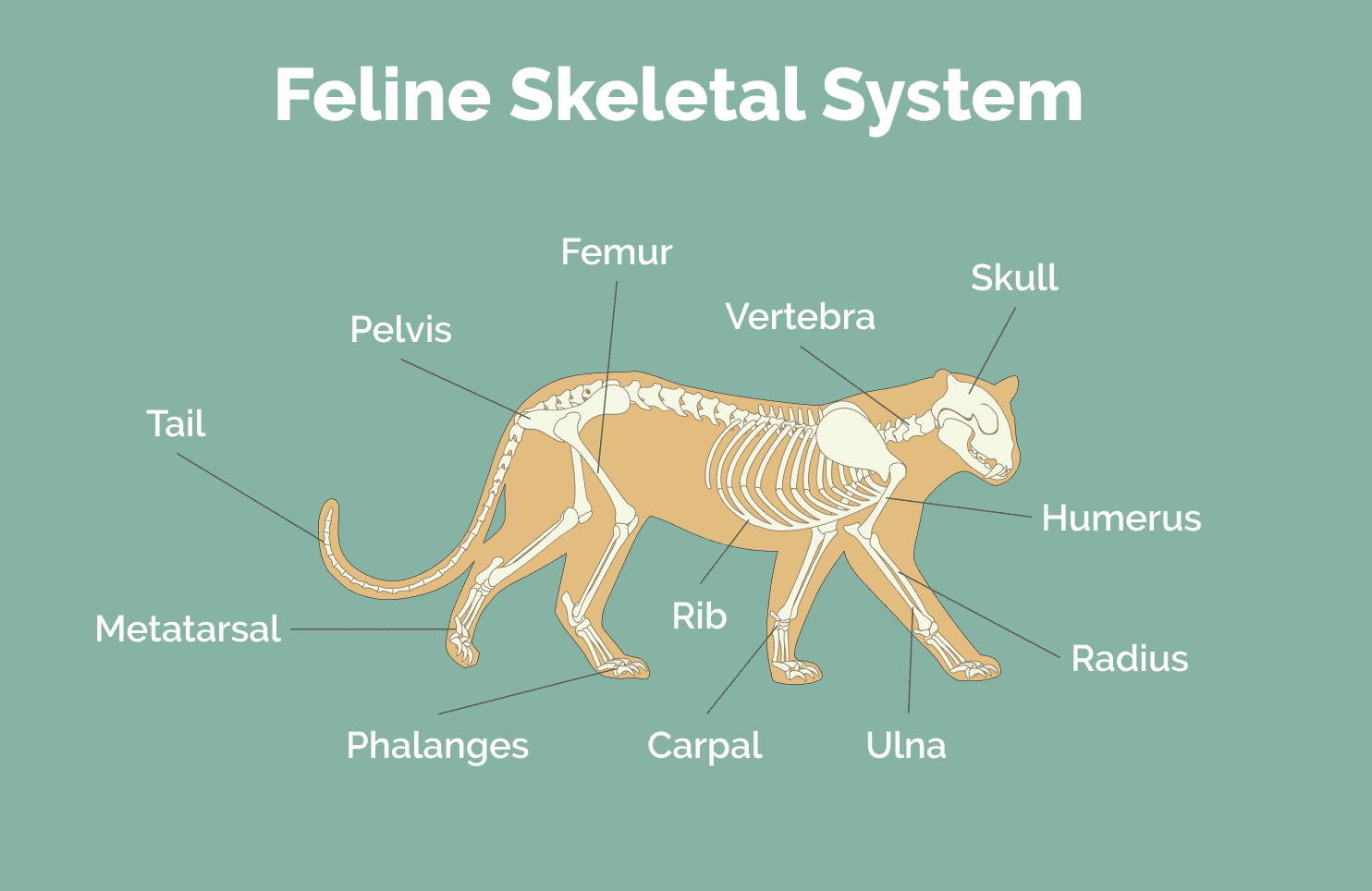
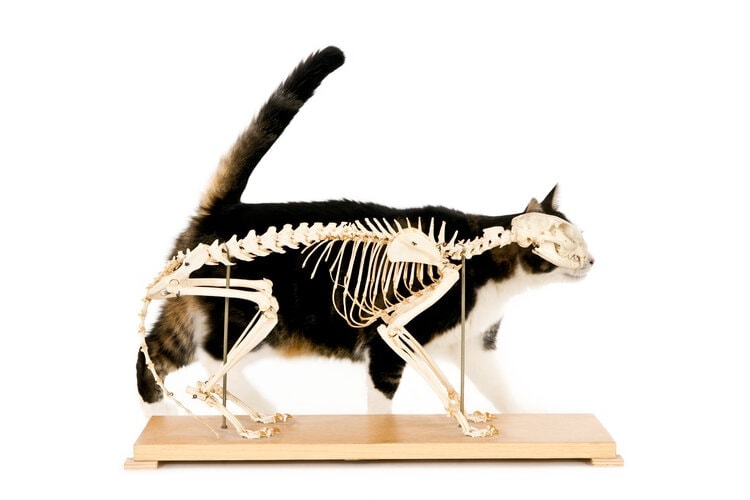
Cats have about 244 bones as compared to the 206 we have as humans. Their skeletons are comprised of five major areas: spine, skull, ribs, forelimbs, and hindlimbs.
Cats have a very flexible backbone with 30 vertebrae held together by elastic discs, which provide shock absorption. This flexibility contributes to their ability to rotate their spine and twist it to a greater extent. Their limber spines also allow them to reach top speed. Moreover, muscles attach a cat's shoulder blade to the rest of its body, allowing the bones much more freedom to move as the cat moves.
A cat’s forelimbs attach to its shoulder via free-floating collar bones. This helps them pass their bodies into any space that can accommodate their heads.
9. Body Systems
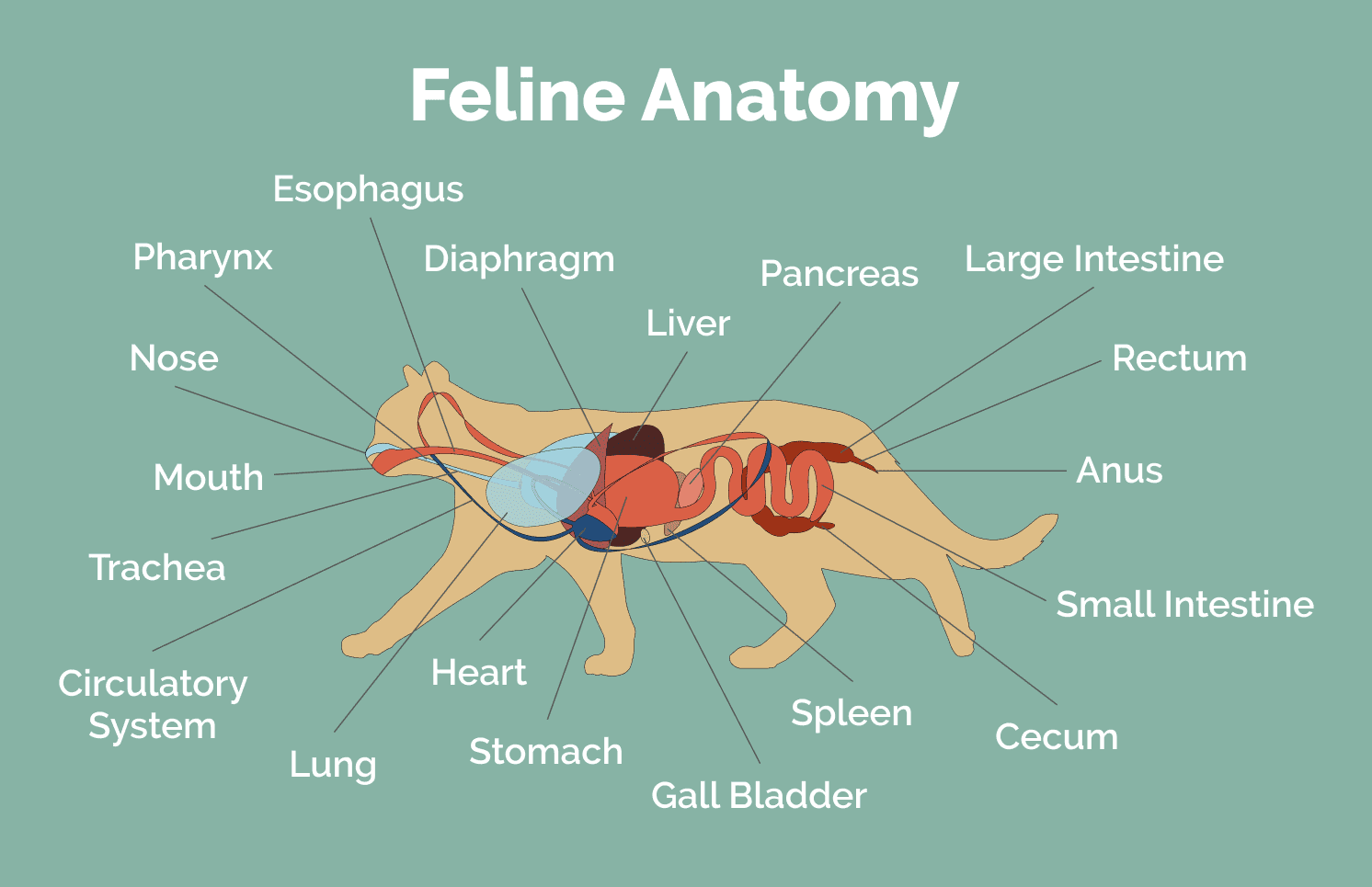
Cats have many of the same body systems and organs as we do. For example, we share comparable respiratory, digestive, musculoskeletal, nervous, and cardiovascular systems, among others.
The respiratory system consists of the nose, mouth, trachea, lungs, and airways. It is responsible for bringing oxygen into the body and removing wastes via carbon dioxide. This body system is also behind temperature regulation (e.g., forcing your cat to pant when it is hot outside).
The digestive system consists of the mouth, teeth, salivary glands, esophagus, stomach, liver, pancreas, and intestines. Its primary role is to process food into a format readily usable by a cat's body.
The musculoskeletal system consists of bones, muscles, tendons, ligaments, and joints. Its main responsibilities include providing support and stability.
The nervous system consists of the brain, spinal cord, and nerves. Its main function is to transmit messages to and from the brain and spinal cord.
The cardiovascular system consists of the heart and blood vessels. It is responsible for pumping blood to every part of the cat's body and circulating oxygen while removing carbon dioxide.
A cat's urogenital system consists of the kidneys, ureter, urethra, reproductive organs, and bladder. It is key in reproduction and urine expulsion.
Final Thoughts
Learning the ins and outs of your cat's anatomy is quite interesting. Now that you know more about every aspect of your cat's body, pay close attention to its everyday movements to appreciate them more. When your cat rubs up on your leg, you know it is doing so to mark you as its territory or show you it loves you. When its ears turn backward at the slightest sound, you know it is because its hearing is finely tuned into the sounds you can't hear.
We hope our blog taught you something interesting about cats you can now share with your feline-loving friends and family.
Featured Image Credit: Kachalkina Veronika, Shutterstock
Get Hepper In Your Inbox


Pet care tips from our vets and experts, straight to your inbox.
You may opt-out at any time. View our Privacy Policy for more information.
Chantelle's life revolves around two passions: writing and animals. Raised on the prairies of Canada amidst a menagerie of pets, she now lives with five cats, two guinea pigs, and a bearded dragon. Together with her husband and child, Chantelle delights in being an exemplary animal parent, going as far as installing wall-mounted cat shelves to give their cats an indoor playground. When she's not cozying up with her cats or snapping their amusing antics, she enjoys venturing into the Rocky Mountains, binge-watching her favorite Netflix shows, and indulging in spontaneous reading adventures.
Join the conversation
Ask a question, share your story, or send private feedback.