Hepper is reader-supported. When you buy via links on our site, we may earn an affiliate commission at no cost to you. Learn more.
How Many Muscles Does a Cat Have? Vet-Reviewed Facts & FAQ



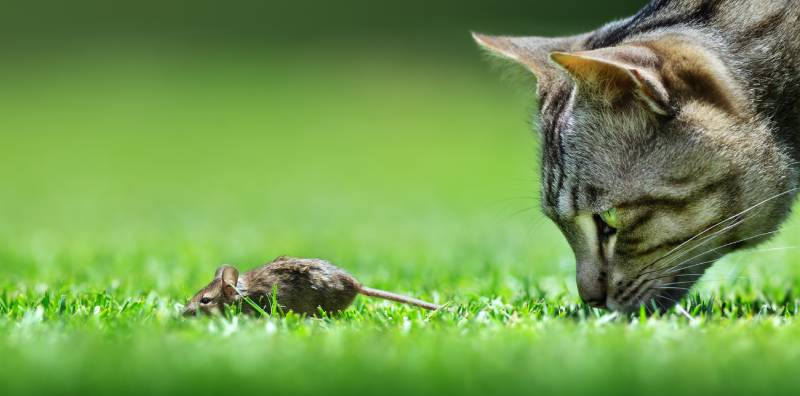
Cats are agile creatures with flexible bodies. These muscles help cats hunt, claw, pounce, and climb. Since they are obligate carnivores, you can imagine how vital protein and amino acids are for their muscle development.
Muscles have a vital function for us mammals. Without them, we wouldn't be able to flex, bend, lift, or move at all. Since they are so powerful, you might wonder just how many muscles a little cat body can contain, and we think you may find the answer surprising! Cats have 517 muscles in their athletic bodies. Read on for details.

A Little About Cat Anatomy
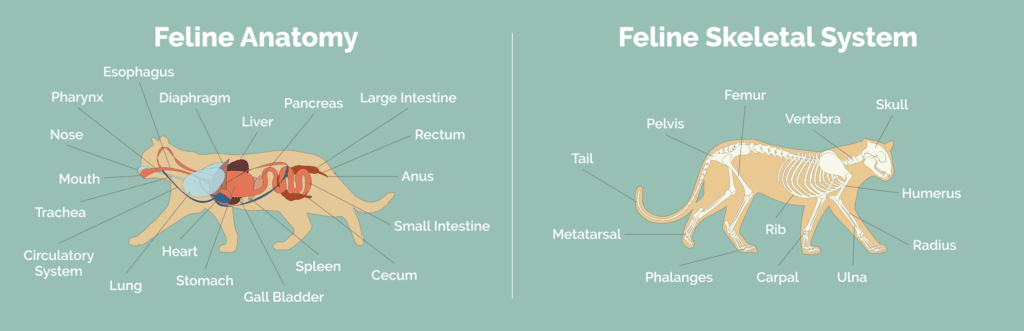
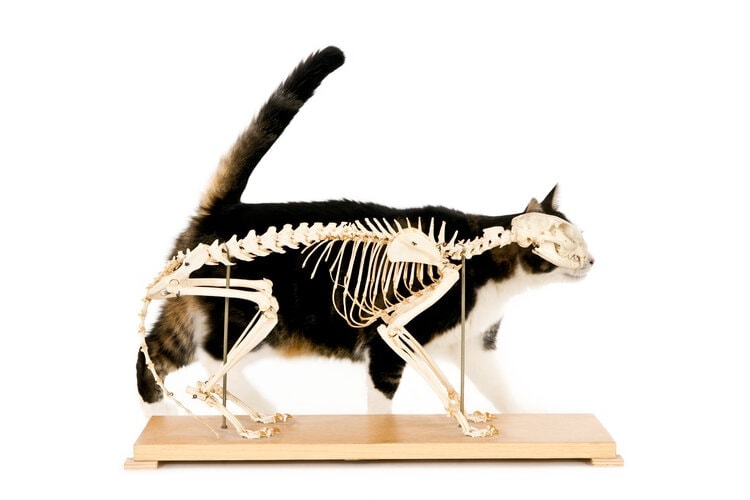
Cats have a skeletal system that connects all of their bones to provide a rigid structure to the body. Bones protect the internal organs to prevent physical damage, house bone marrow, and store calcium. Bones, like cells, replenish themselves in a process called modeling.
Joints exist where the bones meet. Many joints offer your cat a range of motion, allowing them to move as they need to function freely. Some of the joints operate in ball and socket fashion, allowing rotation, while others allow only extension and flexion. However, some joints in the body don’t move at all; they act as a connecting point. Such is the case of the joints between the different bones that compose the skull.
All joints are covered in cartilage. Cartilage is a flexible connective tissue that reduces impact and friction as the bones move in the body to protect them and prevent rubbing.
On the other hand, tendons are connective tissue that acts as an attachment for bones. Tendons are composed of collagen, which is an important protein for the structural components of the body.
Ligaments are similar to tendons, as they are also tough bands of connective tissue in the body. However, ligaments surround the joints to stabilize them and assist the tendons in connecting bones.
There are two main types of muscles in cats: skeletal and smooth. Skeletal muscles aid in movement and posture, while smooth muscles aid in blood flow and digestion. There is a third type of muscle in cats called cardiac, relating to the heart. Together, all these components make up your cat's musculoskeletal system, allowing your cat to maintain body shape, structure, and function.
Cat Muscles
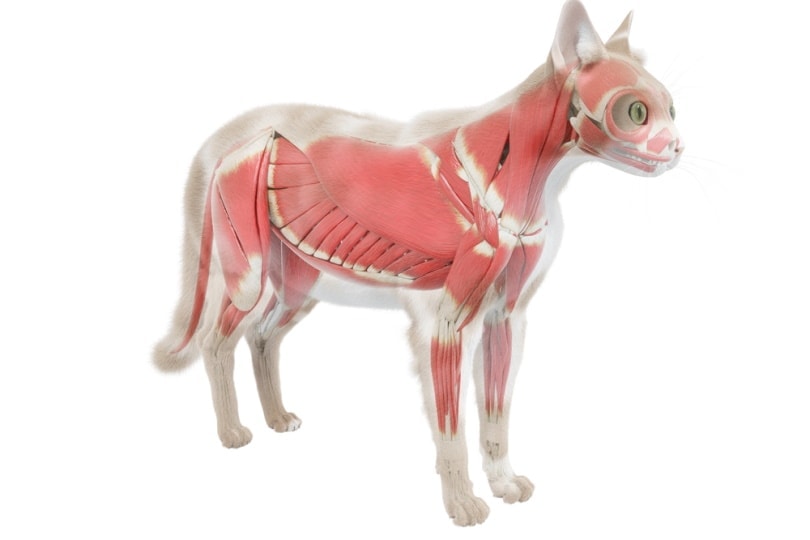
A cat's muscles are essential for its musculoskeletal function. Each individual muscle serves a purpose and helps your cat mobilize. In total, a cat has 517 muscles, which is just a few less than humans. We top out at a little over 600.
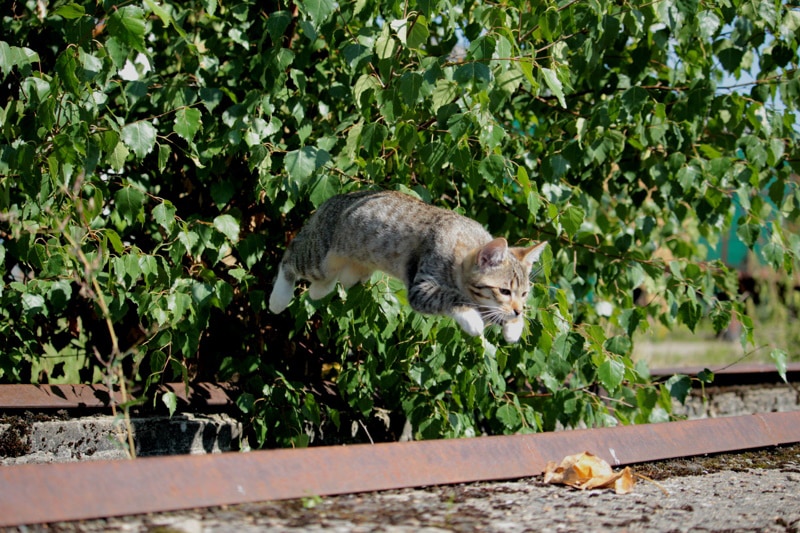
Your cat possesses a highly functional muscular system that makes them agile, swift, and precise in their movements. If you have ever watched a cat move in any quick fashion, you were likely impressed at the precision. Cats are magnificent hunters. Their body structure allows them to stalk quietly, sneak, pounce, and attack. They can also climb trees and other high surfaces to perch and protect themselves in the wild.
The 3 Main Muscle Groups in Cats
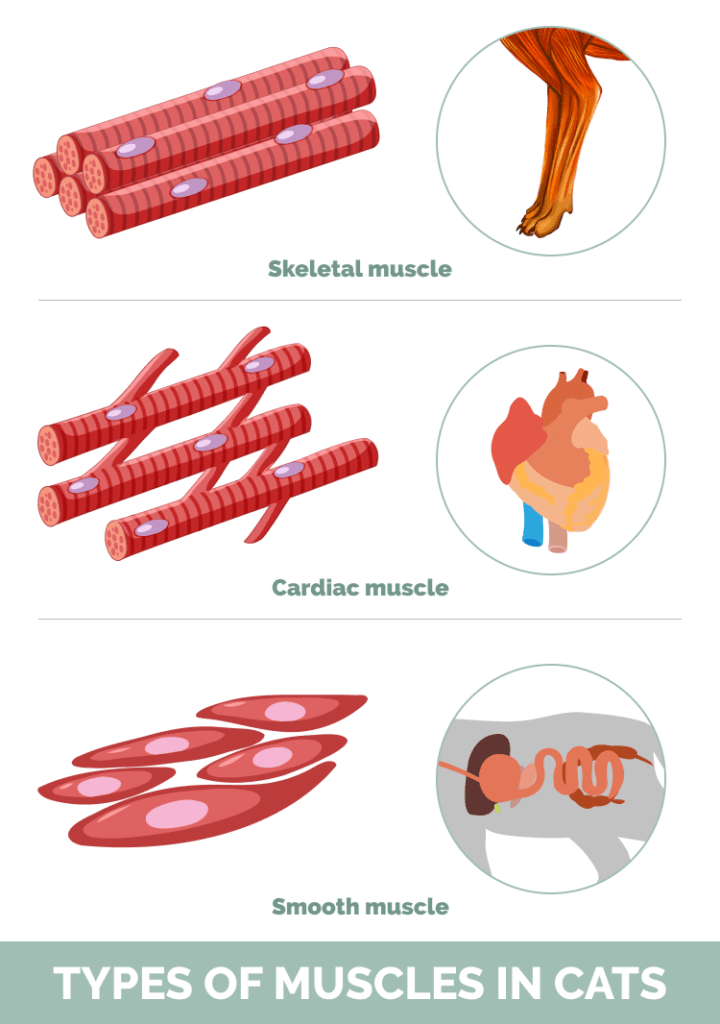
Your cat has muscles throughout its entire body. They account for nearly half the weight of your cat. Here is a little more about the three basic categories of muscles:
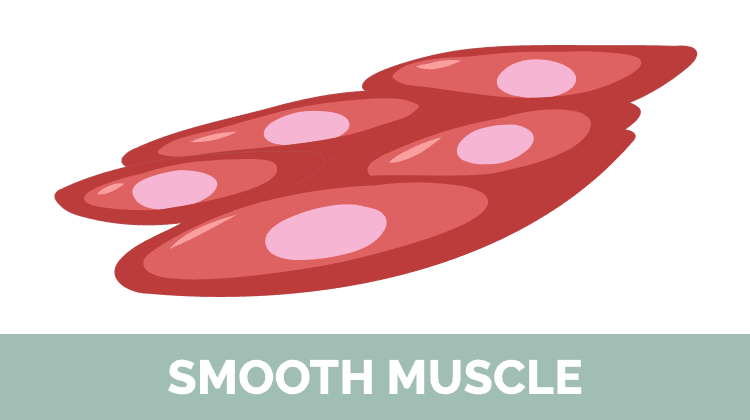
1. Smooth (Non-striated)
Smooth muscles are found in the internal organs. Each one aids in the function of internal organs—specifically the stomach, intestines, and bladder. They assist the digestive process by contracting and relaxing.
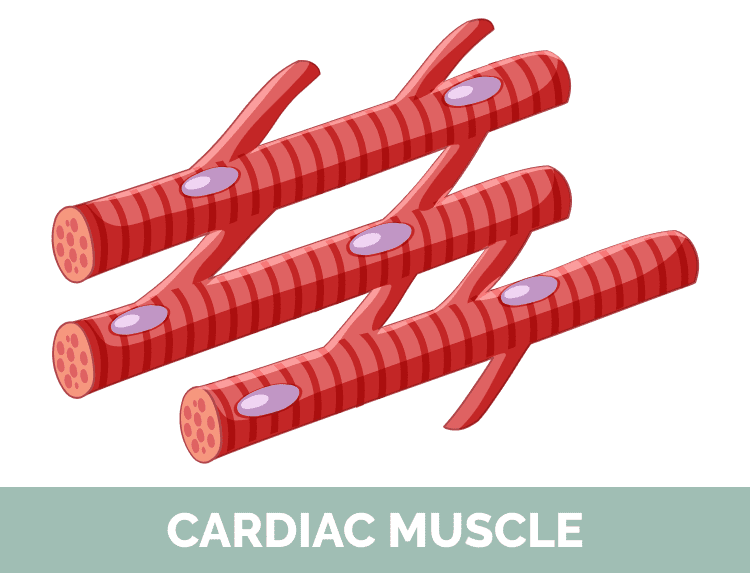
2. Cardiac
Cardiac muscles, as the name might hint, are found in the heart. They are involuntary muscles that are comprised of many cells held together by connective tissue.
3. Voluntary (Striated)
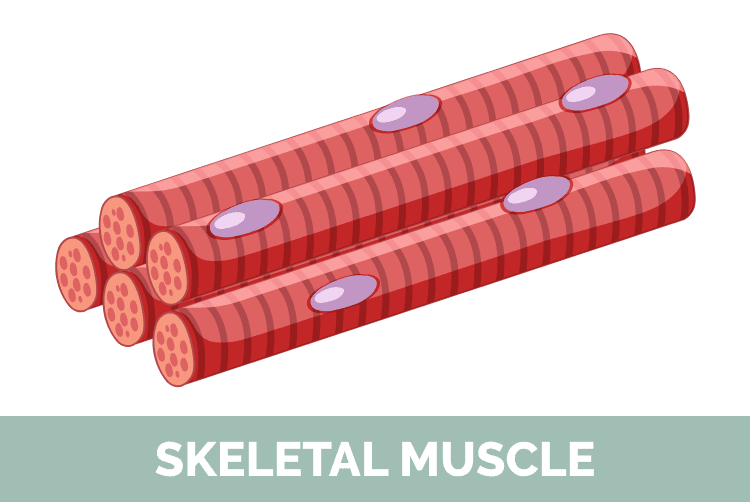
The voluntary, or striated, muscles are known as skeletal muscles. Primarily, they allow your cat to walk, run, eat, and move its tail and eyes.
All these muscles work together to help the entire body function. Each muscle receives nerve impulses, triggering each main purpose. Capillaries, which are the smallest blood vessels in the body, distribute oxygen to the body. This oxygen helps with muscle performance.
Muscles Serve a Function
The muscular system of a cat is quite precise and complex. Each one serves a very important locomotion function that allows a cat to display natural behaviors such as walking, jumping, climbing.
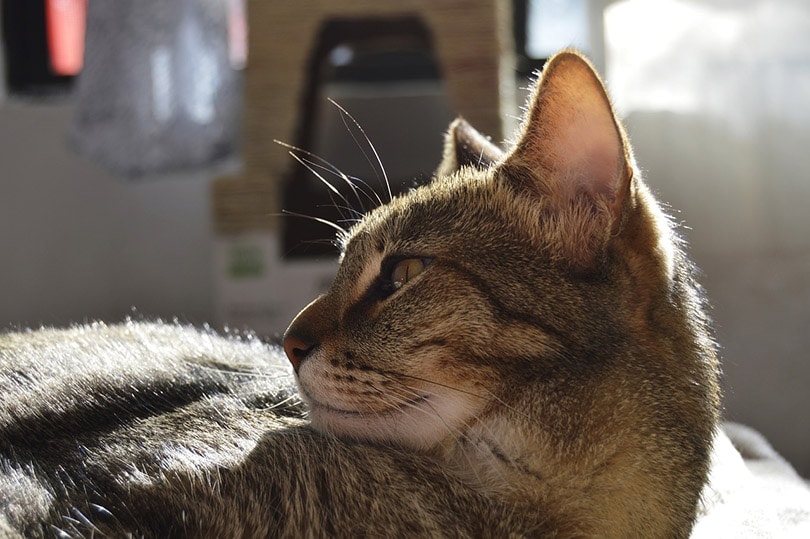
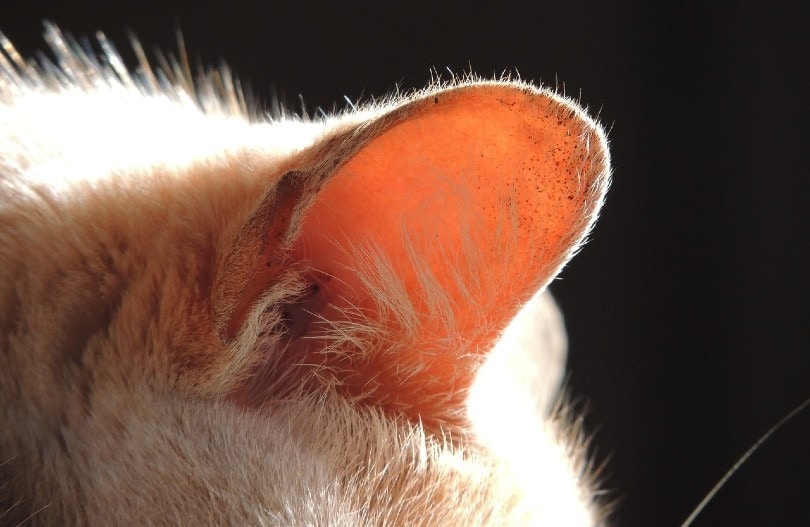
For instance, we humans have only six muscles in our ears, but our beloved feline friends have over 32! They have so many more because they require the ability to swivel their ears to pinpoint the location of a noise. This function helps with both hunting and protecting themselves from predators.
Proper Diet for Optimal Muscle Health
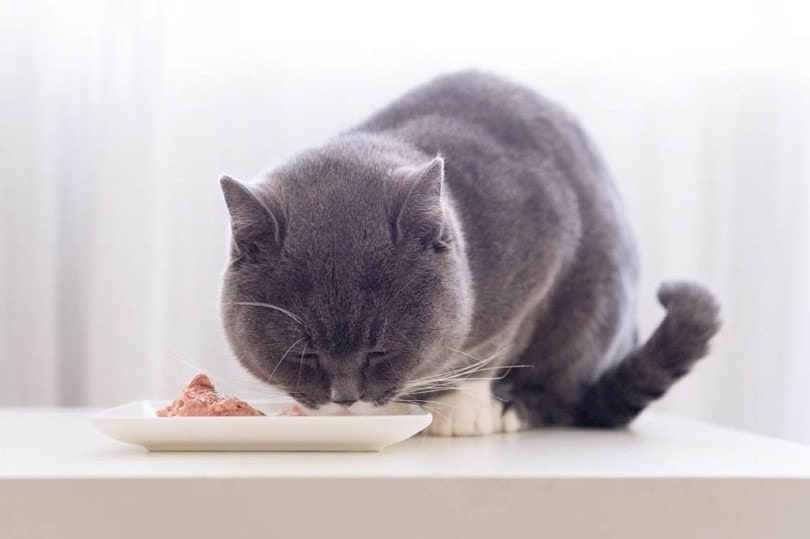
Cats are obligate carnivores that rely on meat protein to survive. Without animal sources, your cat would be completely malnourished and unhealthy. Ultimately, they would not survive. Plant material just doesn’t have what your cat needs to thrive.
You should offer your cat a diet that is rich in the following:
However, the number one most important nutrient for cats is water. It is essential for every single metabolic function in the body, including muscle function. Wild cats receive most of their daily moisture from prey.
Domesticated cats don't get nearly as much moisture as their wild cousins. So, it is crucial that your cat always has a fresh drinking water source.
See also: Do Cats Have Knees And Elbows?
Potential Muscular Issues in Cats
Like any other part of the body, your cat might experience issues with muscle function.
Here are some common health issues that affect the muscular system:
If you suspect a muscular issue in your cat, the best thing you can do is make an appointment with your vet. They will evaluate their symptoms and run appropriate testing to get to the bottom of it.

Final Thoughts
So, now you know that cats have 517 muscles in total. While they have fewer muscles than us, they sure do knock our socks off with ear muscles! Muscle function is incredibly important for cats, as it permits them to be intense and agile hunters.
If you suspect any muscular issues in your cat, it’s best to have them seen to treat any underlying issues.
Featured Image Credit: ddisq, Shutterstock
Get Hepper In Your Inbox


Pet care tips from our vets and experts, straight to your inbox.
You may opt-out at any time. View our Privacy Policy for more information.
Ashley Bates, a freelance writer with a passion for pets, is currently studying animal therapy. She is a mother to four children and 23 pets, both furry and feathery. Ashley actively volunteers at local shelters, advocates for animal welfare, and rescues animals in distress. Her mission is to promote awareness, education, and entertainment about pets to help prevent animal homelessness. She specializes in the care and well-being of dogs and cats.
Join the conversation
Ask a question, share your story, or send private feedback.