Hepper is reader-supported. When you buy via links on our site, we may earn an affiliate commission at no cost to you. Learn more.
My Cat Ate Dog Dewormer: Is It Dangerous? Vet-Approved Risks, Facts & Prevention


In this article
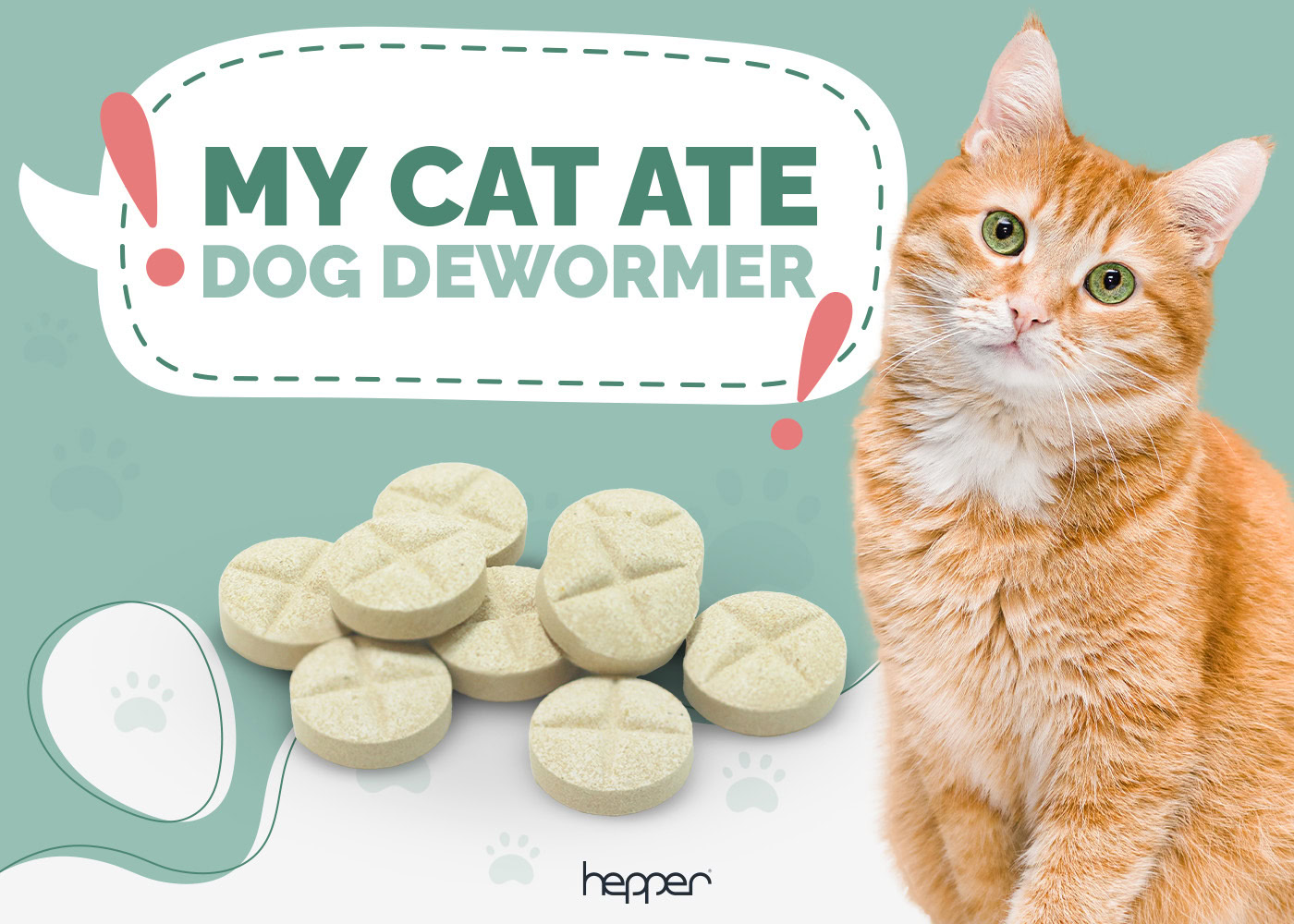
Giving dewormer medication to your kitty regularly is recommended by most veterinarians to help keep them happy and healthy throughout their life, from kittenhood to senior citizenship. However, you need to make sure your cat gets the right type of medication, which means giving your cat medication that is specifically recommended by a veterinarian, and is made for cats.
If your cat accidentally eats dog dewormer, immediately contact your veterinarian and/or the Animal Poison Control Center at (888) 426-4435 for guidance. Certain medications can be extremely dangerous to cats, so getting prompt medical advice is crucial. Here is what else you should know.

Why You Should Never Give Dog Dewormer to Your Cat
While many dog and cat dewormers share the same active ingredients, these are portioned out to meet species-specific requirements. Dewormer medications are dosed by weight, and cats are almost always lighter than even the smallest of dogs. Cats are also deficient in the main enzyme that breaks down many medications, therefore they are far more susceptible to overdoses from even very small amounts of medications. When a product is made for a cat, this is taken into consideration, and the dosing adjusted accordingly. However, if a cat eats a medication meant for a different species, this difference has not been accounted for.
Therefore, there is a high possibility of overdose if your cat eats dog dewormer. It is also important to note that many dog medications that can be confused with dewormers, such as combination flea and worm treatments, contain products that can be downright toxic for cats.

Side Effects of a Dewormer Overdose
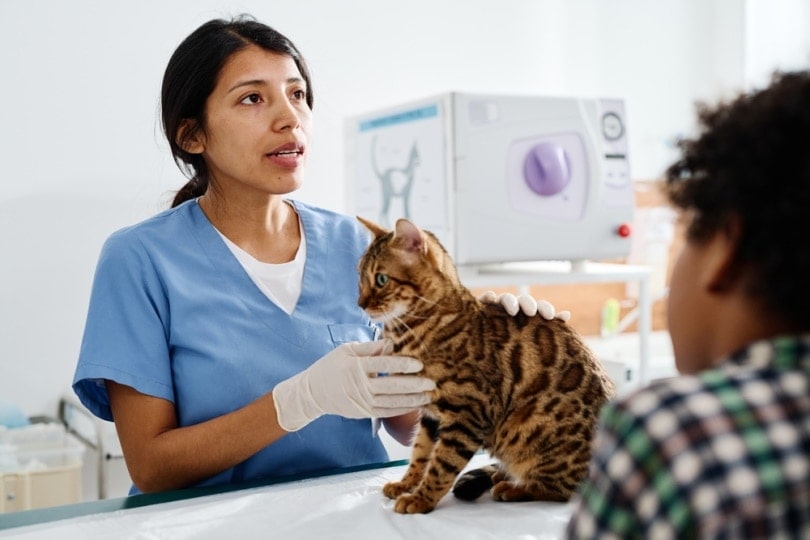
If you see your cat eat a dewormer that wasn’t meant for them, call your veterinarian or a poison control hotline immediately. Don’t wait for side effects to show up first.
Have on hand the following information:
They may advise you to bring your cat in for treatment, or to continue to monitor for clinical signs to occur. It is important to know that on occasions, side effects can even develop when the proper dosage is given, though this is rare.
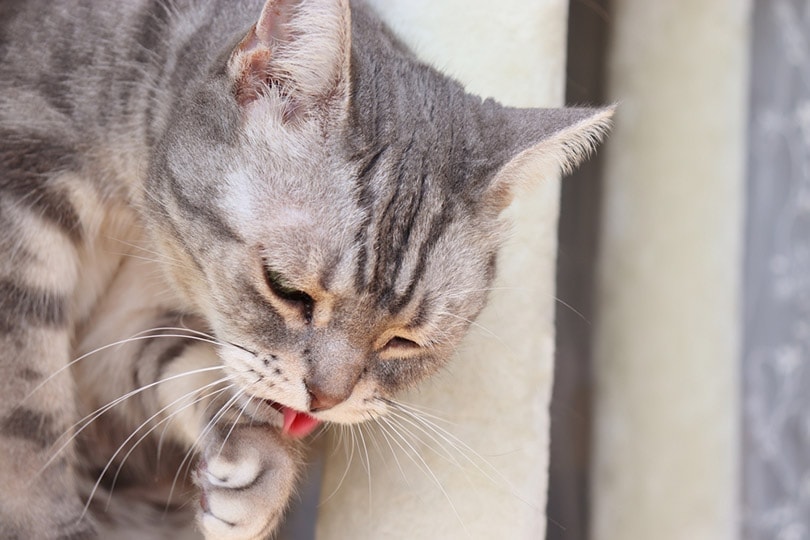
The following can be some of the potential side effects from deworming medications:
Types of Deworming Medications
Deworming medications for both cats and dogs can be purchased over the counter without a prescription, or alternatively prescribed by a veterinarian. Over the counter medications tend to treat fewer parasites, and often use older generations of active ingredients. On the other hand, medications prescribed by a vet often contain multiple medications, and therefore treat a wider variety of worms and parasites. If your cat eats a combination dewormer, it is important to report all of the active ingredients in the product, as some may be more toxic than others.


How To Properly Deworm Your Kitty
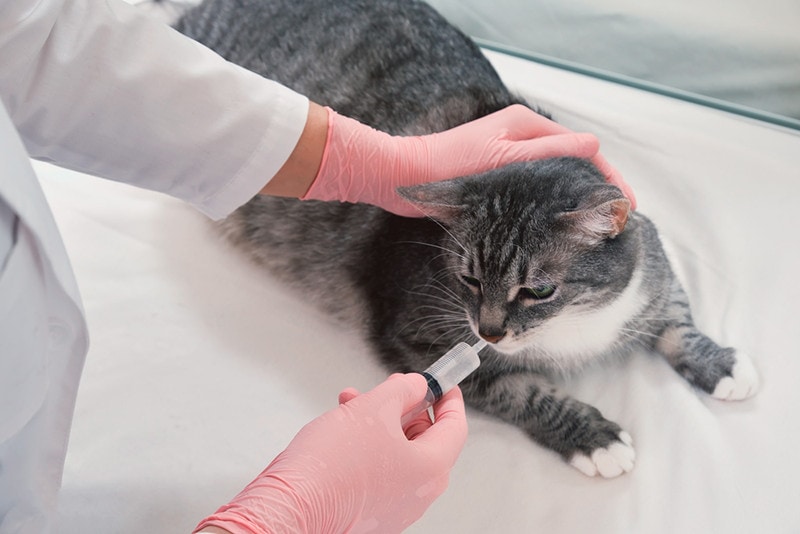
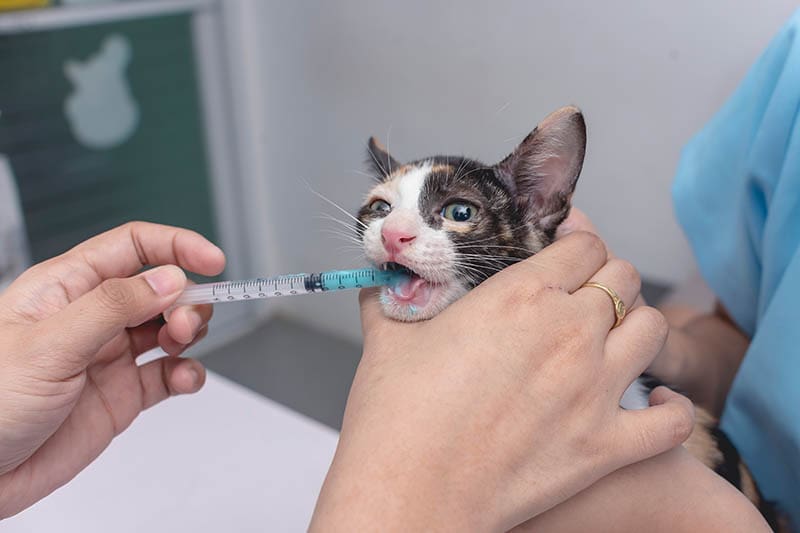
Cats should be dewormed based on a schedule that your veterinarian prescribes, which will vary depending on their lifestyle, hunting activity, and other risk factors. Kittens generally need more frequent deworming treatments than adult cats. Tablets are one of the more common forms of dewormers for cats, and tips for giving this type of medication can be found with International Cat Care. For those struggling with pills, topical (also called spot-on medications) exist, and can be discussed with your veterinarian.
Don’t give any deworming medication to a cat that is actively unwell without first getting guidance from your veterinarian. Routine deworming medications are meant for healthy cats, and complications can arise if given when they are sick.
Summary
Deworming treatments for cats are an effective medication that can help keep your cat happy and healthy throughout their lifetime. However, it is important to make sure they get the right dosage at the right time, which your veterinarian can help you work out. If you know or even suspect that your kitty has eaten dog dewormer, get professional help immediately. And, always keep an eye out for side effects even when your cat does consume the proper amount of cat deworming medication.
Get Hepper In Your Inbox


Pet care tips from our vets and experts, straight to your inbox.
You may opt-out at any time. View our Privacy Policy for more information.
Rachael has been a freelance writer since 2000, in which time she has had an opportunity to research and write about many different topics while working to master the art of fusing high-quality content with effective content marketing strategies. She lives off the grid in Hawaii with her husband, her garden, and her rescue animals including 5 dogs, a cat, a goat, and dozens of chickens. She is an artist at heart and loves to read, paint, and make jewelry in her spare time. As a vegan, Rachael is obsessed with helping animals in need both in her community and anywhere in the world where she feels she can make a difference. Animals also happen to be her favorite topic to write about!
Join the conversation
Ask a question, share your story, or send private feedback.