Hepper is reader-supported. When you buy via links on our site, we may earn an affiliate commission at no cost to you. Learn more.
How Do Indoor & Outdoor Cats Get Worms? Vet-Reviewed Ways



Worms are a common issue for both indoor and outdoor cats. Worms are usually transferred when a cat comes in contact with food, soil, or feces that contain worms. Outdoor cats are more susceptible to getting worms. However, indoor cats are still at risk, as small insects, including flies and fleas, can be hosts to smaller parasitic worms. So, it’s important for all cat owners to be well-informed about these types of parasites and know how to protect their cats from them.

How Outdoor Cats Get Worms
Worms can get transferred to cats in a variety of ways. One of the most common ways that cats get worms is through fecal matter. Worm eggs can infect feces, and some eggs can survive for years. If a cat comes in contact with infected feces, they’re at higher risk of ingesting worm eggs. Cats are self-groomers, so it’s easy for them to lick and ingest worm eggs accidentally as they clean themselves.
It’s also worth noting that since worm eggs are very hardy and resilient, they can survive if they’re left in the soil. So, if an outdoor cat steps on an infected pat
Cats can also get worms if they come in contact with or ingest another animal that’s already a host to these parasites. Dogs, rodents, and certain insects can carry parasites that are transferable to cats.

How Indoor Cats Can Get Worms
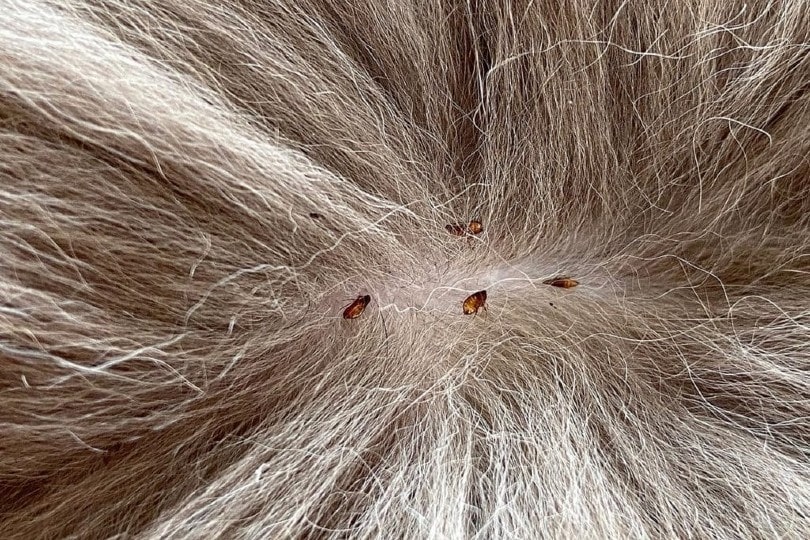
Your indoor cat can still get worms even if they never step foot outside. One way that indoor cats can get worms is through insects that enter the home. For example, houseflies can be hosts of a variety of parasites. So, if your cat likes to stalk and eat insects, there’s a reasonable chance that they can end up with a parasitic infection. Houseplant soil can also be contaminated with various parasites.
Your outdoor gear can also transfer worms to cats. If you walk through an infected area, worm eggs can attach to your shoes. Once you step into the home, your cat can end up getting worms if they come in contact with your shoes. Many cats like to greet their owners when they come home and weave around their legs. So, it’s not so far-fetched to think that your cat can get worms in this way, although it may be less likely than them ingesting an insect that carries worms.
Lastly, multi-pet homes put cats at higher risk of getting worms. If you and your dog go on regular walks together, it’s possible for your dog to transfer worm eggs and other parasites to your cat. And since worm eggs are passed through feces, worm infestations can spread quickly in multi-cat homes since most cats will share litter boxes.
How Often Cats Should Get Checked for Worms
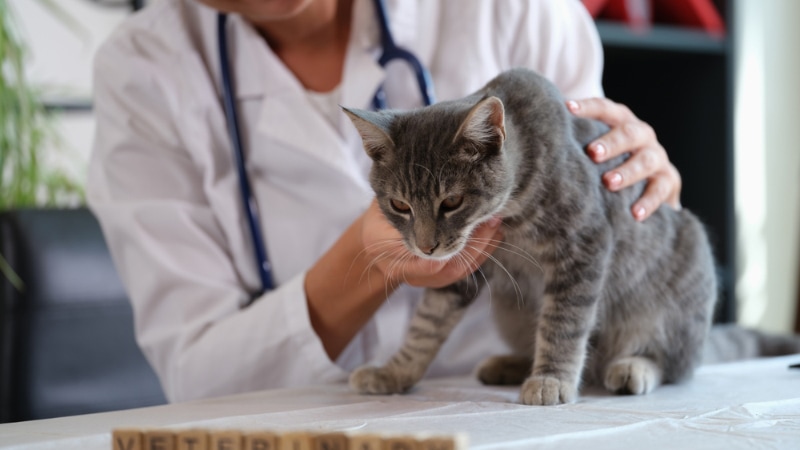
Most veterinarians recommend getting your cat checked or treated for worms about at least annually, or more, depending on their lifestyle. Fecal floatation tests are the most common way to check your cat for worms. They can check for a variety of worms, including hookworms, roundworms, and tapeworms. They can also detect other parasites like Giardia and Coccidia. A fecal floatation test requires a stool sample, and the most accurate stool sample will be a sample that hasn’t been sitting in the litter box for too long. So, it’s best to collect a sample as soon as your cat relieves themselves.
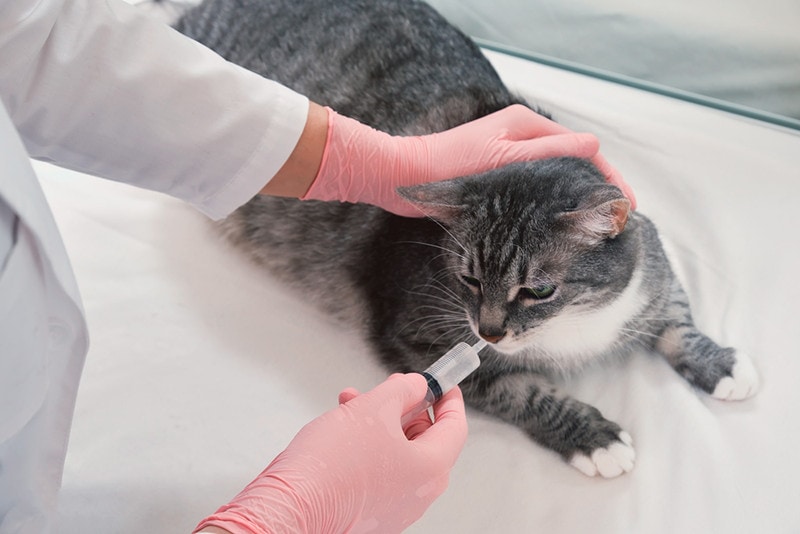
Your veterinarian will recommend varying deworming schedules depending on your cat’s specific situation. Outdoor cats usually require more frequent deworming than indoor cats. If you live in an area with higher risks of flea infestations or other parasitic infestations, your veterinarian may recommend a more rigorous deworming schedule, especially during peak infestation seasons.
Veterinarians also recommend specific deworming schedules for young kittens. Speak to your vet to learn the specifics that your kitten will need.
Conclusion
Both indoor and outdoor cats are susceptible to getting worms. So, it’s important to have your cat checked for worms at least once a year. Make sure also to have a discussion with your veterinarian to find an appropriate deworming schedule for your cat. Taking these preventative measures is an easy and low-cost way to protect your cat from a serious worm infestation.
See also: Warbles (Wolf Worm) in Cats
Sources
Featured Image Credit: Jumpstory
Get Hepper In Your Inbox


Pet care tips from our vets and experts, straight to your inbox.
You may opt-out at any time. View our Privacy Policy for more information.
Jessica is a freelance writer who spends most of her day reading and writing while her fluffy Cavapoo, Nora, naps beside her. She loves and appreciates pets and animals because there’s so much to learn from them, and they do so much for people. As a dog mom, she understands the special relationship that pet parents have with their pets. So, she loves sharing helpful information that people can use to better understand their pets. When she’s not writing, you can find her walking dogs, tending to her plant babies, or drinking her nth cup of coffee.
Join the conversation
Ask a question, share your story, or send private feedback.