Hepper is reader-supported. When you buy via links on our site, we may earn an affiliate commission at no cost to you. Learn more.
How Long Will a Cat Have Diarrhea After Deworming? Vet Approved Advice


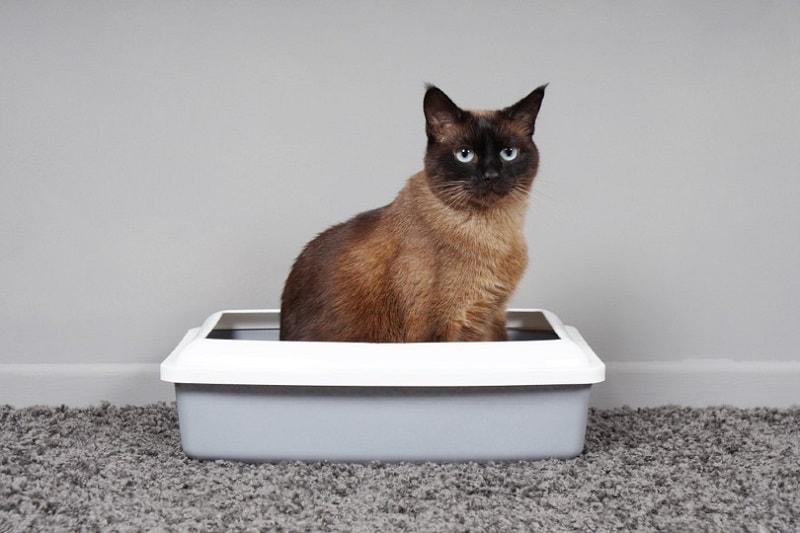
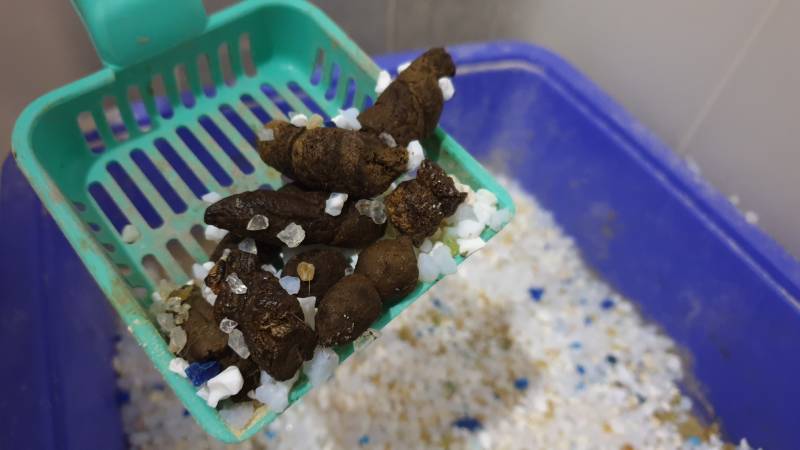
Cats can have diarrhea after deworming for 2–3 days. You may also see some blood and worms in their stool during this time. If the diarrhea lasts for longer than 3 days, you may want to contact your vet. Often, this isn’t any reason to be concerned, but your vet may want to check your cat out for potential complications.
Often, the diarrhea is mild and doesn’t cause dehydration. It shouldn’t occur profusely or continuously. If it does, contact your vet. You should provide your cat with fresh water continuously to prevent potential dehydration and other adverse health effects. Your vet will likely inform you how much water your feline should be drinking.
Some cats may have more adverse health effects from the deworming medication. Often, these are the exact cats that need deworming the most. Speak to your vet if you’re concerned about your cat’s potential signs.

Why Should You Deworm Your Cat?
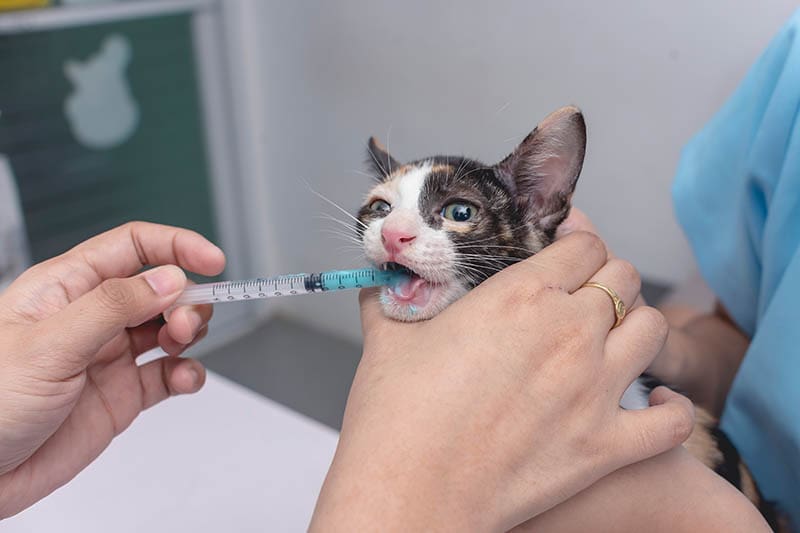
While cats may have some minor side effects from the deworming medication, many vets still recommend deworming your cat regularly. Worms in your cat’s intestines can cause all sorts of different problems. Deworming removes these intestinal parasites from your cat’s system, preventing potential complications in the future.
For instance, worms may lead to heart disease or anemia. Removing them reduces this possibility. It can also prevent your other pets from being infected with worms. Many worms can cross over to people, including children. Therefore, it’s vital that you remove worms from your home, especially if you have children.
Worms may affect a cat’s overall health. Getting rid of them can increase your cat’s quality of life and longevity. It may help with certain chronic diseases, as well. Kittens need to be dewormed to help with proper development. Their development may be hampered by worms that consume their nutrients. Worms may also affect your cat’s immune system, making them more likely to catch infections and other problems.
Therefore, deworming your cat has many benefits—even if doing so causes a few side effects.
How Do Cats Get Worms?
You may be wondering how cats get worms in the first place. Sometimes, cats don’t need deworming. However, more cats need to be dewormed than you may think.
Cats can become contaminated after eating contaminated food, such as milk, water, or even commercial cat food. You’d be surprised by the number of cat food brands that have worms in them. Therefore, even if your cat only consumes commercial food, you shouldn’t assume they don’t have worms.
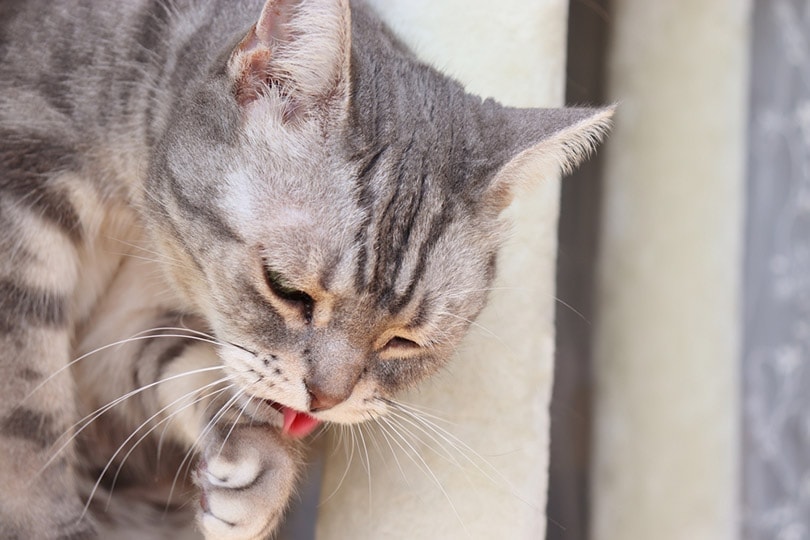
Coming into contact with soil can lead to worms. It does not take much for your cat to become infected. Your feline may like their paw after stepping on soil and accidentally consuming parasites. A pregnant cat can also transmit worms to their unborn kittens. Therefore, many felines are treated for worms as kittens.
What Are The Signs That Your Cat Needs Deworming?
Your cat may not have any signs of worms. It isn’t odd for cats to not have any symptoms from worms. You may not even know that they have them until your feline is dewormed. However, there are some signs that cats may exhibit.
Often, these aren’t very serious. Most are benign and may not even be noticed until someone (like your vet) points them out. These symptoms include:

How Long Does Deworming Take?
Deworming can take up to a few weeks after consuming the medication. It depends on how long your feline has been infected, as well as the extent of the infection.
The type of worm also matters. Roundworms often take longer to be removed from your cat’s system, for instance. It can take a while to remove roundworms if your cat hasn’t been previously dewormed, as well. If your cat has many worms, they’ll likely need at least two rounds of deworming. Therefore, you should expect your feline to need at least two rounds of deworming medication (and therefore two rounds of diarrhea) if they haven’t been previously dewormed.
What Are the Side Effects of Deworming a Cat?
If you’re reading this article, you’ll probably know that your feline will have diarrhea after taking deworming medication. However, there are other side effects that can occur, too. Most of these aren’t serious and clear up by themselves in a few days.
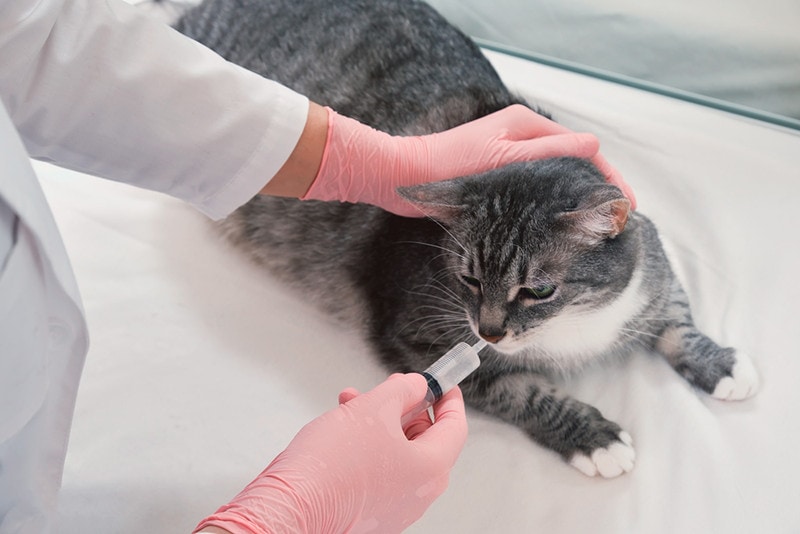
Some cats may vomit right after consuming the deworming medication. However, your cat needs to be monitored if they vomit within an hour after consuming the medication. Sometimes, they may need more medication after vomiting up the first dose.
Excessive vomiting can cause dehydration. However, this isn’t often serious with deworming medication.
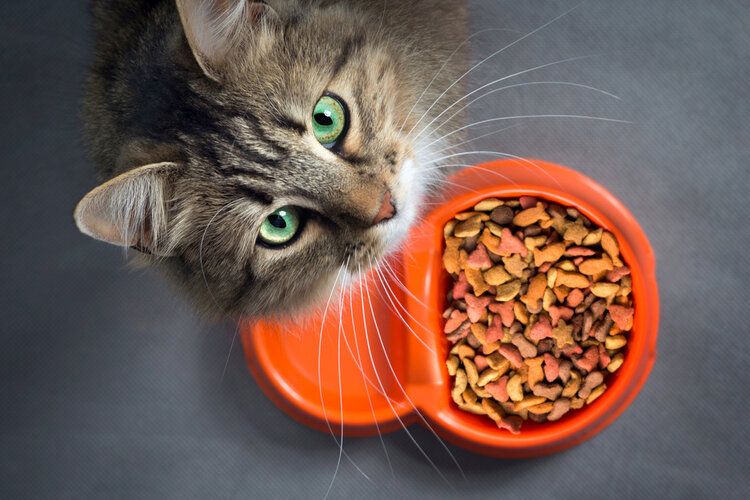
Often, cats may have a loss of appetite after deworming. Taking the medication and going to the vet are often difficult to begin with for cats. However, when you add the medication on top of the anxiety, many cats quit eating. Often, this clears up within a day or so. It isn’t anything to call the vet about unless your cat goes a couple of days without eating anything.
Cats can survive quite a while without food as long as they are provided with fresh water.
Increased salivation may also occur, which can bring on worse dehydration in some cases. Of course, always provide your feline with extra water after deworming to help prevent dehydration.
How Long After Deworming Will My Cat Feel Better?
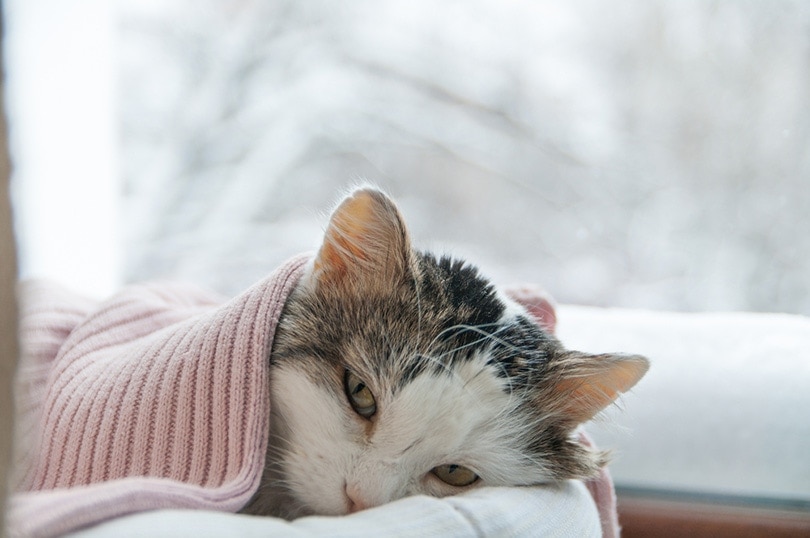
Practically all side effects will clear up after 3 days. Some cats may have slight side effects on the 4th day, or they may just be anxious for a bit, leading to more hiding and appetite loss. Often, as long as your cat isn’t getting dehydrated, there is no reason to contact the vet.
The effects of the dewormer only last for a few weeks. However, the side effects are typically gone much faster.
Conclusion
Cats often have diarrhea after being dewormed. However, these problems should only last for a few days or so. If your cat has more diarrhea after the first few days, you may want to contact your vet. While this isn’t always a sign of something negative, it can be. Some cats may have worse side effects than others to deworming medication. Often, these effects aren’t serious and don’t require veterinary care.
One of the most important things to remember is that your feline needs constant fresh water. Otherwise, your feline may risk dehydration. Therefore, we highly recommend constantly providing extra water for the few weeks after deworming.
Sources
Featured Image Credit: Pressmaster, Shutterstock
Get Hepper In Your Inbox


Pet care tips from our vets and experts, straight to your inbox.
You may opt-out at any time. View our Privacy Policy for more information.
Kristin is passionate about helping pet parents create a fulfilling life with their pets by informing them on the latest scientific research and helping them choose the best products for their pets. She currently resides in Tennessee with four dogs, three cats, two fish, and a lizard, though she has dreams of owning chickens one-day!
Join the conversation
Ask a question, share your story, or send private feedback.