Hepper is reader-supported. When you buy via links on our site, we may earn an affiliate commission at no cost to you. Learn more.
Cat Hormones & How They Relate to Behavior (Vet Answer)
In this article
If you’re feeling hormonal, what exactly does that mean? Too many hormones? Too little? How about cats? Do they have hormones? Can they affect how they feel, or is that a human thing? What even is a hormone, and how are they produced?
Cats do indeed have lots and lots of hormones, just like us, so read on to learn all about them and how they can affect their behaviors too.

The Endocrine System Produces Hormones
The first step in understanding a cat’s hormones is knowing how they’re made. The endocrine system is a collection of glands and organs that produce hormones. In cats, the endocrine system is mostly made up of the pituitary gland, thyroid gland, parathyroid glands, pancreas, adrenal glands, ovaries (female cats), and testes (male cats).
What Are Hormones?
So, the endocrine system produces hormones from endocrine tissue in the form of glands or organs around the body, but what are hormones? Hormones are either steroids or proteins, and they work as chemical messengers to different systems in the body. The endocrine system will produce a hormone that tells that tissue or another part of the body when to do something, to what level, and when to stop.
For example, insulin is a hormone produced by the pancreas. Insulin tells cells around the body when to take sugar from the blood to use for energy, and the body controls its release through a feedback system that monitors the sugar levels of the blood, so they won’t rise too high or fall too low.
Important Hormones in Cats
While there are many hormones circulating within a cat’s body, some are most important for daily functions and common disorders. Some of these would be insulin and T4 (thyroxine), the two hormones associated with the two most common endocrine disorders in cats.
Others are related to the daily behaviors of cats. Examples of these would be

How Do These Hormones Affect Behavior in Cats
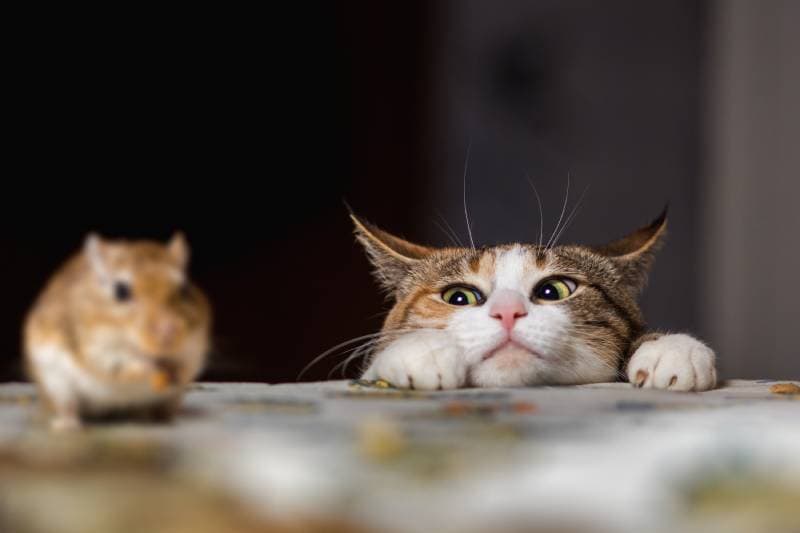
Cats are predators, but they’re also little. They rely on very sensitive feedback from their stress hormones to help keep them safe and choose to fight or run at the right moments.
A recent study also indicates that cats, which are usually relatively solitary animals, as domesticated cats, are now living in higher density with other cats than is typically seen in other cat species and their ancestors. Adaptations to their levels of oxytocin, cortisol, and testosterone seem to inform how well a domesticated cat can play nice with others. Cats with higher cortisol and testosterone levels were more solitary, while those with higher oxytocin were more social, though even more important than oxytocin levels was the gut microbe composition of those cats.
For any one behavior, there’s a fine-tuned network of several hormones usually working in sync to support it. It makes things a little complicated but also pretty cool to see it all come together.
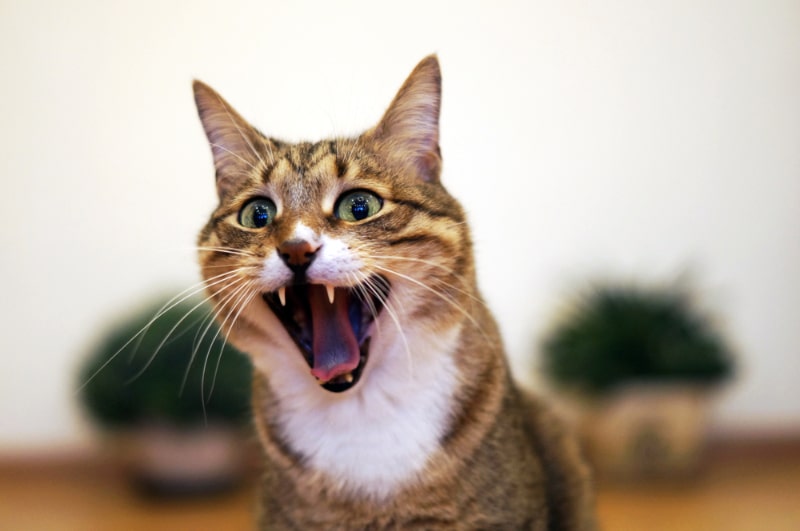
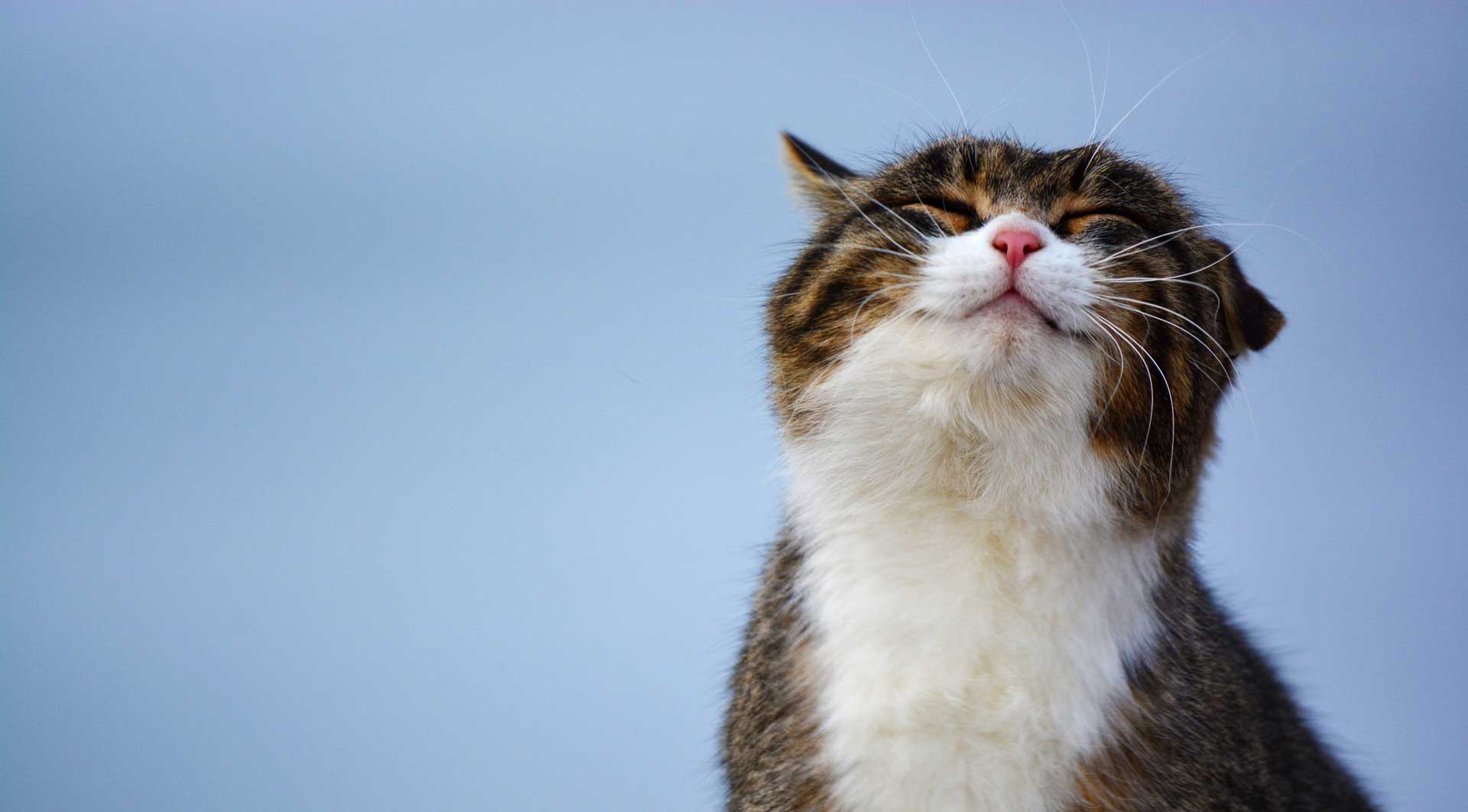
Only relevant for intact female cats, but if you’ve ever had an in-heat female cat in your house, you’ll have a painfully good idea of just how strongly a shift in a cat’s hormone levels can change their behavior. A cat who might otherwise never make a peep and never like being touched can suddenly be screaming all hours of the night and insistent about being touched, lasting for several days. The hormone responsible for this drastic behavior change is estrogen, the main reproductive hormone of female cats.
FAQ
What are common behavioral problems associated with cats, & are hormones responsible?
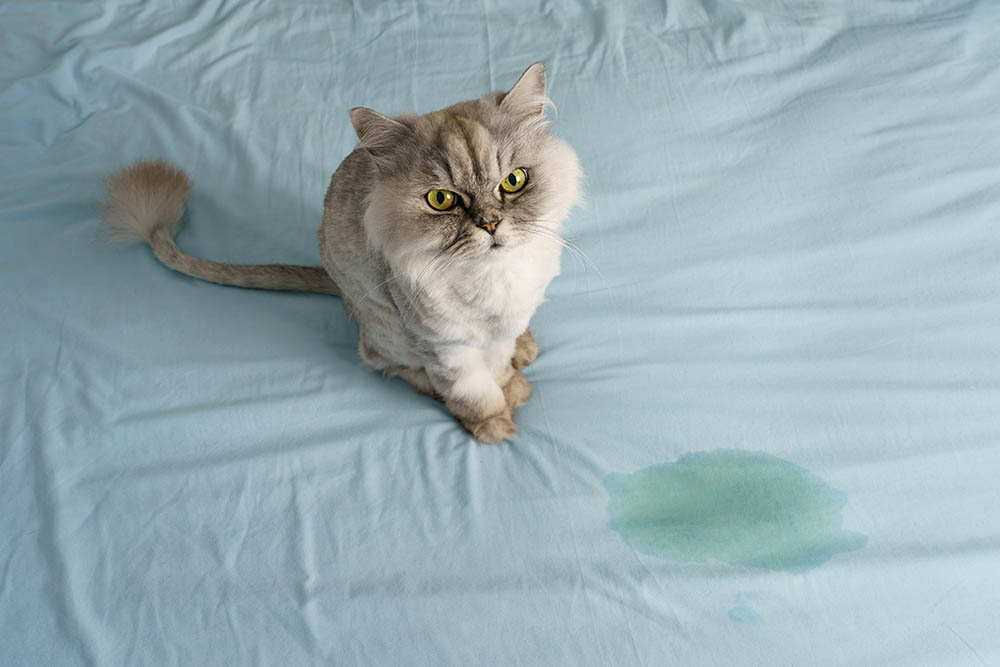
What we call inappropriate urination, meaning urinating outside the litter box, increased aggression, and scratching of furniture, are some of the more commonly reported behavior concerns of cat owners. High cortisol and adrenaline levels can contribute to all these issues, though these aren’t all primarily behavioral issues sometimes. It’s always best to bring your cat to a vet to rule out any underlying medical conditions first before assuming a new issue is behavioral.
How do you calm a hormonal cat?
Hormone imbalances are usually uncomfortable, so giving your cat an outlet for their attention with play or food and making their space more comfortable with personal areas and heating pads, beds, nests, etc. can help. There are pheromone products for cats that aim to lower stress levels and improve stress-related behaviors.
What are the signs of behavioral problems in cats?
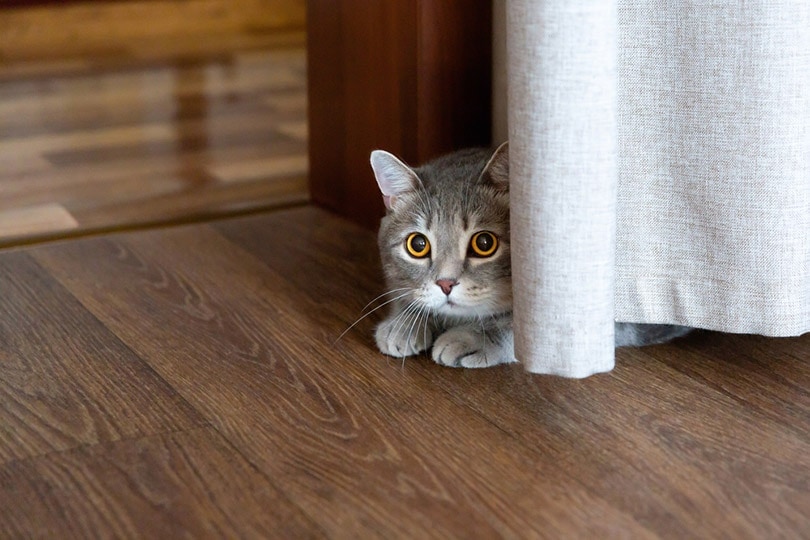
Excessive vocalizations, especially howling, changes in the desire to be handled or how they like to be handled, excessive grooming, inappropriate urination or defecation, aggression towards owners or housemates, and hiding are all common signs of behavioral problems in cats.
Conclusion
There are lots of hormones that may affect a cat’s behavior, and usually, more than one hormone is responsible for any given behavior since their body relies on a feedback system between them to function properly. While underlying medical issues should be ruled out before assuming a cat has a behavioral issue, medical conditions can also be directly responsible for hormonal imbalances, such as hyperthyroidism or diabetes. If you need help trying to figure out what might be going on with your cat’s hormones, the best place to start is with their veterinarian.
Featured Image Credit: Depositphotos
Get Hepper In Your Inbox


Pet care tips from our vets and experts, straight to your inbox.
You may opt-out at any time. View our Privacy Policy for more information.
Dr. Zayas has a passion for sharing her extensive knowledge base with everyone she can. She lives in Colorado with her dogs, cat, and fish and has traveled all over the world with them. Her various life and work experiences have allowed her to focus on not only clinical practice, but also providing informative, accurate answers to almost any question her clients and readers can ask of her.
Education
Dr. Zayas received her Bachelor’s degree from Bryn Mawr College and her Doctor of Veterinary Medicine degree from Ross University School of Veterinary Medicine.
Experience
Dr. Zayas owns a house call small animal and exotics veterinary practice. She has special interests in allergies, pain management, end of life/hospice care, and finding unique solutions tailored to her patients’ and families’ individual needs. She has worked in shelter medicine, home health, and everything in between.
Join the conversation
Ask a question, share your story, or send private feedback.