Hepper is reader-supported. When you buy via links on our site, we may earn an affiliate commission at no cost to you. Learn more.
Cinnamon Ferret: Info, Care, Pictures, Habitat & Traits

In this article
You aren't alone if you’ve never heard of the Cinnamon Ferret. These adorable and unique ferrets have one of the rarest colors. Beyond their stunning appearance and rarity, the Cinnamon Ferret is an excellent companion. To learn more about the Cinnamon Ferret, take a look at the information below.
Breed Overview
| Size: | 18–24 inches |
| Weight: | 1–3.5 pounds |
| Lifespan: | 7–10 years |
| Similar Breeds: | Standard Ferrets and Angora Ferrets |
| Suitable for: | Close-knit families, families with older children |
| Temperament: | Spunky, energetic, and curious |
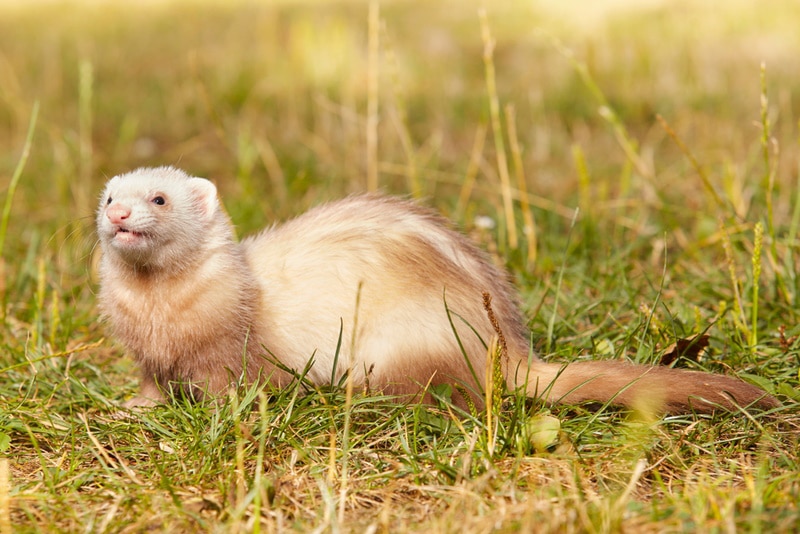
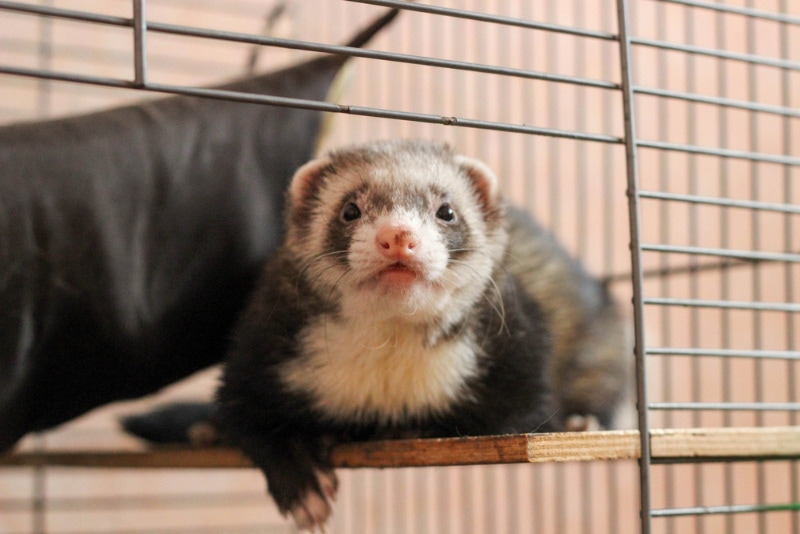
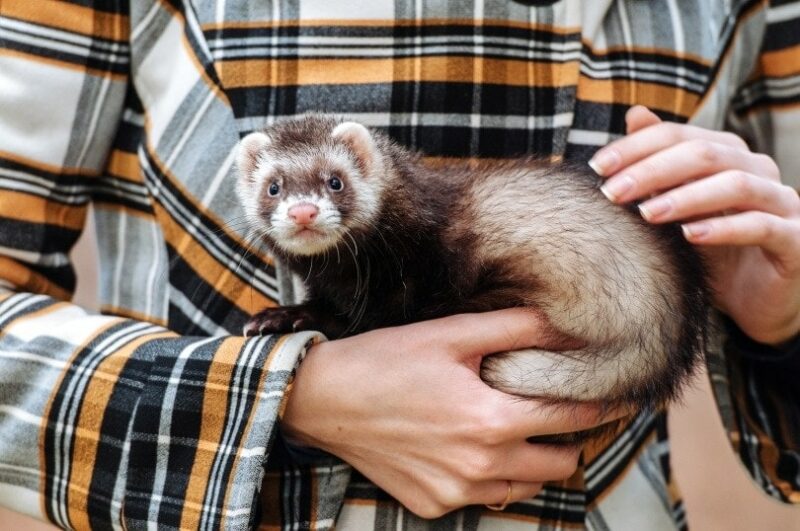
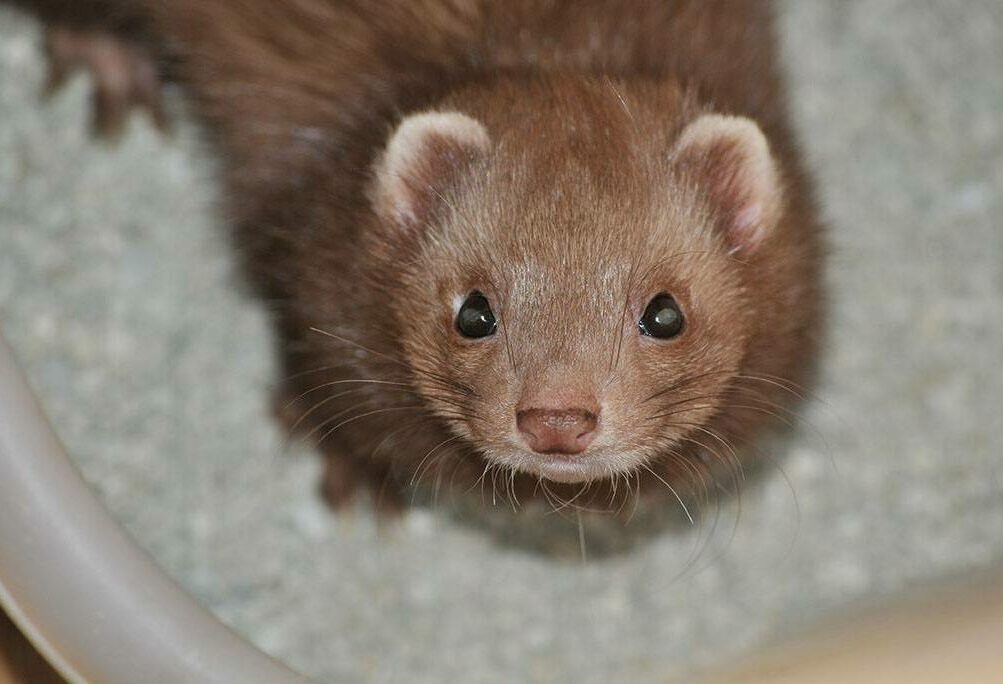
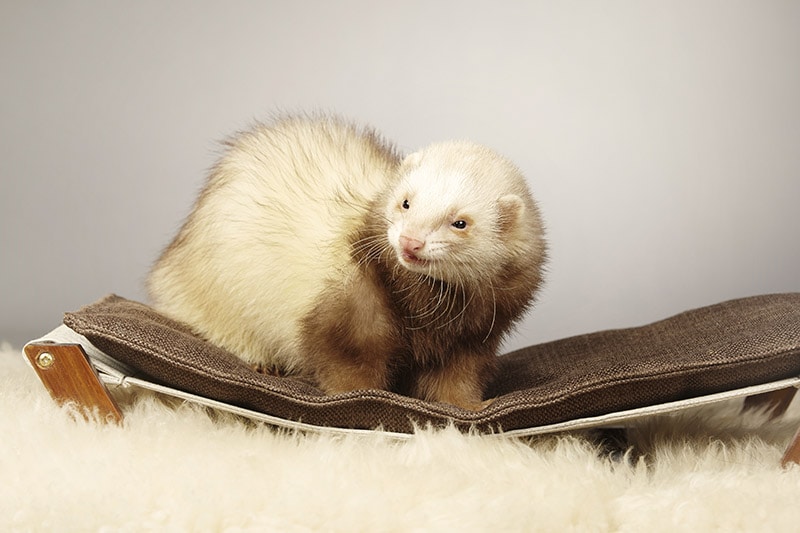
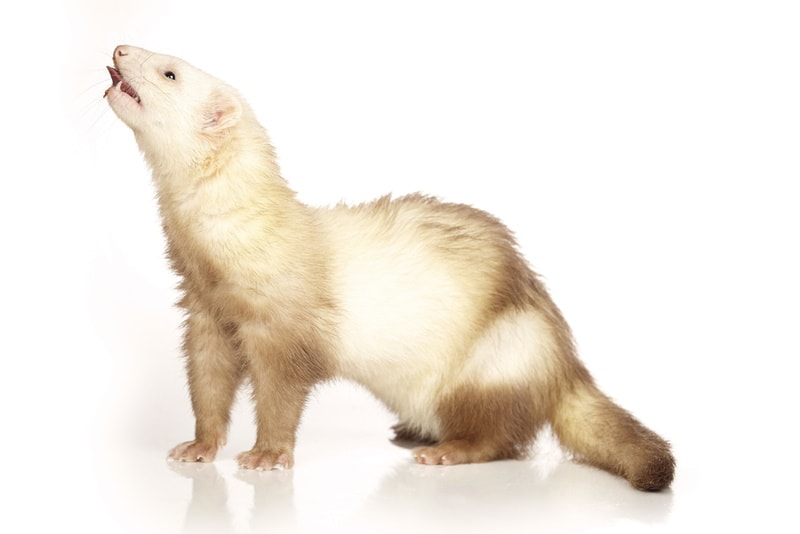
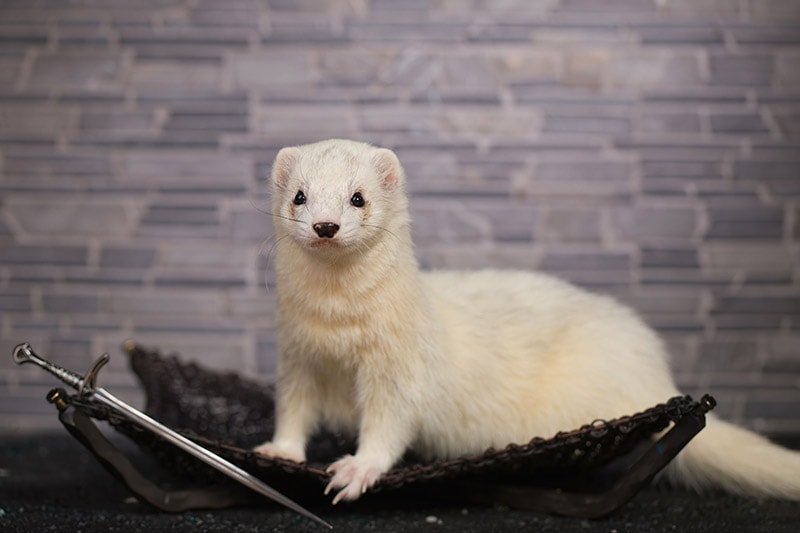
As the name suggests, the Cinnamon Ferret has a warm, off-white coat. The coat appears cream or almost tan in hue, which evokes the image of cinnamon. The Cinnamon Ferret often has a white or cream undercoat paired with a golden overcoat, creating a lovely blend of colors. While many ferret fanatics view the Cinnamon Ferret as one of the most striking colors a ferret can be, their appearance isn’t their only good quality. In this article, we will discuss what it looks like to own a Cinnamon Ferret, including their temperament, intelligence, and needs.
Cinnamon Ferret Breed Characteristics

How Much Do These Ferrets Cost?
Ferret prices can vary widely depending on where you purchase your pet from. The three main places you can find a Cinnamon Ferret are animal shelters, pet stores, and specialized breeders. Generally, adopting a ferret from an animal shelter is the cheapest way to bring a pet ferret home. Breeders are typically the most expensive option.
As mentioned, the Cinnamon Ferret is rare, so finding one at a shelter isn’t likely. It will also be difficult to find them at a pet store, as it is easier for pet stores to find and stock more common ferret colors. Therefore, the easiest way to find a Cinnamon Ferret will likely be through a breeder. Since they’re not as common as ferrets with other colors, you’ll spend $150 to $400 on a Cinnamon Ferret.
If you choose to go with a breeder, you must do careful research before committing to one. Find an ethical, responsible breeder to ensure your Cinnamon Ferret is carefully and considerately bred. Breeders who are not careful can produce litters prone to behavioral or physical issues, which can cause serious problems for you later on.
Temperament & Intelligence of the Cinnamon Ferret
Cinnamon Ferrets, much like other ferret colors, are known to be playful, curious creatures. Many pet owners love the Cinnamon Ferret, finding them entertaining and affectionate. They are clever creatures that require entertainment to keep them from getting into mischief. Cinnamon Ferrets love to play with toys and are prone to hoarding objects they like, so keep an eye on your trinkets!
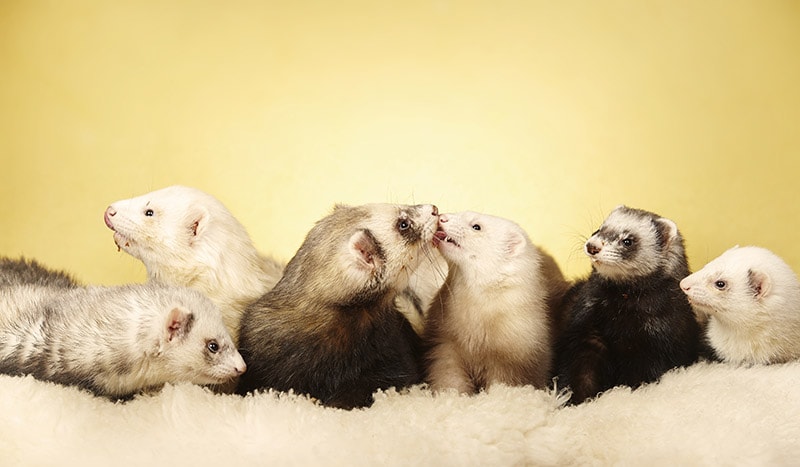
They are social creatures that thrive on interaction and companionship. They love the company of their family members and form strong bonds with them. Cinnamon Ferrets are especially friendly, and they make excellent companions.
Do These Ferrets Make Good Pets? 👪
Yes, the Cinnamon Ferret can make an excellent pet. Many people compare them to cats and dogs since they can use a litter box and are eager for socialization. However, the Cinnamon Ferret is a unique pet with different nutritional requirements and traits than canines and felines. If you want a pet similar to a dog or cat, don’t expect the Cinnamon Ferret to fill the spot.
Does This Ferret Get Along With Other Pets? 🐶 😽
Cinnamon Ferrets can be great friends with other pets, assuming they are properly introduced and socialized. However, keeping your ferret away from smaller pets such as reptiles, birds, rabbits, hamsters, gerbils, and guinea pigs is best.
Things to Know When Owning a Cinnamon Ferret:
Now that you know more about the temperament and intelligence of the Cinnamon Ferret, you’ll want to learn about their care requirements. This section will discuss the Cinnamon Ferret’s dietary needs, enclosure requirements, exercise and sleeping needs, and more.
Food & Diet Requirements 🥩
Cinnamon Ferrets are carnivores, and their diet should consist mainly of protein and healthy fat. A high-quality, commercial ferret food will typically provide sufficient protein and fat. Avoid feeding your Cinnamon Ferret excessive amounts of carbohydrates or fibers, as their bodies aren’t designed to digest them very well. Also, ensure your Cinnamon Ferret has constant access to clean, fresh water.
Enclosure Requirements 🏠
Since Cinnamon Ferrets are so clever, they often attempt to escape their enclosures. To keep your pet safe and secure, look for a multi-level, open-wire cage with a solid floor. The door of the cage should be secure and prevent your ferret from figuring out how to open it from the inside.
Avoid enclosures that do not provide adequate ventilation. Examples include fish tanks or plastic tubs. Instead, focus on cage-like enclosures. However, the spaces between the bars should not be large enough for your ferret to escape.
Exercise & Sleeping Needs 🛌
Cinnamon Ferrets are energetic little creatures. They take every opportunity available to run, jump, and climb. To burn off your Cinnamon Ferret’s energy, provide several hours outside of the cage each day. Similarly, give them several toys so that they can occupy themselves.
As energetic as ferrets are, they also sleep a lot. The average ferret will sleep around 18 hours each day! Make sure that your Cinnamon Ferret’s cage is located in a safe, quiet place so that they can get adequate rest.
Training 🥎
Cinnamon Ferrets can be trained, and it’s vital to train them when they’re young. By training your ferret, you can teach them boundaries and desired behaviors, helping them grow into a well-behaved pet. One major behavioral issue ferrets display is nipping. Cinnamon Ferrets love to bite things and, sometimes, people.
One way to train this behavior out of your ferret is to make a loud noise when bitten. Then grab your ferret by the scuff and firmly say, “No.” After some repetition, your ferret will eventually understand that biting people is inappropriate.
You can also train your Cinnamon Ferret to use a litter box. This is highly encouraged, as maintaining a clean environment will be difficult without litter training your pet.
Grooming ✂
Cinnamon Ferrets typically self-groom, but you should still brush them regularly to remove loose fur. In addition, trim your pet’s nails and brush their teeth to keep them healthy. Many people report that ferrets have a distinctive, musky odor. However, a bath will not eliminate the smell, and baths should not be given too frequently.
Lifespan and Health Conditions 🏥
Cinnamon ferrets can live as long as 10 years, but the average lifespan ranges around 5–7 years. In that time, your ferret may experience a number of health complications. Insulinoma, a tumor of the pancreas, is one of the more severe medical conditions. Another is adrenal gland disease, which may require surgery for treatment.
Since ferrets are curious critters, they’re prone to swallowing objects that they shouldn’t. This puts them at a higher risk of suffering from a blockage in their intestines, which can rapidly become a severe issue. As for comparatively minor issues, watch out for parasites and diarrhea.
Male vs Female
In terms of their personality, there is little difference between the male and female Cinnamon Ferret. However, there is a significant difference in the average size. Females typically weigh 1–2.5 pounds, whereas males can weigh 2–3.5 pounds.
3 Little-Known Facts About Cinnamon Ferret
1. They Are Not Legal in All Places
Before taking a Cinnamon Ferret home, make sure they are legal in your area. Ferrets are illegal in some states, and local laws may place restrictions on them. Check with your city, county, and state to verify which pets are legal in your area.
2. They Emit a Strong Odor
Ferrets are known to emit a strong, musky odor. Some people find the scent to be tolerable, but others find it heinous. Before bringing home a ferret, ensure you can handle the stink!
3. They Love to Chew on Anything and Everything
Your Cinnamon Ferret will probably chew on anything in their path. Therefore, you must supervise your ferret while out of their cage and limit their access to small, bite-sized objects.

Final Thoughts
Cinnamon Ferrets are beautiful, unique animals that have captured the hearts of pet parents everywhere. They are playful, curious creatures that love spending time with their families and make excellent pets. If you feel confident in your ability to care for the Cinnamon Ferret after reading over their care requirements, start by looking at your local animal shelter or searching pet stores and breeders near you.
Sources
Featured Image: Credit: Couperfield, Shutterstock
Get Hepper In Your Inbox


Pet care tips from our vets and experts, straight to your inbox.
You may opt-out at any time. View our Privacy Policy for more information.
Pets are Jordyn’s passion, cats especially. Whenever she has the opportunity, she loves to learn about them and share her knowledge with everyone. She is devoted to her tabby cat named Jack and works hard to buy him his favorite treats and toys. Discovering new ways to better care for her pet is always on her to-do list, and she is eager to help pet parents everywhere who have similar pursuits. In her spare time, she loves to read, write, and take long walks. She has a creative spirit, which often helps her to come up with funny cat names.
Join the conversation
Ask a question, share your story, or send private feedback.