Hepper is reader-supported. When you buy via links on our site, we may earn an affiliate commission at no cost to you. Learn more.
8 Types of Ferret Colors (With Info & Pictures)
In this article
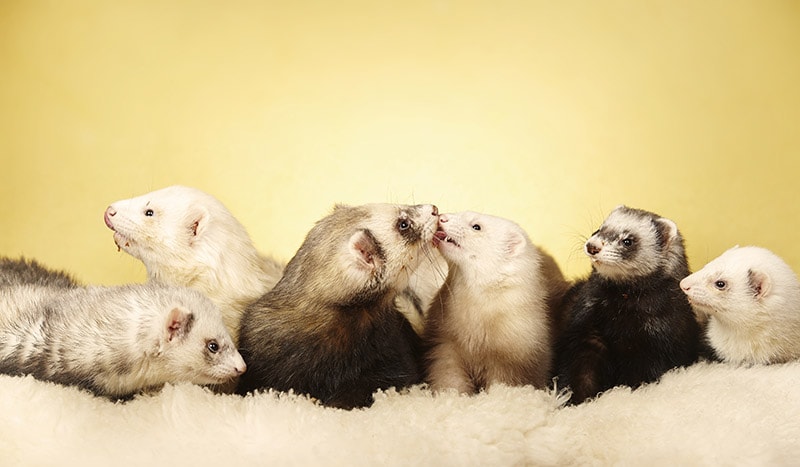
Ferrets, playful and inquisitive creatures, come in a variety of colors. From the deep sable to the snowy white, these little furballs can exhibit an array of hues that are simply eye-catching. Their color is not just about aesthetics but also reveals some fascinating facts about their genetics. If you’re thinking about getting a ferret, let’s discover what colors they come in so you can decide which one you might want.

The 8 Ferret Colors
1. Sable
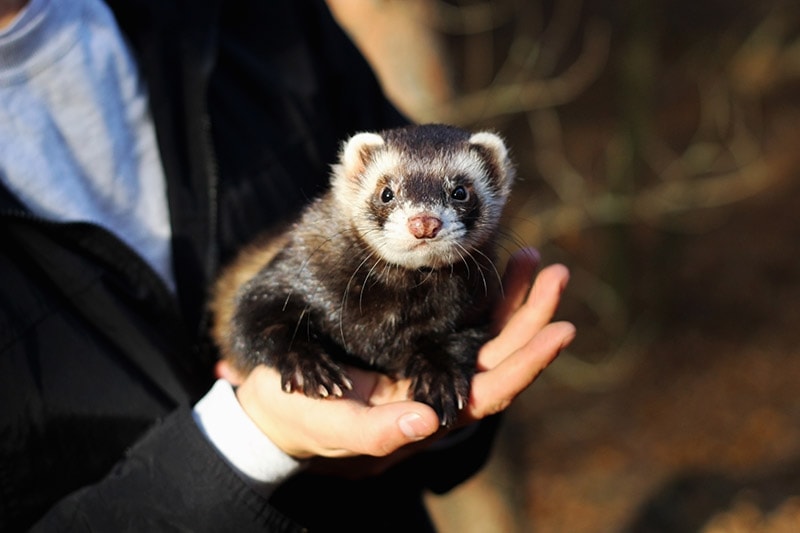
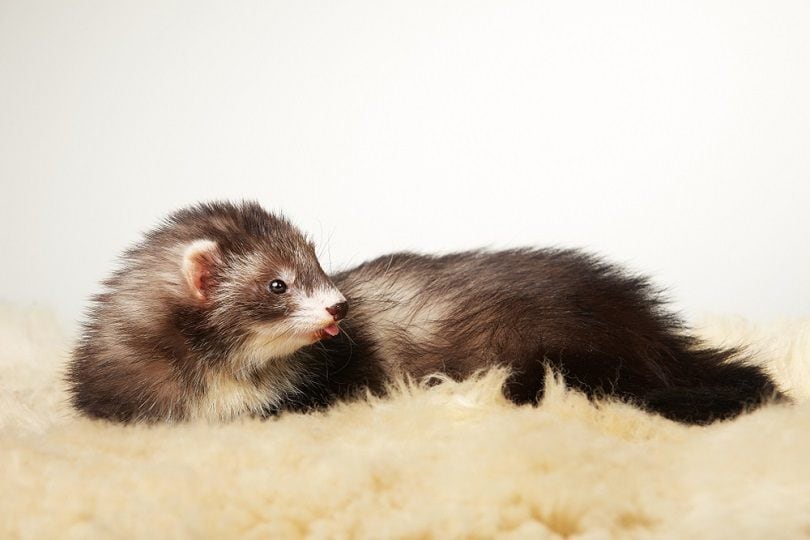
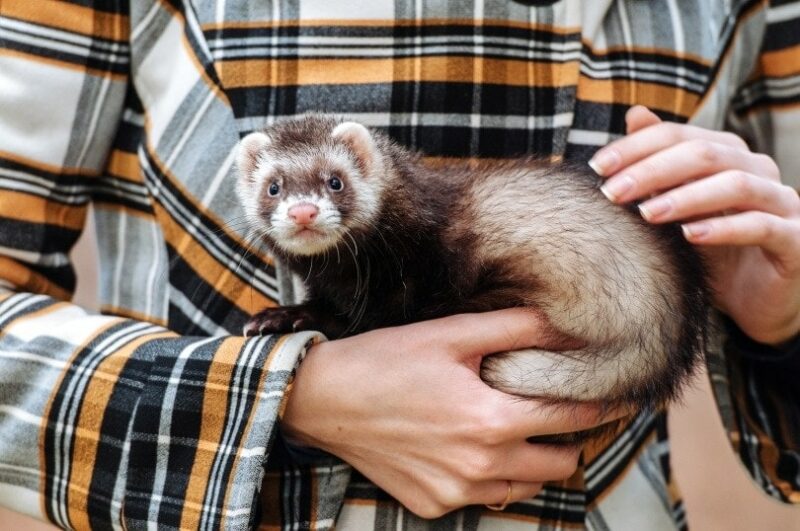
The sable ferret is the most common and widely recognized breed, often serving as the poster child for ferrets. Their rich dark brown or black coat gives them a sleek and glossy appearance that's hard to miss. Their undercoat, however, is a warm cream or beige, creating a beautiful contrast that enhances their overall appeal. The eyes of a sable ferret are usually black or nearly black, mirroring the color of their coat.
Similarly, their nose also tends to be black, further accentuating their dark features. What makes this color particularly interesting is its dominant role in ferret genetics. Unlike other colors which are recessive, the sable color is more likely to occur, making it the most common ferret color.
2. Albino
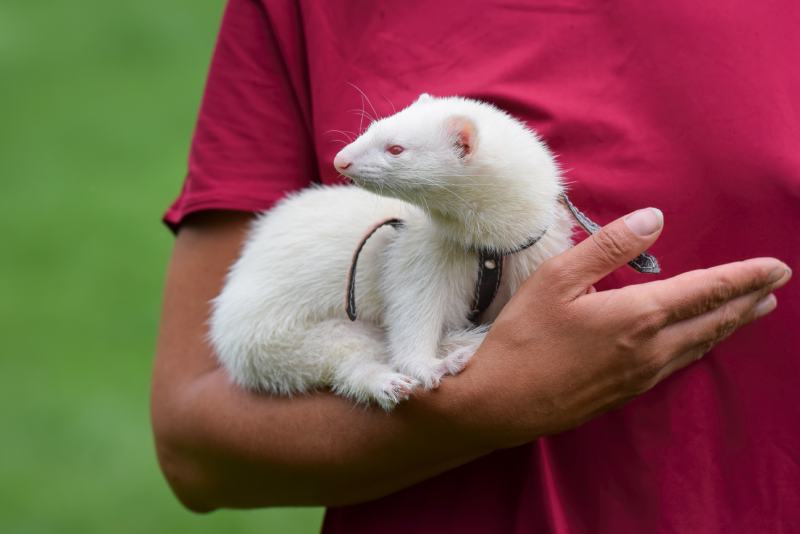
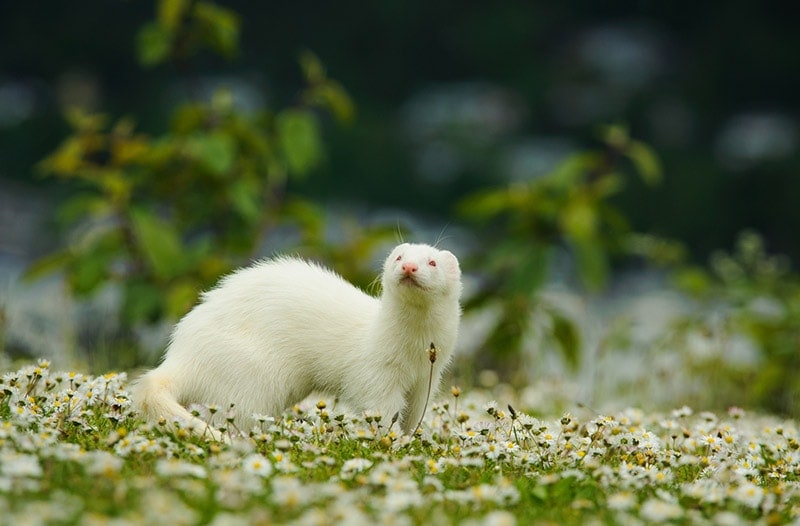
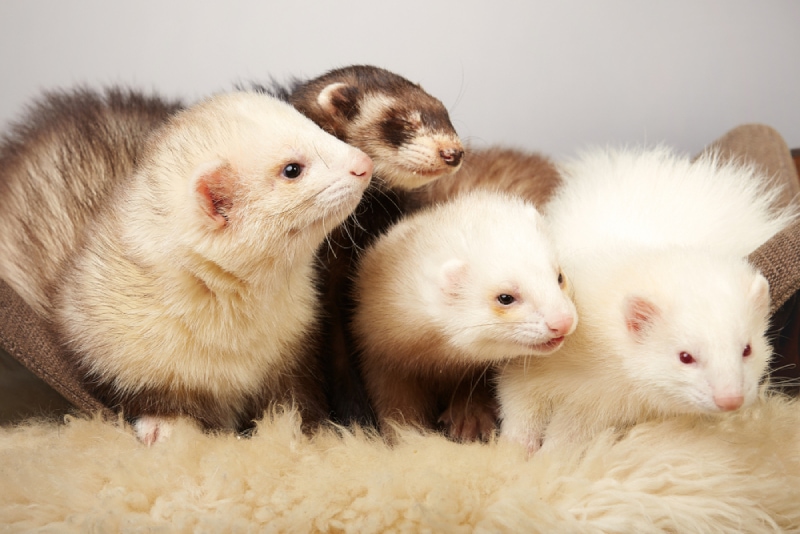
Albino ferrets are a spectacle to behold. Their completely white coat is due to a lack of melanin, a pigment responsible for color in animals. This absence of melanin gives them their distinct appearance, setting them apart from other ferret colors. Their eyes, too, lack melanin, resulting in a red or pink hue that seems to glow in certain lighting.
Despite their unique color, albino ferrets aren't associated with any specific traits or characteristics apart from their color. However, their rarity makes them quite special. These ferrets are not as commonly seen as their sable counterparts, making them a rare find indeed.
3. Cinnamon
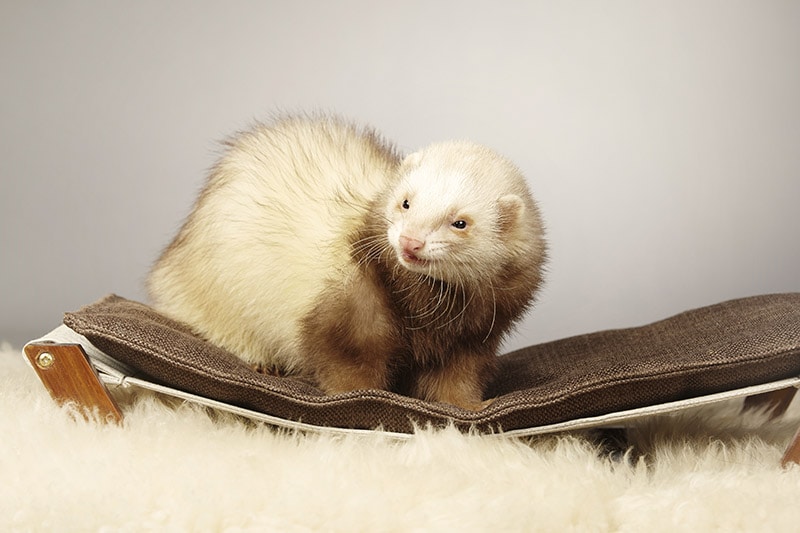
Cinnamon ferrets are a delightful blend of reddish-brown and gold. Their coat bears a warm reddish-brown hue that's reminiscent of cinnamon, hence their name. Underneath this coat is a golden undercoat that peeks through, adding depth and richness to their color.
Their eyes typically match their coat and are usually burgundy or light brown. Their noses, too, match their overall color scheme and can range from pink to brick colored. This color isn't as common as sable or albino, making cinnamon ferrets a highly sought-after breed among ferret enthusiasts.
4. Chocolate
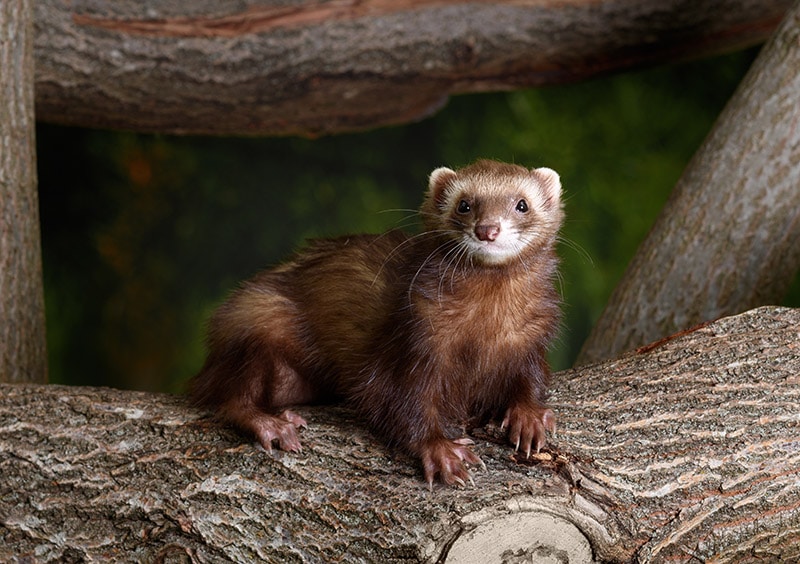
Chocolate ferrets are a treat for the eyes. Their medium brown coats bear a striking resemblance to milk chocolate, giving them their sweet name. Underneath this delicious coat is a creamy undercoat that beautifully contrasts against their darker topcoat.
Their eyes usually mirror their coat's color and tend to be light brown. Their noses can vary between pink and beige, matching their soft color palette. The chocolate color is a recessive trait in ferret genetics. This means that both parents must carry the gene for a chance at producing a chocolate offspring, making these ferrets a bit of a rarity.
5. Silver
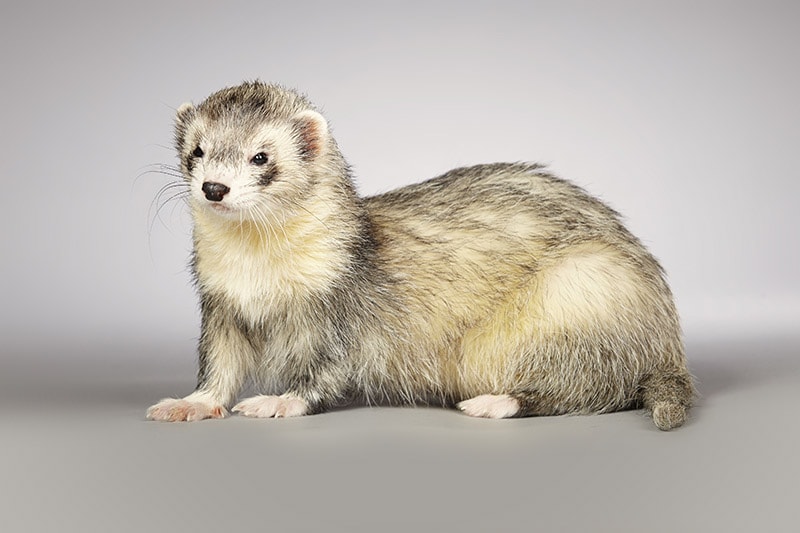
Silver ferrets are named for their gorgeous silver-gray coats. Their color can range from a light silvery gray to a deep slate, depending on individual genetics. Their undercoat is usually white or cream, providing a stunning contrast against their darker topcoat. Interestingly, their eyes can be any color, making each silver ferret unique.
The silver color is also a recessive trait and is often associated with older age in ferrets. As ferrets age, their coats often turn gray or silver, just like humans.
6. Black Sable
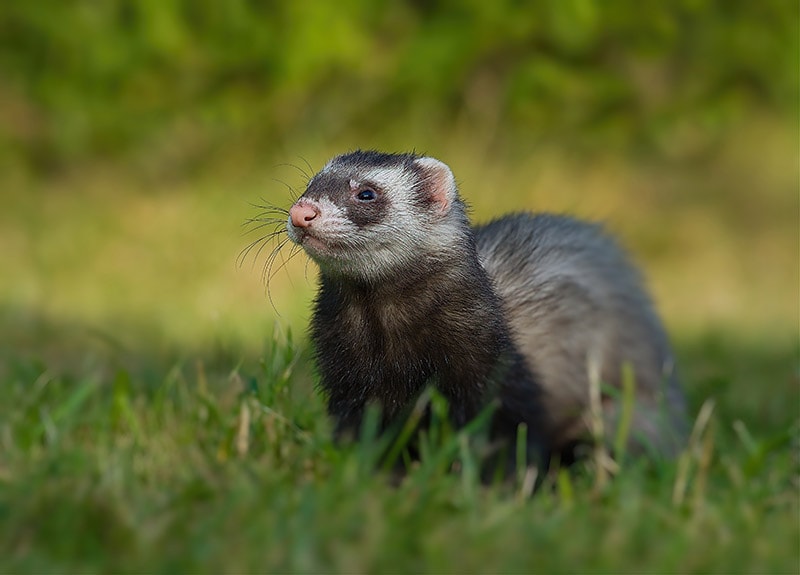
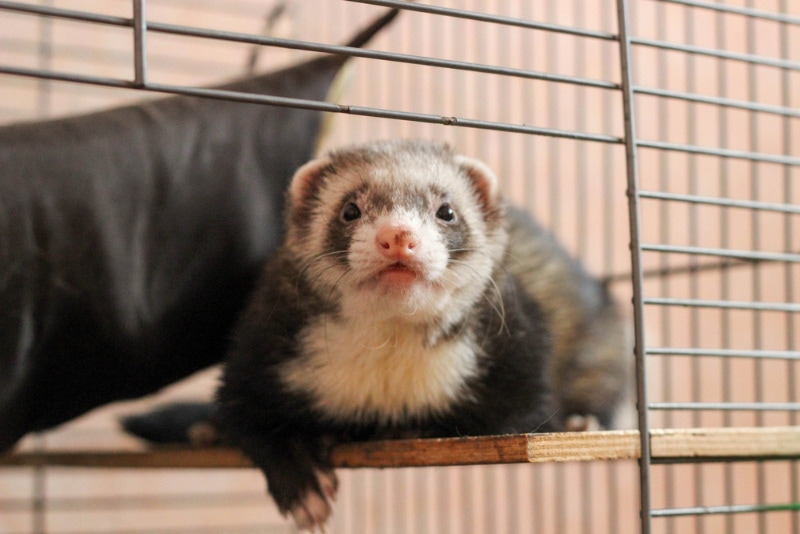
Black Sable ferrets are similar to sable ferrets, but they have an almost black coat that sets them apart. Their undercoat is a stark contrast, being white or cream. Their eyes and noses are black, mirroring their dark coat.
Just like the chocolate and silver colors, black sable is a recessive trait. This means it's less likely to occur naturally unless both parents carry the gene, making black sable ferrets quite rare.
7. Champagne
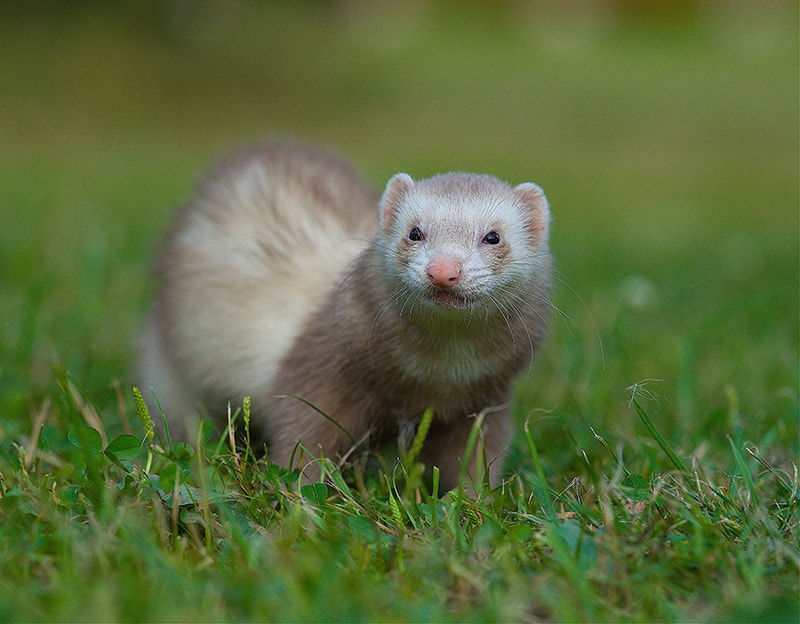
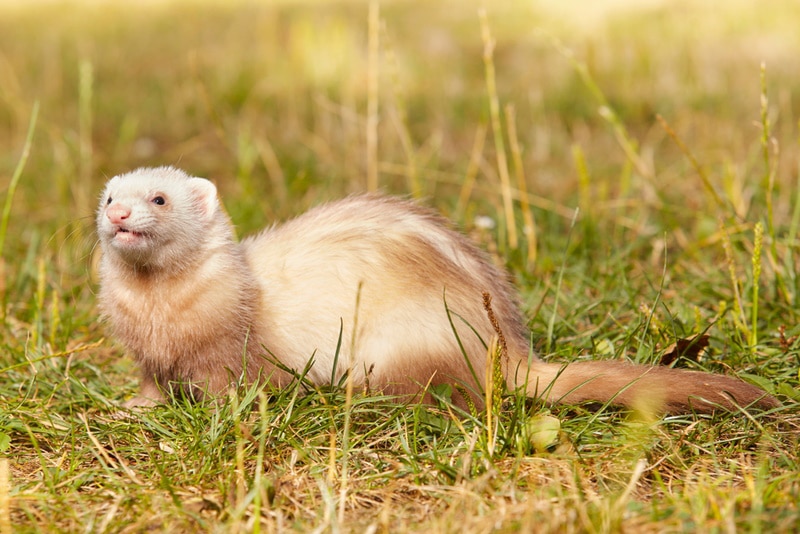
Champagne ferrets are a lighter version of the chocolate ferrets, with a light tan or champagne-colored coat. Their undercoat is white or cream, giving them a soft and delicate appearance. Their eyes are usually pink or light brown, complementing their light coat.
Their noses are pink too, in keeping with their overall light color scheme. The champagne color is another recessive trait, making it less common in the ferret population.
8. Dark-eyed White
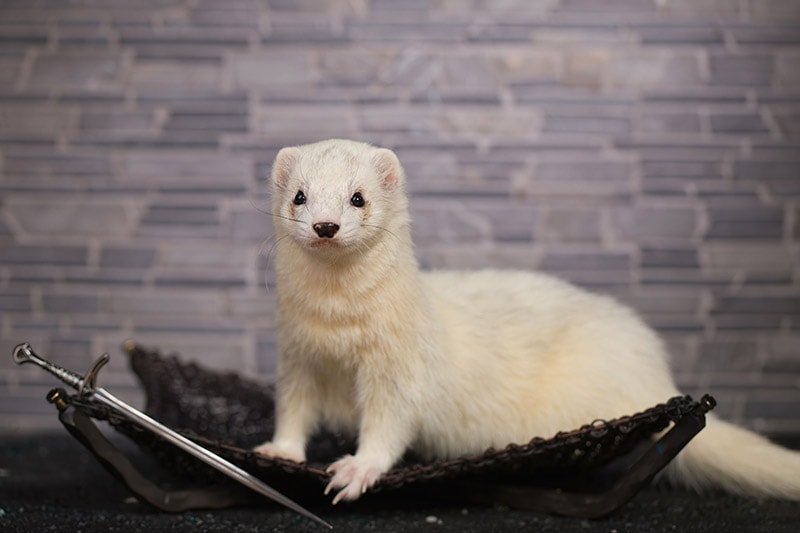
Dark-eyed white ferrets are an interesting variant. At first glance, they may seem similar to albino ferrets with their pure white coats. However, unlike albinos, these ferrets have dark eyes, usually black or dark blue.
This unique combination of white coat and dark eyes makes them quite rare and intriguing. Some studies suggest that this color may be linked to hearing issues in some ferrets, making it an important consideration for potential owners.
Frequently Asked Questions
What determines a ferret's color?
A ferret's color is determined by its genetics. Each parent passes on color genes to their offspring. A ferret's color can change with age, usually becoming lighter or grayer. Colors like albino and dark-eyed white are rarer than sable or chocolate. New colors can be created through selective breeding, where breeders choose ferrets with specific colors to mate. Some ferrets may also have patches or points of different colors.
Are certain colors linked to health issues?
Some studies suggest that white ferrets, particularly albinos and dark-eyed whites, may be more prone to deafness. Color doesn't affect a ferret's behavior or personality. Also, a ferret's color doesn't impact its lifespan.
Can all ferret colors be found in wild populations?
No, some colors like albino and champagne are only found in domesticated ferrets.
The 10 Tips for Keeping Your Ferret Safe
1. Maintain a Clean Living Area
Ferrets are active and curious creatures, which can often lead to messes. It's crucial to keep their living area clean and tidy to prevent diseases. Regularly clean their cage and replace bedding to ensure they have a healthy environment to live in.
2. Avoid Small Objects
Ferrets love to chew on things and are at risk of choking on small objects. Never leave small toys, rubber bands, or other small items around that your ferret could accidentally ingest.
3. Keep Away from Harmful Chemicals
Household chemicals can be harmful to ferrets. Always store cleaning supplies, pesticides, and other chemicals out of reach or in locked cabinets.
4. Supervise Playtime
Ferrets are playful and can sometimes get into trouble. Always supervise them during playtime to avoid accidents, such as falling off furniture or getting stuck in small spaces.
5. Regular Health Checks
Regularly check your ferret's body for lumps, cuts, or any signs of illness. Early detection of health issues can make a significant difference in treatment outcomes.
6. Provide a Balanced Diet
Ferrets are obligate carnivores and require a diet high in protein. Providing a balanced diet with high-quality ferret food can help maintain their health. Avoid feeding them fruits and vegetables, as these can be hard for them to digest.
7. Ensure Hydration
Ferrets can easily become dehydrated, especially during hot weather. Always ensure they have access to fresh water and monitor their water intake.
8. Regular Vet Check-ups
Regular vet check-ups are essential for your ferret’s health. These visits can help detect any potential health issues early and ensure that your ferret is up to date on vaccinations.
9. Vaccinate Your Ferret
Vaccinations are crucial to protect your ferret from fatal diseases such as distemper and rabies. Consult with your vet to establish a proper vaccination schedule.
10. Spay or Neuter Your Ferret
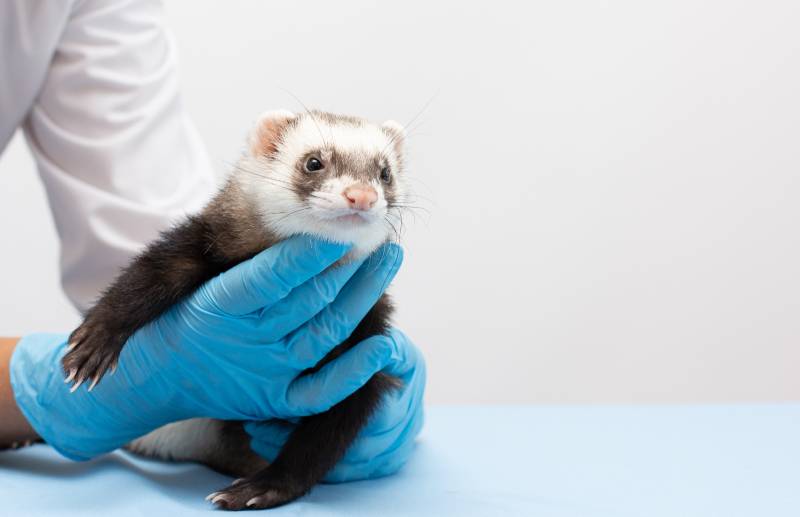
Spaying or neutering your ferret can prevent unwanted pregnancies and related health issues. This procedure can also help reduce aggressive behavior in male ferrets. Always consult with a vet before making this decision.
Conclusion
The world of ferret colors is as diverse as it is intriguing, reflecting the genetic complexity of these charming creatures. As we delve deeper into understanding their genetics, we continue to unravel the beauty hidden within their petite frames. Owning a ferret, no matter its color is a delightful experience filled with fun-filled frolics and heartwarming cuddles. It's a journey of companionship that paints our lives with vibrant strokes of joy.
See also: Fascinating Black-Footed Ferret Facts
Featured Image Credit: Couperfield, Shutterstock
Get Hepper In Your Inbox


Pet care tips from our vets and experts, straight to your inbox.
You may opt-out at any time. View our Privacy Policy for more information.

Nicole is a lover of animals of all sizes but is especially fascinated with the feline variety. She’s the proud mom of Baby, a Burmese, and works every day so he can relax in the sunshine or by the fire. She’s always had a cat in her home and has spent countless days with others, observing behaviors and softening up even the grouchiest of the lot. Nicole wants to share her kitty expertise with you so you and your cat can live happy, healthy, and care-free.
Join the conversation
Ask a question, share your story, or send private feedback.