Hepper is reader-supported. When you buy via links on our site, we may earn an affiliate commission at no cost to you. Learn more.
Can You Compost Cat Litter? Vet Reviewed Benefits & Risks


In this article
Cats can go through a large amount of litter, which can cause many pet owners to worry about its environmental impact. One of the benefits of composting is that it uses up food scraps and can improve the quality of the soil. A common question is whether it’s safe to compost cat litter. The short answer is that sometimes it is safe to compost cat litter, but there are several considerations. Keep reading as we list the benefits and risks of composting cat litter and provide tips on how to safely do so.

The Risks of Composting Cat Litter
The Poop
Many of us are familiar with using manure in our garden to help plants grow, so it’s natural to assume that the same will happen when we use cat poop. However, the manure used on gardens comes from cows or horses, which are strict herbivores, while cats are carnivores. Since the two animals eat very different foods, the nutritional content of the feces can be quite different, meaning they might not be as beneficial to your plants. But the main problem is that carnivore feces can contain pathogens that are unhealthy to humans, like Campylobacter, Cryptosporidium, Salmonella, and Toxoplasma gondii. These can live for several years in the soil, infecting the fruits and vegetables that we grow, resulting in diarrhea, vomiting, and other issues. Toxoplasma gondii is especially dangerous for pregnant women. Therefore, you should never use compost containing litter around plants that you use for food.
The Litter
Clay-Based Cat Litter
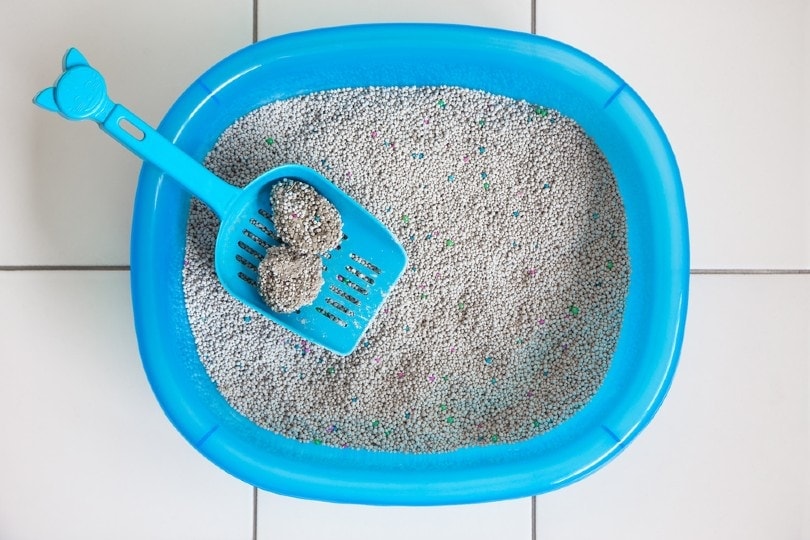
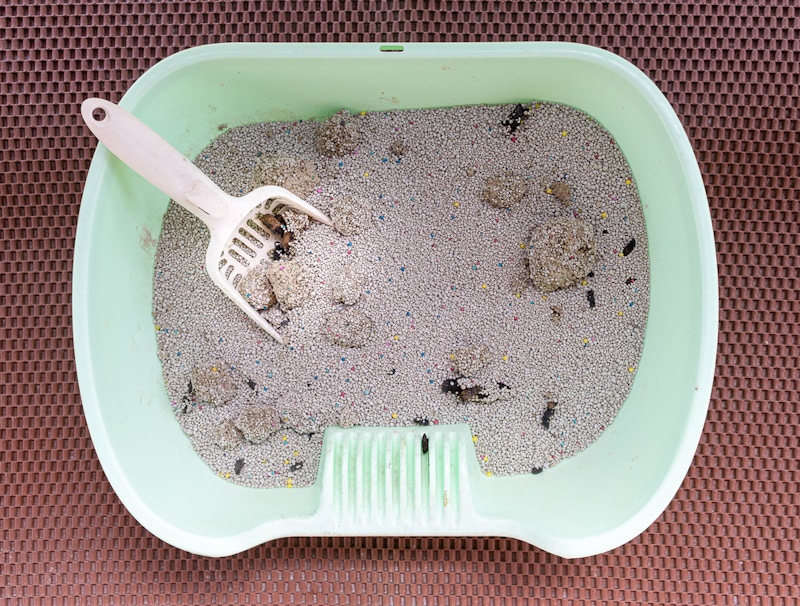
Clay-based litter is one of the most common options on the market. It usually has bentonite or calcium bentonite clay. While these litters are effective at clumping and controlling odor, they are not biodegradable, so you won’t be able to use them for composting.
Silica Gel Cat Litter
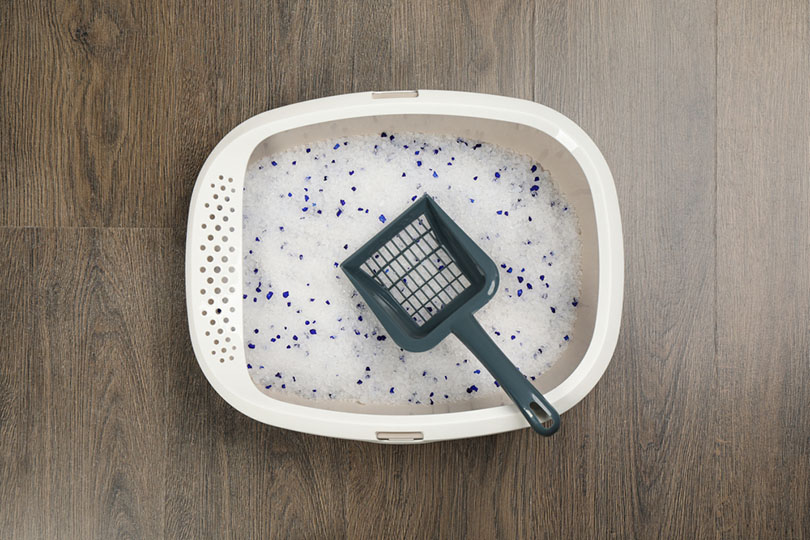
Silica gel cat litter is made of small porous silica beads. It’s known for its high absorbency and odor-control properties but is not biodegradable, so you won’t be able to use it for composting.
Biodegradable Cat Litter
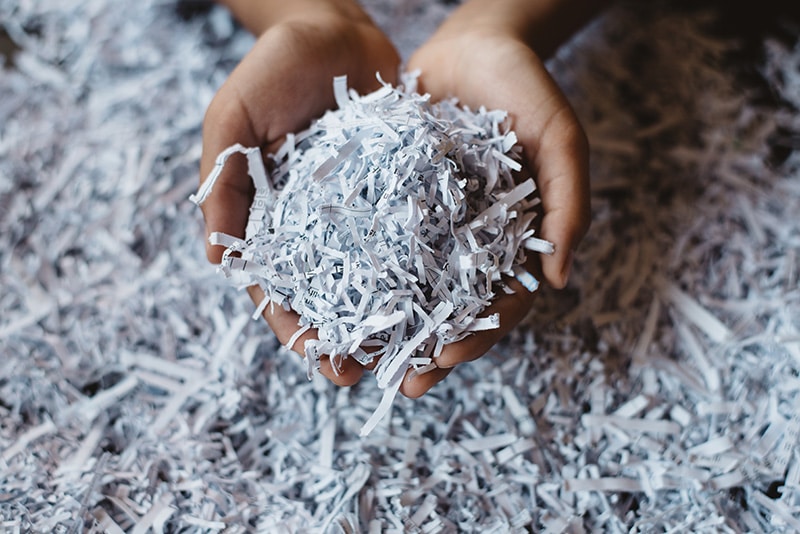
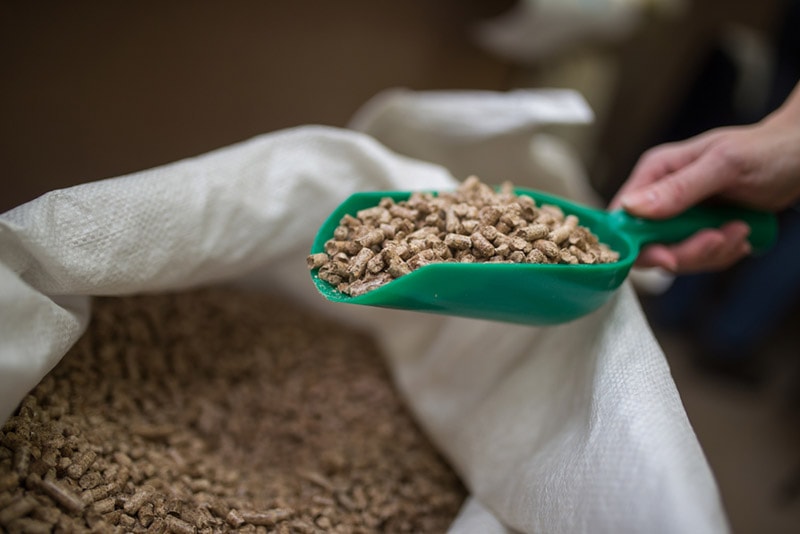
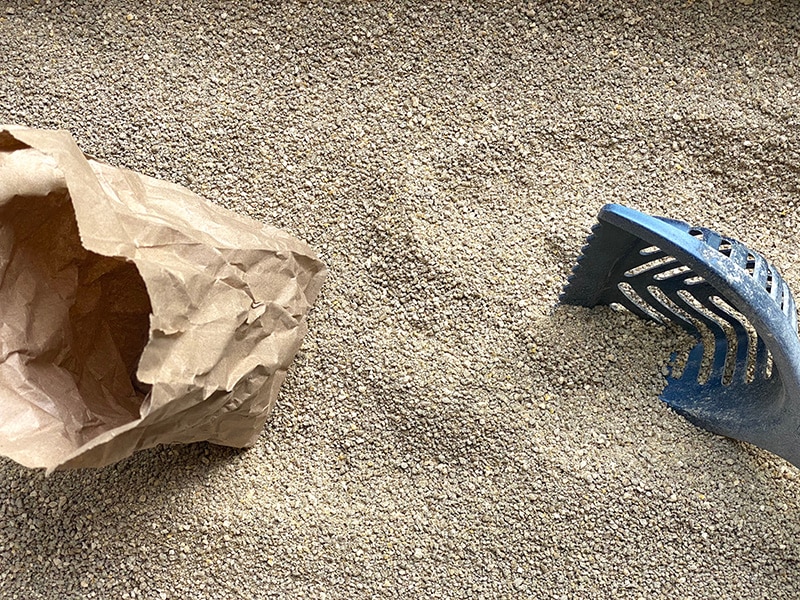
Biodegradable cat litter uses natural wood, paper, corn, wheat, or pine that will break down more easily than clay or silica gel. This litter is more eco-friendly and is the best and most beneficial choice for composting.
The Ingredients
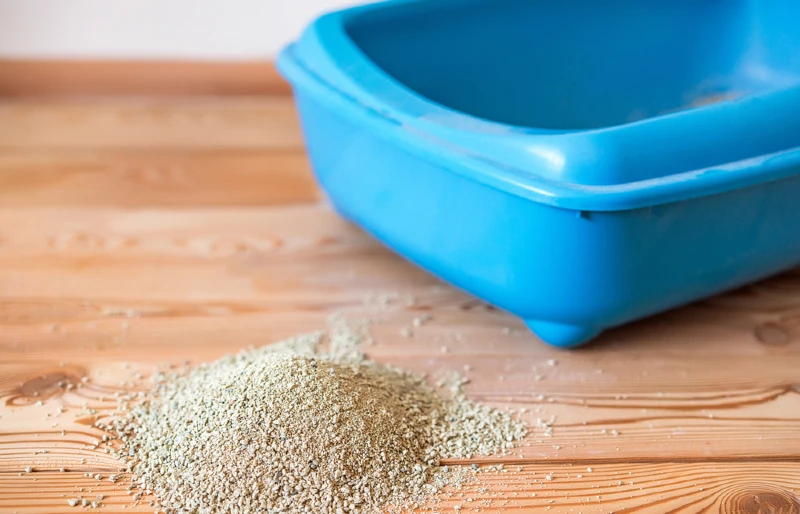
Many commercial cat litters contain fragrances and other ingredients that can make them unsuitable for composting. When you’re choosing a brand, select one that uses only natural ingredients, like walnut shells and corn, with no additives.
The Composting Method
Backyard Composting
Backyard composting involves creating a compost pile or bin in your garden. It’s a great option if you have the space and want to utilize compost for your plants. You have more control over the composting process, and you can compost cat litter safely if you use biodegradable litter and follow proper composting guidelines.
Vermicomposting
Vermicomposting uses worms to break down organic matter, and is a good choice for those with limited outdoor space. However, they may not process cat waste efficiently, so it’s not a good choice for composting cat litter.
Industrial Composting
Some municipalities offer curbside collection of compostable materials and then process them at industrial composting facilities. They may be able to handle pet waste and litter, but you should check with them first to see if any rules and conditions apply.
Tips for Successful Cat Litter Composting
- Local regulations and ordinances may prohibit or regulate the composting of pet waste, including cat litter. Always check with your local government or waste management authority before attempting to compost cat litter.
- Successful composting requires balancing green nitrogen-rich and brown carbon-rich materials. Cat litter, regardless of type, adds nitrogen to the mix.
- Avoid adding cat litter exclusively to your compost. Mix it with other compostable materials like kitchen scraps, leaves, and grass clippings to balance the carbon-to-nitrogen ratio.
- Compost piles need moisture to support microbial activity. Keep your compost pile or bin damp but not waterlogged. Cat litter can be quite absorbent, so monitor moisture levels closely.
- Regularly turn or aerate your compost to provide oxygen to the microorganisms responsible for decomposition to help prevent odors and encourage efficient breakdown.
- Only use the compost for ornamental plants, and wear gloves and protective clothing when working with it to avoid contamination.
- Consider setting up a separate composting system exclusively for cat litter and waste to help isolate potential pathogens and prevent them from contaminating your regular compost pile.
- Aim to keep the compost pile at a high enough temperature to support the breakdown of pathogens. The ideal range for composting is 135–160 degrees Fahrenheit.
- Use a cover or lid for your cat litter compost pile to protect it from rain and excessive moisture. It will also help prevent the leaching of potential contaminants into the soil.
- Cat urine can be acidic, so periodically check the pH level of your cat litter compost. If it becomes too acidic, you can add crushed eggshells or agricultural lime to neutralize it.
- Ensure that children and other pets cannot access the cat litter compost pile to prevent potential health risks.
- Wear gloves and wash your hands thoroughly after handling cat litter and compost.

Summary
While composting cat litter is possible if you follow the proper process, you can only use it for flowering plants, as it can contain dangerous pathogens like Salmonella and Toxoplasma gondii. You will need to use biodegradable plant based litter, such as paper, corn, walnut shell, or wheat. The litter that you use also shouldn’t have any chemical additives or fragrances. When composting, mix in other ingredients like grass and kitchen scraps to help balance the nitrogen and carbon.
Featured Image Credit: Alaina Sharpshair, Shutterstock
Get Hepper In Your Inbox


Pet care tips from our vets and experts, straight to your inbox.
You may opt-out at any time. View our Privacy Policy for more information.
Ed Malaker is a veteran writer who has contributed to a wide range of blogs that cover pets, tools, guitars, fitness, and computer programming. When he’s not writing, Ed is usually performing DIY projects around the house or working in the garden. He’s also a musician and spends a lot of time helping people fix their guitars and composing music for independent films.
Join the conversation
Ask a question, share your story, or send private feedback.