Hepper is reader-supported. When you buy via links on our site, we may earn an affiliate commission at no cost to you. Learn more.
Corn Litter vs Clay Litter: Which One Is Better for My Cat?

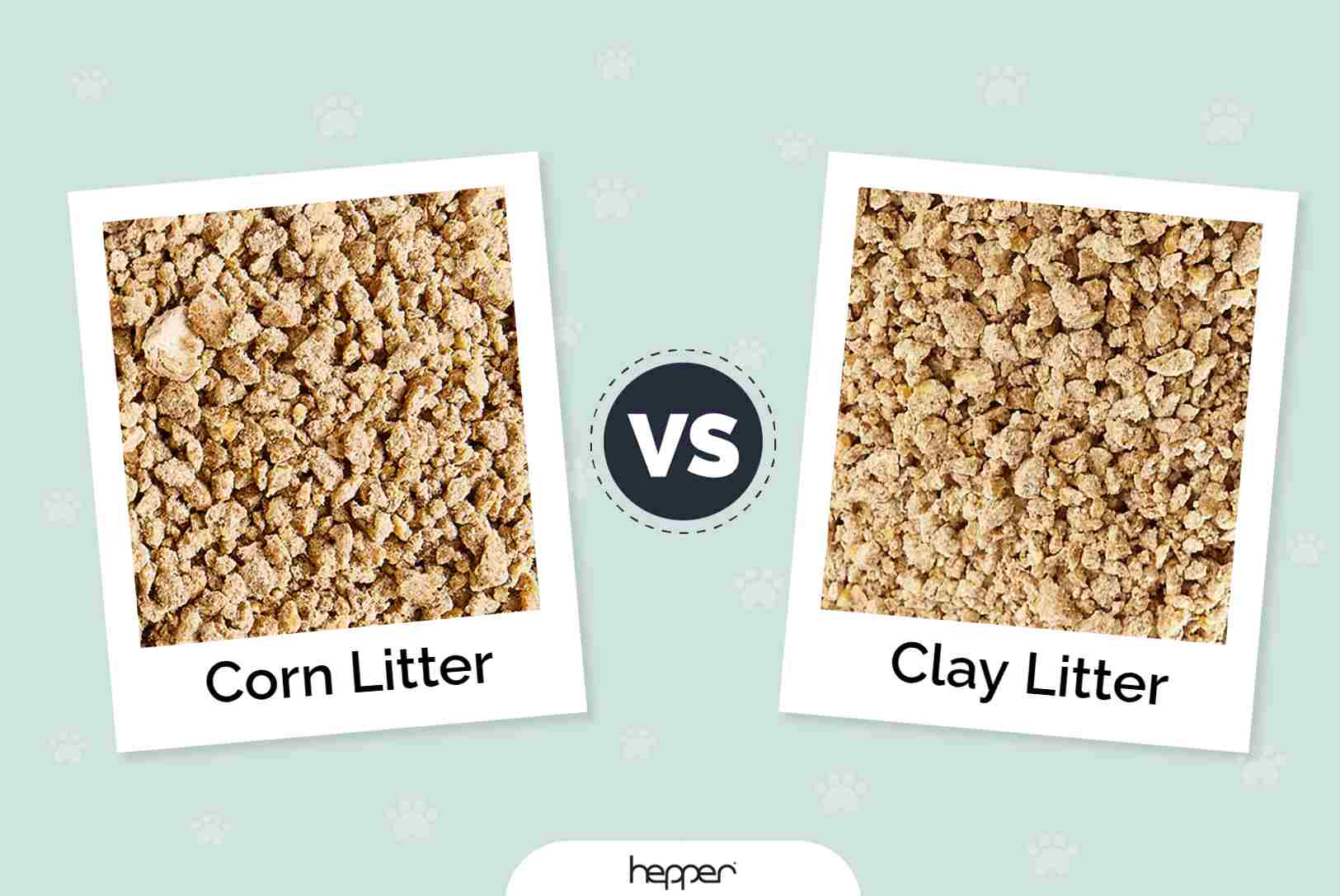
Choosing the right type of cat litter is a vital decision for cat owners. There are several different kinds of cat litter to choose from, and each has its own set of advantages and disadvantages.
Since cat owners will end up using a large volume of cat litter, they need to shop responsibly and find one that is safe for cats and humans in the home, along with the environment. Here, we explore corn litter and clay litter in detail and provide all the information that you need to help you decide which one is the better option for your cat.

Overview of Corn Litter
How Does Corn Litter Work?
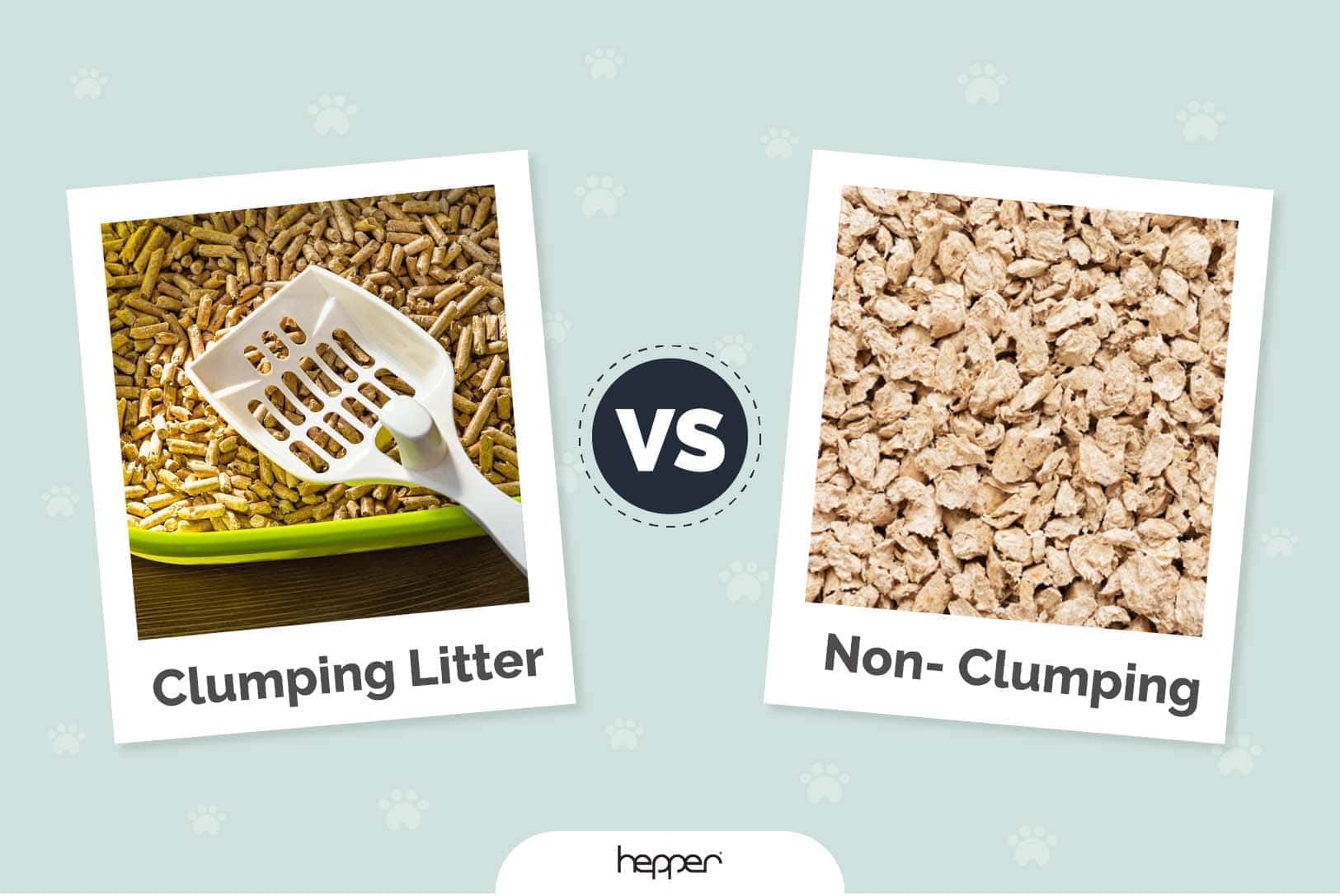
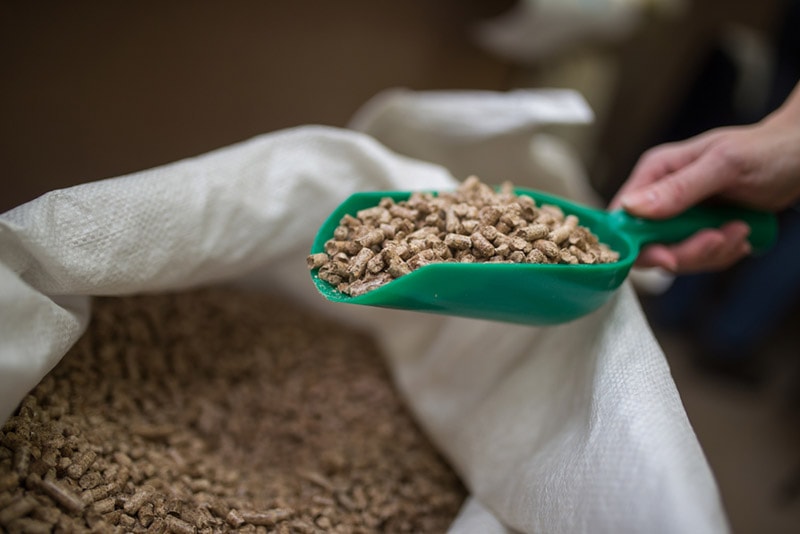
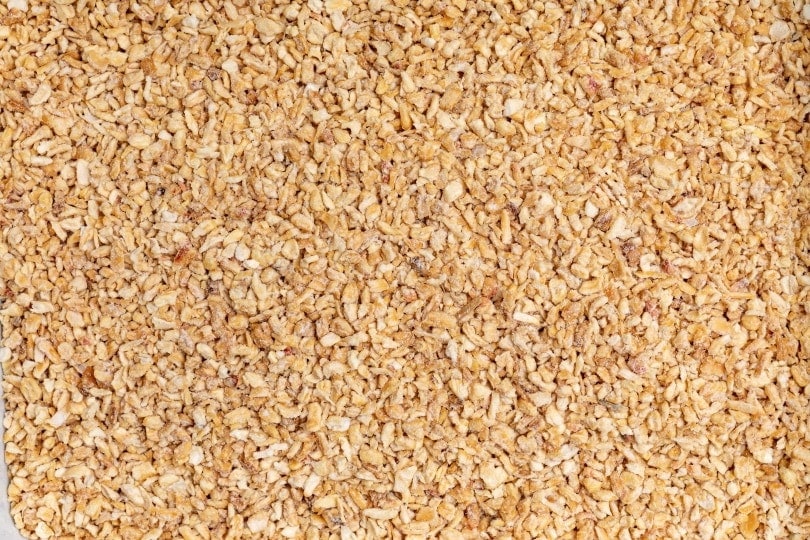
Corn litter is made with dried corn kernels. Some litter can also be mixed with corn husks. Most corn litter is clumping, but you can find some non-clumping varieties. The corn kernels are highly absorbent and can form clumps. They can also trap odors upon contact.
Advantages of Corn Litter
Corn litter is a popular option for people who have dust allergies. The granules are virtually dust-free, so you don’t have to worry about a cloud of dust rising every time you scoop or pour new corn litter into the litter box.
Since the granules are relatively soft, most cats don’t mind using corn litter. It is also biodegradable, so it is an ideal option for cat owners who want to shop consciously. This type of litter tends to be lightweight, so it is more convenient to carry from the pet store to your home, and it is much easier to change it out in your litter box.
Disadvantages of Corn Litter
Corn litter tends to be more expensive than clay litter. Another factor to remember with cat litter is the risk of mold. While manufacturers will test for mold at their facilities, high humidity, and improper storage in homes can cause mold to grow. One fungus to be wary of is Aspergillus flavus. This produces aflatoxin, which is harmful to cats.
It’s not typical for mold to grow on corn litter, but cat owners should be extra mindful of how they store it. Corn litter should always be sealed tightly and stored in a cool, dry place. Cat owners must also be on top of cleaning out the litter box consistently to prevent moisture buildup.
Corn litter may also attract bugs. It’s not common but it’s still possible. Some insects, particularly beetles and moths, lay eggs in grain meals. Fortunately, these insects aren't harmful to cats, but they are a nuisance in the home.
Pros
- Eco-friendly
- Soft texture that cats don’t mind
- Low dust and allergy-friendly
- Lightweight
Cons
- More expensive than clay litter
- It may attract bugs and mold

Overview of Clay Litter
How Does Clay Litter Work?
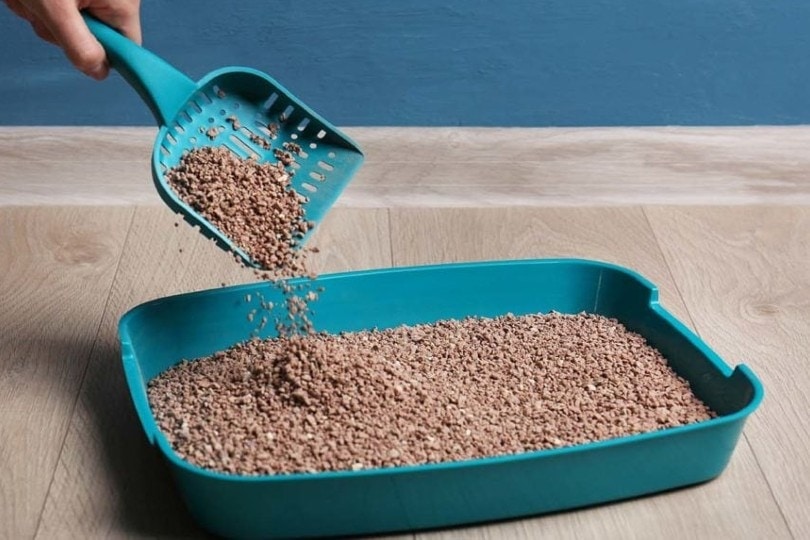
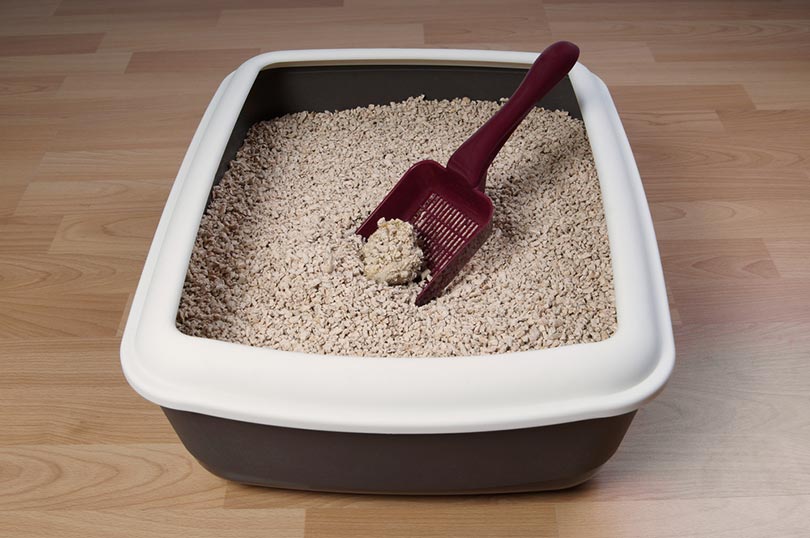
Clay litter is one of the oldest types of cat litter. You can find both clumping and non-clumping clay cat litter. The clumping type uses sodium bentonite, which is the agent that helps the granules to clump.
Advantages of Clay Litter
Clay litter is one of the most affordable types of cat litter. It’s also fairly common, so you can find a lot of options stocked at your local pet store. This type of cat litter is one of the most absorbent and tends to seal odors really well. It also forms tight clumps, so it makes cleaning the litter box super quick and easy.
Disadvantages of Clay Litter
One of the biggest disadvantages of clay litter is its negative impact on the environment. The way that it is sourced upsets natural ecosystems and habitats, and it’s not biodegradable.
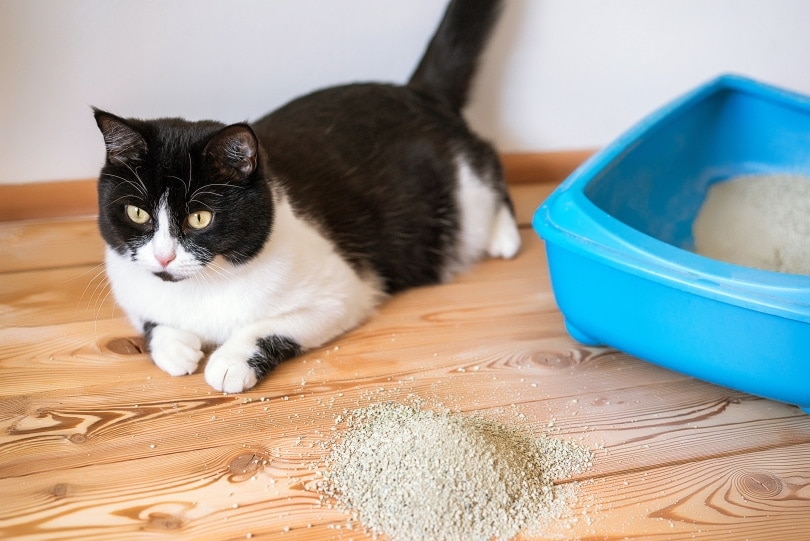
Clay litter also tends to have high dust levels, which can trigger allergies. Some clay litter brands may incorporate high levels of silica dust, which has links to upper respiratory issues. The small particles also easily stick to cats’ paws and may track all over the home.
Transporting clay litter from the pet store to the house can be inconvenient because it’s much heavier than most other types of cat litter. Since it’s highly absorbent, it must be stored properly in a dry space. If it’s left in humidity, it can draw in moisture and become a hardened brick.
Pros
- Budget-friendly option
- Easy clean-up
- Highly absorbent
Cons
- Not environmentally friendly
- A lot of tracking, may trigger dust allergies
- Heavy
Key Differences Between Corn Litter and Clay Litter
There are several key differences between corn litter and clay litter that all cat owners must consider.
Price and Accessibility
Clay litter is more affordable than corn litter. It’s also easier to find, and you can find a lot more varieties. For example, you can find unscented clay litter and litter with extra deodorizing boosters. Scented cat litter also comes in various scents, so you’ll have an easier time finding one that suits your preferences.
There’s less variety with corn litter, and it may not be stocked in all pet stores. You may have to resort to shopping online to get access to a reputable brand that manufactures corn litter.
Clumping
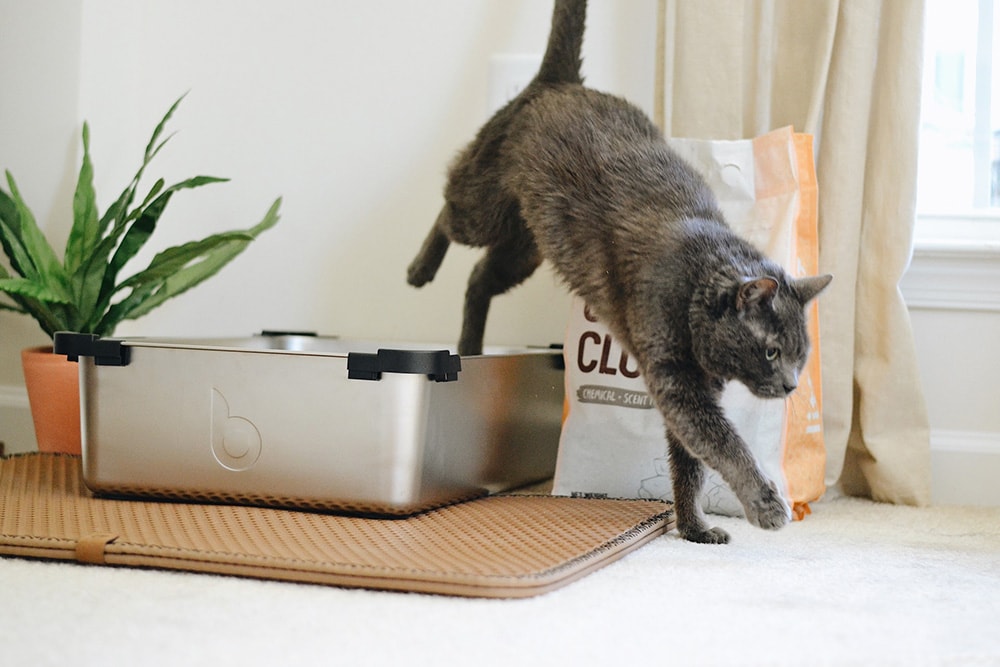
Both corn and clay litter can clump, but clay litter has a marginal edge. Corn litter tends to break apart more easily when you try to scoop it. Clay litter is usually much more absorbent and forms larger clumps, making scooping easier.
Dust and Tracking
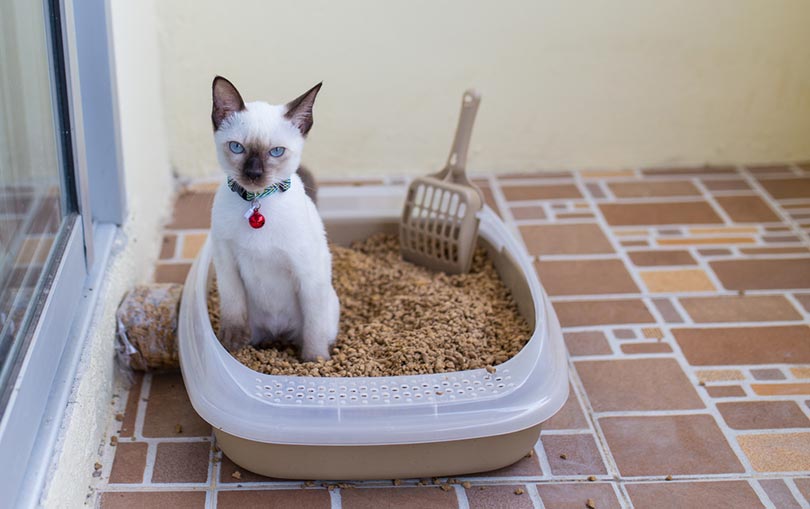
Despite claims that some brands will make, it’s impossible to find completely dust-free cat litter. However, corn cat litter has significantly fewer dust and tracking issues than clay litter. So, if you or someone in your home suffers from dust allergies, you may want to consider using corn litter.
Environmental Impact
Corn litter is produced more sustainably, while clay litter involves strip mining that chips away at and eventually destroys environments. Clay litter is also non-biodegradable material. It’s not compostable and will end up just sitting in landfills without breaking down.
Which One Is Right for Your Cat?
For the most part, corn litter is the better option for your cat. It’s lightweight and soft, so it won’t irritate your cat’s paws. It doesn’t stick to paws easily, so cats won’t be spending a lot of time cat grooming and licking litter from their paws. Corn litter is also made with natural materials, so it’s safer for your cat if they accidentally ingest some. It has a low amount of dust, and it doesn’t track as much as clay litter.
Corn litter can be more convenient for cat owners because it is light and easy to carry. However, clay litter can be more favorable for people because it clumps better, and it’s more affordable. It’s also easily accessible and stocked in most pet stores. It’s the most likely type of litter you’ll find in convenience stores and grocery stores.
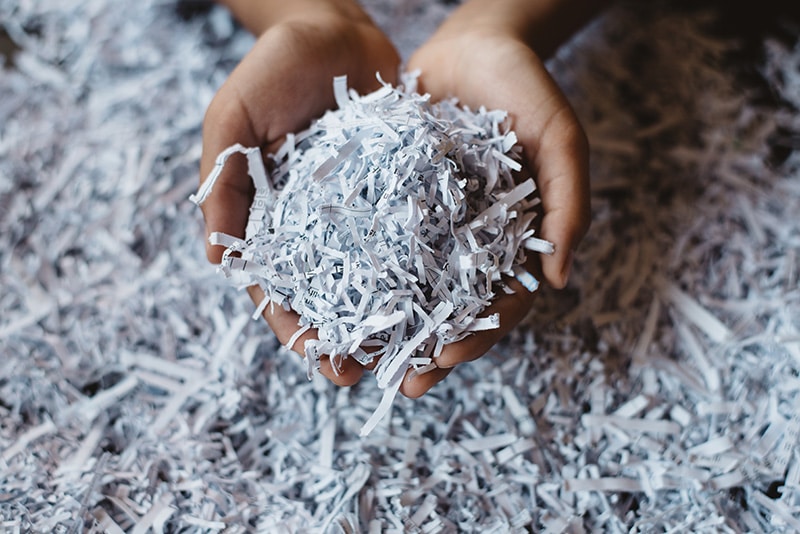
So, clay litter may have a slight edge in convenience for humans, but corn litter has far more benefits for your cat and the environment. If you’re concerned about mold, there are several other eco-friendly alternatives. Both grass seed and walnut cat litter are clumping, and wood-based and recycled paper litter are non-clumping alternatives.
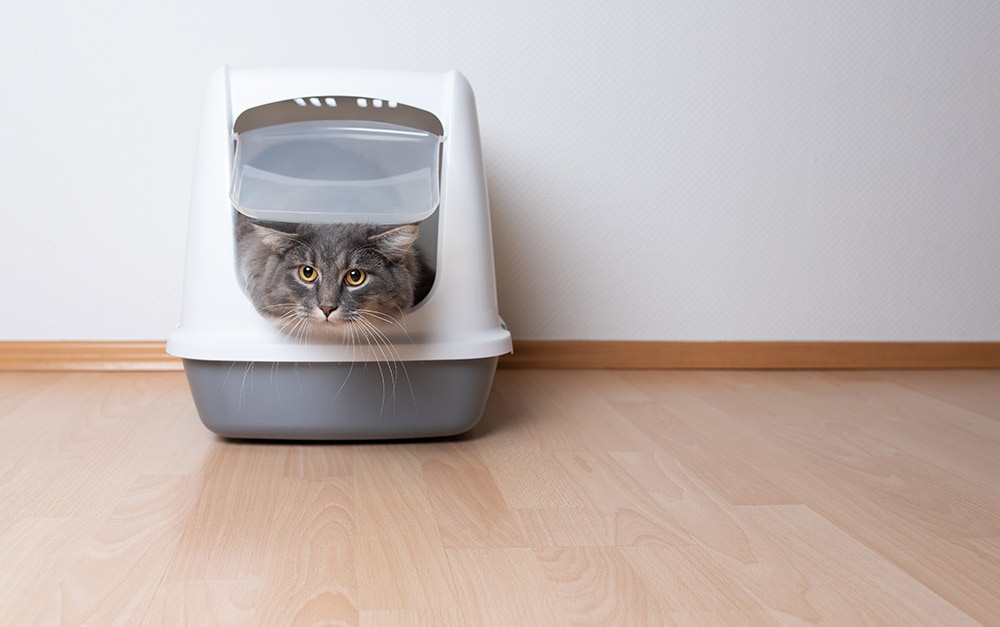
| Corn Litter | Clay Litter | |
| Price | Moderate | Affordable |
| Absorbency | Highly absorbent | Highly absorbent |
| Clumping | Loose clumps | Tight clumps |
| Dust Level | Low | High |
| Environmentally Friendly | Yes | No |
Conclusion
Overall, corn litter is the better option for cats and people. It is safer for the environment, produces less dust, and causes less tracking than clay litter. Corn may not clump as well as clay, but it's still very absorbent and easy to clean up.
It may be difficult to find other types of litter that are cheaper than clay. However, if the price is a concern, other eco-friendly alternatives, such as paper litter and wheat litter, are more budget-friendly options to consider.
Related Reads:
Get Hepper In Your Inbox


Pet care tips from our vets and experts, straight to your inbox.
You may opt-out at any time. View our Privacy Policy for more information.
Jessica is a freelance writer who spends most of her day reading and writing while her fluffy Cavapoo, Nora, naps beside her. She loves and appreciates pets and animals because there’s so much to learn from them, and they do so much for people. As a dog mom, she understands the special relationship that pet parents have with their pets. So, she loves sharing helpful information that people can use to better understand their pets. When she’s not writing, you can find her walking dogs, tending to her plant babies, or drinking her nth cup of coffee.
Join the conversation
Ask a question, share your story, or send private feedback.