Hepper is reader-supported. When you buy via links on our site, we may earn an affiliate commission at no cost to you. Learn more.
Can You Flush Cat Litter? Does It Hurt the Environment? (Facts & FAQ)


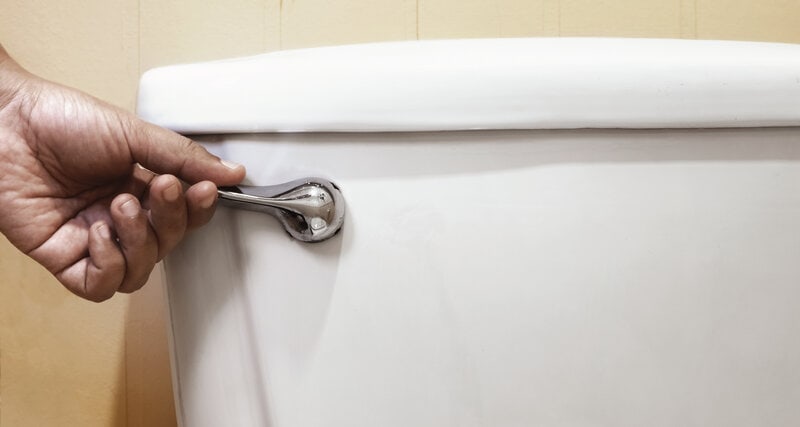
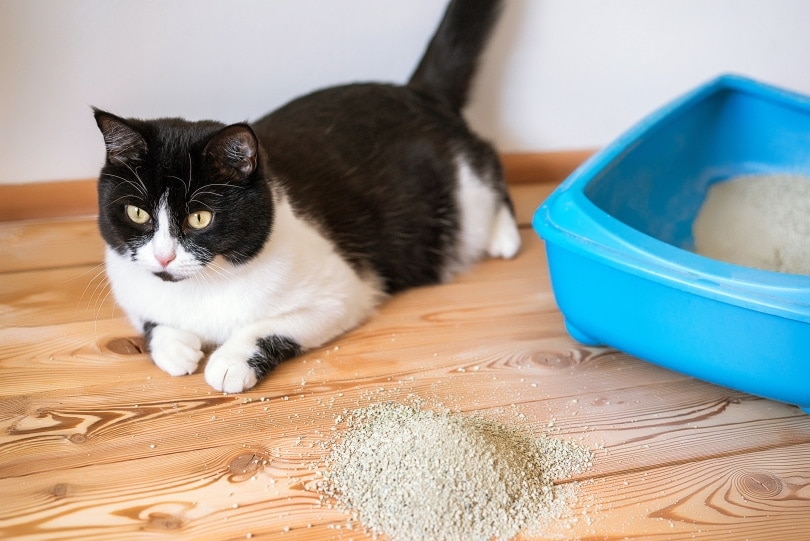
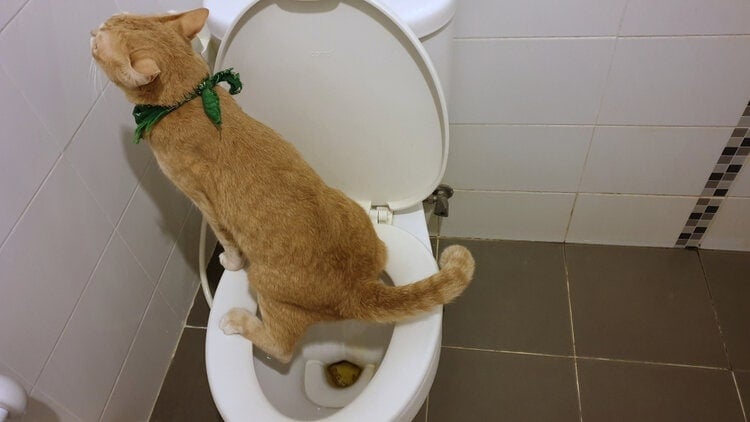
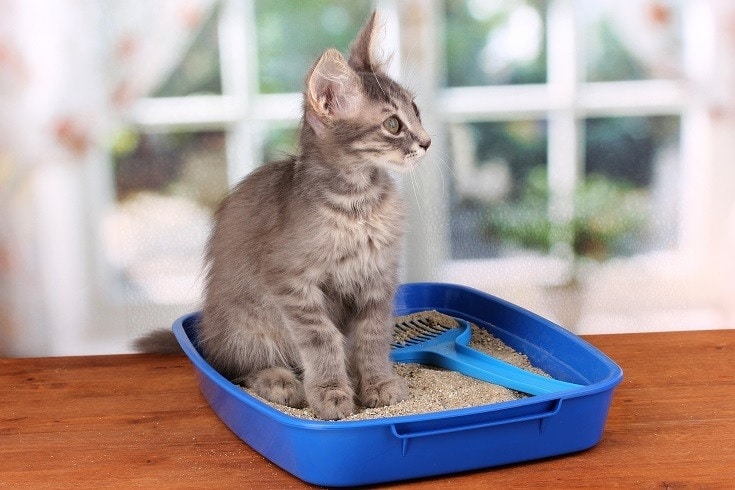
We must love cats because we are always willing to clean out their litter box! If you are environmentally conscious, you might be wondering if you can flush the litter to stop adding to landfills. But is it environmentally friendly to flush cat litter?
The short answer is no. Clay litter should never be flushed, and even cat litter from companies that claim that their litters are flushable should not be flushed either.
Here, we get into the reasons that flushing any kitty litter is a bad idea and the best ways to dispose of it.

A Brief Look at the Different Kinds of Litter
Clay cat litter was once the most popular—and practically the only available—litter on the market. Nowadays, there are many different kinds of litters, and they all have their pros and cons. Here, we briefly go over a few of the more popular cat litter available.
Clay Litter
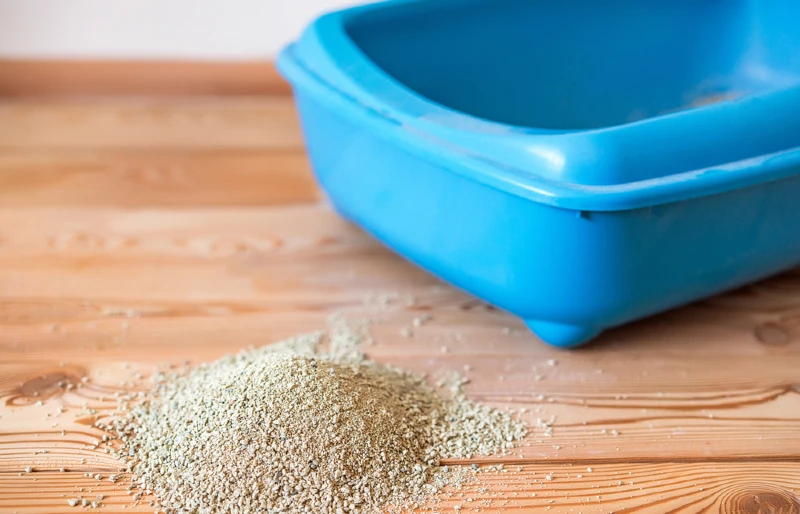
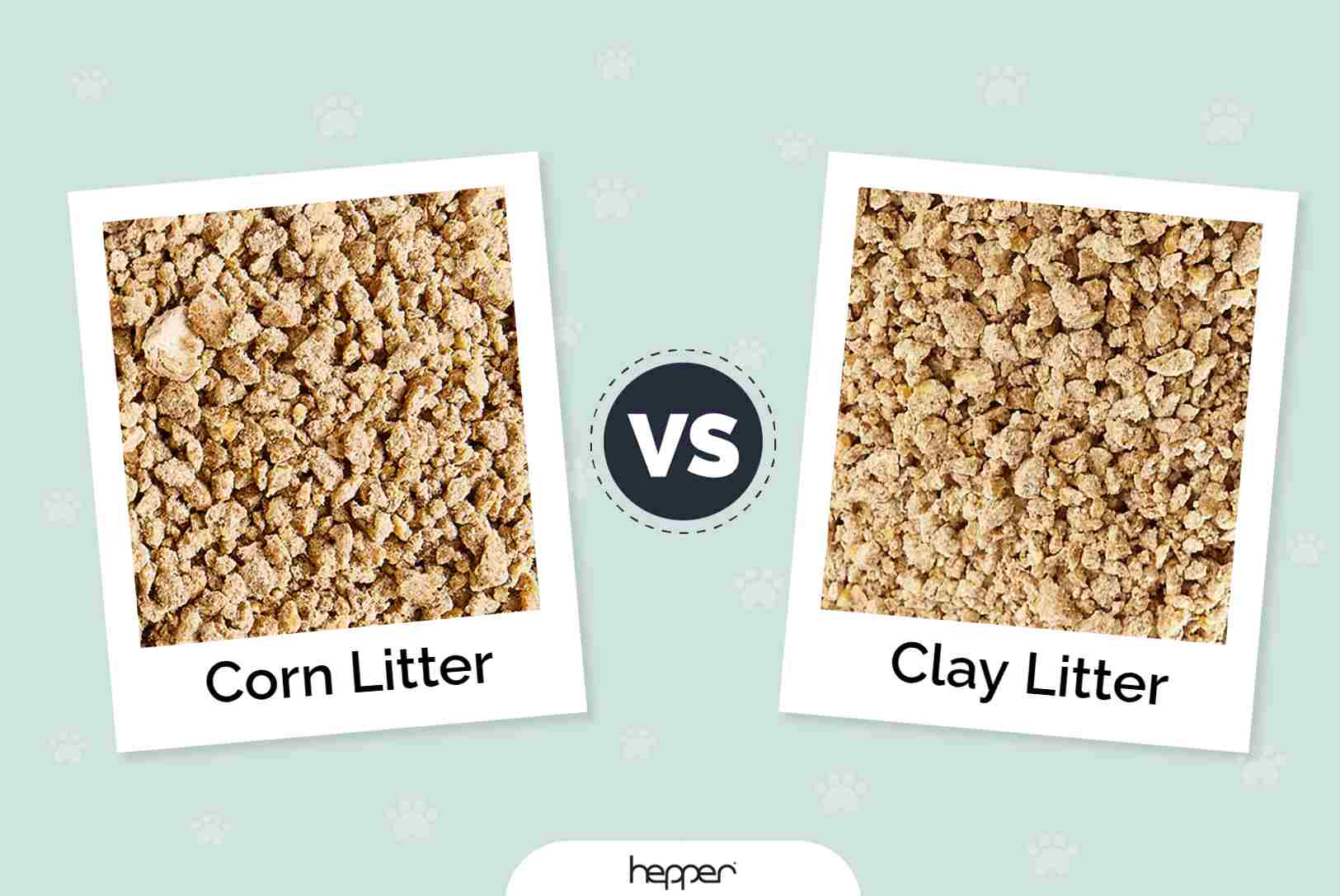
Clay litter has been used since it was first introduced in 1947, and it is still the most commonly used litter today. Depending on the clay litter that you use, it has its pros and cons. The pros are that it can form firm clumps for easy scooping, it’s typically affordable, it provides good odor control, and some versions are virtually dust-free.
The cons are that it can be heavy, and even if you opt for a lightweight litter, it will track all over the floors because it is usually dusty.
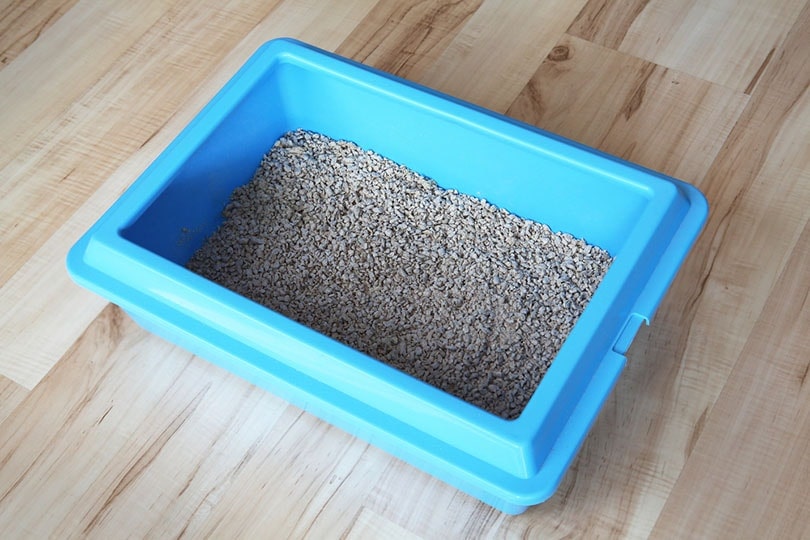
Silica Gel Litter
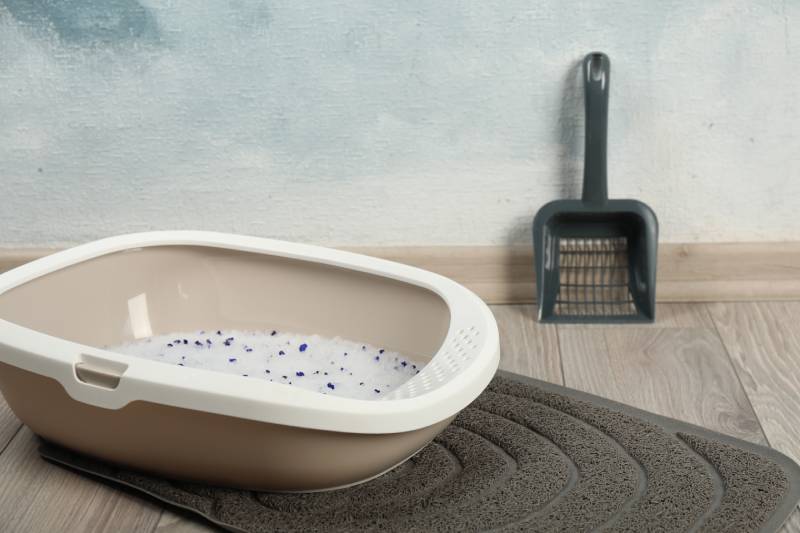
This is one of the latest litters on the market and has been slowly gaining popularity. It is quite good at absorbing liquid and odors, giving cat owners an option as an alternative to clay litter.
However, there have been concerns about the safety of using silica gel for cat litter. Some pet owners are worried about any possible dangers if the litter is ingested. But it contains virtually no dust and is likely quite safe for your cat.
The other problem is whether your cat will even want to use it, but that could be said for any litter out there.
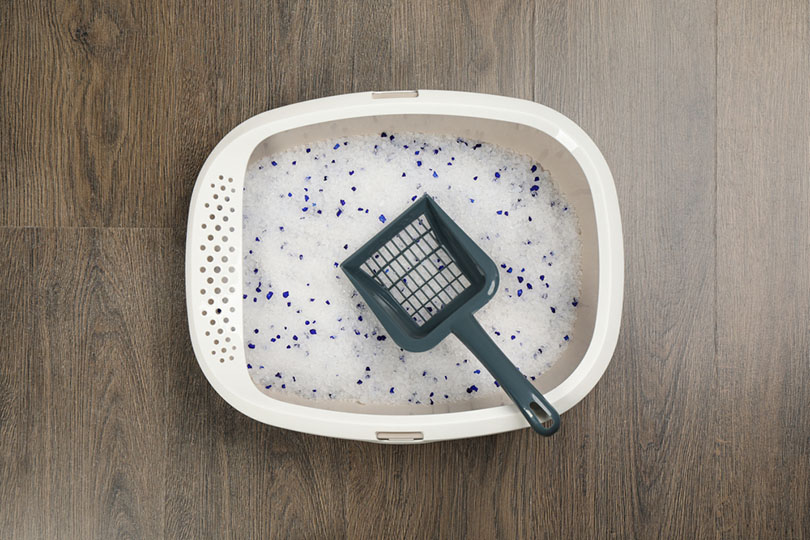
Biodegradable Litter
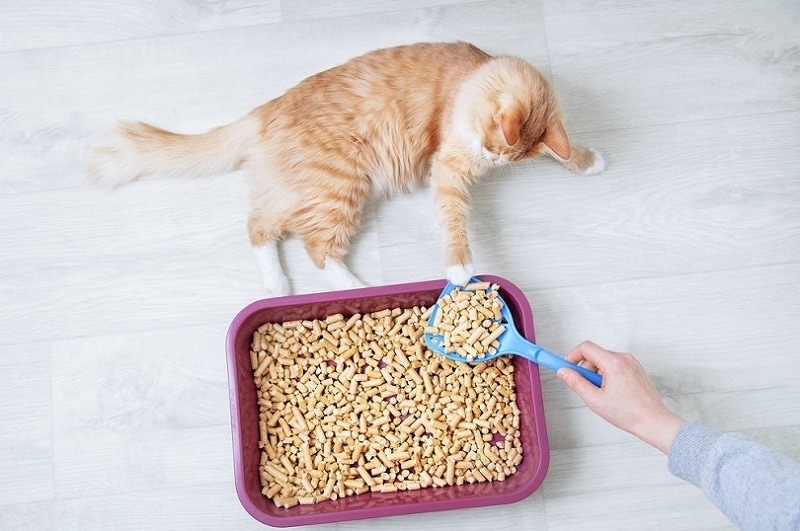
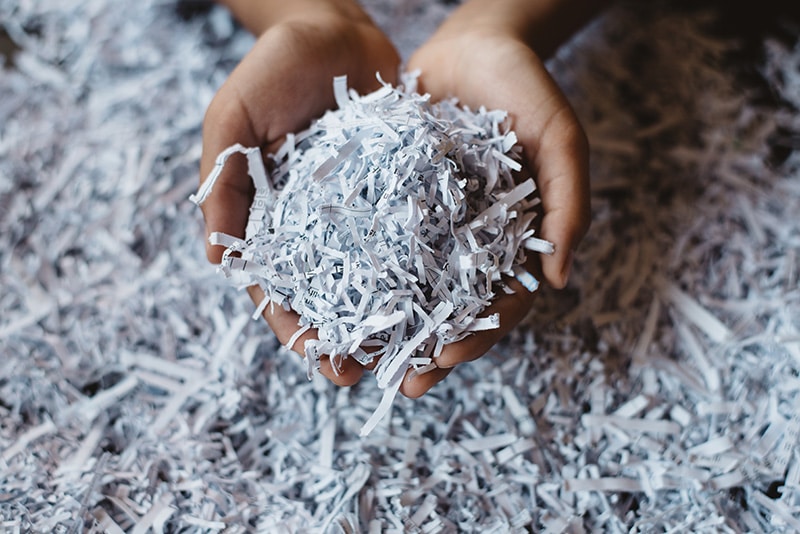
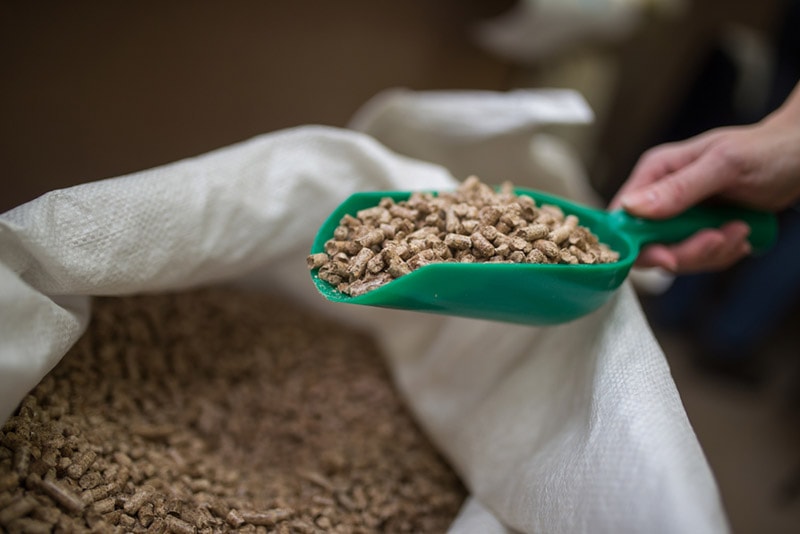
These litters come in quite a variety, including pine, wheat, corn, recycled paper, pine, soybean, walnut, and beet pulp. Just like any other litter, these all have their pros and cons. They won’t clutter up landfills, and many are capable of clumping and absorbing odors and moisture. Most are also soft on a cat’s paws.
But they aren’t quite as effective at clumping and odor reduction as clay and silica gel litters. Also, no matter how biodegradable and environmentally friendly they are, they shouldn’t be used as mulch for an edible garden and shouldn’t be flushed.
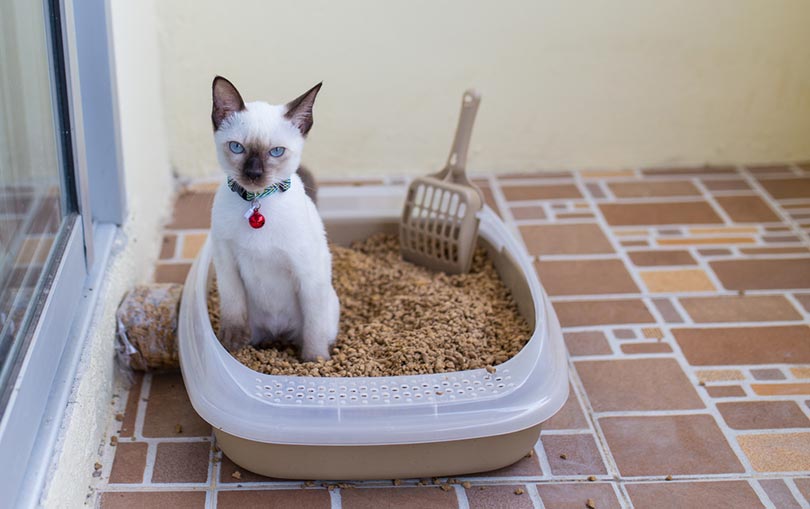
To Flush or Not to Flush?
Many cat litter manufacturers claim that their litters are flushable because of the biodegradable materials they are made with. But it’s in your and your community’s best interests to never flush cat litter down the toilet.
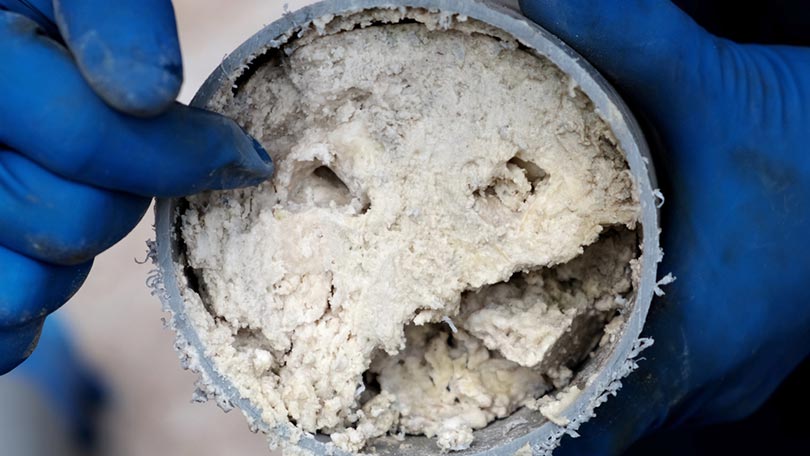
Clogged Pipes
Regardless of what litter manufacturers might say, cat litter will likely clog the toilet pipes, irrespective of the material. The pipes for toilets were not designed to evacuate the large amount of litter that you would need to flush.
Also, keep in mind that many litters expand when exposed to moisture, making them even more likely to clog the pipes. You could think about flushing it down in smaller amounts, but now you’re looking at water waste.
This can be even more of an issue if you have a low-flow toilet, as there won’t be enough water to flush everything down. Furthermore, cat feces dries out quite a bit, which can also create a clogging problem.
Septic Tanks
Septic tanks aren’t designed to break down waste like cat feces and litter, which includes biodegradable litter.
If the litter manages to make it through your toilet’s pipes, it might break down the system. In septic tank systems, microorganisms break down human waste, but they aren’t designed to handle cat litter and waste. This will affect your septic system negatively later.
Environmental and Health Issues
What’s even more important than potentially ruining your pipes and septic tank is that there are serious environmental and health issues with flushing cat litter. Cats carry the Toxoplasma gondii parasite, which can infect humans. If you’ve been pregnant or are planning on it, you’ve probably heard about this disease because pregnant people should not handle cat litter.
The disease is transmitted through cat feces and can affect the eyes, and the baby might also suffer from permanent brain damage. Flushing cat litter down the toilet can potentially introduce the Toxoplasma gondii parasite into the community water supply and consequently, infect other people, as well as marine life.
The symptoms of toxoplasmosis for healthy individuals are:
These symptoms might last for up to a month. For people with compromised immune systems, the symptoms might include:
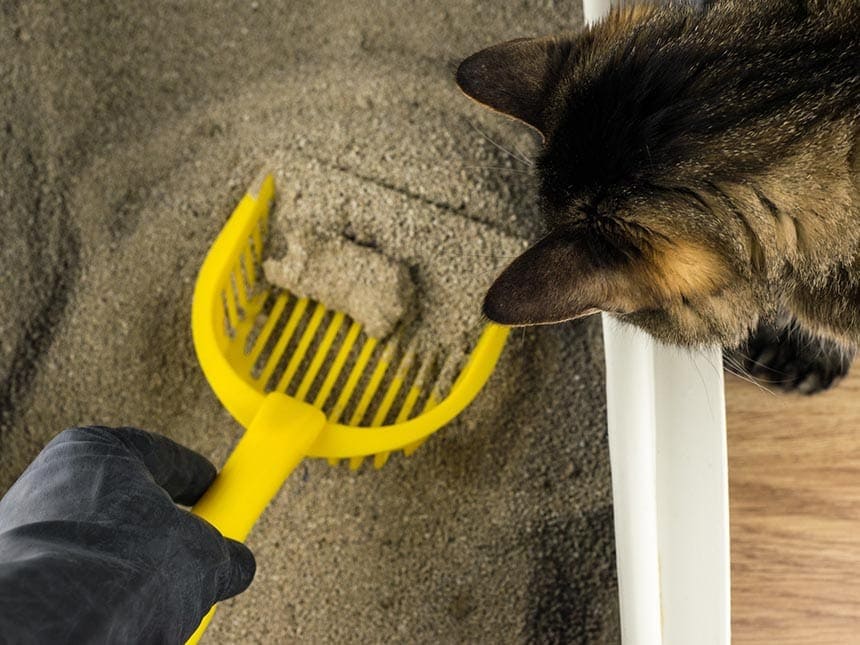
This means you should consider wearing rubber gloves and always wash your hands after dealing with your cat’s litter. If you’re at risk, have someone else clean it.
Potential Issues with Biodegradable Litter
Beyond being touted as “flushable,” biodegradable cat litter involves other issues to consider.
Allergies
Some cats might be allergic to the material used in the biodegradable litter, and most cats don’t tend to have allergies to more traditional litter. Some of this litter is also a bit dusty.
If your cat has skin or stomach sensitivities to certain foods, speak to your vet about what kind of litter would be ideal for your cat.
Hard to Work with
Some of these litters work well enough but not nearly as well as clay litters. They don’t tend to clump well or reduce that unpleasant litter odor. You’ll end up cleaning the litter box more frequently than you would with clay litter.
Expensive
Specialized litter, like the biodegradable kind, is typically expensive, which can be a problem. It may not be cost-prohibitive, but it does add up over time.
Not a Cat’s Favorite
Some cats just might not want to use this type of litter at all. The texture or the odor (which is natural but different) might be enough to drive cats away from the litter box.
This is not to say that using biodegradable litter isn’t something that you shouldn’t try, but just be aware of the potential issues. If your cat enjoys the litter and you can afford it, it’s a much better litter than the other kinds, particularly for the environment.
Best Way to Dispose of Cat Litter
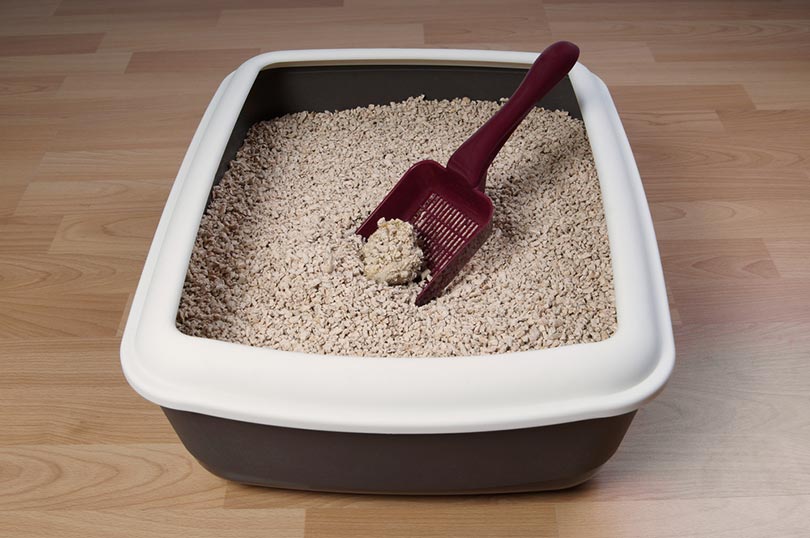
The easiest way to dispose of cat litter is to place it inside a bag, tie a knot, and put it in the trash.
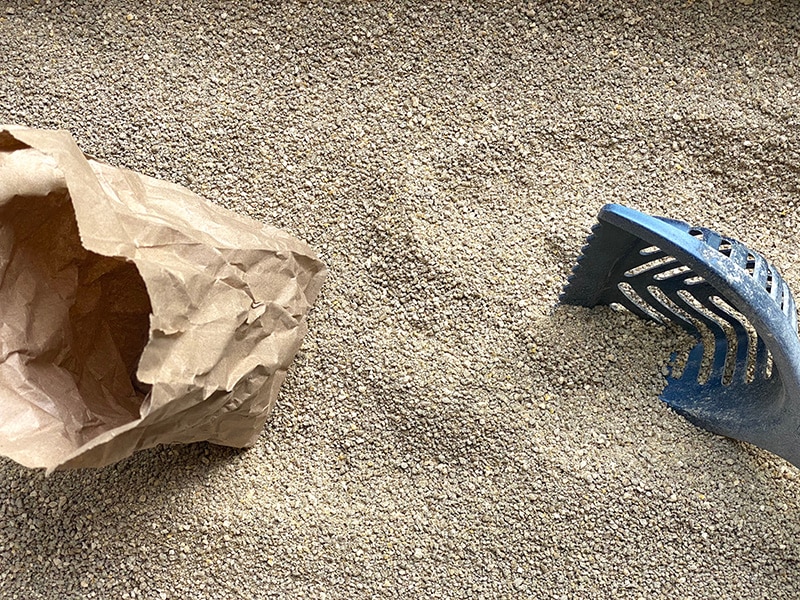
Another option is to go the composting route, which is doable with biodegradable litter. Otherwise, you can place the biodegradable litter in a brown paper bag and throw it into your trash bin. The litter will still decompose and will not add to the landfill.
Conclusion
Using biodegradable litter is a wonderful idea—just don’t flush! Even if the company states that it's safe to be flushed, it is not.
Separating the feces from the litter is an unpleasant job, and you will still waste water and risk needing a plumber.
Featured Image Credit: Winnond, Shutterstock
Get Hepper In Your Inbox


Pet care tips from our vets and experts, straight to your inbox.
You may opt-out at any time. View our Privacy Policy for more information.
Kathryn was a librarian in a previous lifetime and is currently a writer about all things animals. When she was a child, she hoped to work in zoos or with wildlife in some way, thanks to her strong love for animals. Unfortunately, she's not strong in the sciences, so she fills her days with researching and writing about all kinds of animals and spends time playing with her adorable but terribly mischievous tabby cat, Bella. Kathryn is hoping to add to her family in the near future – maybe another cat and a dog.
Join the conversation
Ask a question, share your story, or send private feedback.