Hepper is reader-supported. When you buy via links on our site, we may earn an affiliate commission at no cost to you. Learn more.
Clumping vs Non-Clumping Cat Litter, Which Type Is Best? (Pictures & Info)

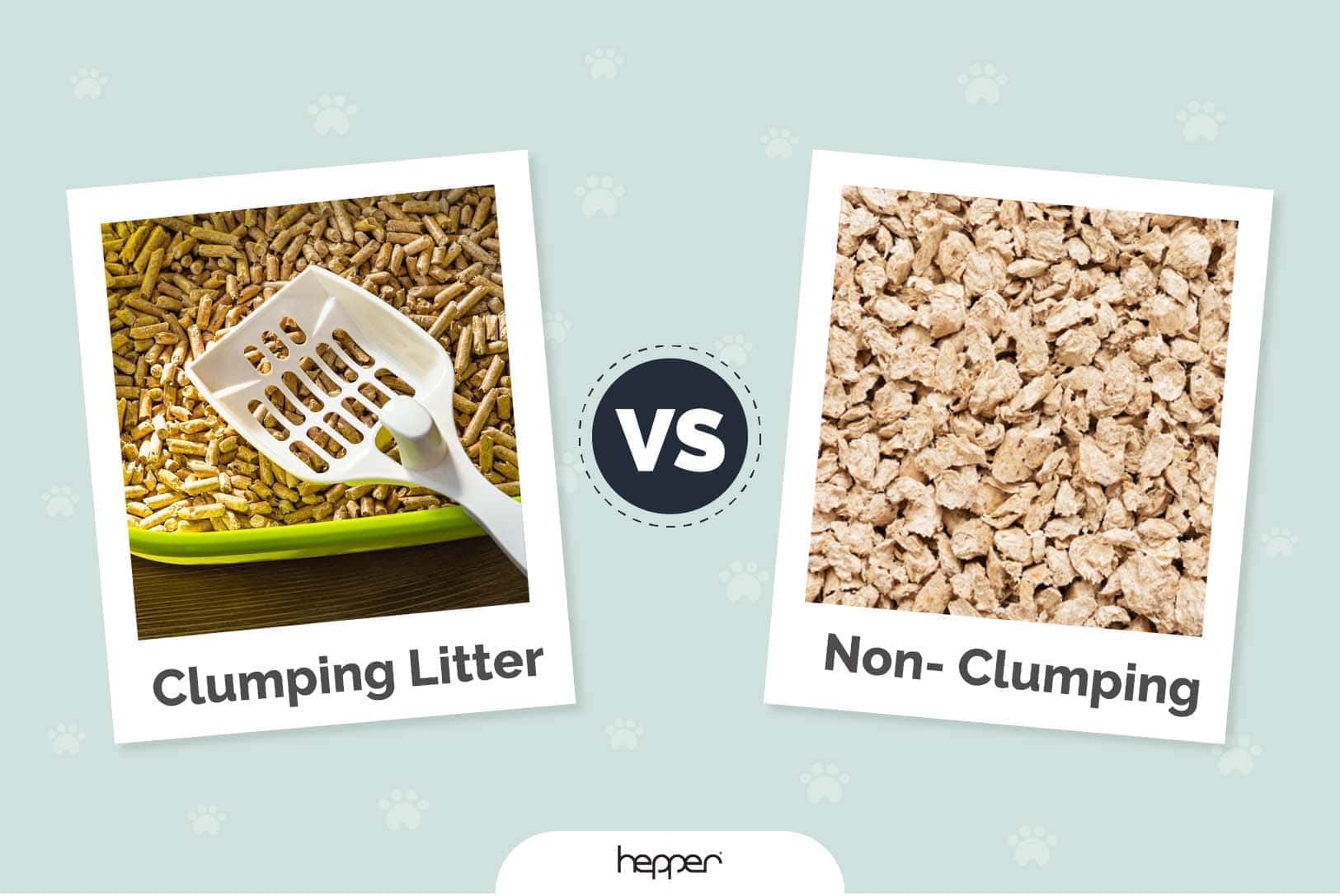
Buying a suitable cat litter can be challenging, especially if you don't know what your kitty likes best. You and your cat will have to compromise when it comes to litter, as you might not both have the same ideas in mind.
It might be tough to know the differences between them due to the endless marketing you see. If you want to know about clumping or non-clumping litter, we went ahead and hashed out the details between the two.

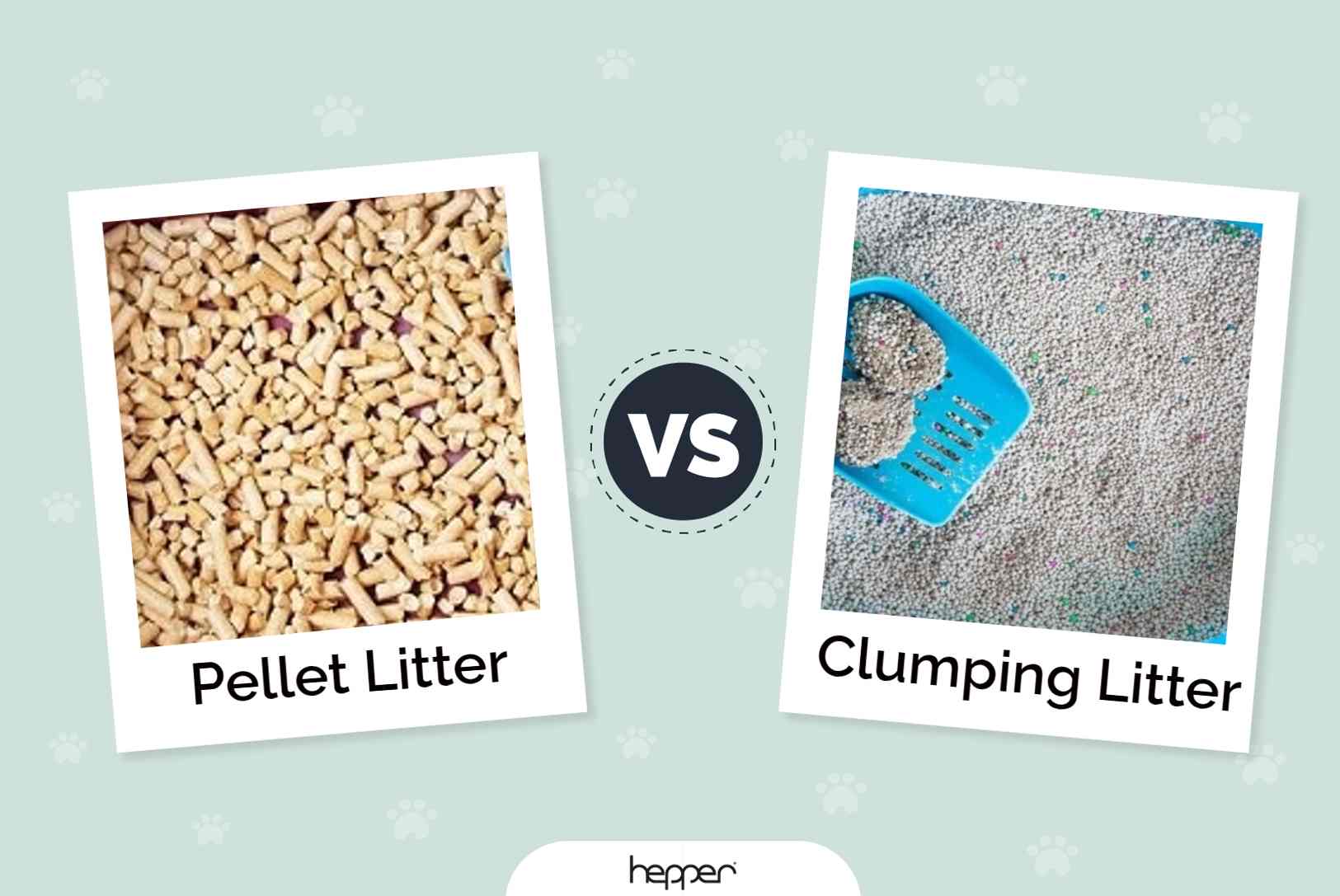
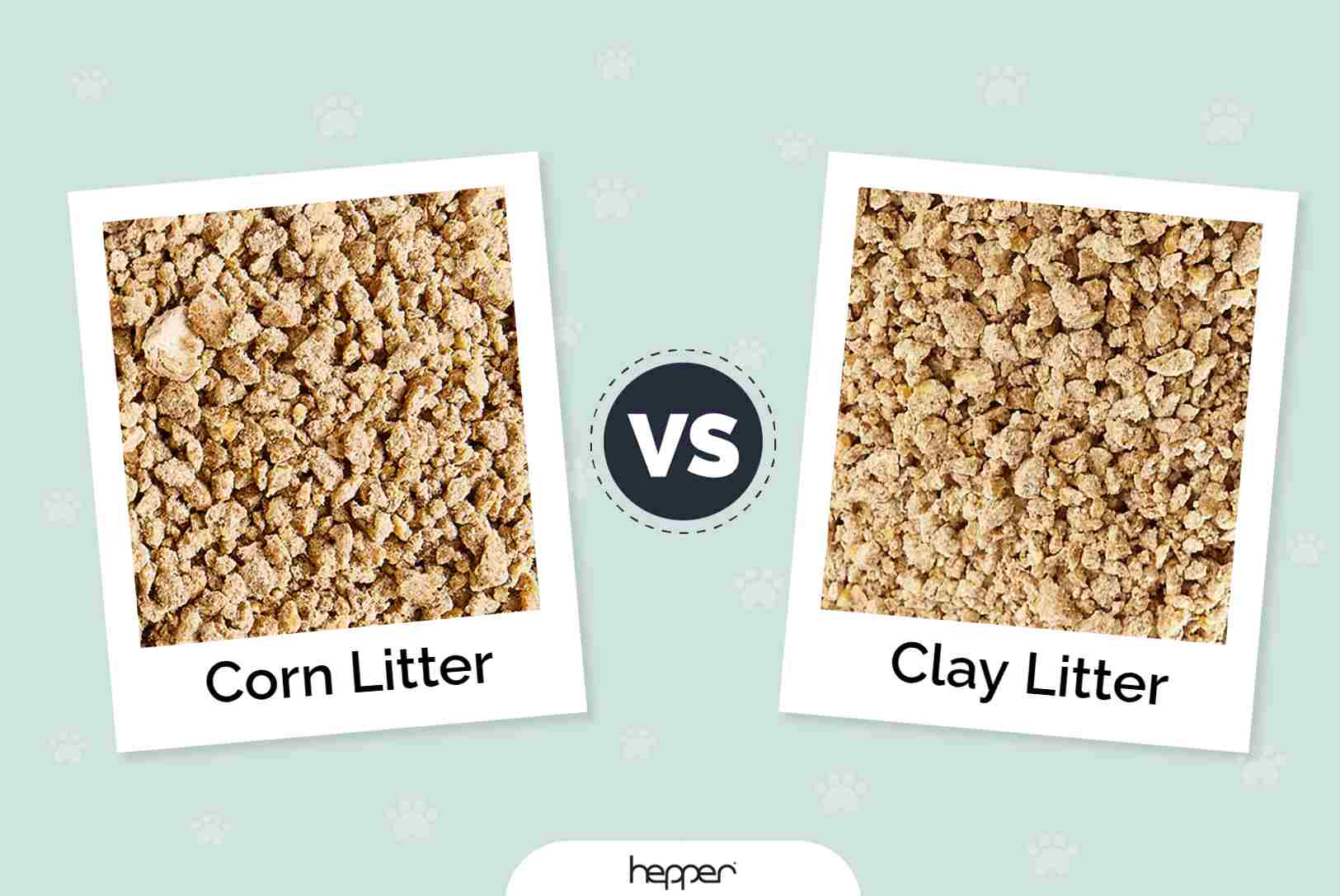
Visual Differences
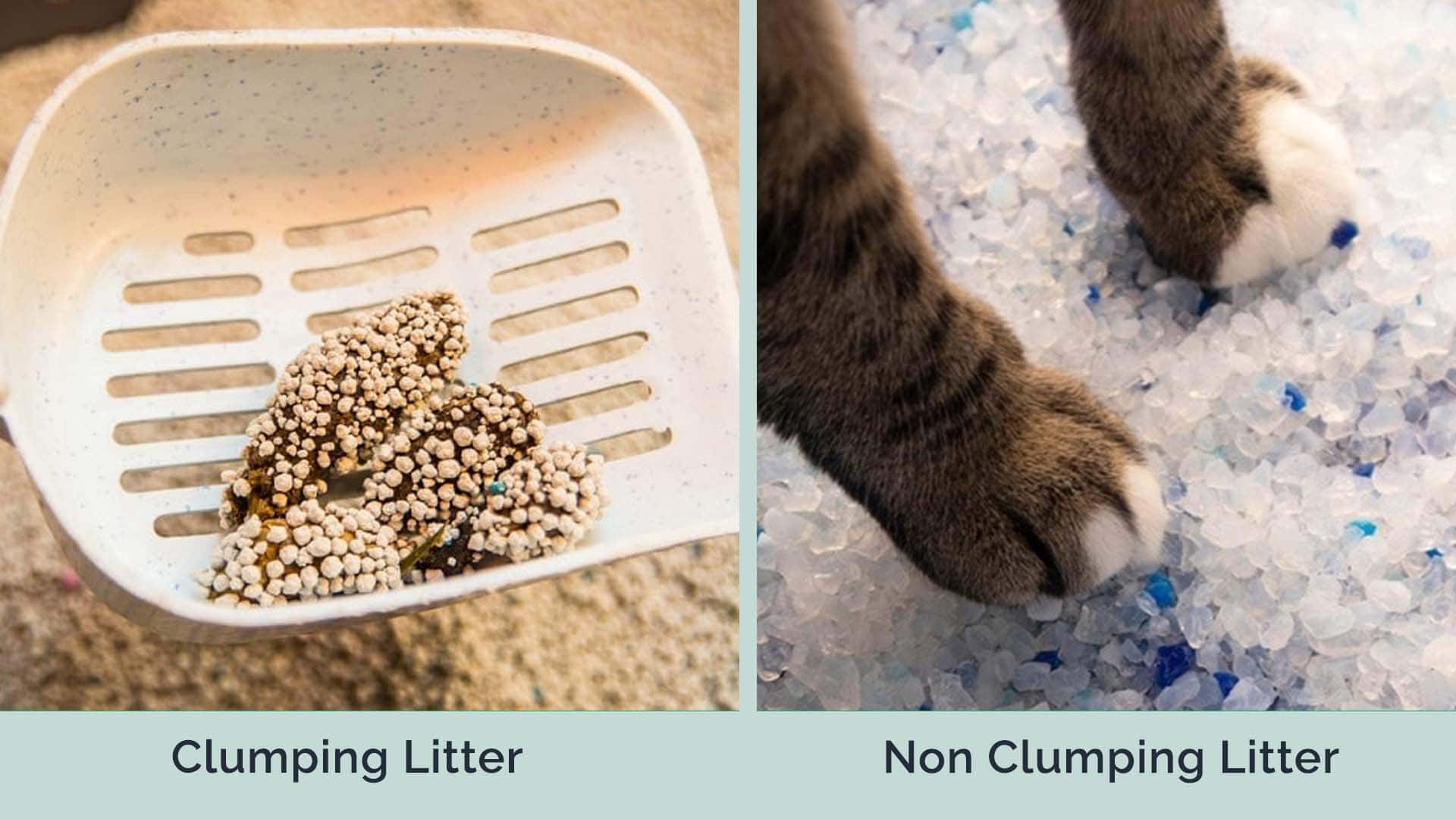
Overview of Clumping Cat Litter:
Clumping litter is a convenient and popular selection among pet owners. Many would rave that it makes cleanup a more straightforward process. Of course, each cat litter brand is different, offering distinct perks or downfalls to consider.
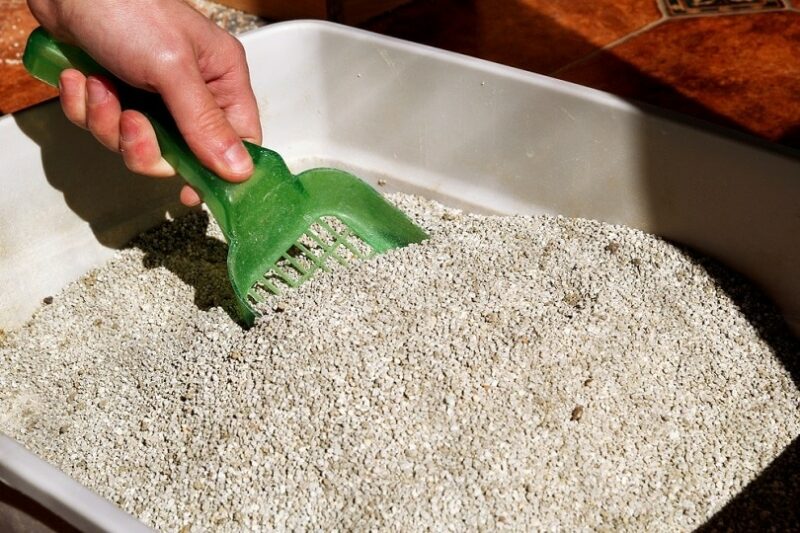
As a whole, clumping litter can come in various scents, granule sizes, and textures. The litter adheres quickly to the waste, cupping around it to create a barrier. It helps to keep the waste from going throughout the litter box to keep the cat box fresher for longer.
Typically, these products contain a type of chemical called bentonite that causes this effect. However, you can buy chemical-free alternatives that have natural clumping properties.
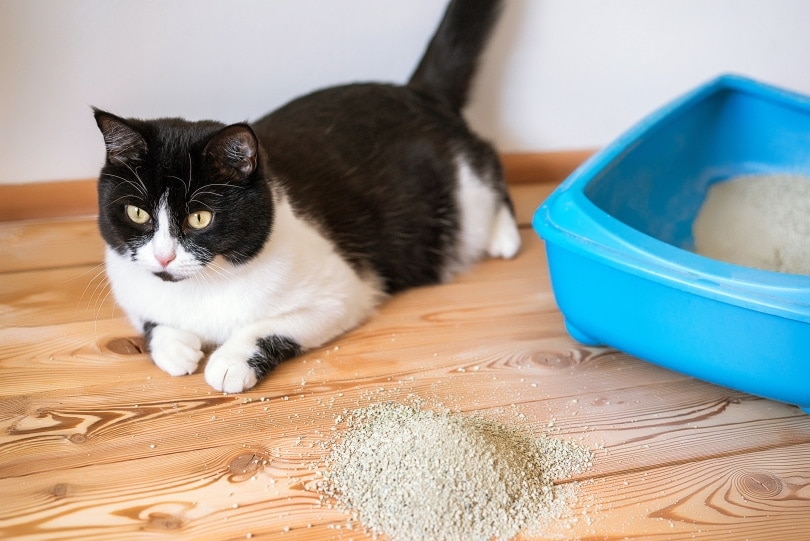
Clumping litter is very good at containing and packing liquid, but it also usually has a higher dust factor since this type usually has small particles. This also leads to higher tracking, getting caught in your cat's paws.
Our Favorite Cat Litter Deal Right Now:

The 5 Types of Clumping Cat Litter
Many common clumping cat litters include:
1. Clay Cat Litter
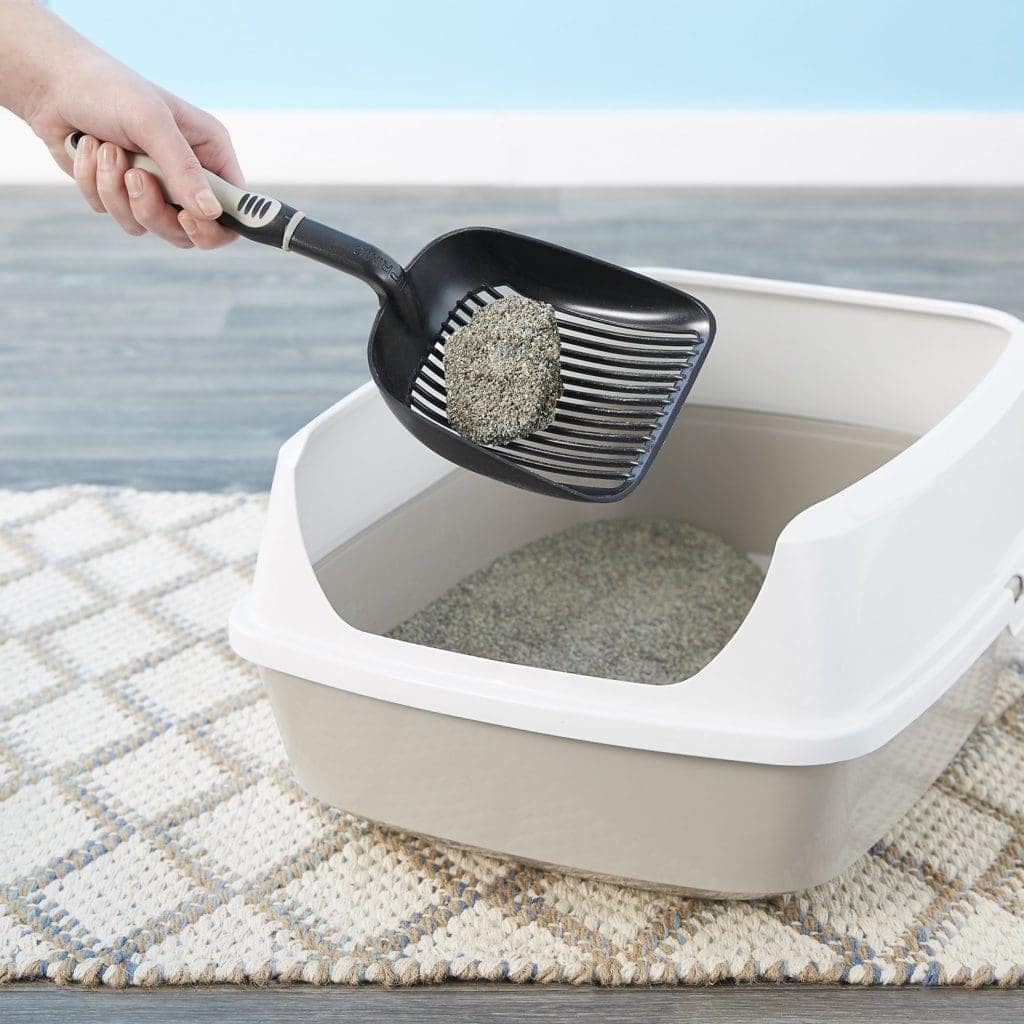
Clay litter has been a popular choice for years because it is cheap and cats are naturally drawn to it. Many clay litters contain silica, which is a carcinogen—so always be careful and read the ingredients.
2. Wheat
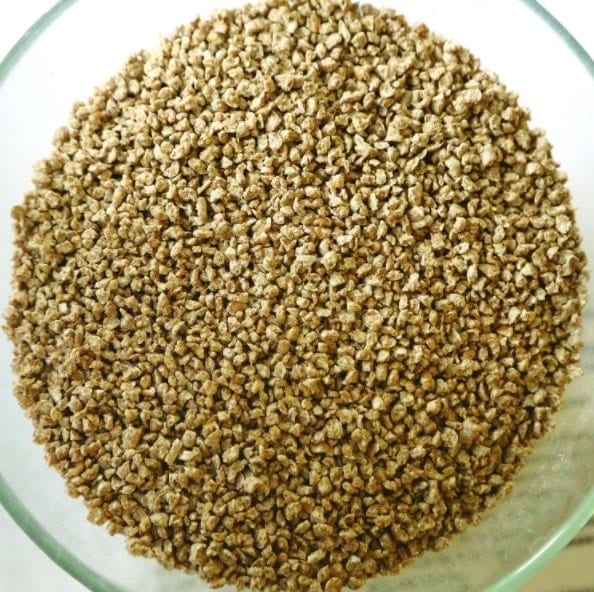
Wheat is a trendy new litter type that is pet-friendly. Because of the small, absorbent granules, it adheres well to cat waste.
3. Corn
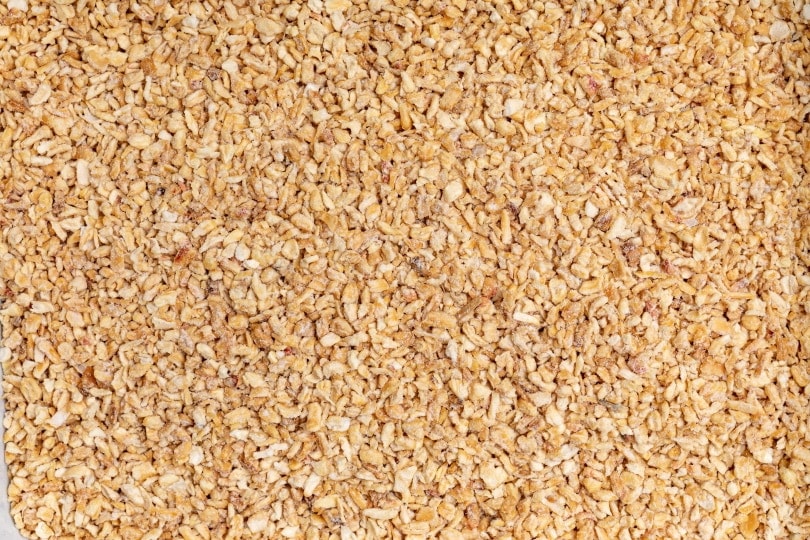
Corn litter is a very safe alternative to many commercial litters. Using the power of crushed corn kernels, it naturally binds with cat waste for a natural approach to other litters.
4. Tofu
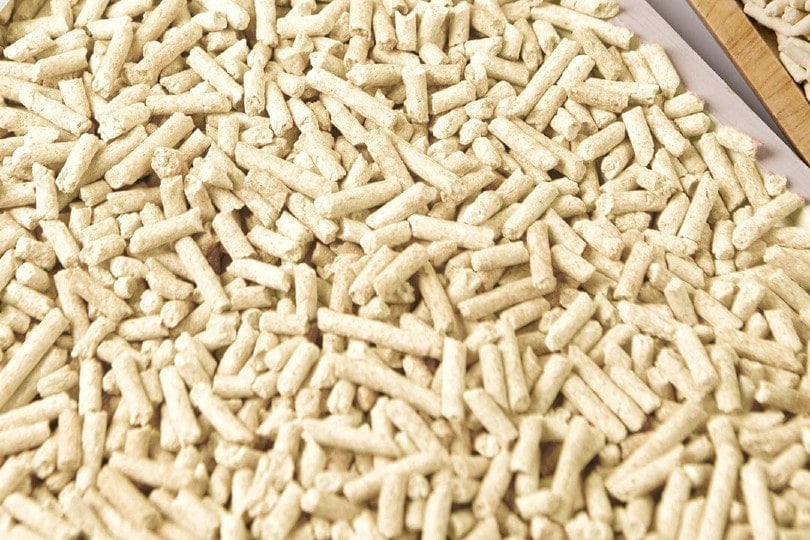
Yes, you read that right—even tofu is a clumping cat litter option these days. It is comprised of bean dregs. Plus, it's edible, so it is also perfectly safe for use as a kitty litter.
5. Wood
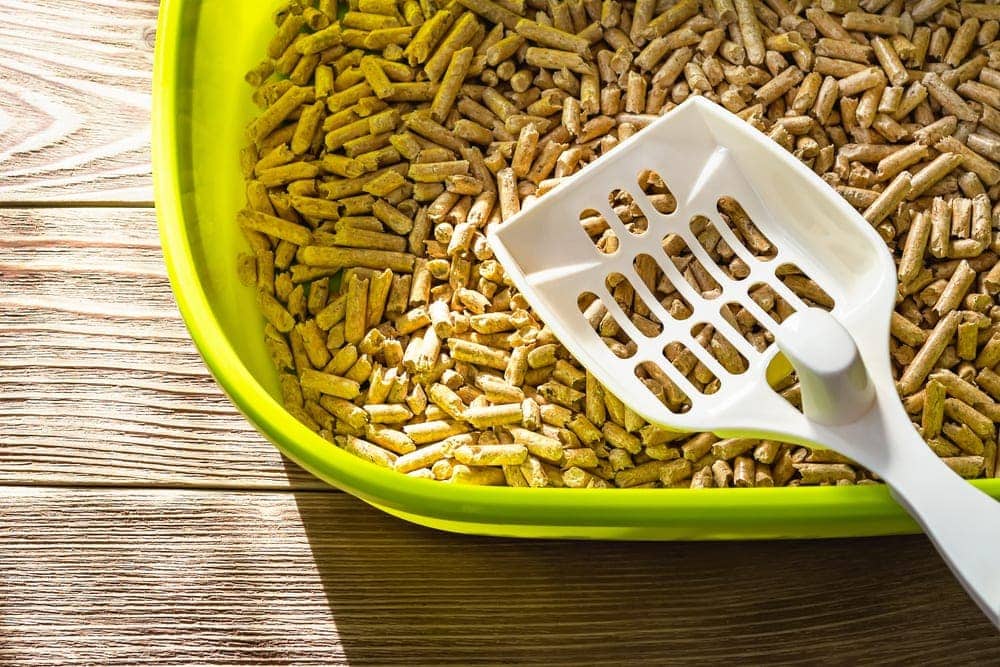
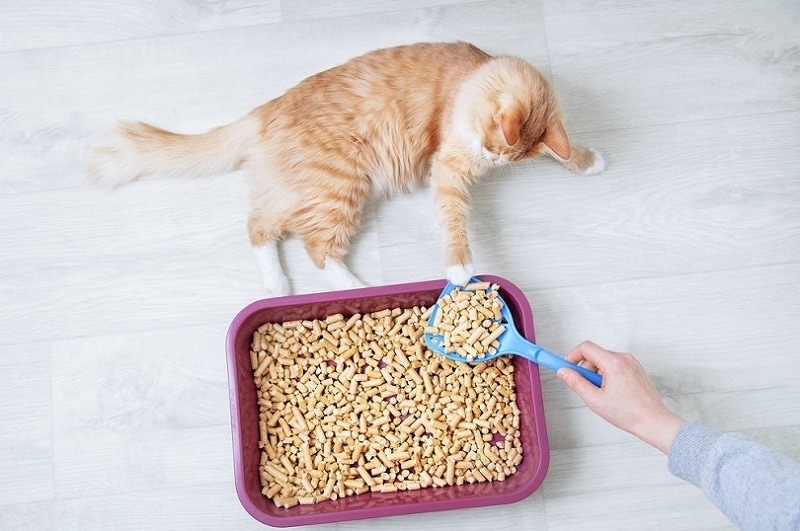
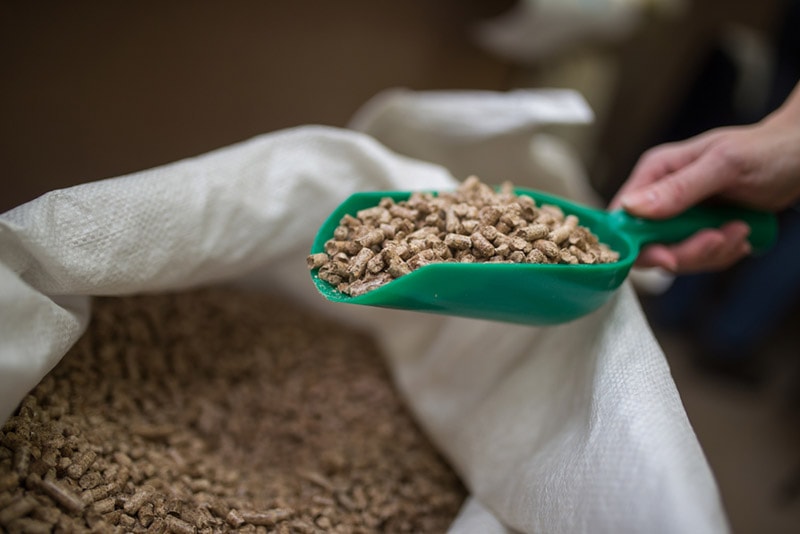
Wood pellets compact nicely to cat waste, making it an affordable and eco-friendly choice for clumping bedding. Plus, the pellets are usually very low tracking since the pieces are too big to squish between toe beans.
Let's take a look at that breakdown. Here's the good and bad of clumping cat litter:
Pros
- Condenses around waste
- Easy to sift and clean
- Available in natural materials
- Variety of selections
- Prevents waste from settling on the box bottom
Cons
- Some clumping litters contain chemicals or harmful additives
Overview of Non-Clumping Cat Litter:
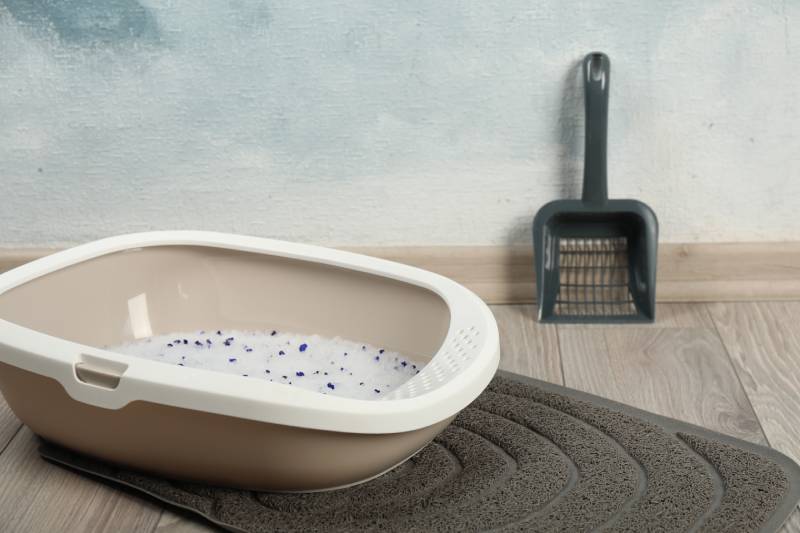
Non-clumping cat litter doesn't share the same makeup as clumping cat litter. Rather than having natural or chemical properties to cause the waste and litter to bind together, non-clumping cat litter just lets the urine soak down but not bind to the particles.
While this is not a problem for when your cat goes number two, urine can pose quite a different challenge. Sometimes, the pee sits on top, pooling up before slowly sinking through. And when you clean the litter box, you have to change the entire box since the urine-soaked particles mix.
But non-clumping litters tend to be less dusty than some other selections, which is one major upside if you have a sensitive kitty. The granules tend to be larger, reducing small particles and airborne pieces as well.
The 5 Types of Non-Clumping Litter
Non-clumping litter comes in all sorts of pretty packages.
1. Clay
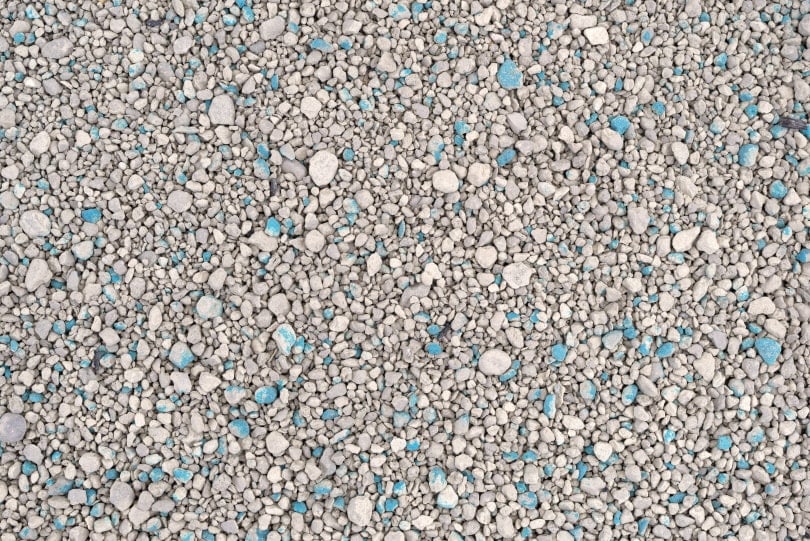
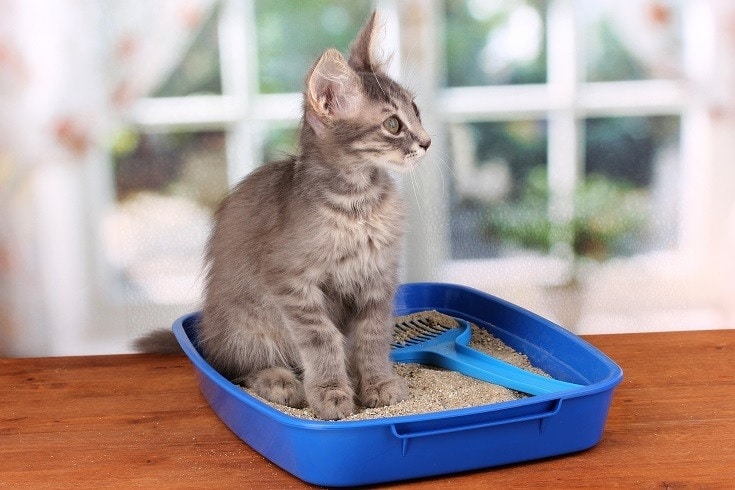
Clay is probably one of the most common cat litters in both clumping and non-clumping selections. A major downfall to non-clumping clay litter is that the urine does pool throughout, making it hard to sift through.
2. Pine
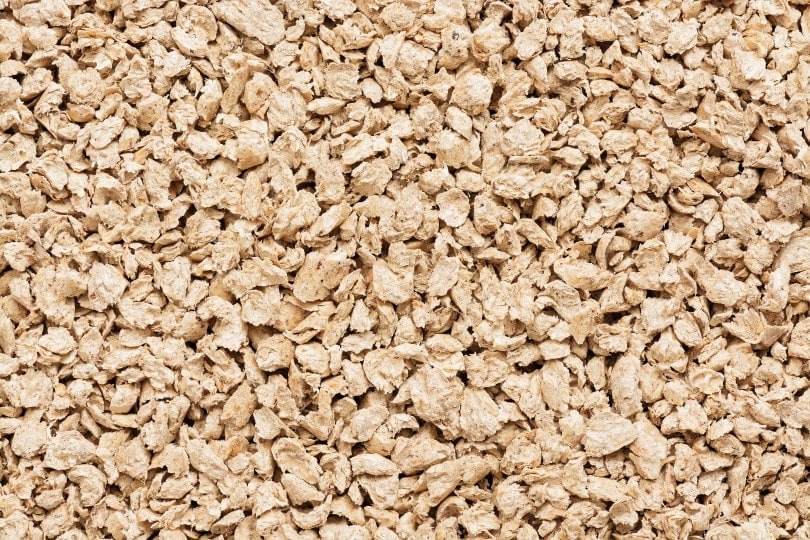
Pine wood shavings or granules have a wonderful smell, providing a fresh non-clumping litter. It's usually very absorbent and odor-resistant.
3. Recycled Materials
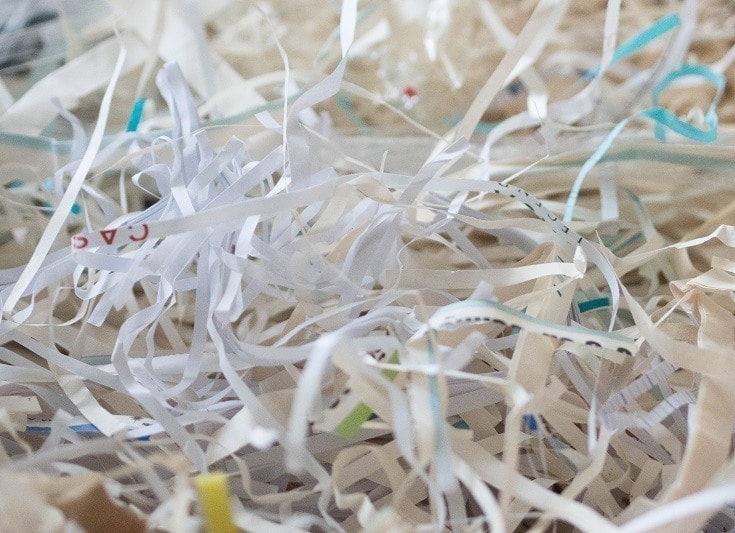
You can find all kinds of recycled options with non-clumping kitty litter. These selections are a terrific way to give thanks to the environment. However, it will need to be changed more often.
4. Paper Pellets
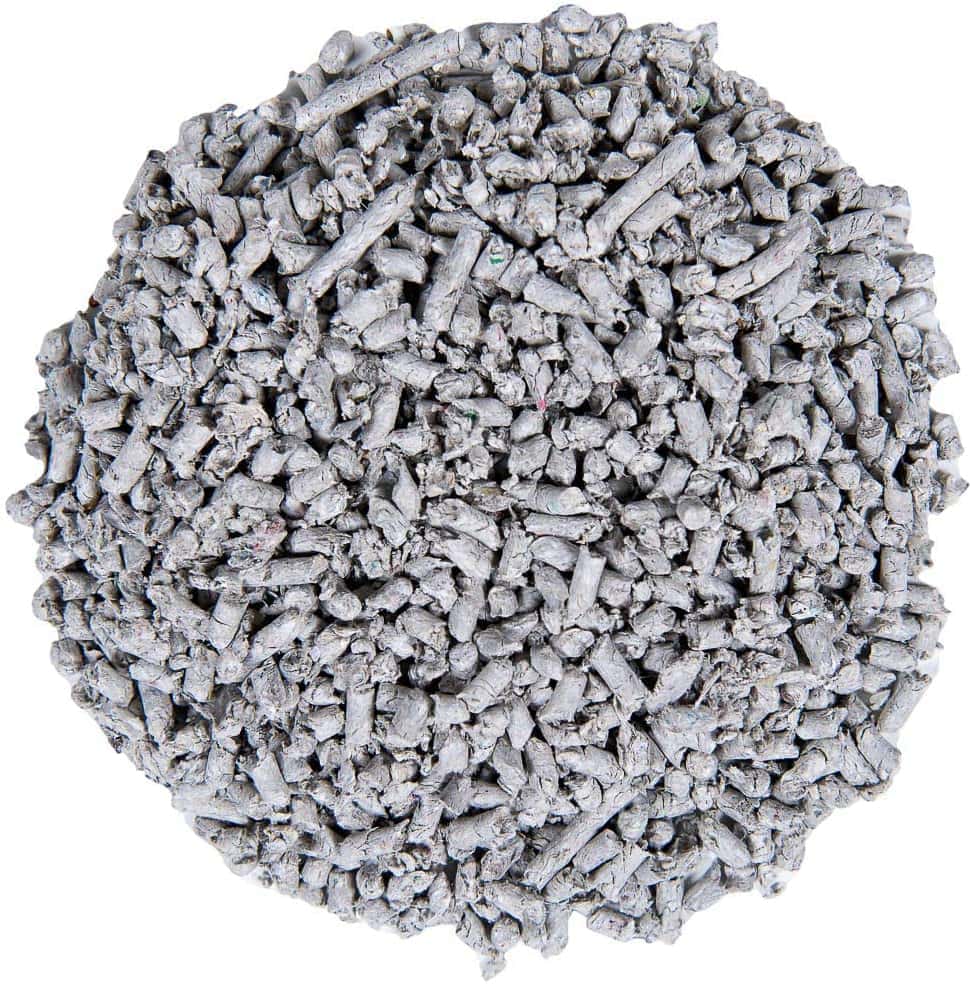
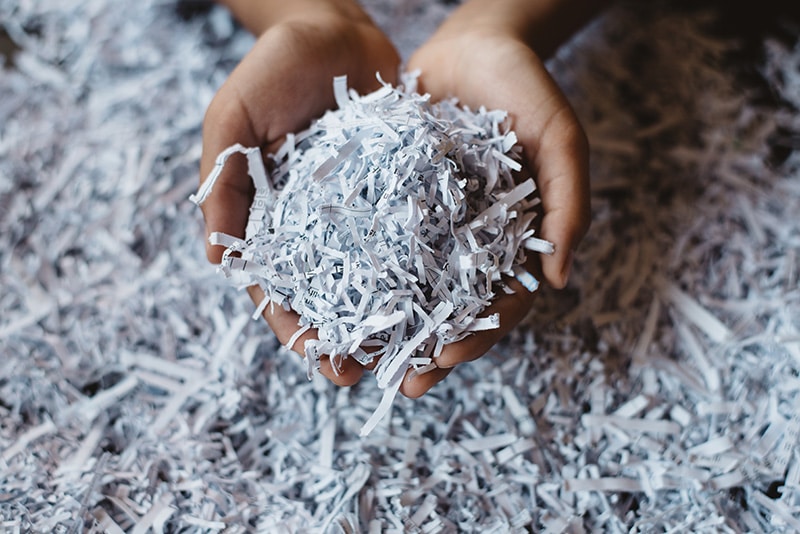
Paper pellets are a completely cat-safe and environmentally conscious option. However, paper litter saturates quickly, so it isn't as long-lasting as some others.
5. Silica Crystal Gel Litter
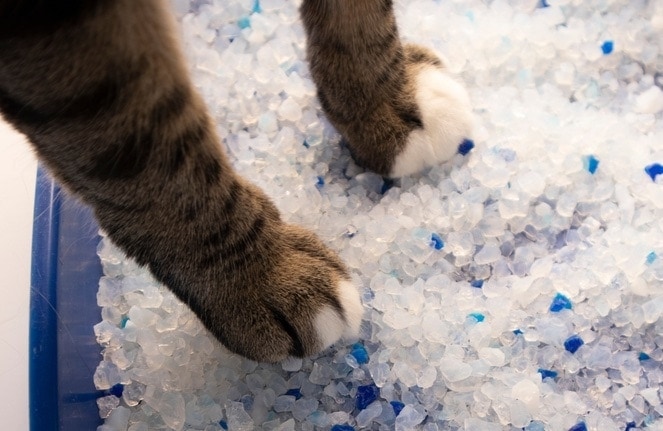
Even though we mentioned earlier in the article that silica can be dangerous for cats, these litters are specially formulated to be completely safe for your kitty friends. It uses crystals to soak up liquids and fight odors.
Which Litter Is Best?
We have to be honest: out of the two, clumping cat litter takes the cake. It's simply easier to clean, which allows you to stretch the litter further. Plus, cats are very clean creatures, which means they want their litterbox to be in tip-top shape.
Even after the litter is changed you may be left with smells and stains around the house – but with the Hepper Advanced Bio-Enzyme Pet Stain & Odor Eliminator Spray, you can take care of it all. It's our product, and we love it so much, we just have to share it! It permanently removes the very worst smells and stains, and we offer a 100% satisfaction guarantee!

- ADVANCED ENZYMATIC CLEANER - Penetrates the most stubborn smells and stains at the deepest molecular levels to dissolve any pet mess you encounter and lift it away at the source.
- FOR ANY MESS, ON ANY SURFACE - This pet odor eliminator cleans your carpets, floors, furniture, fabrics, and more. Whether it's urine, feces, vomit, or drool, you can erase all foul spots and smells!
- FRESH, NATURAL ODOR - Our unique formulation doesn't rely on dangerous or unpleasant chemical fragrances to get the job done. We eradicate smells and stains, not just cover them up.

Conclusion
So, we learned that the biggest difference between clumping and non-clumping litter is just what it says—one clumps together moisture and waste, and the other doesn't. We think that clumping litter works best because it is easier to scoop, super absorbent, and sanitary.
However, non-clumping litters are generally low-tracking with less dust, which is more desirable for some owners. Sometimes, you can get lucky and find the total package in any litter. Ultimately, it's up to you. Which type of litter do you prefer?
See Also: Is silica gel litter safe for cats?
Featured Image Credit: (L) Maryia_K, Shutterstock, (R) Yulia Gust, Shutterstock
Get Hepper In Your Inbox


Pet care tips from our vets and experts, straight to your inbox.
You may opt-out at any time. View our Privacy Policy for more information.
Ashley Bates, a freelance writer with a passion for pets, is currently studying animal therapy. She is a mother to four children and 23 pets, both furry and feathery. Ashley actively volunteers at local shelters, advocates for animal welfare, and rescues animals in distress. Her mission is to promote awareness, education, and entertainment about pets to help prevent animal homelessness. She specializes in the care and well-being of dogs and cats.
Join the conversation
Ask a question, share your story, or send private feedback.