Hepper is reader-supported. When you buy via links on our site, we may earn an affiliate commission at no cost to you. Learn more.
How to Dispose of Cat Litter: 5 Easy & Effective Options

In this article
Cleaning the litter box is an unfortunate part of cat care. Sure, it's really cool that an indoor cat can do their business without trips outside. However, it comes with effort on your part.
Cat litter is one of the most commonly bought cat products you will spend money on every month. There are tons of different types, which make disposal techniques differ. If you're wondering about the best method to dispose of these stinky clumps, we will get down to the nitty-gritty (pun intended).

Consider the Litter You Have
Before we dig into the details of how to dispose of cat litter properly, we will discuss different litter options. It seems with the ever-changing pet market, there are always new products out there to try.
Here are some of the most common types of cat litter:

The 5 Ways to Dispose of Cat Litter
The best way to dispose of cat litter will depend on the type of litter you have. Let’s look at some of the various ways you can make disposing of cat litter easier and more efficient.
1. Designate a Single Trash Can for Cat Litter
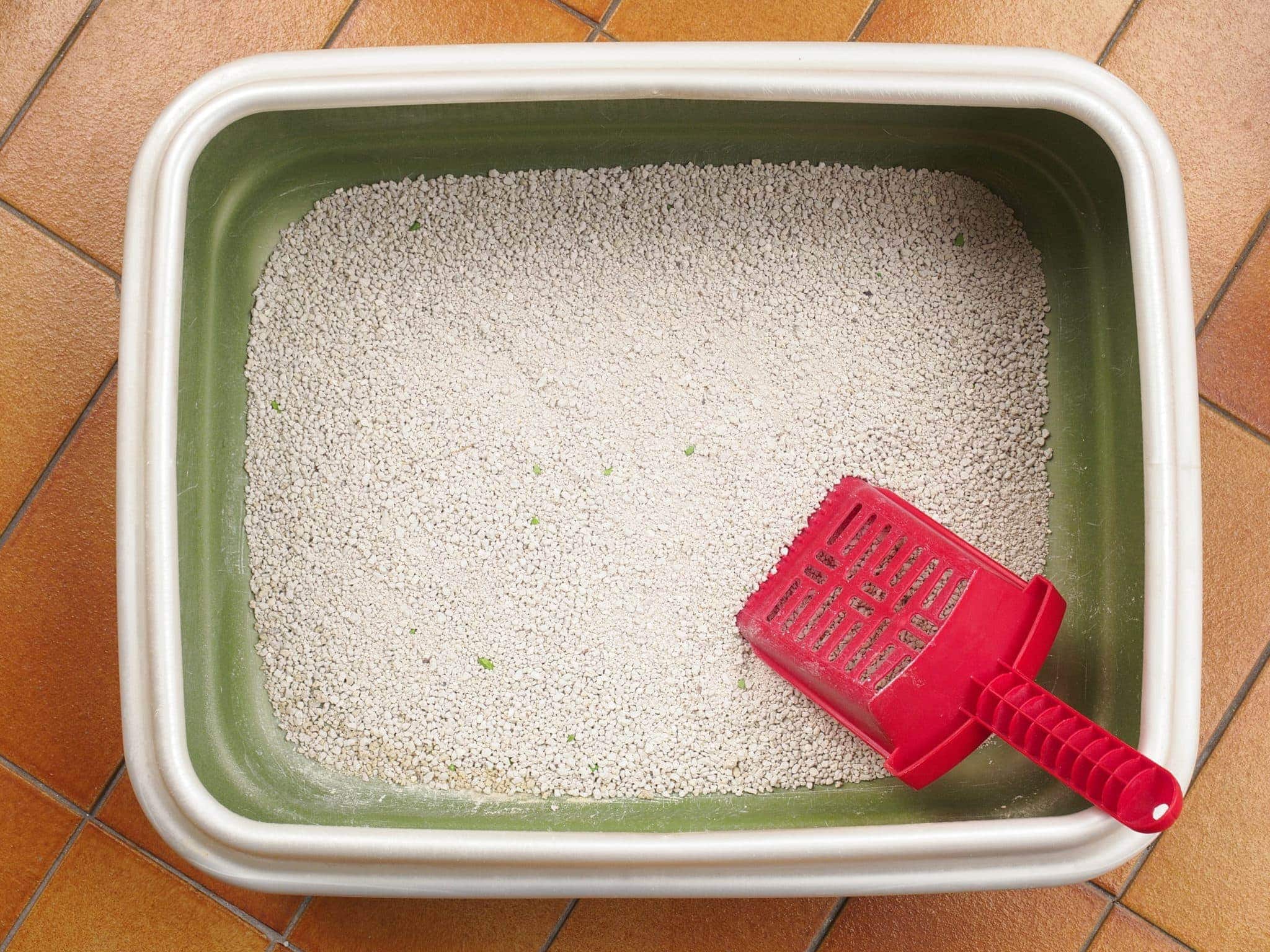
Designating a specific trash can for cat litter might be the easiest, especially if you have basic clumping or non-clumping litter. This is a much better option than stinking up your kitchen or bathroom trash can with bags of litter. Instead, you can have your own personal trash can to dispose of your cat's litter to contain it before tossing it out on trash day.
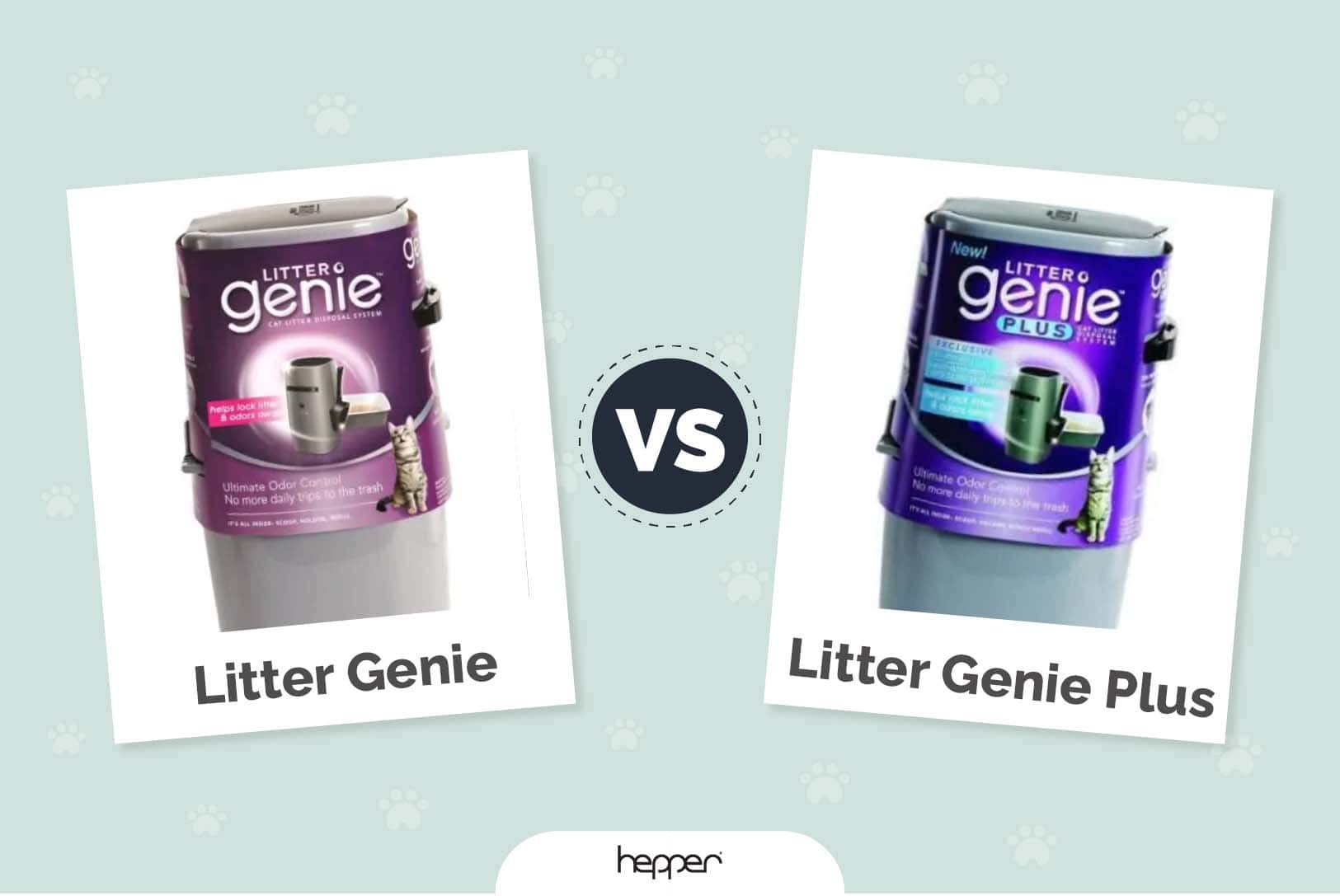
No two trash cans will work quite the same. There are trash cans designed to contain cat litter, such as the litter genie. These trash cans contain the smell of litter through specific mechanisms. They tend to be more efficient since they are explicitly designed for this purpose.
However, if you don't want to dish out the high dollar on such an item, you can always choose another type of trash can that works best for you. You can use a traditional tin or plastic trash can, just make sure you have a way to seal off each bag to contain the smell.
2. Make Daily Spot Cleaning a Habit
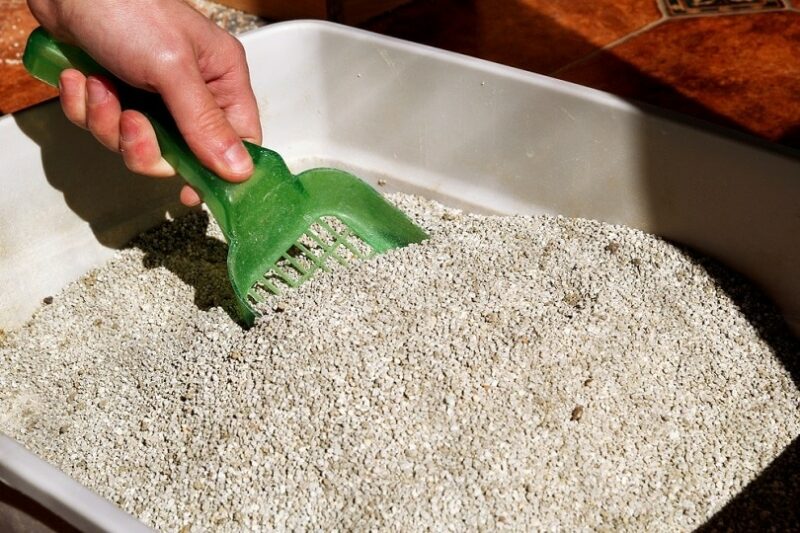
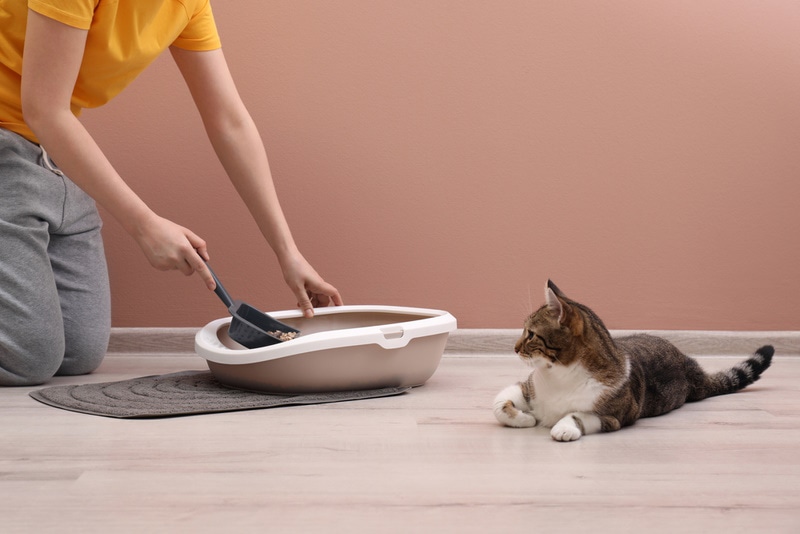
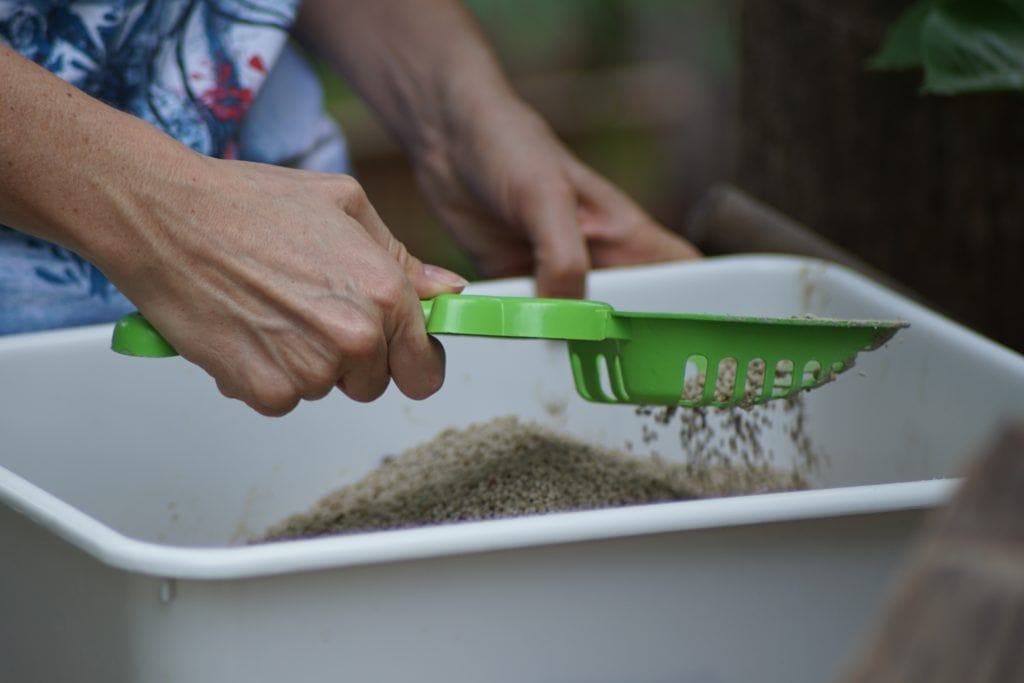
If you're looking for proper ways to dispose of your clumping cat litter, try spot cleaning every day. You can take a plastic poop bag or grocery bag and simply remove the clumps you find in your cat litter.
This helps you throw away less at a time, making it easier to toss in with the regular trash. Spot cleaning also allows you to keep litter fresher for longer.
3. Buy Compostable Litter
If you buy compostable litter that you can put out to decompose, it makes the process a lot simpler. You can save a lot of headaches and repurpose the cat litter for good use. But how exactly do you compost cat litter? We're glad you asked.
Ultimately, you will add alternating layers of carbon and nitrogen. Monitor temperatures and moisture carefully. Eventually, the microorganisms will break down the waste organically, leaving behind a humus that is rich in nutrients. You can use this compost to spread around plants or flower beds.
Our Favorite Cat Litter Deal Right Now:

4. Buy Flushable Litter
Buying flushable litter makes cleanup a breeze! You must make sure you buy a specific type of cat litter designed to decompose in the sewer. Otherwise, you'll clog your pipes, which can lead to pretty pricey repairs.
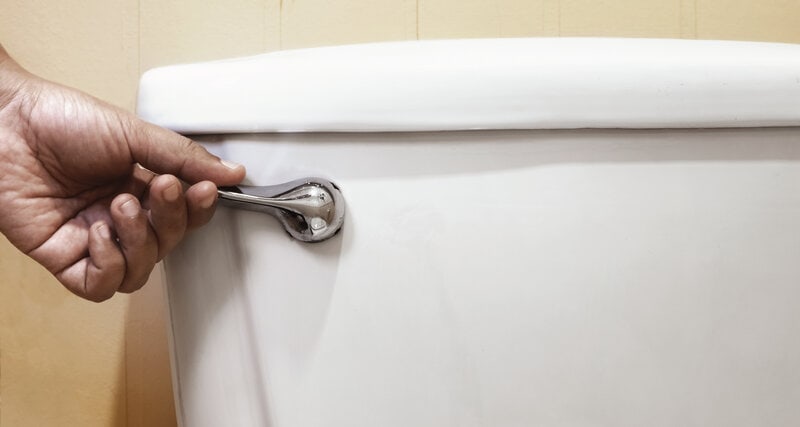
If any specific cat litter is flushable, it will explicitly say so on the packaging. Don't just assume because it's made out of a specific type of material, it is up for the task. If you buy flushable cat litter, you can simply scoop the litter directly from the cat box into your toilet and push down the handle.
5. Opt for Self-Cleaning Cat Boxes
Self-cleaning cat boxes certainly make cleanup a lot simpler for you. It does all of the hard work, scooping up your cat's waist based on sensors, letting it know that your cat has done their business.
Once it cycles through, it will take the waste and send it into the bag, saving it for later disposal. When you're ready or the machine tells you it's full, you can grab the bag out of the design and toss it out.
There are tons of self-cleaning options these days, and the products continue to rise. These different options come with their fair share of benefits and downfalls. Always read reviews before you commit to one product. Also, be aware that these types of litter boxes usually require a certain type of litter to be used, so keep that in mind.
Certain products might be expensive, but it doesn't necessarily mean they're superior to cheaper options. What you're looking for is efficiency, quality, and durability.
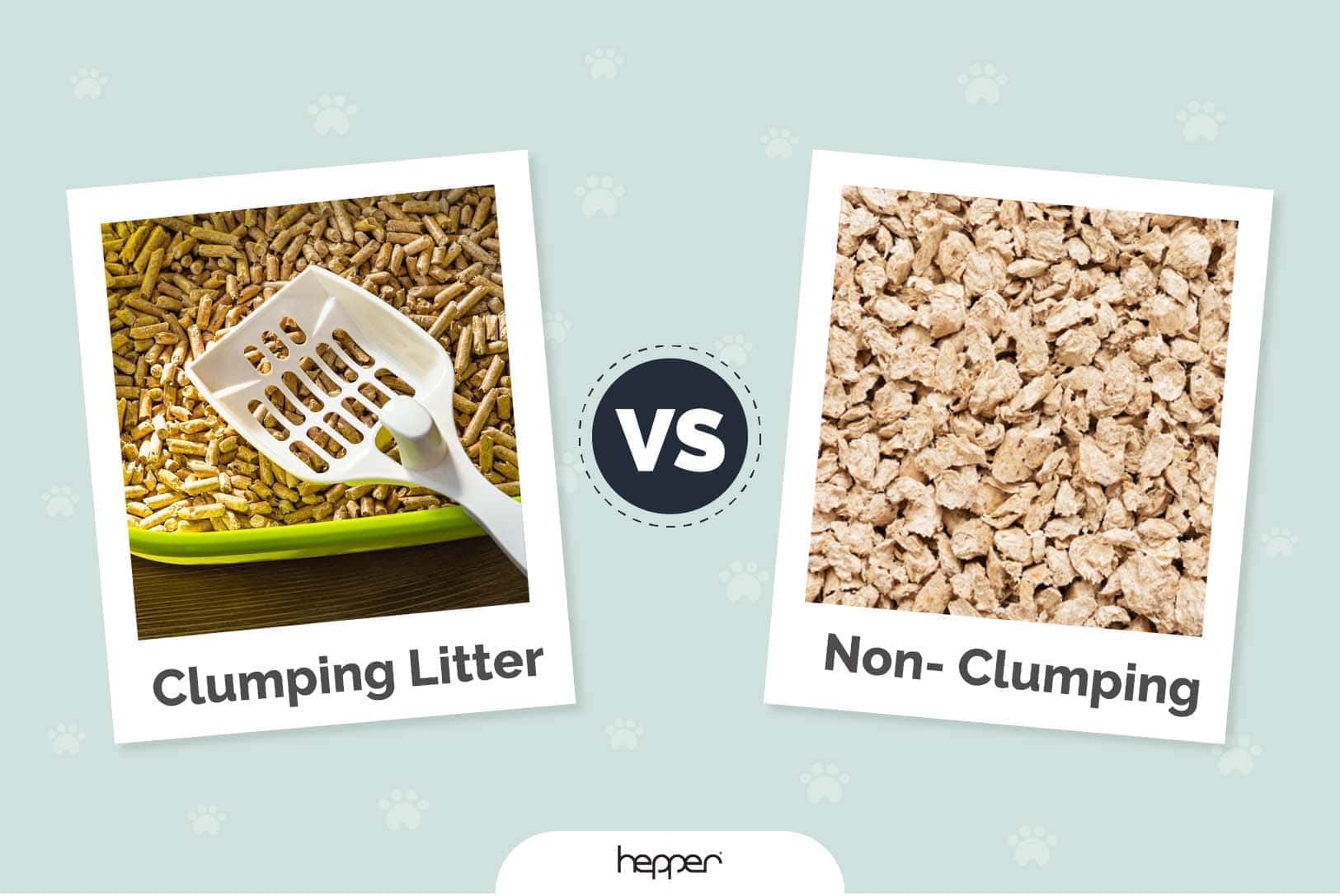
Clumping vs. Non-Clumping Cat Litter
What in the world is the difference between clumping and non-clumping litter anyway? Is one option better than the other? If we're being upfront, each one is a matter of preference. Some people find the clumping abilities much easier to sift through than non-clumping.
But there are a lot more natural, safer options with non-clumping litters. Here's a little breakdown of both.
Clumping
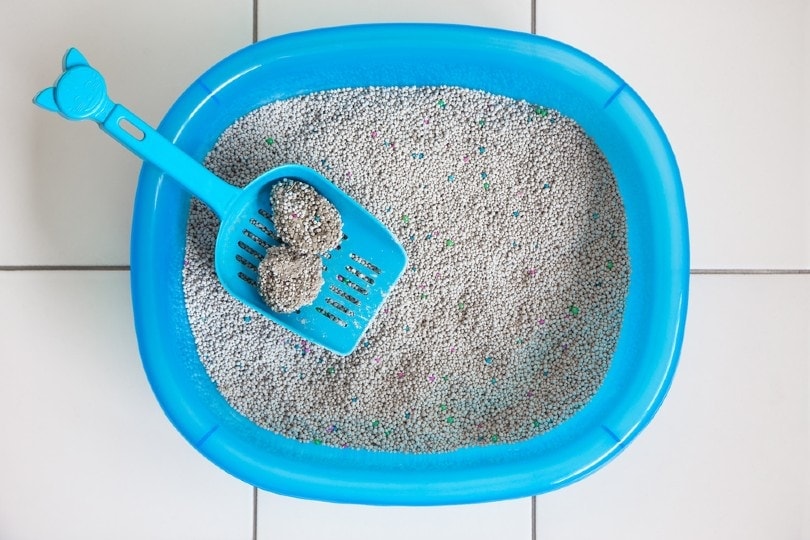
Clumping cat litter is made of bentonite clay with a clumping element called silica. This substance naturally binds to the waste. Here are some pros and cons about this particular litter type.
Pros
- Soils less litter
- Forms around waste
- Makes scooping easier
- Highly absorbent
Cons
- Can be heavy
Non-Clumping
Non-clumping litters are those that do not formulate around the waste. They simply serve as a spot for your cat to go, cover up their droppings, and be on their way. This option is equally as popular as the clumping letters, coming with its share of benefits and downfalls.
Pros
- Many natural selections
- Often low-tracking
- Less dust
Cons
- Usually smellier
- Dirties quicker
Other Factors that Influence Litter Selections
When you're choosing litter, there are other factors you have to consider as well. Some of these don't really matter to some folks, while they're deal-breakers for others.
Weight
Cat litter can be very heavy! If you get traditional clay cat litter, you might find lifting is pretty heavy. This can put a damper on things when it comes to disposing of it. After all, it only adds to the weight once it gets peed in.
Tracking
No one wants to clean up cat litter all around their home. Cat litter can get on carpets, hardwoods, and other surfaces and be a real pain to step in. After all, it's quite gross to think about your cat's bathroom business being strewn about your house.
Some litters might be advertised as low tracking, but you get them and discover they’re anything but. Typically, tiny granules are easier to track throughout the home. When you get bigger pellets, they don't stick to the paws as much, meaning less cleanup for you outside of the litter box.
Dust
Check the dust content on the bag. It should say what percentage of dust the product produces. Some will be 99 percent and above dust-free, while others are much dustier, creating a cloud each time you pour.
No one wants to clean up a powdery mess with every litter change, so look for a product with as little dust content as possible.
Litter Box Tips
Here are some additional tips and information regarding litter boxes so you can make the most of living with a cat.
Go with More Natural Litter Selections
Some litters are full of potentially irritating ingredients that can stir up allergies and respiratory problems. Even though it might be very tempting to get a scented litter to mask the odors of your cat, it can also be quite problematic.
Buying a more natural selection is always the best option, as it provides a less risky airborne material around both you and your feline friends. If you purchase the right type, you might also find that you don't have quite the issue with the foul odor that you thought you would.
Other methods can be implemented to control odor in unscented cat litter, like baking soda or charcoal. These products are both safe for you and your cat and trap or eliminate odor altogether.
Choose a Lightweight Option
Make it easier on yourself, and choose a lightweight option. Traditional clay litter tends to be extremely heavy and can be challenging to lug around. Lightweight selections certainly cause less tension in your back and can be easier to dispose of when the time comes.
Watch the Dust Content
Dust allergies are a real thing. It can irritate pets and people alike. Have you noticed that the litter of your choice is dredging up quite a bit of dust? Consider changing to a more suitable option.
Cats with dust allergies can show signs of general allergies like wheezing, coughing, sneezing, and hacking.
Offer Multiple Litter Boxes
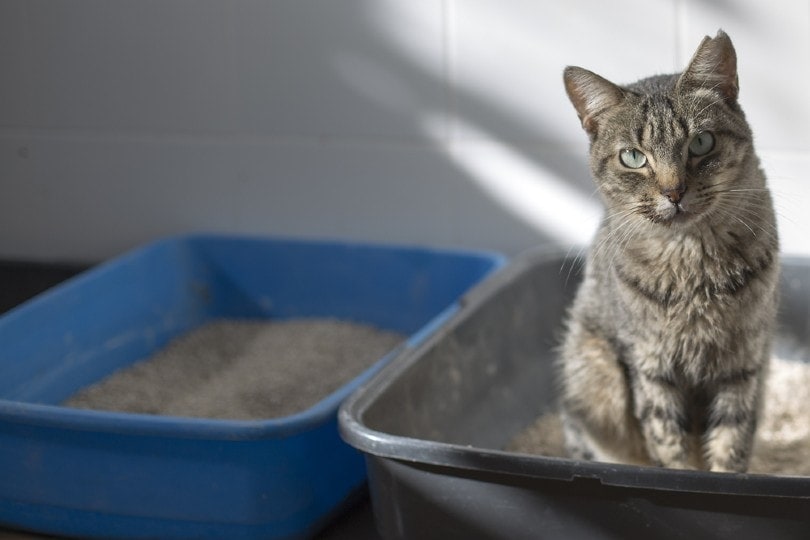
It might seem like more of a headache to clean multiple litter boxes, but it will certainly come in handy. If you have more than one cat, it is imperative, in fact. Multiple litter boxes will allow your cats to evenly distribute their waste and prevent any territorial issues from striking.
You also won't have a ton of build-up in just one litter box, so you can quickly sip through each one daily and be done with it. The general rule is to have one litter box for each cat, plus one extra.
Consider Harmful Additives
Some litters contain powerful odor fighters and fragrances to keep waste smells under control. Well, they can be very efficient at the task, but they can pose certain health issues for your feline as well, especially if your cat has any allergies or respiratory conditions.
Conclusion
Disposing of your cat litter doesn't have to be a difficult task. You can get creative with it or purchase a mechanism like a litter genie or self-cleaning litter box that helps you eliminate the problem.
Regardless of your chosen method, keep the other tips we gave you in mind so that cleaning out the litter box is much less daunting. After all, you have enough on your plate, so cleaning the litter box should be an easy task!
Related Reads:
Featured Image Credit: Tanya Plotnikova, Shutterstock
Get Hepper In Your Inbox


Pet care tips from our vets and experts, straight to your inbox.
You may opt-out at any time. View our Privacy Policy for more information.
Ashley Bates, a freelance writer with a passion for pets, is currently studying animal therapy. She is a mother to four children and 23 pets, both furry and feathery. Ashley actively volunteers at local shelters, advocates for animal welfare, and rescues animals in distress. Her mission is to promote awareness, education, and entertainment about pets to help prevent animal homelessness. She specializes in the care and well-being of dogs and cats.
Join the conversation
Ask a question, share your story, or send private feedback.