Hepper is reader-supported. When you buy via links on our site, we may earn an affiliate commission at no cost to you. Learn more.
4 Dog Crate Alternatives For Dogs Who Hate Them

In this article
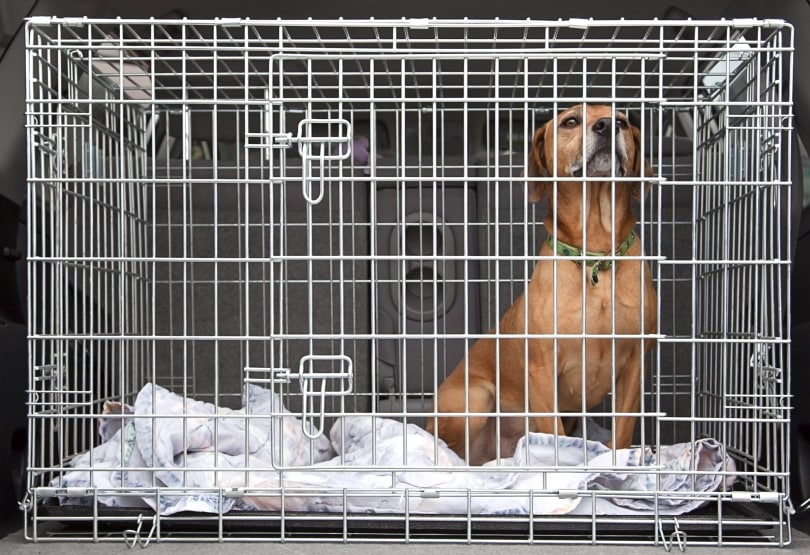
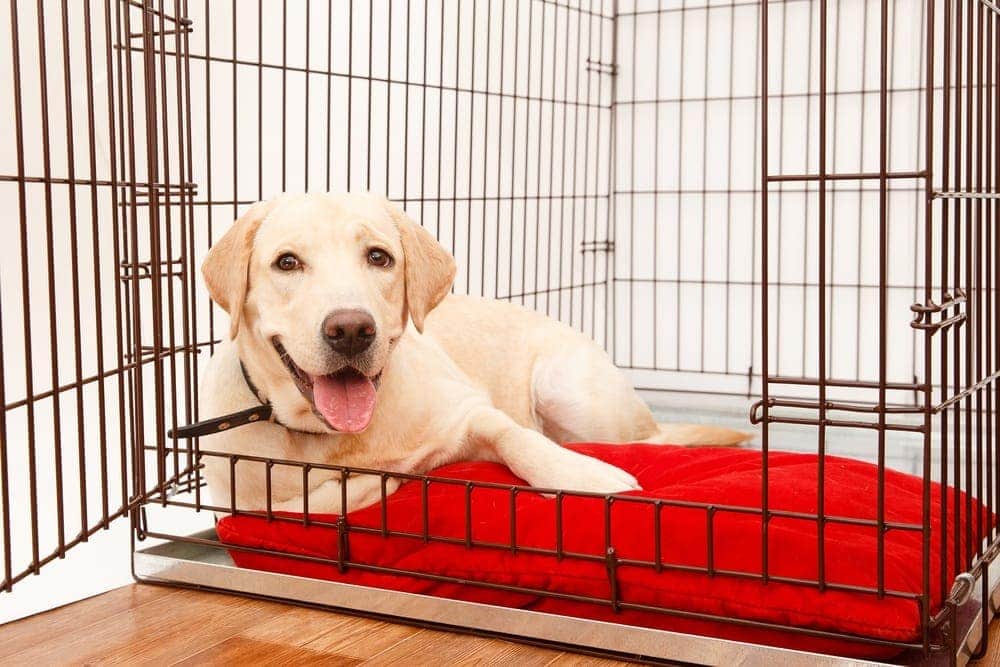
Crate training is one of the best training methods for housebreaking, but some dogs seem to really hate their crates. Most crate problems come from dogs being confined for long hours, which is not the correct use for a crate. However, if you are using a crate correctly and your dog still refuses to adapt to it, here are some dog crate alternatives for you to try.

The 4 Dog Crate Alternatives For Dogs Who Hate Them
1. Pet Sitter or Doggy Daycare
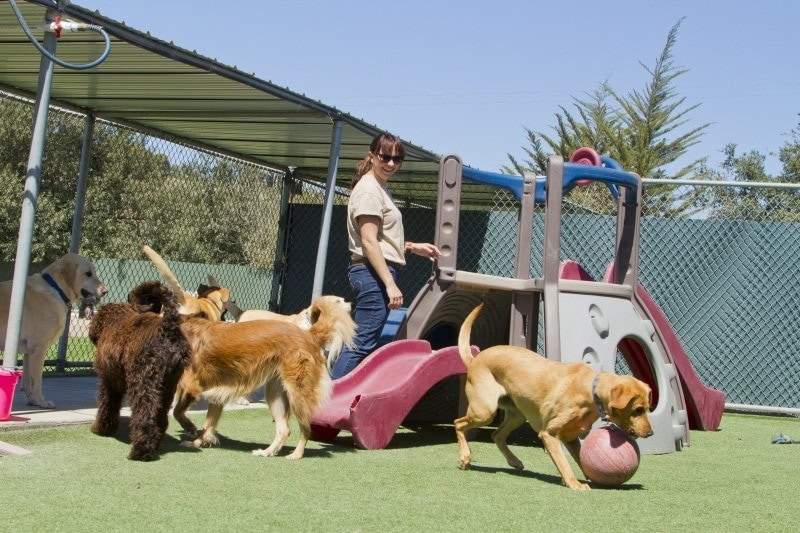
If no other dog crate alternatives work, it may be time to consider a pet sitter or doggy daycare. As the most expensive alternative on the list, it provides benefits like human interaction and socialization with other dogs. Dogs need daily exercise and social interaction, and they might enjoy a pet sitter or doggy care.
Pet Sitter vs. Doggy Daycare
The choice between a pet sitter and doggy daycare is primarily up to you, but some dogs can become stressed out at daycare with multiple dogs around. Another thing to consider is that pet sitters will have access to your home, which is something you may not want.
Pros
- Most fun option
- Benefits like socialization and exercise
Cons
- Most expensive option
- Pet sitters will have access to your home
2. Block off a Room with a Dog or Baby Gate
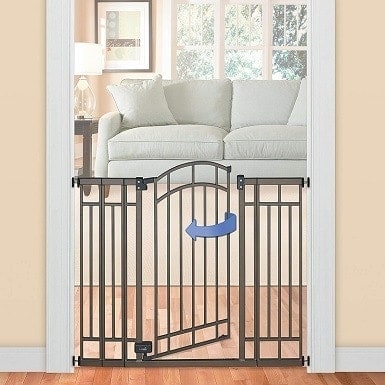
A good dog crate alternative for dogs who hate them is to block off a room with a dog or baby gate. By blocking off a room with a dog gate, you can give your dog a safe space to enjoy without feeling as confined as they would in a crate.
Make sure the room you designate is safe for your dog (no loose wires, cords, etc.), easy to clean in case of accidents, and easy for you to access in case of emergencies.
What to Look for in a Dog/Baby Gate
A good gate will be durable enough to handle scratching and biting and strong enough to withstand impacts. Some gates have additional features that may be better for you and your companion. Most are durable, adjustable for wider entrances, and have a walkthrough door for your convenience. Some gates require assembly, which may influence your decision.
Why it May NOT Work
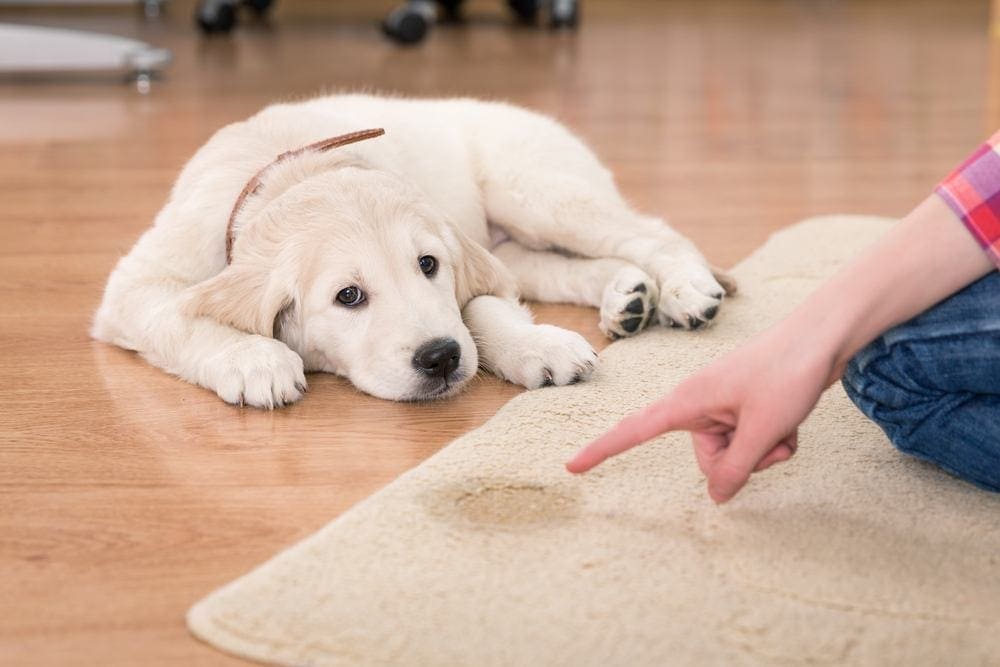
Blocking off a room may not work well if your dog is not properly housebroken. Crate training takes away extra space your dog could use to go to the bathroom, but a blocked-off room gives your dog multiple places to go.
Another issue is that athletic, large dogs can easily knock the gates over, and it's difficult to find a gate that contains them. This option is best for housebroken dogs that need to be confined to smaller areas for safety reasons.
Pros
- Safe space for your dog to enjoy
- Not as confined as a crate
- Many options available on the market
Cons
- Not the best option for dogs that aren’t housebroken
- Some gates require assembly
- Athletic and large dogs may jump or knock over the gate
3. Set Up a Playpen
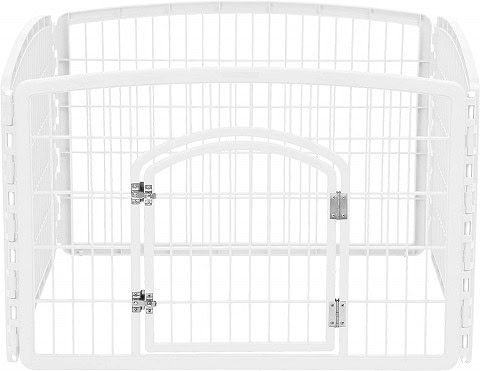
Like blocking off a room, a playpen prevents your pup from accessing the rest of the house without the confined feeling of a crate. It's a practical option if you don’t have another room to give up solely for your dog. Playpens are usually lightweight, which makes them portable and travel-friendly.
Types of Playpens
Like crates, there are several types of playpens: wire playpens, canvas playpens, and plastic panel playpens. Each type has pros and cons, so it’s important to choose a playpen that can handle your dog.
Wire playpens are the most popular type on the market, but canvas and panel playpens may be better crate alternatives. The Midwest Foldable Metal Exercise Playpen has different height options, long-lasting durability, and doesn't require tools for assembly.
Why it May NOT Work
A problem with playpens is their height, which agile or large dogs can jump over easily. Unless you spend the extra money getting a playpen meant for big or tall dogs, your dog may see the playpen as a fun new challenge instead. Another major issue is their lightweight structure, making them easy to knock over or move by dogs as small as 15 pounds. A playpen isn't ideal if your dog is an escape artist.
Pros
- Safe area for your dog to play in
- Does not need a whole room
- Can be travel-friendly
Cons
- Most playpens are too short for bigger dogs
- Can be easily moved or knocked down
4. Try Different Crate Styles
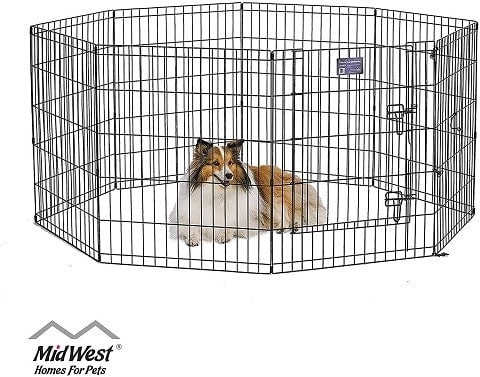
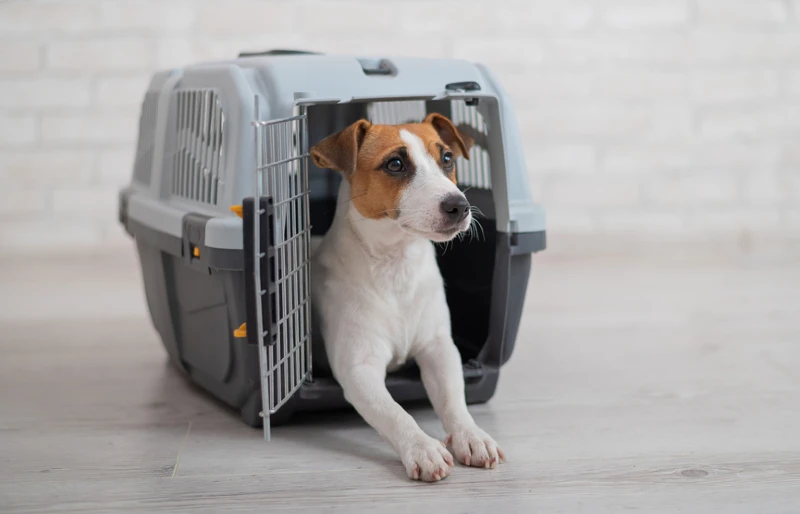
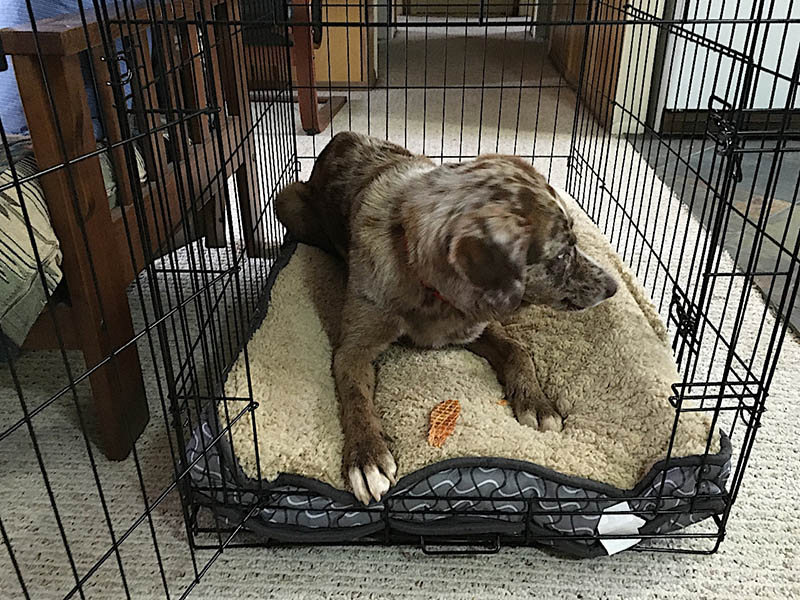
If your dog rejects their crate, it could be for reasons that might not make much sense to you. While this may not seem obvious, your dog might not like the type of crate. There are several designs available that may work better for your dog. Also, trying a crate still allows you to housebreak your puppy or dog.
Crate Types
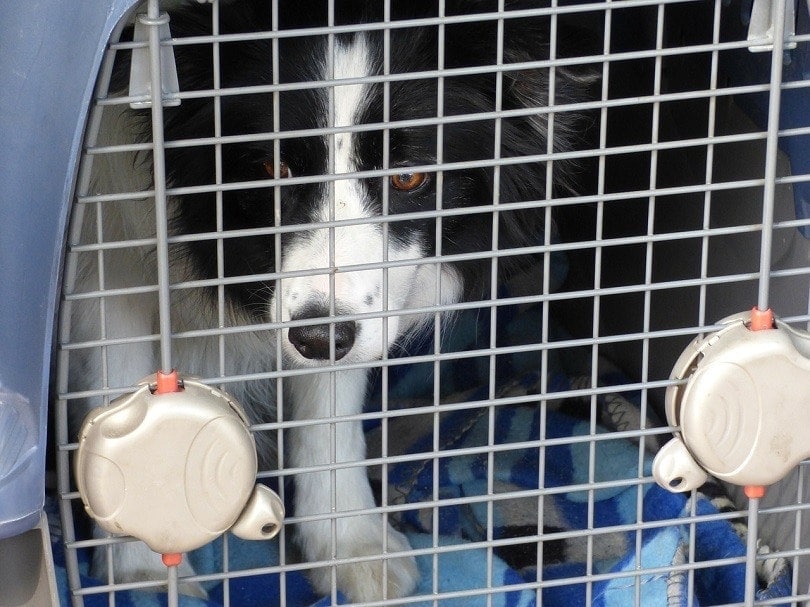
There are five types of crates: wire folding crates, soft-sided crates, plastic carrier crates, heavy-duty crates, and furniture/fashion crates. You may find that your dog prefers one design over the other. For example, a soft-sided crate is darker and softer than a wire crate, which may be more soothing for your dog.
Why it May NOT Work
The problem lies in what is causing your dog’s dislike for the crate, which may go beyond the crate itself. If there are other reasons leading your furry friend to hate their crate, buying a new one will probably not work.
Pros
- Different crate types available to try
- Crate training still possible
Cons
- Only works if the crate type is the issue
- Will not work for dogs with several behavioral issues

Summary
Sometimes, you need to find alternatives to crate training for your dog. Whether you block off a room or hire your neighborhood pet sitter, it’s always essential to keep your dog’s needs in mind. If your dog starts to warm up to one of these dog crate alternatives, a crate might be possible in the future.
Get Hepper In Your Inbox


Pet care tips from our vets and experts, straight to your inbox.
You may opt-out at any time. View our Privacy Policy for more information.

Nicole is a lover of animals of all sizes but is especially fascinated with the feline variety. She’s the proud mom of Baby, a Burmese, and works every day so he can relax in the sunshine or by the fire. She’s always had a cat in her home and has spent countless days with others, observing behaviors and softening up even the grouchiest of the lot. Nicole wants to share her kitty expertise with you so you and your cat can live happy, healthy, and care-free.
Join the conversation
Ask a question, share your story, or send private feedback.