Hepper is reader-supported. When you buy via links on our site, we may earn an affiliate commission at no cost to you. Learn more.
How to Keep a Dog Busy in a Crate: 7 Vet Approved Ideas


In this article
Disclaimer: The information about these products has been fact-checked by one of our licensed veterinarians. The views and opinions expressed are not necessarily those of the veterinarian. We recommend contacting your pet’s veterinarian before purchasing any product from this list, to ensure they are right for your dog.
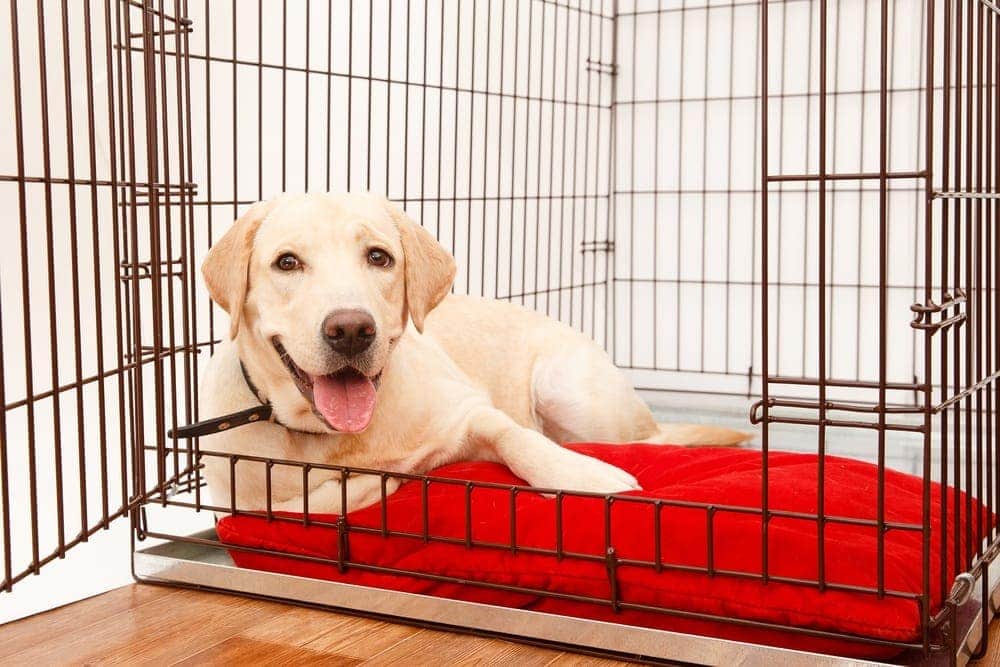
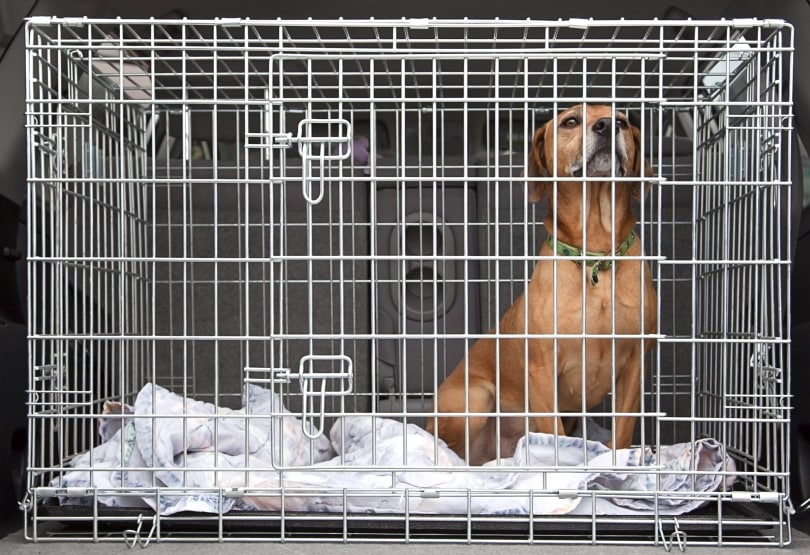
Crates can be life savers when you’re a dog owner. However, some people feel that putting a dog in a crate is cruel, when in fact, most dogs love their crates once they are used to them, and it provides a safe haven for your pet while you’re away from the home.
Crates come in handy during housetraining, as well as easing anxiety for your dog. For example, if you have many people over, your dog may become stressed due to all the noise and activity. Crates also help keep your dog safe and out of trouble when you can’t be present at home.
If you worry about your dog getting bored while in the crate, fear not, for we have seven great ideas of how to keep your dog busy.

The 7 Great Ideas to Keep Your Dog Busy in a Crate
1. Puzzle Toys
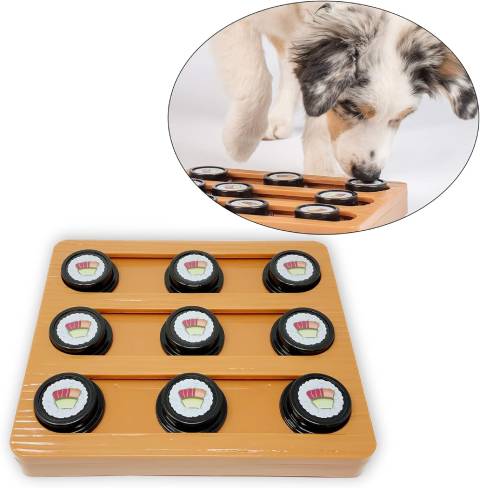
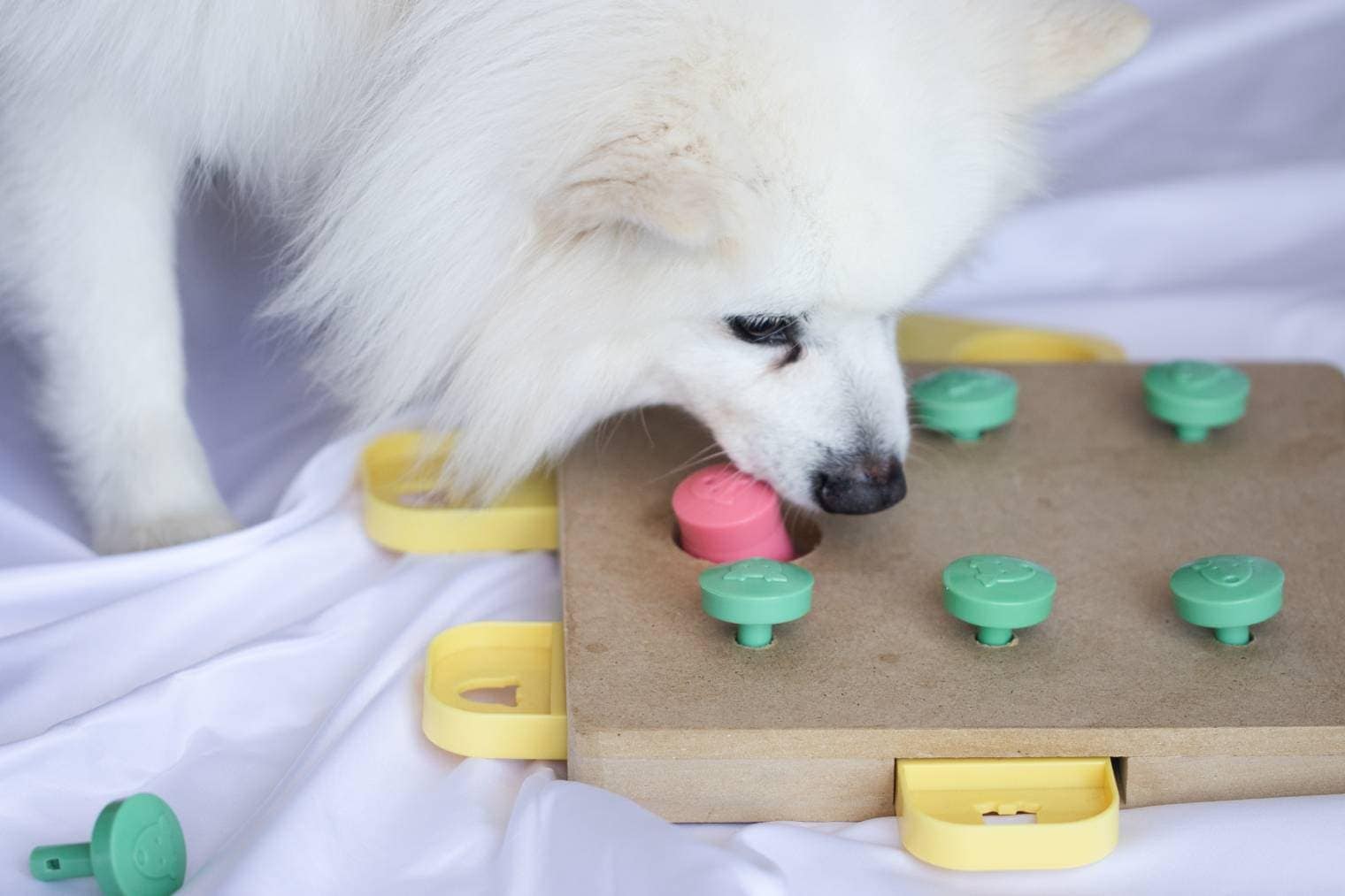
Puzzle toys are an excellent way to keep your dog mentally stimulated while inside the crate. Puzzle games entice your dog to work their brain, and the time will pass much more quickly while your dog is determined to figure the puzzle out. This particular puzzle allows you to hide treats inside, which is an excellent motivator for your dog to interact with it.
An important aspect of leaving toys in your dog's crate is to ensure the toy is safe. For example, you don't want to leave toys inside that your dog can easily tear up. Chewed-up dog toys can become a choking hazard, so ensure you've tested the puzzle first before leaving it inside the crate.
2. Durable Chew Toys
- Our Pick: KONG Classic Dog Toy
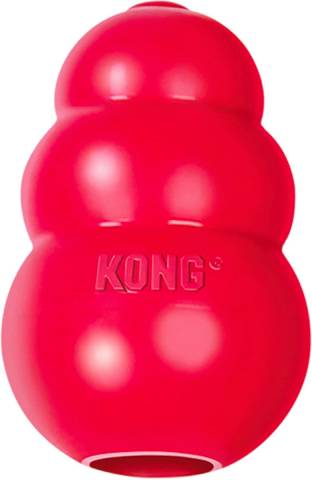
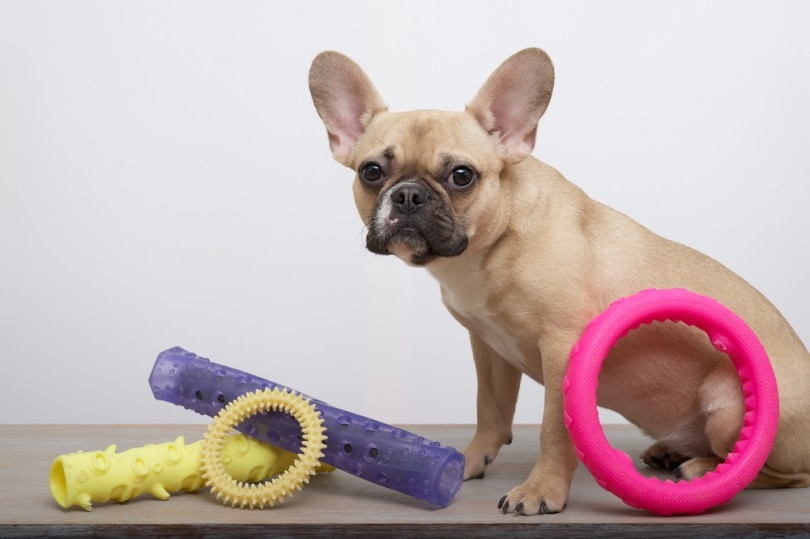
One of the more reliant dog toys for durability is the classic KONG. These toys are nearly indestructible and last a while, even with heavy chewers. KONGS are made in the U.S.A. from trusted materials and are outstanding in relieving boredom.
These toys have an opening, making it perfect to stuff them with healthy treats for your dog to retrieve. You can even place peanut butter inside (ensure it’s free from xylitol, a toxic substance) and place it in the freezer. The frozen treat will keep your dog busy for quite a while.
3. Plush Toys
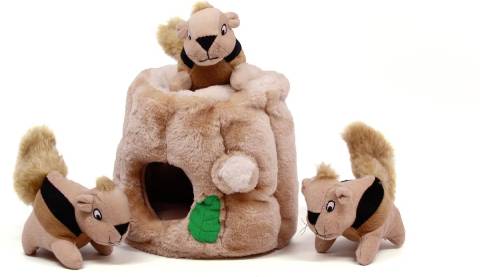
This adorable plush toy is soft and cuddly, and it comes complete with a squeaker to keep your dog entertained, as most dogs love the sound. Speaking of a squeaker, some dogs love to get the squeaker out of the toy, and if your dog removes them, this option is not recommended. Your dog could swallow the object, making it a choking hazard and a risk for intestinal obstruction. The stuffing can also pose a problem if swallowed so this option really depends on your dog’s behavior. Most dogs love the feel of plush toys, and some even feel secure while snuggled up with one.
4. Cozy Bed
- Our Pick: K & H Memory Foam Dog Bed
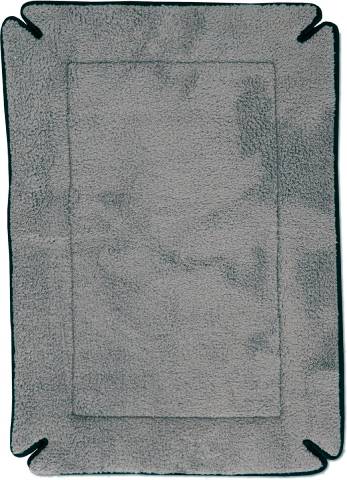
You must ensure your dog is cozy and comfortable while in the crate. The K & H Memory Foam dog bed is soft with a machine-washable microfleece top. This particular bed has a non-slip bottom so that it'll stay in place, and the comfort of it will help your dog relax and possibly take a nap.
If you have a heavy chewer who loves to destroy everything in their path, you may opt for a chew-resistant bed. You certainly do not want your dog swallowing bits and pieces of the stuffing, which could also become a choking hazard.
5. Pet Camera With Two-Way Audio
- Our Pick: Petcube Cam HD Monitoring With Vet Chat
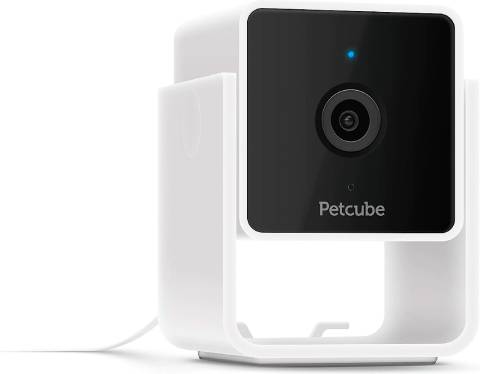
Thanks to evolving technology, pet cameras are a brilliant way to see and communicate with your pet while you're away and they’re in the crate. Investing in a pet camera with two-way audio capabilities allows you to see your dog and talk to them while you're absent from the home, easing anxiety and stress for you and your dog.
This two-way audio pet camera by Petcube is affordable and allows you to see and talk to your dog. It also gives you the ability to contact a vet if you are concerned about your dog with the push of a button. The camera picks up on barking and will notify you, and has clear, 1080p HD video with a wide-angle lens and night vision.
6. Leave the TV On
For some dogs, leaving the TV on while in the crate is an ideal way to make them feel comfortable while you’re away. The sounds from the TV might help your dog feel safe, as if they’re not alone in the home. The TV can also be a distraction from being inside the crate, especially if your dog can both see and hear the TV.
If you have a dog who loves to bark at the TV when they see an animal (trust me, I endured this with my Border Collie for many years), then the TV option may not work. Instead, this can only make your dog more anxious and wound up, which you don’t want while they’re inside the crate. If this is not an issue, by all means, try it!
7. Play Music
Music works much in the same way as the TV; it can provide soothing sounds while your dog relaxes in the crate. Of course, you don’t want to play heavy metal or anything of the like that can make your dog anxious. Instead, opt for classical music or soft rock.
Interestingly, a 2002 study shows that classical music has a calming effect on dogs and even puts them to sleep. The same study showed that dogs forced to listen to heavy metal music while in their crates barked and stood rather than slept. So, skip Metallica and choose Beethoven.

The 4 Tips on How to Crate Train Your Dog
Now that we've given you ideas on how to keep your dog busy in a crate, we felt compelled to provide tips on how to train your dog to make the process easy and stress-free.
1. Introduce Your Dog to the Crate
A good way to introduce your dog to the crate is by placing it in an area where your dog feels comfortable, such as the living room or other areas where the family spends a lot of time. Place a comfy bed or soft blanket inside for comfort. Keep the crate door open and allow your dog to go to and fro as they please.
Some dogs take to crates easier than others. This can be due to a dog’s curious personality. If your dog is not the investigative type, bring them over to the crate and talk in soothing, comforting tones. Place a few treats inside to encourage your dog to go inside. Never force your dog to go inside. Give it time and repeat this process until your dog decides to go for it. You can also try a favorite toy for this purpose.
2. Feed Meals in the Crate
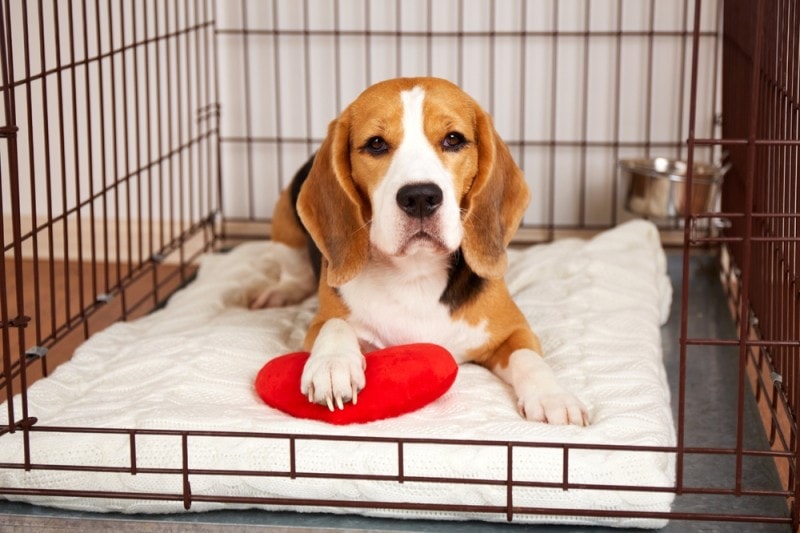
For starters, place the food outside the crate so your dog associates something positive (food) with the crate. If your dog already seems comfortable entering the crate, try placing the meals inside. Only put the food as far inside as your dog is willing to go. In time, you can push it back further the more comfortable your dog gets.
Once your dog is eating, gently close the door while they eat. After they finish the meal, open the door immediately. The goal is to leave the door closed a little longer each time your dog finishes eating.
3. Practice Longer Crate Periods
Once your dog eats comfortably in the crate and shows no signs of anxiety or fear, it's time to go further. At this point, it’s wise to have a cue for your dog, such as “crate up” or “kennel up.” This will help your dog learn when it’s time to go inside.
Entice your dog to the crate with a treat. Once inside, close the door, praise them, and leave the room for a few minutes. Repeat the process as much as needed until your dog shows no sign of distress with whining or barking.
4. Crate Your Dog When You Leave
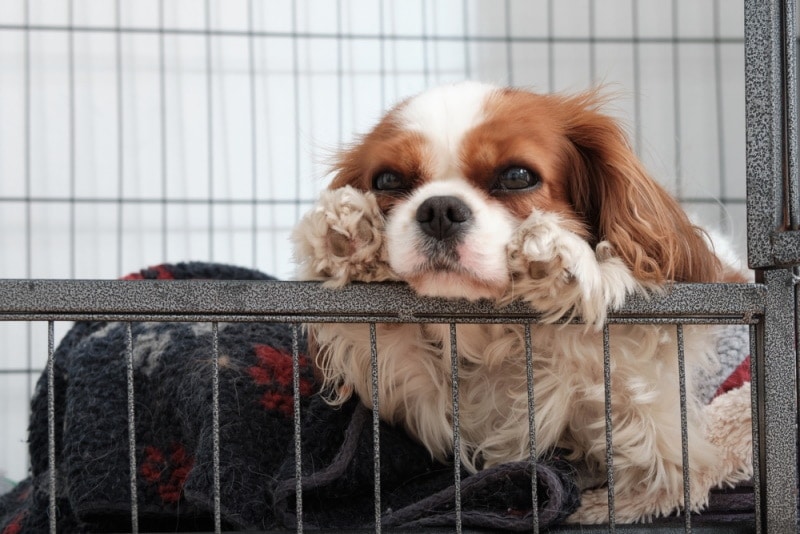
Now, it’s time to put your efforts to the test. Once your dog can spend about 30 minutes in the crate with no issues, command your dog to go inside the crate using whatever cue you’ve decided on, then leave for a while. This may be the toughest part, but stay vigilant. You can place a couple of treats inside, or better yet, try one of the methods mentioned above to keep your dog busy.
Try to keep things simple and low-key before you leave. When you return, do the same, as this will help your dog learn that there’s nothing to be afraid of and it’s no big deal being in the crate. Avoid leaving your dog in the crate for extended periods. Ideally, 4 hours should be the max; anything longer than 4 hours is not good for your dog’s mental state. If you have to be gone for more than that, you should enlist the help of family and friends to let your dog out for a break until you return home.
How to Choose the Correct Crate Size
When selecting a crate, ensure you purchase the correct size. Some may think that the bigger the crate, the better. However, choosing a crate that gives your dog plenty of space is not ideal because your dog will relieve itself inside, as they’ll have enough space to get away from the mess. Of course, you don’t want your dog to be cramped, either.
Your dog should be able to stand, sit, turn around, and lie down comfortably.
Conclusion
Dog crates are wonderful tools to keep your dog safe while you’re away from home. They keep your dog out of trouble, and they also protect them from potential harm and hazards. To make the time go by faster for your dog, keeping them busy is a superb way of keeping them from boredom. Better yet, it keeps anxiety from rearing its ugly head.
It’s crucial to not leave your dog with toys inside the crate that could become a choking hazard or intestinal obstruction. Test out the toy first to ensure it’s safe to leave with your dog. If you don’t feel comfortable leaving a toy inside the crate, try soothing music or the TV instead.
One last tip: Plan the time to tire your dog out with play before leaving. That way, they’ll be tired and probably be relaxed and sleep for most of the duration that they’re in the crate.
Also see:
Featured Image Credit By: sophiecat, Shutterstock
Get Hepper In Your Inbox


Pet care tips from our vets and experts, straight to your inbox.
You may opt-out at any time. View our Privacy Policy for more information.
Rachel Giordano is a writer and musician out of Pensacola, Florida, living there with her partner and their two dogs, Aero, a Border Collie/Sheltie mix, and Sophie, a Boston Terrier. Rachel has a Bachelor of Arts degree in communication and enjoys writing about all types of animals. When Rachel’s not dedicating her time to writing about animals, she enjoys writing thriller/suspense novels. A writer by day and a musician by night, she's passionate about educating the public about the requirements and needs of all types of animals.
Join the conversation
Ask a question, share your story, or send private feedback.