Hepper is reader-supported. When you buy via links on our site, we may earn an affiliate commission at no cost to you. Learn more.
How Long Does It Take to Crate Train a Dog? Tips, Do's & Dont's
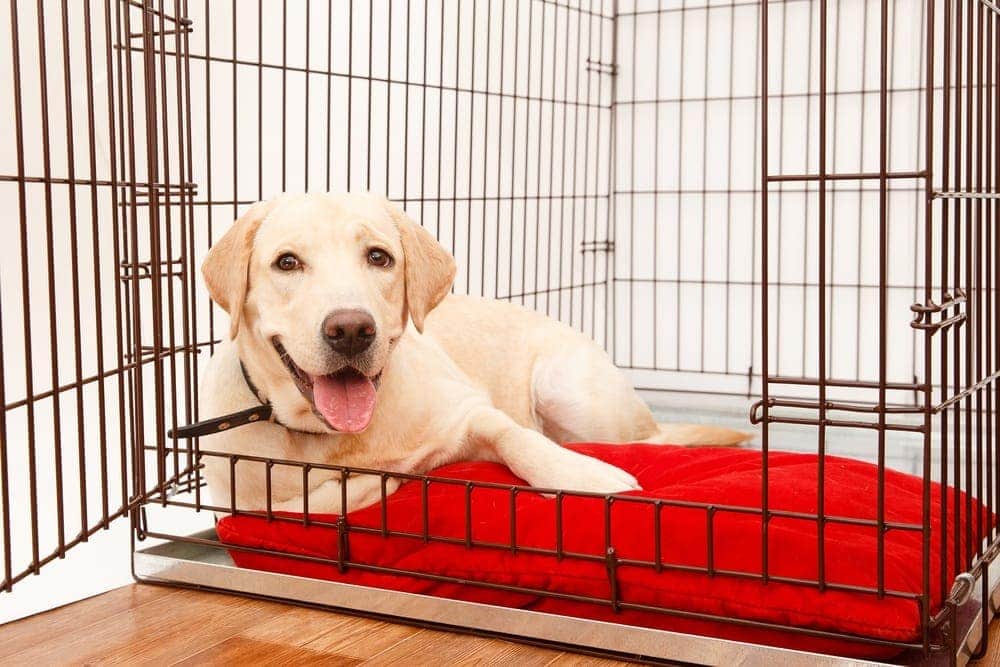
In this article
Are you curious how long it will take your dog to learn crate training? The short answer is that crate training your dog may take a few days or a few months, depending on your dog's personality and other factors. Keep reading to learn all about the crate training process!

The Do's and Don'ts of Crate Training
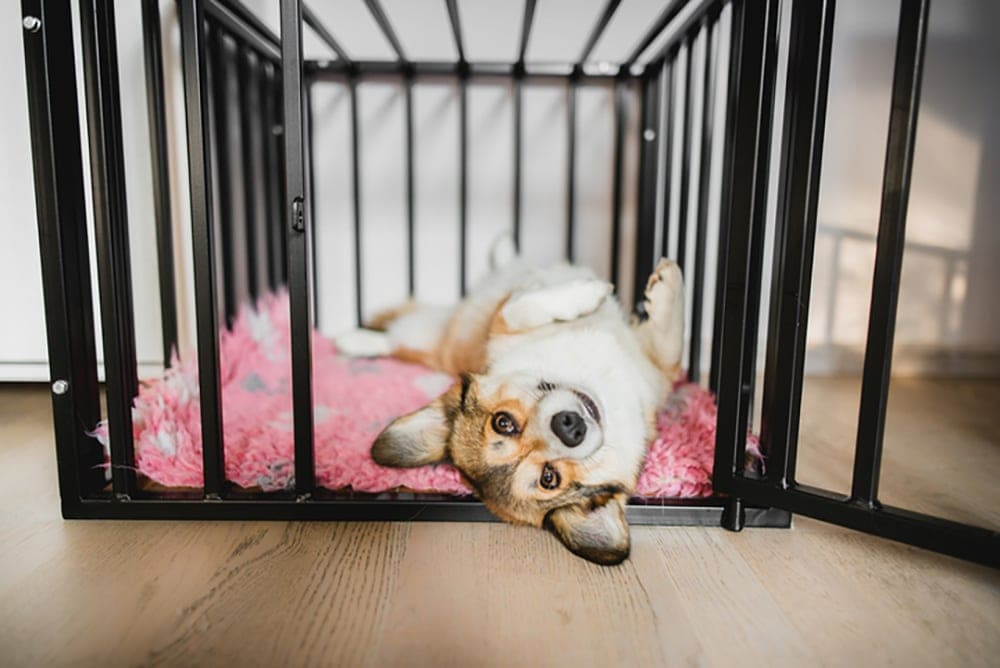
Crate training can be mutually beneficial to you and your dog as long as it's done correctly. It gives your dog a safe place to relax and prevents you from cleaning countless messes off the floor. It can also help limit destructive behaviors. Depending on your dog's personality and their history with the crate, it can take anywhere from a few days to six months before they're completely trained. Over time, your dog should view their crate as their comfy spot that no one else in the house can mess with and should enjoy their stay. Continue reading to learn more about crate training your dog.
If you need help training your dog, we suggest speaking with a vet online for additional tips and tricks.
Why Crate Training Works
Crate training can teach your dog how to hold their bladder because they don't want to mess up their own den. In addition to not wanting to sit in their own pee, dogs are territorial animals and don't feel the need to mark something that's already theirs. The first thing you should do when you take your dog out of the crate is take them to the bathroom, whether that's a potty pad or outside. This reinforces the idea that they don't go to the bathroom in their crate and helps them realize they'll get a chance as soon as crate time is over.
Also, if you've got a little chewer with a mouth for destruction, crating your dog while you can't watch them might be a good decision for your house and their safety.
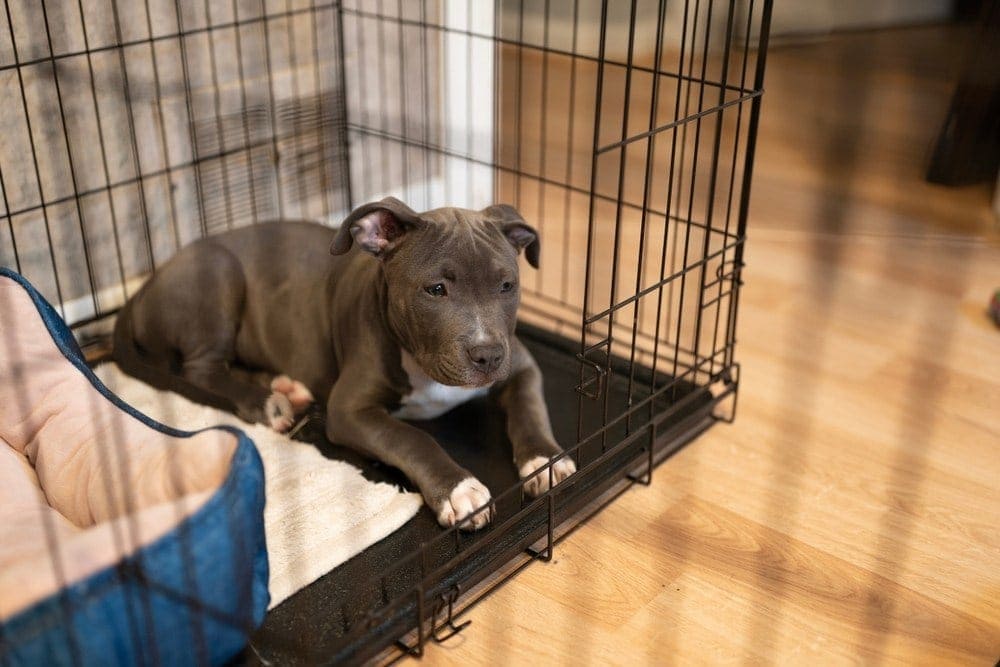
The 4 Tips for Crate Training Your Dog
Depending on your dog, the process might take a few days or a few months. Just remember that your patience and persistence will reward you once they are trained. To crate train your dog, you'll need to:
1. Find a properly sized crate.
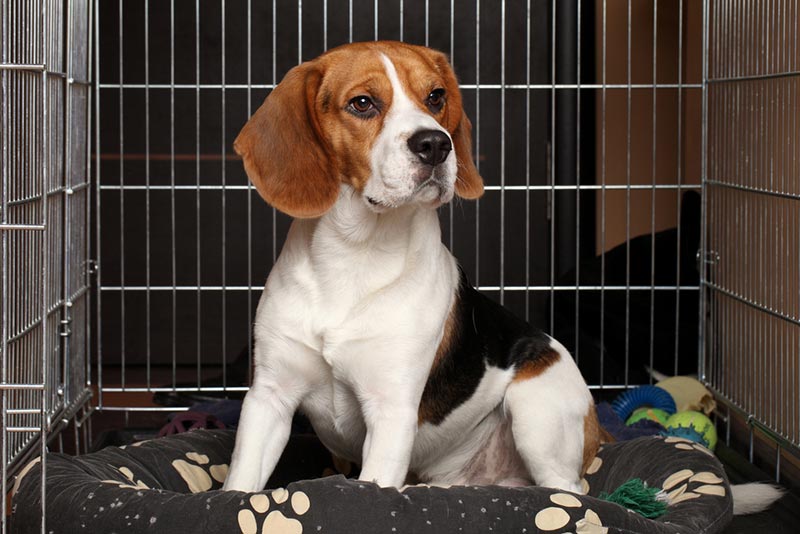
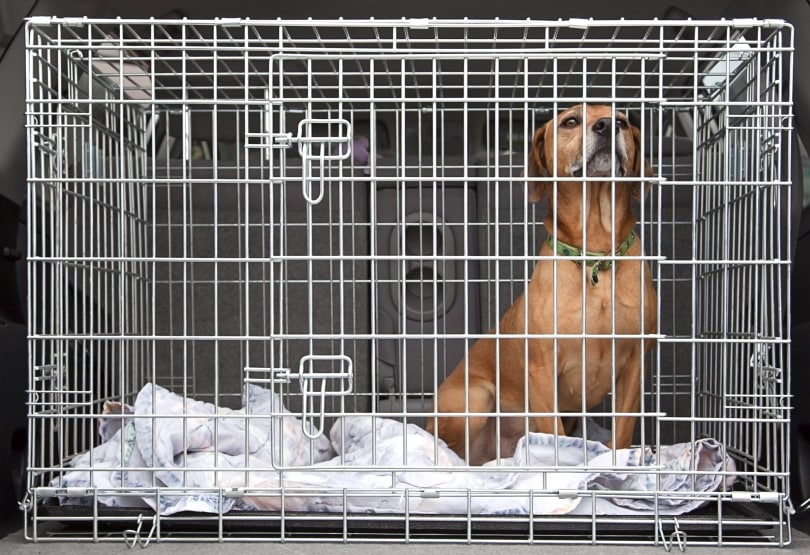
Your puppy's new oasis should be only marginally bigger than them. It should give them room to stand and move around, but not walk.
2. Find the right kind of crate for your dog.
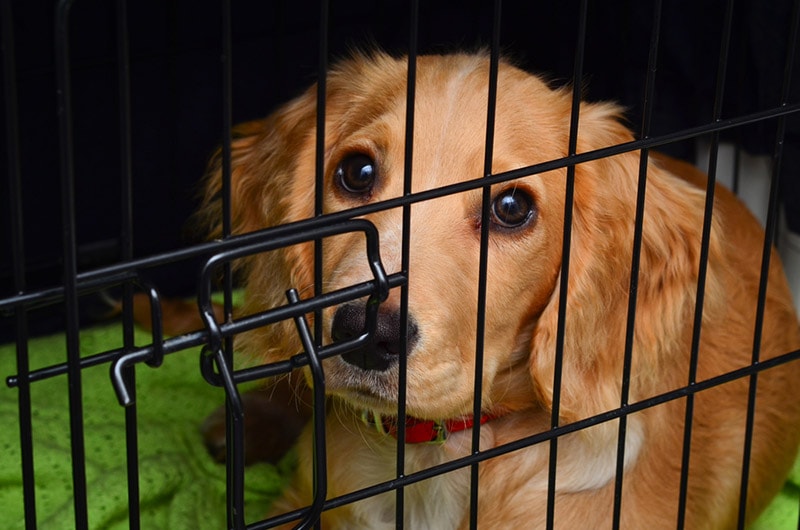
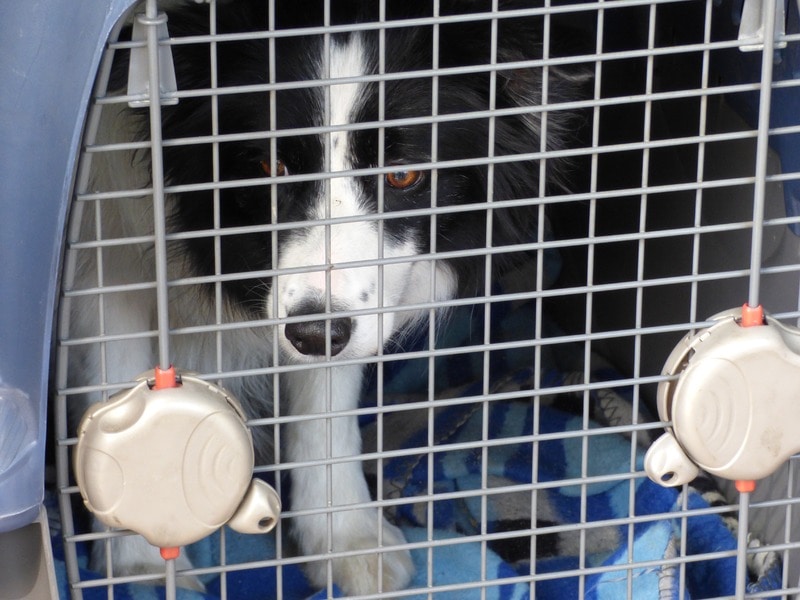
Have you noticed your dog searching for quiet, dark places to sleep? Or do they like to sunbathe? Whether you choose a hard-sided crate with limited visibility or a metal crate that allows plenty of sunlight should depend on what makes your dog most comfortable.
3. Establish the crate as a positive space.
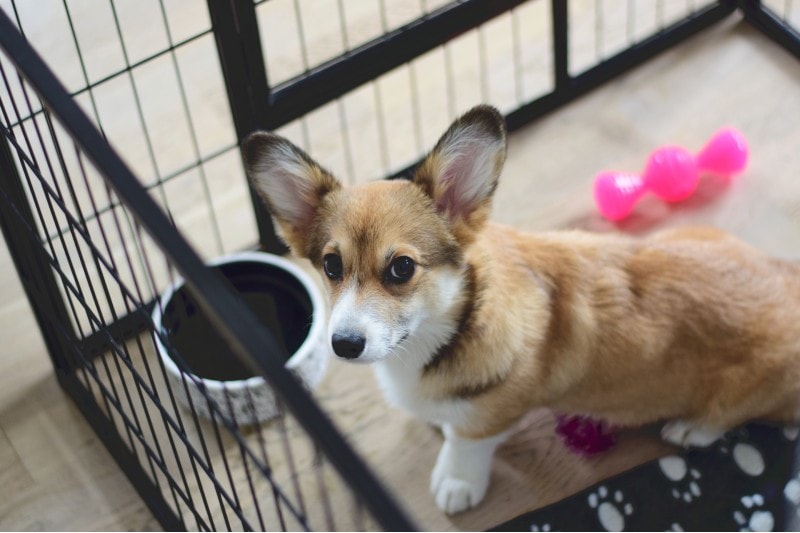
Leave the door open and let your dog investigate. Pile their favorite blankets and toys inside and give them a treat when they decide to explore. You can also try crate games, where you throw a ball inside the crate and they bring it back. This will help them realize the crate isn't a scary space.
4. Start slowly and gradually increase the time.
Don't leave your puppy in the crate for too long at first, and always begin their crate sessions with a treat. Try twenty minutes first, and then when they're comfortable with that, work up to thirty minutes, then forty-five, then an hour, etc.

When Crating Can Become Abusive
Never send your dog to their crate as a punishment. This will create negative connotations and they will hate to even sleep in it. Your dog also should not spend more than half the day in the crate, and no more than eight hours at night.
Think of the crate as you would imagine a day all to yourself in your bedroom. You've got all of your favorite blankets and pillows, a relaxing TV show, and no one to bother you. This sounds like the perfect scenario...for a few hours. And then you need food and a bathroom break. Your dog has these same needs that you do! The crate can be a great place to chill for a few hours, but it will create anxiety if they don't have any way to go to the bathroom or eat for uncomfortably long stretches of time. Some people leave food and water in the crate with their dogs, but this will make them need to use the bathroom sooner and sometimes it doesn't work for dogs who like to spill their water.
Puppies have smaller bladders and tummies than adult dogs do, and they require more frequent breaks. A good rule of thumb is that puppies can stay in their crate for as many hours as they are months old, up to six or eight months. Puppies under two months don't really fit in this rule because they can only be in the crate for 30 minutes to an hour daily. And, of course, they can stay in their crate at night, but they will probably wake you up before your alarm to go potty. If they do, please take them because they can't hold their bladders well yet.
Never leave any dog in their crate for longer than eight hours at a time. Preferably, an eight hour stretch in the crate would be broken up at the four-hour mark by a walk and bathroom break.
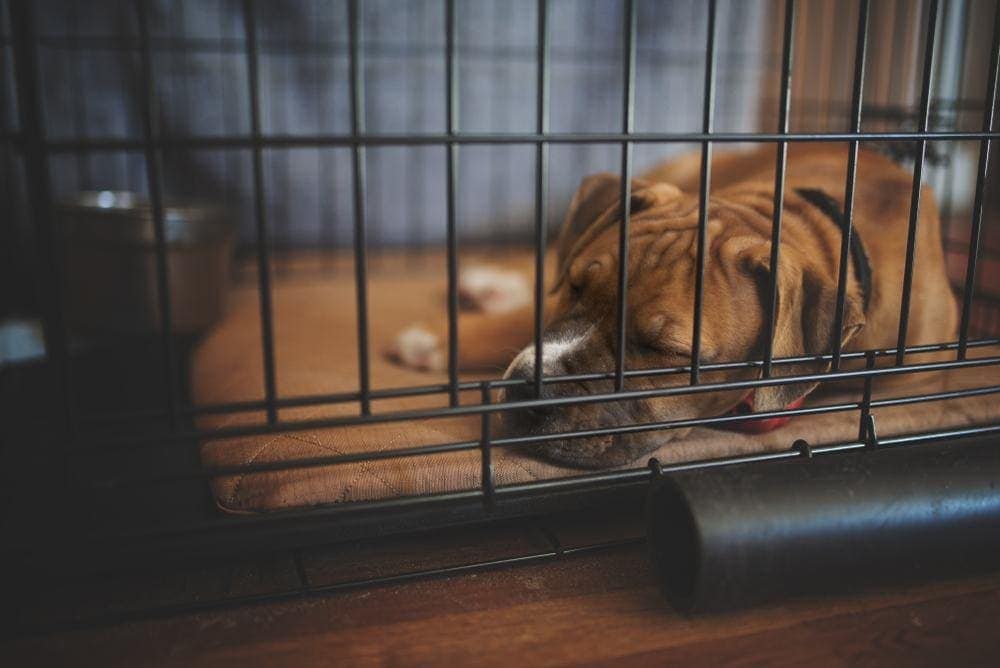
Alternatives to Crating
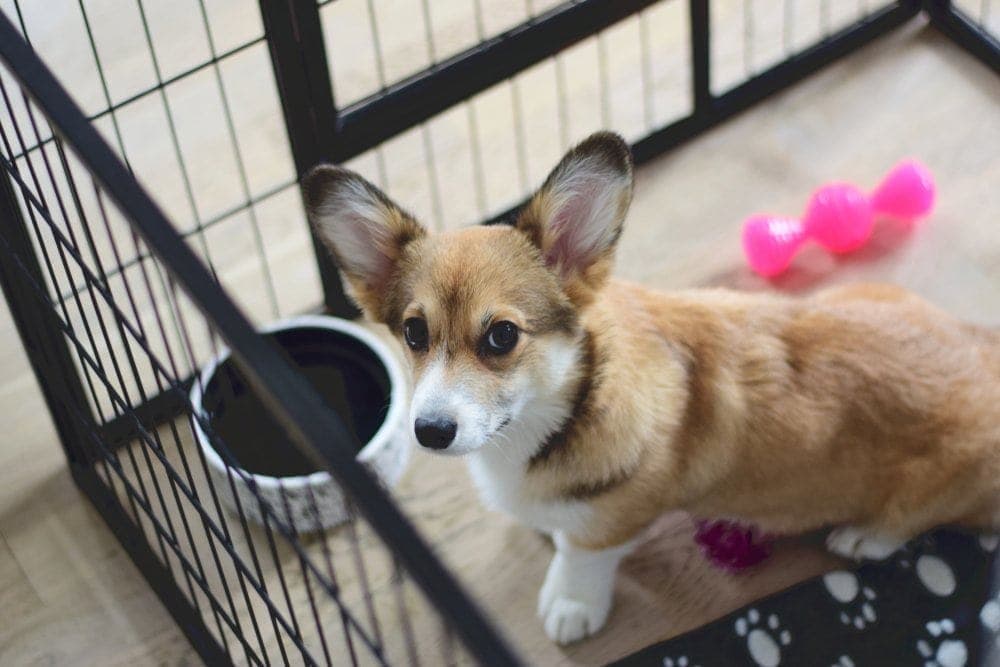
If you're going to be gone for longer than a few hours, consider hiring a pet sitter to watch them or to come and take them out of their crates for bathroom breaks. If your dog is potty-trained, you could also designate a small room in your house free from hazards (cords, food, etc.) where they can stay instead of a crate.
Outfit this room with a potty pad, food, water, a blanket, and a safe toy, but try not to leave anything else. Like a crate, this place can be your dog's spot to relax while you're at work, so never use this space as a punishment or time out corner. A room is better for an extended stay because it allows your dog to stretch out a little more and use the bathroom.
However, a room only works with dogs who are trained to use the potty pad and typically a small room is best so that your dog still views as their crate (no one wants to have bathroom accidents in a confined area). The room also shouldn't be viewed as their permanent home. Your dog needs time with you to bond, they need to play outside and socialize with other dogs and humans.

Conclusion
When done properly, crating allows you and your dog to relax during the times you need to be apart by creating a safe space where your dog can't get into anything harmful. You should never leave your dog in their crate for longer than eight hours at a time and much shorter if they're under a year old. After two months and up to six to eight months, you can leave a puppy in their crate for as many hours as their age is in months.
For older dogs who are potty-trained, you might want to consider designating a small room in your house where they can have a potty pad if you’re going to be gone for most of the day without a pet sitter. In time, your dog will view their crate as their cozy den and might even look forward to it.
Sources
Featured Image Credit: Parilov, Shutterstock
Get Hepper In Your Inbox


Pet care tips from our vets and experts, straight to your inbox.
You may opt-out at any time. View our Privacy Policy for more information.

After nine years as a veterinary assistant, Brooke Billingsley transitioned to a career as a nurse in 2013. She lives in Arkansas with her boyfriend, sharing their home with three dogs, two cats, five fish, and two snails. A dedicated animal lover, Brooke has a special place in her heart for special needs pets, including a three-legged senior dog and a famous cat with acromegaly and cerebellar hypoplasia. Fish keeping is one of her hobbies, and she is constantly improving her knowledge to care for her aquarium pets. Brooke is an active yoga enthusiast, having obtained her 200-hour yoga teacher certification in 2020. She believes in the importance of continuous learning and dedicates time each day to developing new skills and expanding her knowledge.
Join the conversation
Ask a question, share your story, or send private feedback.