Hepper is reader-supported. When you buy via links on our site, we may earn an affiliate commission at no cost to you. Learn more.
Do Cats Have a Clitoris? Vet-Reviewed Reproductive Anatomy


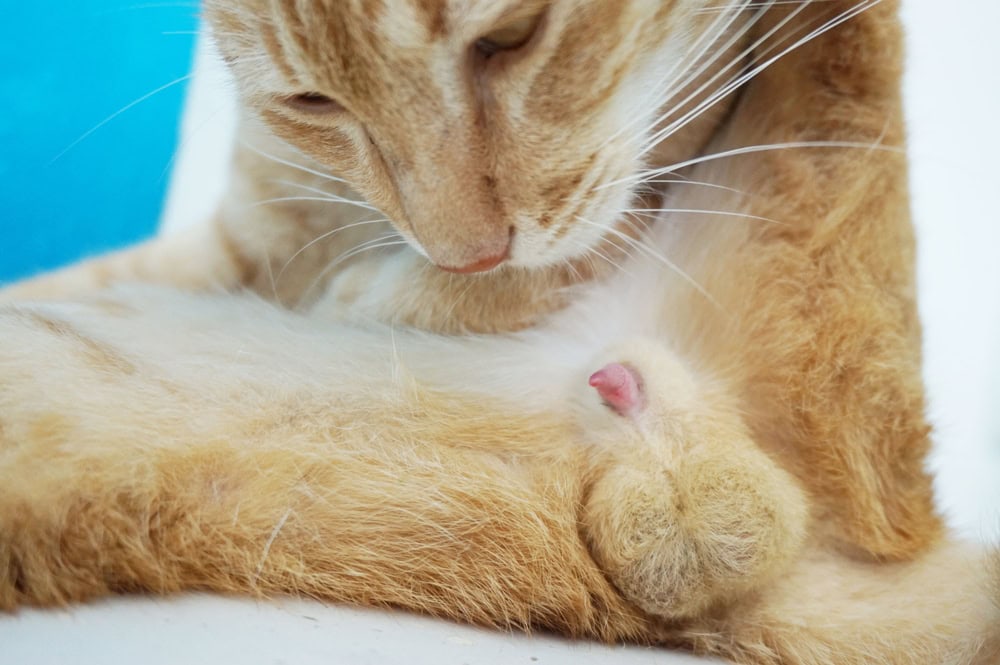
Cats have clitorises like all female mammals, but the organ's function differs between species. While it's clear that non-human primates experience sexual pleasure, scientists caution against reaching similar conclusions for other animals.
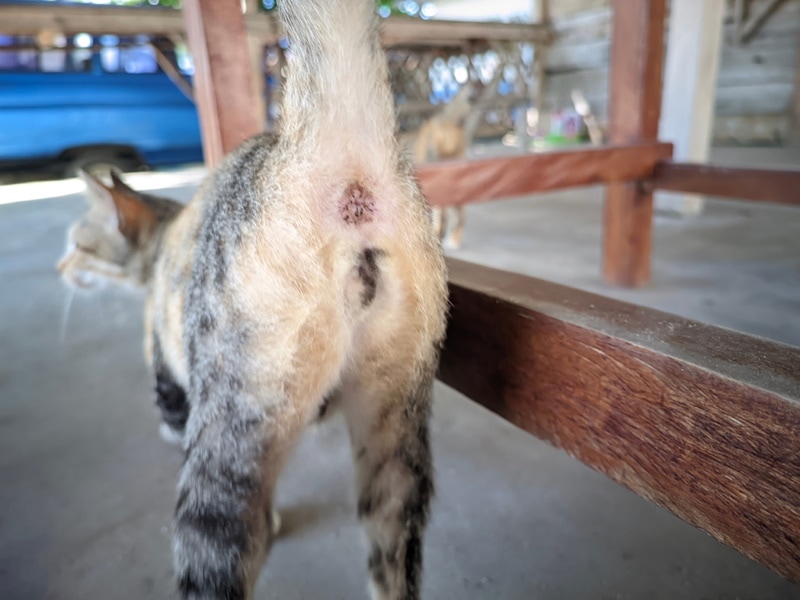
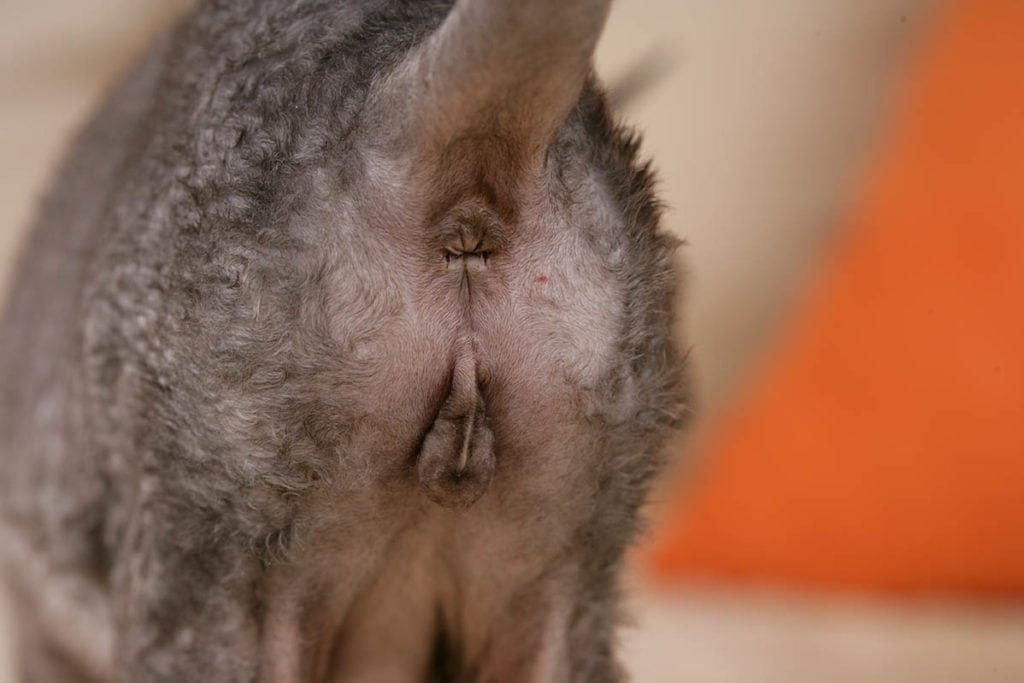
The reproductive system in female cats comprises several organs, including two ovaries connected to the uterus by fallopian tubes, also known as oviducts. The cervix is the end of the uterus and separates it from the vagina. The exterior opening of the female feline reproductive tract is called the vulva. The clitoris is located just inside the vulva.

The Female Feline Reproductive Tract
Cats' ovaries are essentially held in place by abdominal ligaments. Ovaries are where unfertilized eggs are stored. Eggs are released from follicles, which then pass through cats' oviducts to reach the uterus. Cats do not ovulate or release eggs until they have mated.
Cats have y-shaped uteruses; the arms of the Y are called the horns, where pregnant cats carry their kittens. Fetal development occurs in the uterus, and the uterine walls consist of smooth muscle and a lining containing blood vessels. The endometrium is the technical name for the inner uterine lining.
Cats' cervixes are made of tough connective tissue and muscle that forms an opening that widens to allow kittens to pass through during birth. It's relatively closed at other times, which helps keep bacteria at bay. The vagina can expand and stretch to facilitate birth, and it also protects the urethral opening.
Conditions of the Female Feline Reproductive Tract
Cats can develop several diseases and conditions in their reproductive tracts, including ovaries, uteruses, and vaginas.
At What Age Can Cats Get Pregnant?
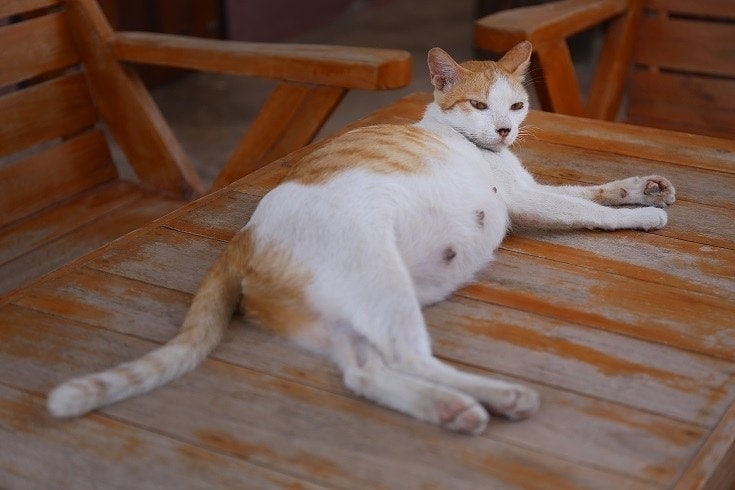
Cats can get pregnant starting when they're about 5 or 6 months old, but some reach sexual maturity a bit earlier. Cats are seasonally polyestrous, which means they have multiple cycles during the breeding season with each estrus cycle lasting about 2 or 3 weeks. Cat pregnancies generally last 63-65 days, and fetal heartbeats are detectable during ultrasound examinations when queens are about 4 weeks pregnant. Fertility starts declining when cats reach about 8 years old or so.
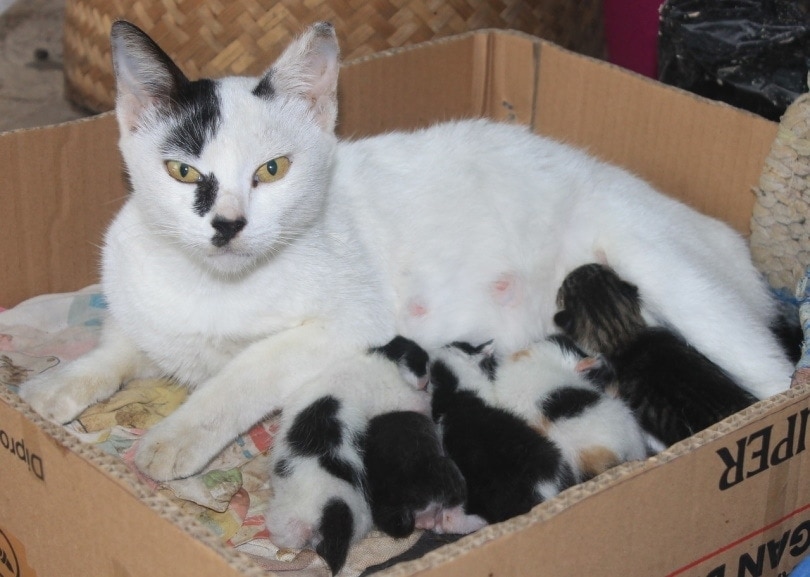
Cats only release eggs after having intercourse and can have up to 12 kittens per litter, but between four to six is closer to the average. First-time mothers often have fewer kittens. Kittenhood generally lasts about 1 year, and cats are usually mature enough to head to their forever homes starting when they're about 8 weeks old.
Can Female Cats Be Infertile?
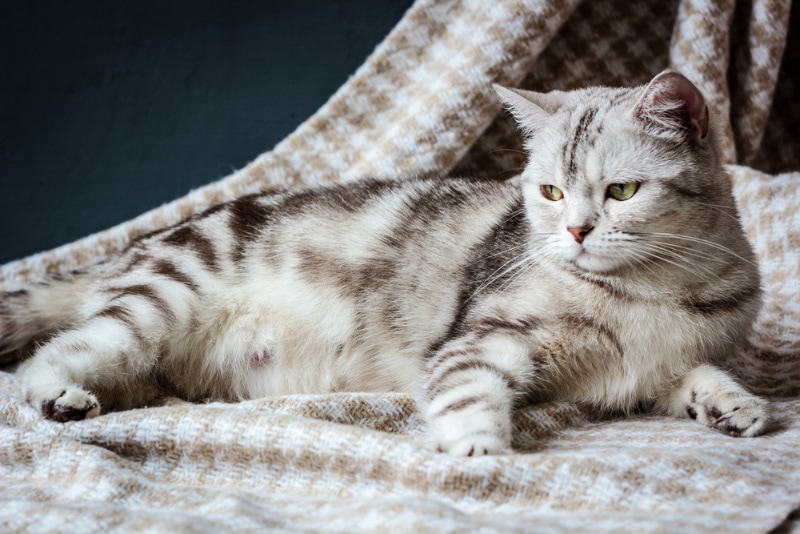
Feline infertility can be caused by difficulties mating, not coming into heat, and problems carrying kittens to term.
Difficulties Mating
Cats that have physical problems with their reproductive organs sometimes experience pain during sex that can prevent successful mating. Trauma-related injuries to the sexual organs can also interfere with intercourse.
Not Coming Into Heat
The average female cat's estrus cycle lasts 2 to 3 weeks if she doesn't have the opportunity to mate. Some cats simply don't enter estrus or have abnormal and irregular cycles. Chromosomal abnormalities and ovarian problems can sometimes prevent cats from becoming pregnant.
Stressors and insufficient daylight can also cause cats' estrus cycles to stop or become irregular.
Problems Carrying Kittens to Term
Several conditions can prevent cats from carrying kittens to term, including the following:
How Is Infertility Diagnosed?
Veterinarians often start with blood and urine tests to get an overall picture of cats' health. Testing for viruses such as FIV and FeLV that may cause infertility is also regularly ordered.
Cultures are sometimes run to determine if bacterial infections are present, and imaging studies such as ultrasounds are used to evaluate cats' internal reproductive organs. Hormone studies and vaginal cytology can also obtain precise information about the stage of a cat's estrus cycle.
Treatment of the condition depends mainly on what's causing the problem. Cysts and tumors sometimes need surgery, and bacterial infections usually require antibiotics to clear up.

Are There Ways to Encourage Optimal Feline Reproductive Health
Nutrition is critical to ensuring that cats are healthy enough to become pregnant and able to carry healthy kittens safely to term. Pregnant cats need more calories than regular adult pets and should eat food formulated for kittens or pregnant cats when they're about 1 month pregnant.
Vaccinating cats before they get pregnant can help prevent the development of some infections that result in infertility. As an added benefit, kittens get protection against conditions their mothers have been vaccinated against while nursing.
Female cats must also be exposed to at least 14 hours of daylight daily to come into heat. Providing a restful and stress-free environment can improve cats' overall health and well-being and their ability to have healthy kittens.
FAQs
Is intercourse painful for female cats?
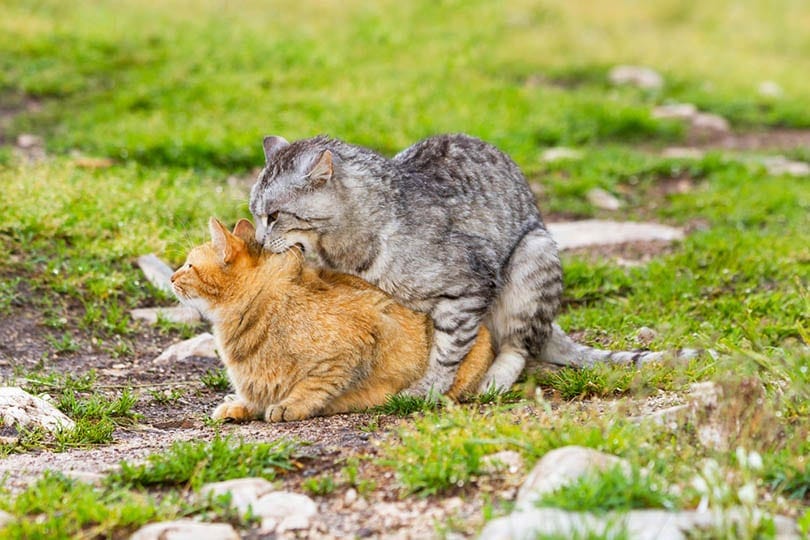
Although it’s difficult to confirm, females likely experience pain when mating. Male cats bite female cats' necks during intercourse, and their penises have barbs that scrape against the inside of female cats' vaginas to trigger ovulation. Feline mating is often accompanied by howling and sometimes even aggression.
The entire process usually only takes a few minutes, and some female cats need to have sex several times a day to ovulate. Cats don't release eggs regularly like most human females do. The barbs on male cats' penises are likely part of how female cats' bodies know it's time to ovulate.
How does spaying work in female cats?
Spaying is a surgical procedure for removing a female cat's ovaries and uterus. It prevents cats from going into heat and from becoming pregnant. It also has the added benefit of reducing cats' risk of developing mammary gland cancer in the future and preventing pyometra.
Can One Litter of Cats Have Multiple Fathers?
Cats usually mate multiple times when they're in heat and often have intercourse with different toms. Kittens in one litter can have different fathers, and kittens in the same litter can have different physical appearances. The ability to become pregnant by and bear kittens from different fathers at the same time is called superfecundation.
Conclusion
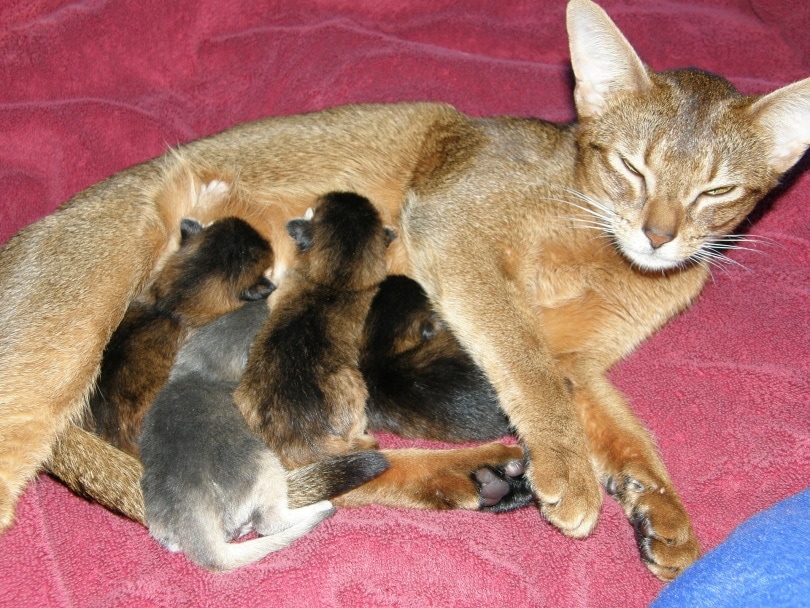
Female cats have clitorises. The clitoris is associated with sexual pleasure in humans and non-human primates, but scientists caution against assuming that all species experience sexual enjoyment in ways similar to humans.
Mating is likely quite painful for female cats, and they often cry out and react with what appears to be aggression when mating.
Sources
https://www.petmd.com/cat/conditions/reproductive/c_ct_ovarian_tumors
https://www.petmd.com/cat/conditions/reproductive/vaginitis-vaginal-inflammation-cats
https://www.petmd.com/cat/conditions/reproductive/cat-pregnancy-and-kittens-complete-guide
https://www.cats.org.uk/media/1029/eg18_pregnant_cats-_birth_and_care_of_young_kittens.pdf
https://www.petmd.com/cat/care/kitten-development-understanding-kittens-major-growth-milestones
https://vcahospitals.com/know-your-pet/infertility-in-female-cats
https://vcahospitals.com/know-your-pet/pregnancy-and-parturition-in-cats
Featured Image Credit: YNG Pictures, Shutterstock
Get Hepper In Your Inbox


Pet care tips from our vets and experts, straight to your inbox.
You may opt-out at any time. View our Privacy Policy for more information.
Lorre Luther a reformed lawyer from the United States, she moved to the Netherlands to follow her dream and become a writer. Currently living in Rotterdam, Lorre enjoys traveling and reveling in the astonishing beauty of our planet. As an animal lover, Lorre is convinced that cats are smarter than humans.
Join the conversation
Ask a question, share your story, or send private feedback.