Hepper is reader-supported. When you buy via links on our site, we may earn an affiliate commission at no cost to you. Learn more.
Are Ferrets Hypoallergenic? Vet-Reviewed Facts & Tips


In this article
If being around cats and dogs causes you to start sneezing, itching, or coughing, you are probably allergic. And that’s a bummer if you really enjoy animals and want a pet.
However, there’s good news, as you can try adopting a pet that’s hypoallergenic. What exactly does it mean if an animal is hypoallergenic? Firstly, no furry animal is 100% hypoallergenic, but there are those that shed less and produce lower levels of the proteins that trigger allergies, and these are what are often referred to as being hypoallergenic.
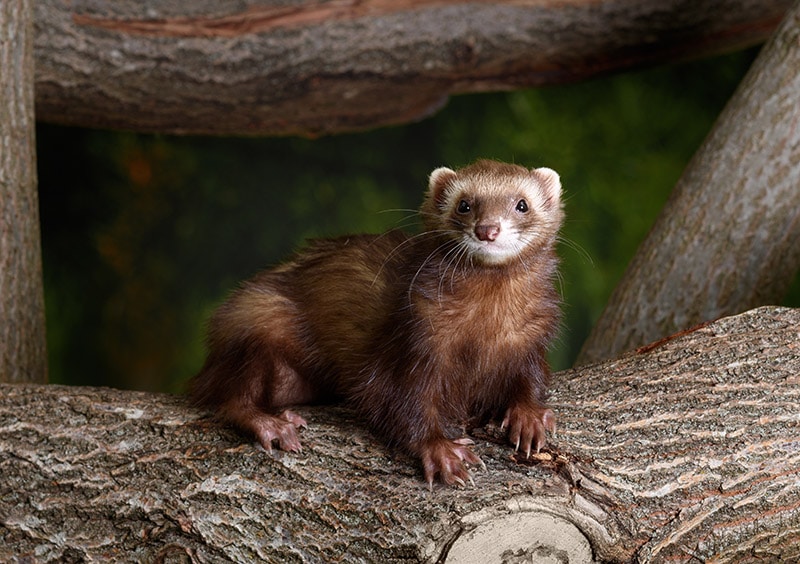
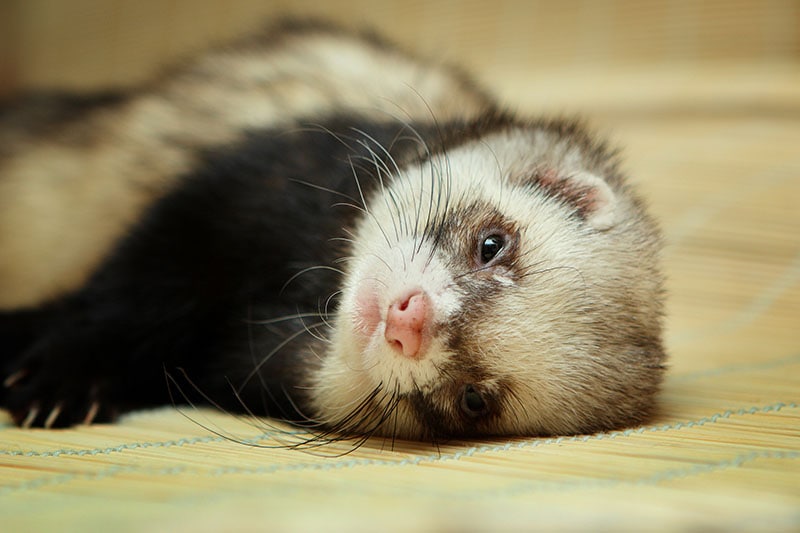
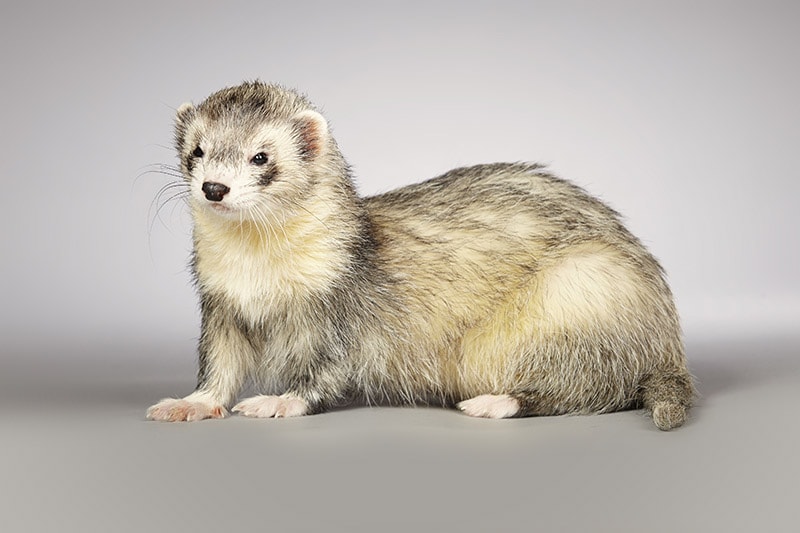
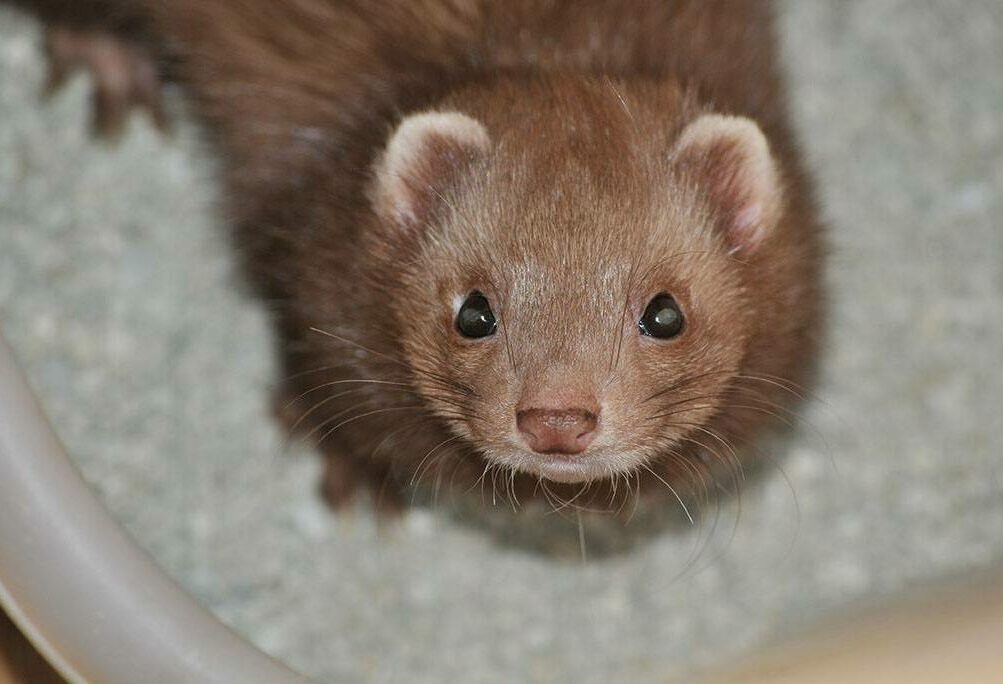
But what about ferrets? Are they hypoallergenic? Ferrets are not hypoallergenic, but they are low-shedding, so you might still want to give them a go if you’re seeking a pet. Let’s take a look at what you need to know about ferrets and allergies.

What Causes Pet Allergies?
What is it exactly that causes someone to be allergic to an animal? Many believe it’s the hair that causes allergies, but most allergies are actually due to dander. However, some allergies are also caused by an animal’s saliva.
So, what is dander, and why does it cause allergic reactions? Dander is tiny pieces of skin (so minute you can’t even see them) that attach themselves to an animal’s hair during the shedding process, which is why there’s a belief that it’s a pet’s hair that causes allergies.
So, if you own a pet that sheds constantly, then there’s dander flying about your home all the time, attaching itself to your clothes, your bedding, and more, or being sucked into the vents and getting circulated around the house. Dander flying about constantly also means it’s getting into your nose, mouth, and sinuses; this is how dander causes an allergic reaction.
When it comes to saliva and allergic reactions, you’ll find this is most common in people who are allergic to cats. An animal’s saliva consists of particular proteins that can act as a trigger on the immune system. So, if your pet gives you a friendly lick and gets saliva on you, it could lead to an allergic reaction. Or your pet might groom themselves, which leads to saliva drying on the fur. When that fur sheds, it goes airborne, meaning the saliva can get in your lungs, also causing allergic reactions. And cats tend to spend a lot more time grooming their coats than dogs, so it makes sense that their coats will carry more of this protein.

Ferrets & Allergies
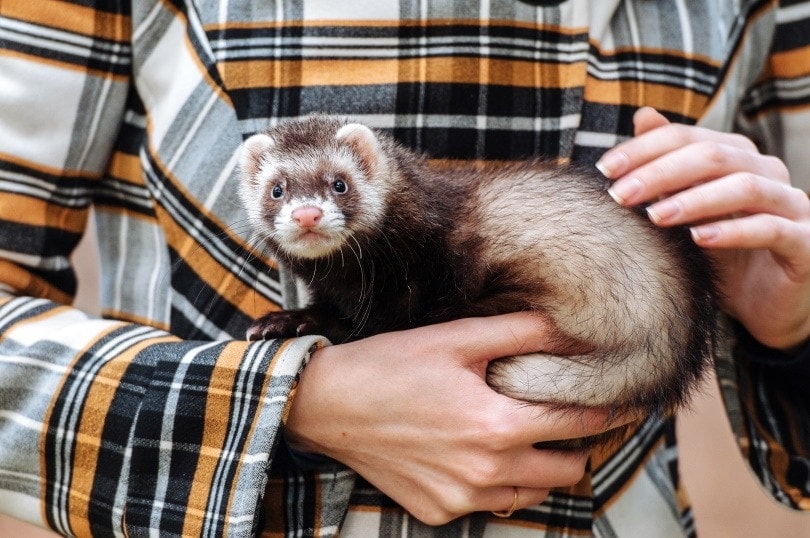
As we said, ferrets don’t shed too much; in fact, they only really shed a couple of times a year, and these shedding periods last about 2 weeks. That means a ton less dander flying about your home. And as far as saliva goes, ferrets are less prone to giving you kisses than a dog or cat, so there is less chance of getting saliva on you. However, ferrets groom themselves, so saliva can dry on their fur, which may cause issues if you pick your ferret up. So although they can certainly still trigger reactions, they may be a better option for those with allergies.
It's good if you know what it is about animals that causes your allergies, though, i.e., dander or saliva. People who have skin allergies will likely do better with a ferret, while those with breathing allergies might be more likely to experience a reaction (even more likely if you own multiple ferrets).
How Can I Tell if I’m Allergic to Ferrets
The best way to know if you’re allergic to a ferret is to interact with one before committing to bringing one home, so you can see if you have any reactions. If you end up experiencing any of the following after this meeting, then you likely have an allergy to ferrets:
- Watery or itchy eyes, conjunctivitis
- Hay fever symptoms
- Asthma
- Rashes or itchy skin
Signs and symptoms will vary from person to person, so watch closely for anything out of the ordinary, particularly if you know that you are particularly sensitive to different things.
How to Reduce Ferret Allergy Signs & Symptoms
If you discover you’re allergic to ferrets but are still dead set on owning one, there are a few things you can do to reduce allergy signs and symptoms.
- Clean often and well. Wherever your ferret walks and climbs (and this will be a wide variety of places), vacuum and wipe down these areas regularly to reduce the amount of dander flying about.
- Don’t clean your ferret’s litter box or cage. If you’re allergic to ferrets, your pet’s litter box and cage will be huge hot spots for triggering allergies, so someone else will have to do the job of cleaning those out.
- Always wash your hands thoroughly after touching your ferret. To play it super safe, change your clothes, too, and wash the ones you were wearing while playing with your pet.
- Cover your home’s vents with cheesecloth or invest in some vent filters. Since pet hair and dander can spread throughout your home via the vents, putting a material like cheesecloth over the vents is a good idea. This way, air still circulates, but hopefully, dander will not. You might also consider adding an air purifier with a HEPA filter to your home.
- Bathe your ferret. Although you shouldn’t bathe them too often as this can lead to dry, flakey skin, which could make matters worse, using a mild shampoo, a waterless shampoo, or skipping the shampoo and just using a conditioner once every few weeks can leave your ferret smelling fresh as well as reduce the amount of dander on their coat, without stripping their coat of natural oils.
- Finally, ensure your ferret is being fed a healthy diet. Keeping your pet healthy with high-quality, healthy ferret food can help reduce the amount of shedding your pet does. Food supplements that contain essential fatty acids can also help improve skin and coat condition, reducing flaking, itching, or overgrooming.
Conclusion
Ferrets aren’t considered hypoallergenic, but they do shed much less than most cats and dogs, which means they may be a good alternative for those with allergies to animals. However, there’s still a chance a ferret could trigger your allergies. If you absolutely must have a ferret, there are ways you can reduce allergy symptoms, like by keeping your home incredibly clean of ferret hair and dander.
Talk to your doctor about allergy testing and other ways to combat your allergies too.
Ferrets are adorable, and we absolutely understand the need to have one! But do ensure you will be able to take care of it long-term without suffering extreme allergic reactions before committing to one.
Related Reads:
Sources
Featured Image Credit: Piskova Photo, Shutterstock
Get Hepper In Your Inbox


Pet care tips from our vets and experts, straight to your inbox.
You may opt-out at any time. View our Privacy Policy for more information.
Misty Layne lives out in the woods in small-town Alabama with her two Siamese—Serafina and Jasper. She also has an array of stray cats, raccoons, and possums who like to call her front porch home. When she’s not writing about animals, you’ll find her writing poetry, stories, and film reviews (the animals are, by far, her favorite writing topic, though!). In her free time, Misty enjoys chilling with her cats, playing piano, watching indie and foreign films, photographing abandoned places, and catching up on her never-ending TBR list.
Join the conversation
Ask a question, share your story, or send private feedback.