Hepper is reader-supported. When you buy via links on our site, we may earn an affiliate commission at no cost to you. Learn more.
Do Frogs Hibernate? Vet-Approved Facts & FAQ


As we retreat indoors for warmth and comfort when winter nears, we often forget that not every creature has the same luxury. The sights and sounds of active backyard animals disappear once the temperatures drop, but while we know about migrating birds and acorn-hoarding squirrels, some creatures present a little more mystery around their wintertime whereabouts.
Where do frogs go during the winter? Their active chirping through the summer assures their presence even if we don’t see them, but few of us understand the nature of the conspicuous cold weather absence. Do frogs hibernate? Frogs do undergo a hibernation-like state for the winter (known as brumation) if the temperature is low enough to trigger it. We’ll explain all as we explore how these amphibians handle low temperatures.

Do Frogs Hibernate?
Frogs appear in numerous environments worldwide, from Arctic habitats to deserts and rainforests. Depending on the species and their surroundings, these cold-blooded creatures evolved unique traits to handle temperature extremes. In the winter, frogs brumate, slowing their metabolism and relying on their energy stores to sustain them until the spring thaws. Brumation is the cold-blooded animal equivalent of hibernation.
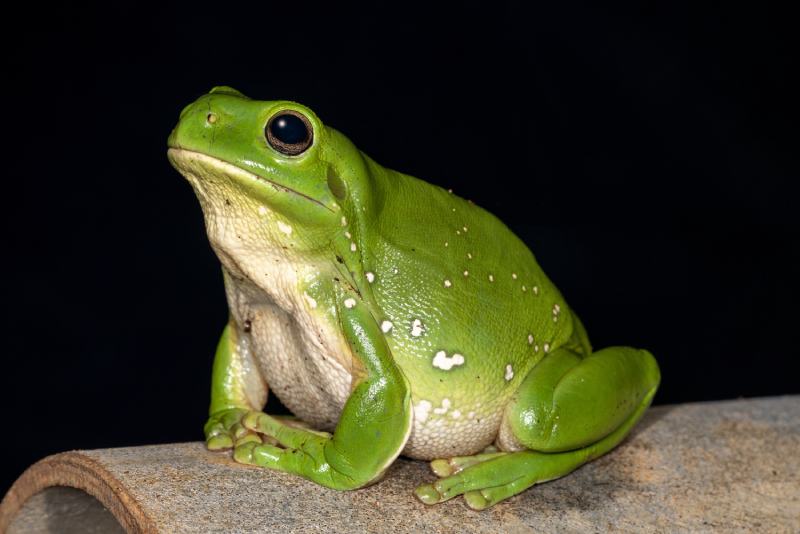
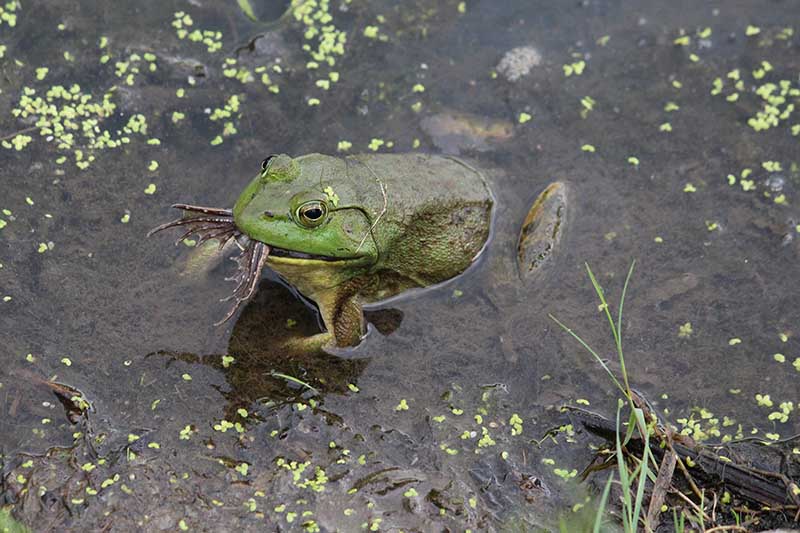
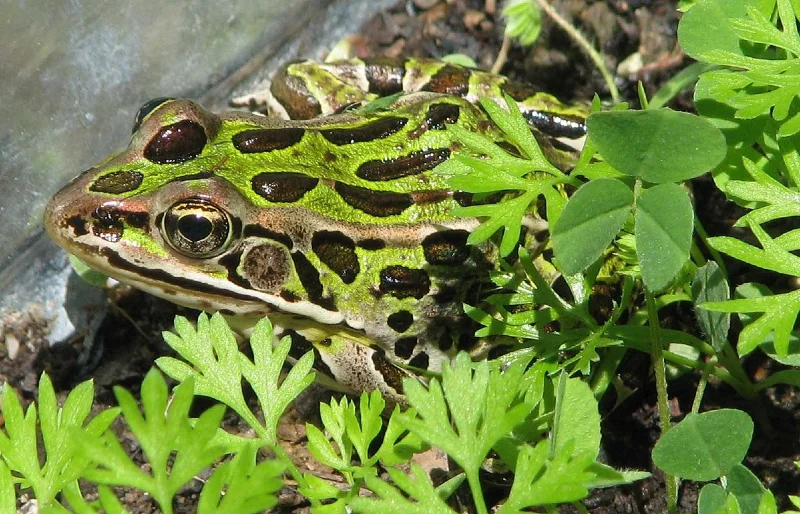
Aquatic and terrestrial frogs brumate differently. Northern leopard frogs, American bullfrogs, and other aquatic and semi-aquatic varieties see through the winter at the bottom of a small body of water. Instead of burrowing into the muddy pond floor, frogs stay above the surface to ensure they receive enough oxygen to survive.
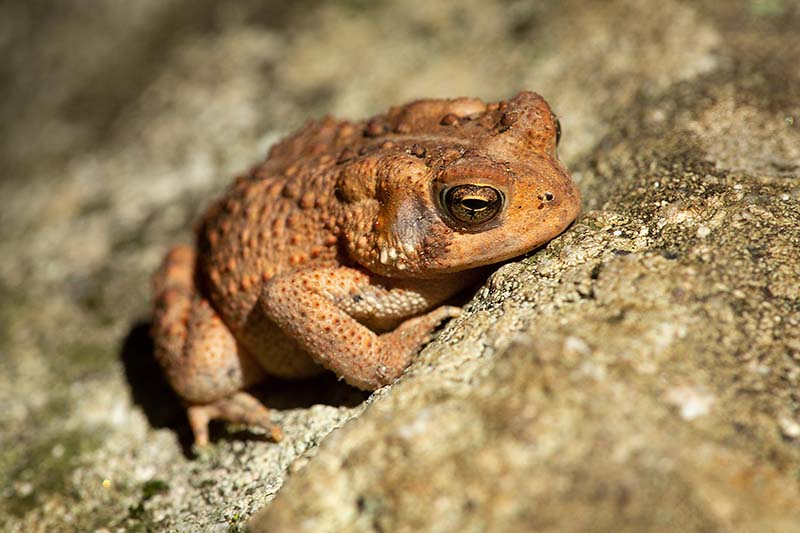
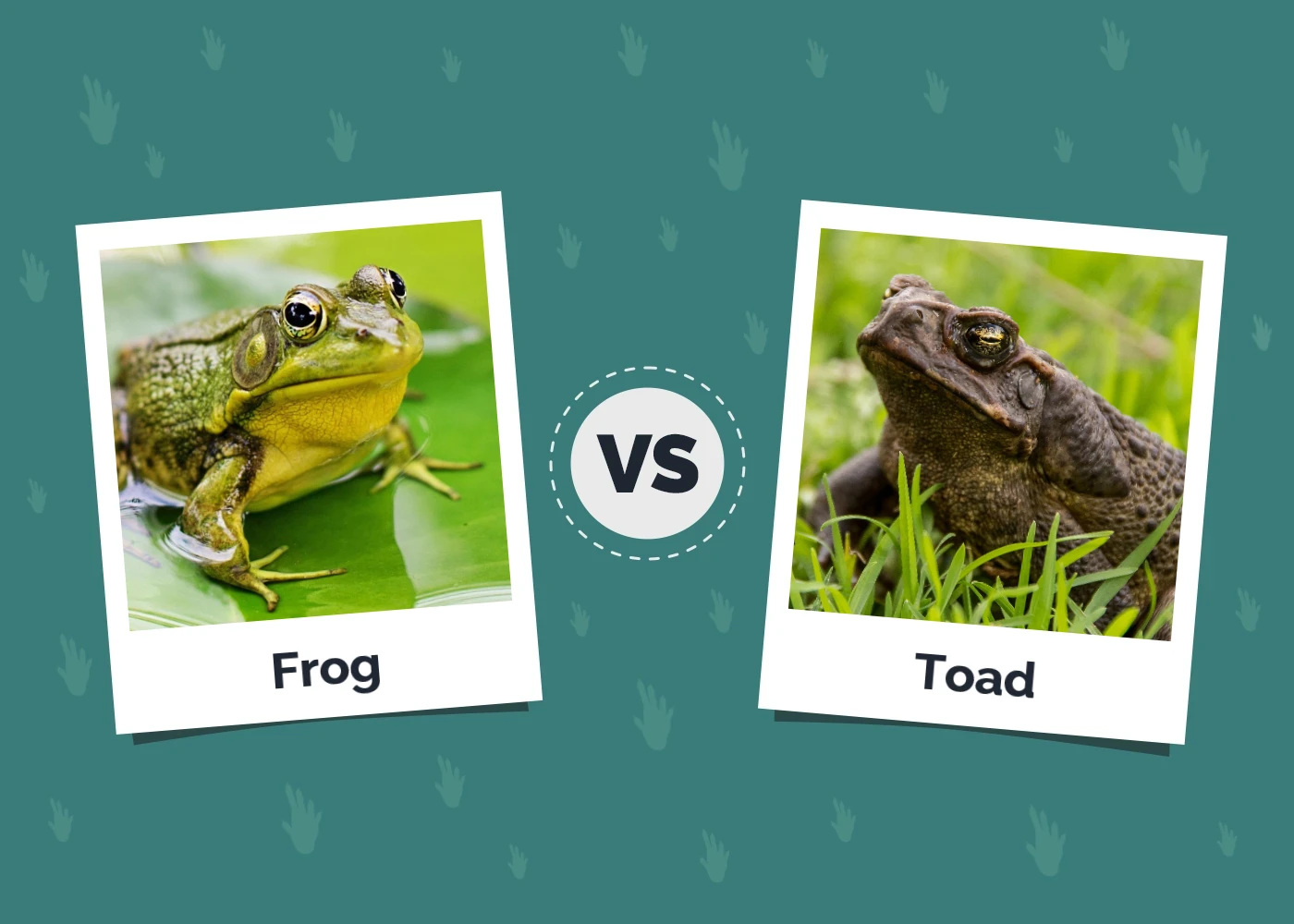
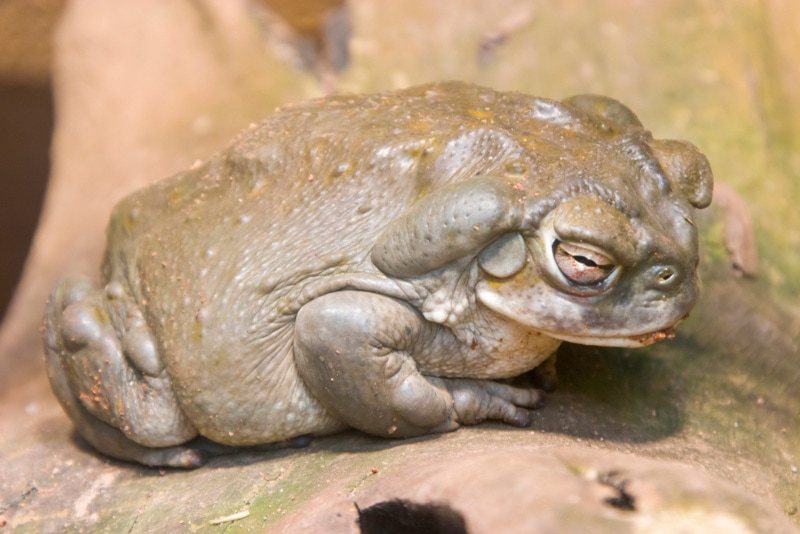
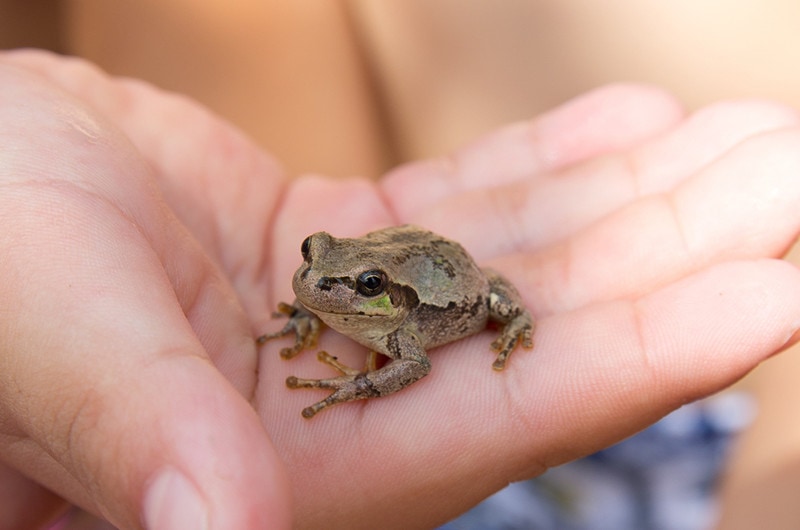
Terrestrial frogs, such as American toads and pickerel frogs, create a hibernaculum, a protective living area where they overwinter. While some burrow into soil, debris, and silt near aquatic environments to get under the frost line, other frogs are poor diggers. Barking tree frogs, spring peepers, mountain chorus frogs, and wood frogs hide in leaf litter, old animal nests, or crevices between rocks or within trees.
How Do Frogs Survive the Cold?
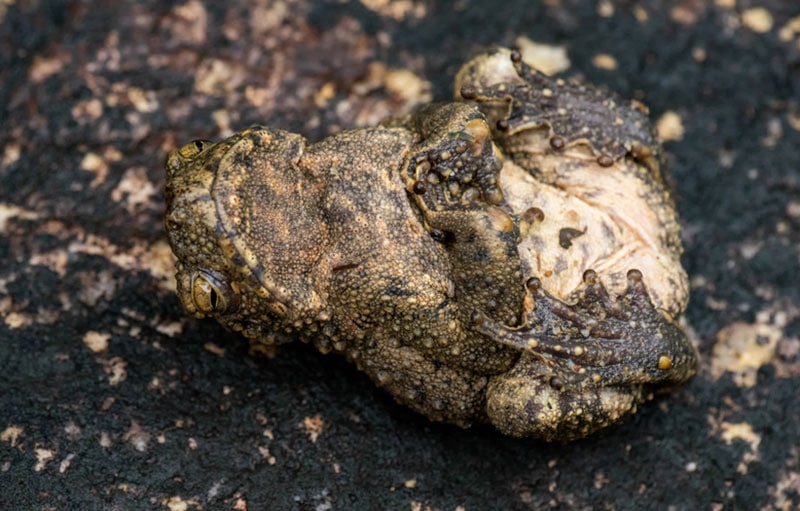
Because of their often insufficient ability to cover themselves during the winter, up to 66% of a frog's body can freeze. They stop moving, their heart and brain stop functioning, and if you were to look at one in nature, you would swear it was dead. But under the surface, the frog does what they need to barely survive. And when the snow melts, they will rouse from their slumber and spring back to life for the warm season.
Northern frogs developed specific adaptations to handle cold weather hazards. Wood frogs (Rana sylvatica) are some of the hardiest varieties, with some even capable of surviving temperatures below 0°C (32 °F) for extended periods. The more resilient species utilize two essential osmolytes to manage the cold: glucose and urea. Urea slows metabolism and protects tissues and cell membranes, while glucose acts as a natural antifreeze.
How Sugar Keeps Frogs from Freezing
Frogs build up glucose stores as the weather gets cold, and they deal with the daily freeze-thaw cycles leading to winter. When they enter hibernation, they ramp up glycogenolysis in the liver, converting stored glycogen to glucose and sending it through the frog’s circulatory system.
Heightened glucose levels lower the freezing point of water by disrupting the hardened hydrogen bonds that make ice. As it stops the crystalline lattice from forming throughout the body, glucose prevents damage to tissues, organs, and bones that could potentially kill the frog.
How Long Can Frogs Hibernate?
Frogs hibernate as long as they have to, which could be several weeks or over half a year, depending on the species and location. Toads hibernate for up to 9 months, waiting until the soil is at its warmest to reactivate their bodies, while tree frogs may only hibernate until the end of the spring frost.
What Is Winter Kill?
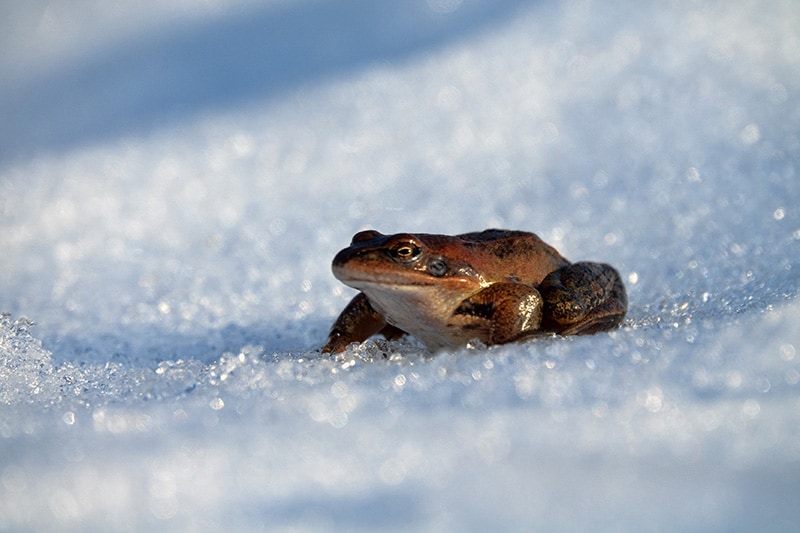
Winter kill is the unfortunate death of a hibernating frog that can occur for several reasons. A common cause is irregular cold patterns. When the snow thaws prematurely, frogs will emerge from hibernation. They'll then begin their routine of moving toward breeding grounds. But when sudden cold weather comes in several weeks later, they’ll be unprepared and unable to survive with their meager glucose stores.
Aquatic frogs face other potential threats in their ponds. Winter kill can happen when ponds ice over and underwater plants can’t produce oxygen. As the oxygen reserves in the water run out, the frogs eventually suffocate. Although winter kill can be random and more severe in some circumstances, it doesn’t significantly impact frog populations.
Final Thoughts
Many frogs hibernate for the winter if the climate calls for it. From the desert to the tundra, native frogs have found innovative ways to survive the harshest environments around the world. Keep an eye out this winter as you explore the great outdoors. Watch your step, and you may discover the rare sight of a frog in tranquil hibernal repose hiding atop the forest floor.
Related Reads:
Featured Image Credit By: Dirk Ercken_Shutterstock
Get Hepper In Your Inbox


Pet care tips from our vets and experts, straight to your inbox.
You may opt-out at any time. View our Privacy Policy for more information.
Nicole is a lover of animals of all sizes but is especially fascinated with the feline variety. She’s the proud mom of Baby, a Burmese, and works every day so he can relax in the sunshine or by the fire. She’s always had a cat in her home and has spent countless days with others, observing behaviors and softening up even the grouchiest of the lot. Nicole wants to share her kitty expertise with you so you and your cat can live happy, healthy, and care-free.
Join the conversation
Ask a question, share your story, or send private feedback.