Hepper is reader-supported. When you buy via links on our site, we may earn an affiliate commission at no cost to you. Learn more.
Are Frogs Cold-Blooded? Vet-Approved Facts & FAQ


In this article
Frogs are amazing little creatures that spark curiosity in many people. One question that often comes up is whether frogs are cold-blooded or not. The answer is yes, frogs are indeed cold-blooded, also known as ectothermic. This means their body temperature and metabolism depend on the temperature around them. In this friendly guide, we'll dive into the world of frogs and learn about their ectothermic nature, biology, behavior, and adaptations.

Cold-Blooded Facts: Understanding Ectothermy
Being cold-blooded, or ectothermic, means that an animal relies on external heat sources to regulate its body temperature. Unlike warm-blooded animals, they don't generate their own body heat through metabolic processes. This has some pros and cons for our froggy friends.
Pros
- Lower energy requirements for maintaining body temperature, which mean they can survive on fewer resources.
- Ability to live in a wide range of environments.
Cons
- Vulnerability to changes in the environment's temperature.
- Extreme temperatures can make it difficult for frogs to perform necessary activities like eating, reproducing, and avoiding predators.
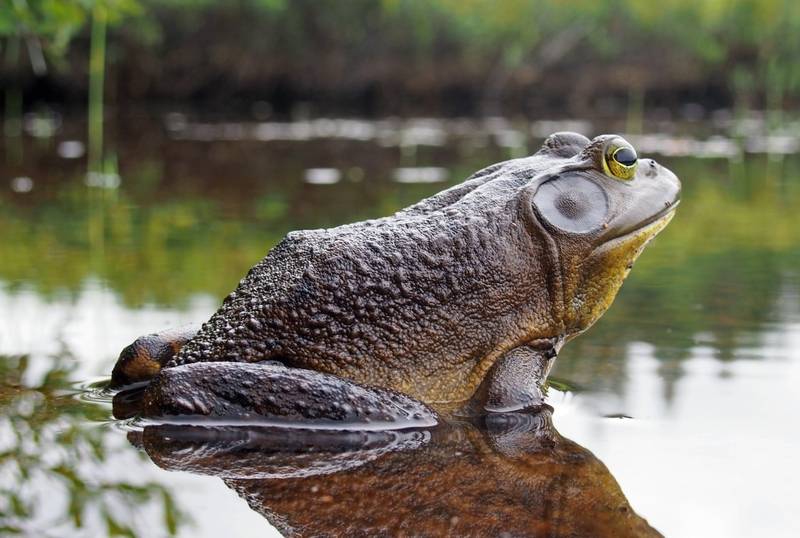
Frog Life: Biology and Ectothermy
Frogs, as cold-blooded animals, have developed unique metabolic adaptations to cope with varying temperatures. They can slow down or speed up their metabolism depending on external conditions, allowing them to conserve energy and maintain essential bodily functions.
Thermoregulation
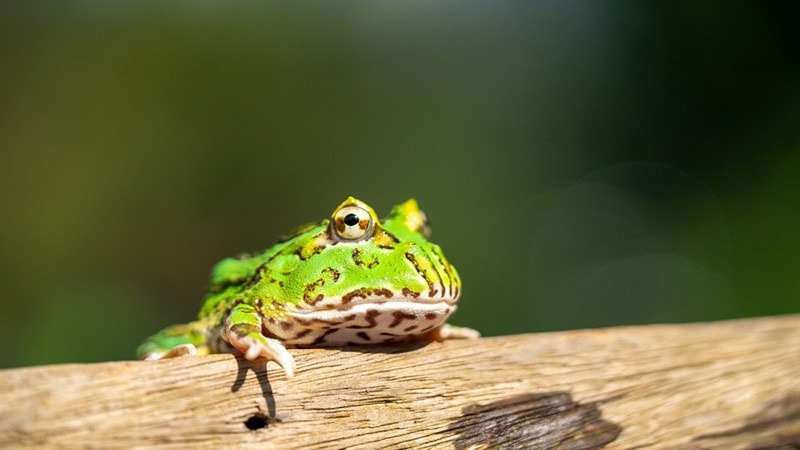
Frogs can control their body temperature by basking in the sun to warm up or seeking shade and moist areas to cool down. Frogs regulate their body temperature through heat exchange with the environment. Their skin and blood vessels play a crucial role in this process, allowing them to absorb heat from sunlight or release excess heat to the surroundings.
Hibernation, Estivation, and Energy Conservation
Frogs can enter hibernation (during cold winter months) or estivation (in hot, dry periods) to conserve energy. They slow down their metabolism and become inactive to survive harsh conditions.
Being cold-blooded offers frogs several advantages in terms of energy conservation. Since they rely on external heat sources, they have lower energy requirements for maintaining body temperature. This allows them to survive on fewer resources and inhabit a wide range of environments.
Metamorphosis and Temperature
Environmental temperature affects how quickly a tadpole develops into an adult frog. Warmer temperatures typically speed up the process.
Frog Behavior and Ectothermy
Temperature also plays a role in how frogs behave.
Microhabitat Selection
Frogs are experts at choosing the right environment for temperature control. They select microhabitats with specific temperature and humidity levels that suit their needs, such as shaded areas, sunny spots, or moist refuges.
Basking and Sheltering
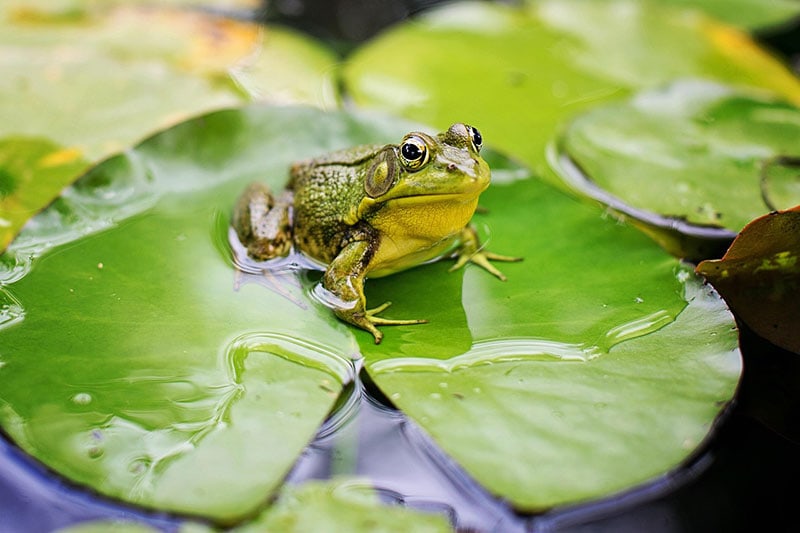
Frogs balance sun exposure and shade-seeking behaviors to maintain optimal body temperature. Basking in the sun helps them warm up, while seeking shelter in shady or moist areas prevents overheating and dehydration.
Water and Moisture
Water plays a vital role in temperature regulation for frogs. They often seek out water sources or damp environments to cool down and maintain their body temperature. In addition, water helps prevent dehydration, which is crucial for their overall well-being.
Activity Patterns
Many frogs are more active during the night or at dawn and dusk when temperatures are cooler, helping them avoid overheating and dehydration.
Mating and Breeding
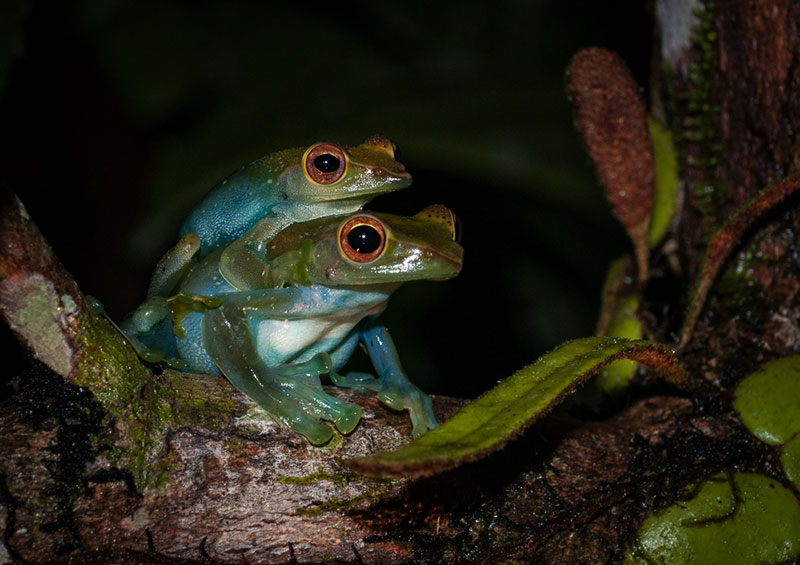
Temperature affects frogs' mating and breeding behaviors. Some species only breed during specific seasons, while others adjust their reproductive timing based on temperature.
Predator Avoidance
Frogs have developed various strategies to avoid predators, such as camouflage and toxic secretions. Their cold-blooded nature also allows them to stay still for long periods, making it harder for some predators to spot them.
Ectothermy in Different Frog Species: Comparing Temperature Regulation Strategies
Tropical Frogs
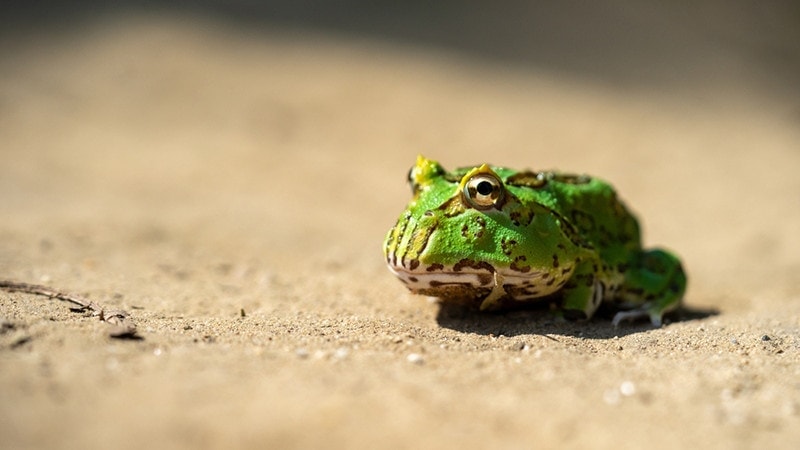
In constant warmth and humidity of rainforest environments, tropical frogs have adapted to efficiently regulate their body temperature. They often rely on the dense canopy for shade and utilize water sources like streams and ponds for cooling down.
Temperate Frogs
Frogs living in temperate climates face seasonal temperature fluctuations and must adapt their thermoregulation strategies accordingly. During warmer months, they may bask in the sun or seek out cool, damp areas, while in colder months, some species enter hibernation to conserve energy.
Arctic and Alpine Frogs
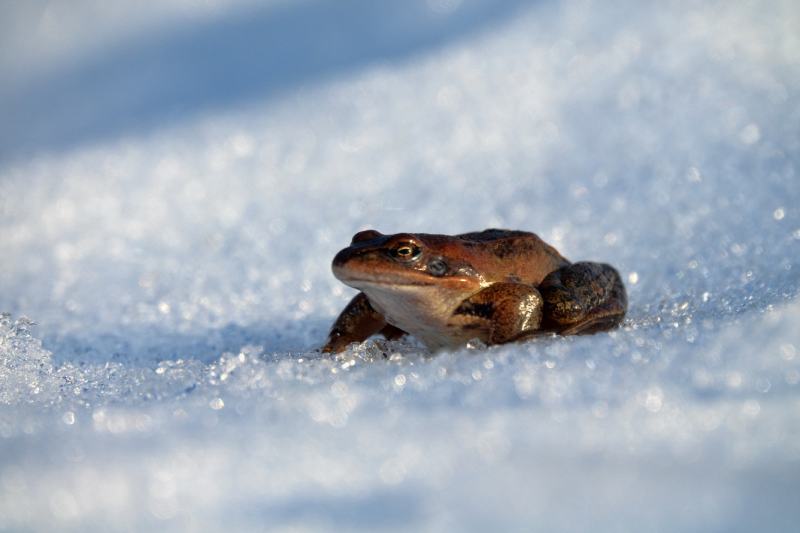
Some frog species have remarkably adapted to survive in extreme cold and high-altitude habitats. These frogs employ unique strategies, such as producing cryoprotectants to prevent freezing or burrowing deep into the ground during harsh winter months, allowing them to endure extreme conditions.
How the Environment Affects Frogs
Frogs, being ectotherms, can be sensitive to environmental changes:
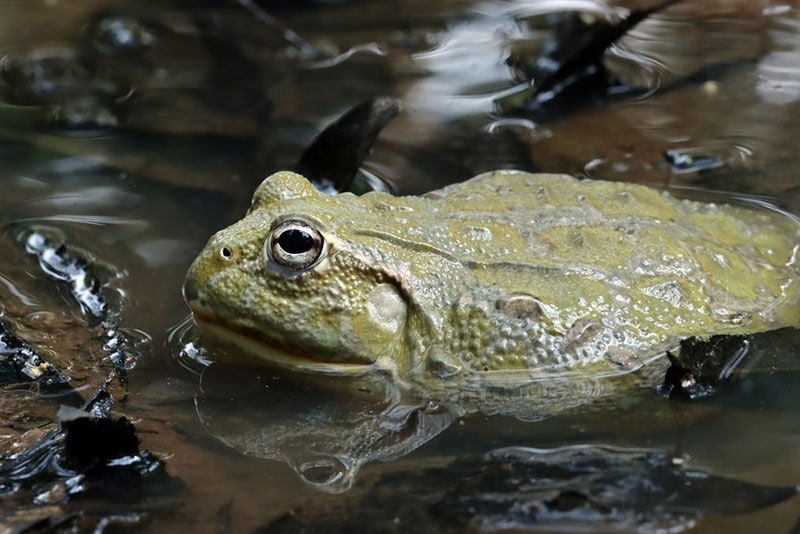
- Climate Change: Changes in temperature and precipitation patterns can disrupt frog habitats, breeding cycles, and food sources, potentially leading to population declines or even extinction.
- Habitat Loss: Human activities like deforestation and urbanization can destroy frog habitats. Because they rely on specific environmental conditions, they are especially vulnerable to habitat loss.
Helping Our Frog Friends: Conservation Efforts
We can take steps to protect frogs and their habitats:
- Monitoring Populations: Keeping track of frog populations helps us understand the impacts of environmental changes and guides conservation efforts.
- Habitat Restoration: Restoring and preserving natural habitats is essential for maintaining healthy frog populations. By protecting wetlands, forests, and other ecosystems, we can ensure that frogs have the right conditions to thrive.
- Not Releasing Pets: Pets should not be released into the wild because they can sometimes become invasive species. As invasive species, they can sometimes out-compete and cause damage to local ecosystems and fauna, which may include other species of frogs.
Other FAQs About Frogs and Ectothermy
What's the main difference between ectotherms and endotherms?
Ectotherms rely on external heat sources to regulate their body temperature, while endotherms generate their own body heat through metabolic processes.
Do all frogs hibernate or estivate?
Not all frogs hibernate or estivate. These behaviors depend on the species and the specific environmental conditions they experience.
Are frogs considered amphibians?
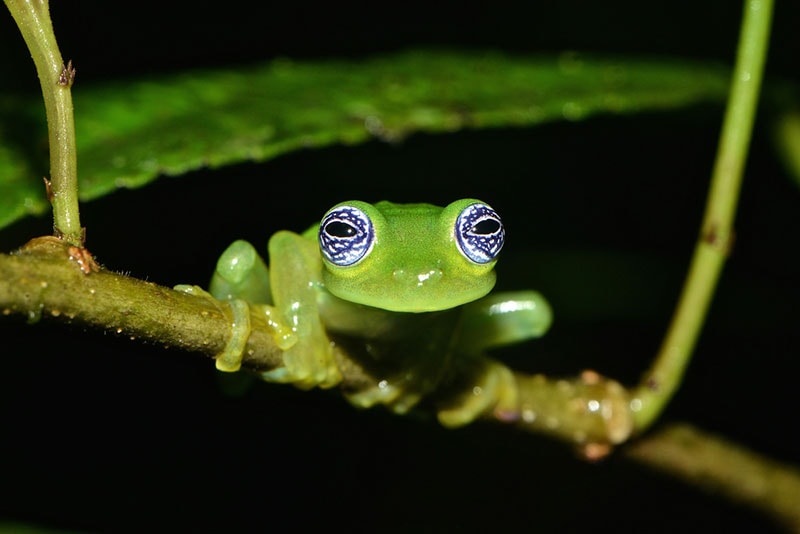
Yes, frogs are classified as amphibians, a group of animals that also includes salamanders and caecilians.
Are all frogs nocturnal?
Not all frogs are nocturnal. While many species are more active at night, some are diurnal (active during the day) or crepuscular (active at dawn and dusk).
Conclusion
Frogs are fascinating cold-blooded creatures that rely on external heat sources to regulate their body temperature. This adaptation has its pros and cons, but frogs have developed several strategies to deal with their ectothermic nature. It's important to understand frogs and their needs so we can protect them and their habitats.
Sources
Featured Image Credit: Kurit afshen, Shutterstock
Get Hepper In Your Inbox


Pet care tips from our vets and experts, straight to your inbox.
You may opt-out at any time. View our Privacy Policy for more information.
Nicole is a lover of animals of all sizes but is especially fascinated with the feline variety. She’s the proud mom of Baby, a Burmese, and works every day so he can relax in the sunshine or by the fire. She’s always had a cat in her home and has spent countless days with others, observing behaviors and softening up even the grouchiest of the lot. Nicole wants to share her kitty expertise with you so you and your cat can live happy, healthy, and care-free.
Join the conversation
Ask a question, share your story, or send private feedback.