Hepper is reader-supported. When you buy via links on our site, we may earn an affiliate commission at no cost to you. Learn more.
Can Frogs Breathe Underwater? Vet Approved Facts & FAQ


In this article
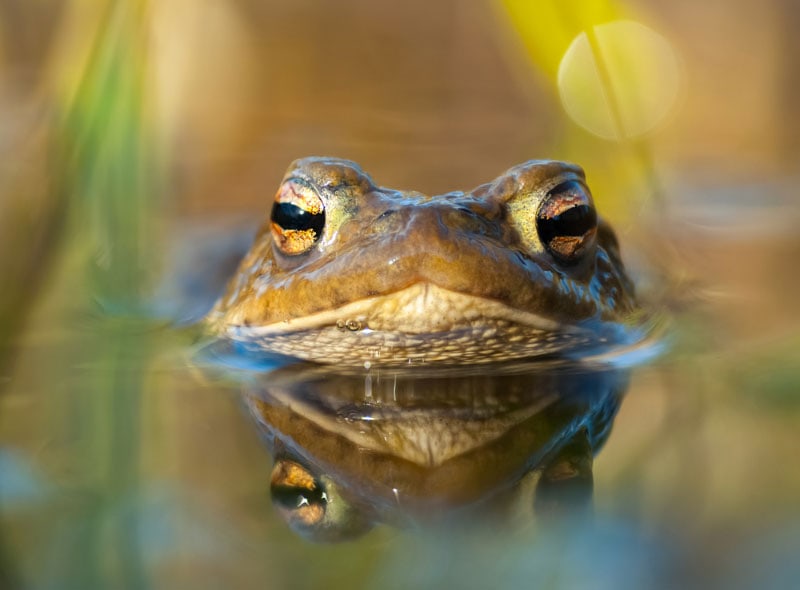
Frogs are amazing creatures considering their minuscule size. They are one of the few animals that start life as one type of creature, a tadpole, and then change into a frog later. One question many have is how frogs breathe, and can they breathe underwater?
Adult frogs have lungs to breathe from when on land, and they can breathe underwater through their skin. If you want to discover more about frogs and their exceptional survival skills, like how they breathe underwater and how long they can stay there, keep reading below.

How Do Frogs Breathe Underwater?
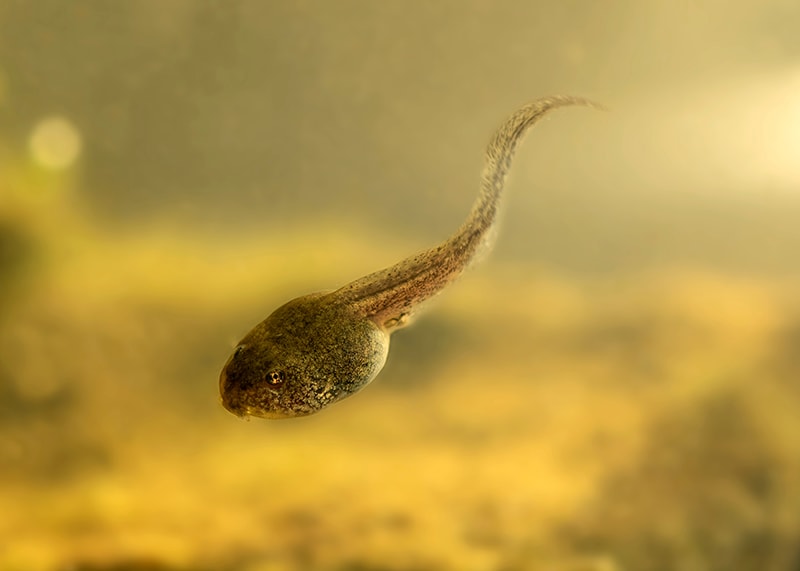
Frogs start their lives as tadpoles, which are fully aquatic animals that can breathe underwater thanks to having gills. Like fish, a tadpole’s gills take in oxygen from the surrounding water and allow them to survive without coming to the surface.
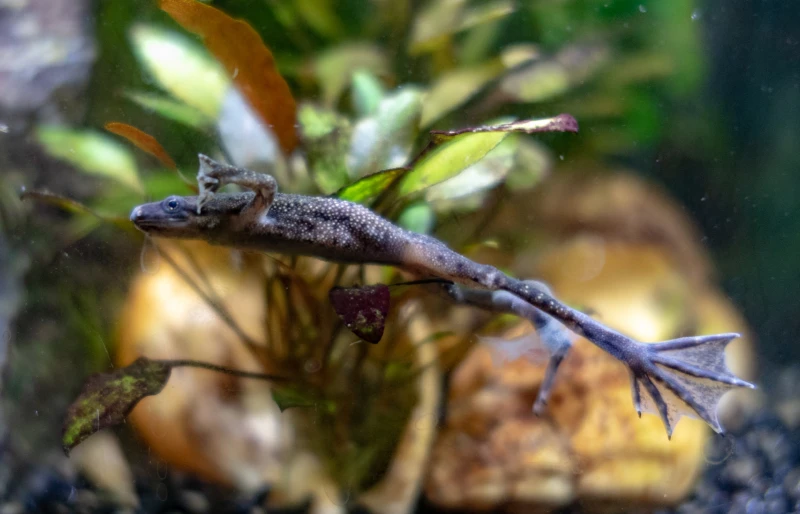
Once tadpoles grow into frogs, they lose their gills and develop lungs like humans and other land mammals. However, many species remain semi-aquatic, meaning they spend much or most of their life in and under the water. So how do they breathe without gills? They breathe with a process called cutaneous respiration, which allows them to take in oxygen through their skin.
Not only do frogs breathe oxygen through their skin, but they also release carbon dioxide in the same way. Frogs can do this because their skin has thousands of blood vessels, allowing them to diffuse oxygen into their bloodstream without using their lungs. Not only can frogs obtain oxygen from water but also from other sources of oxygen, including mud. That’s how they can hibernate in mud underwater for months at a time.
How Long Can Frogs Stay Underwater?
Although they can breathe through their skin, most frogs still need to occasionally come to the surface to breathe air into their lungs. Although it depends on the species, most can stay underwater from 4 to 7 hours.
The one exception to this is when some species hibernate, at which point they can stay underwater for weeks and even months at a time. Several unique abilities allow them to do this. For example, some frogs have more wrinkled skin, so more blood vessels are exposed to oxygen in the surrounding water.
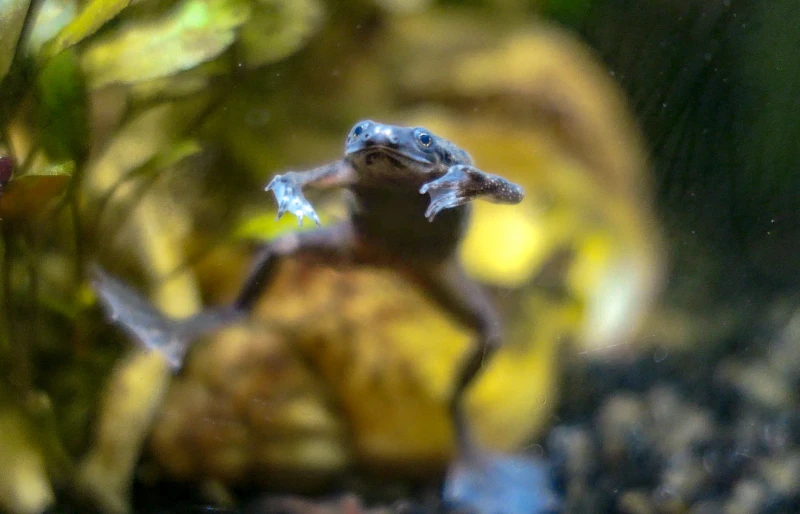
Other species can also lower their metabolism, slowing down their heart rate so that they need less oxygen to survive. Lastly, several species of frogs never lose their gills. These fully aquatic frogs live underwater full-time like fish and never need to come to the surface for air.
What’s the Difference Between Fully Aquatic and Semi-Aquatic Frogs?
We mentioned earlier that when frogs turn from tadpoles into adult frogs, they lose their gills and develop lungs. For that reason, they occasionally have to come to the surface and breathe oxygen through those lungs.
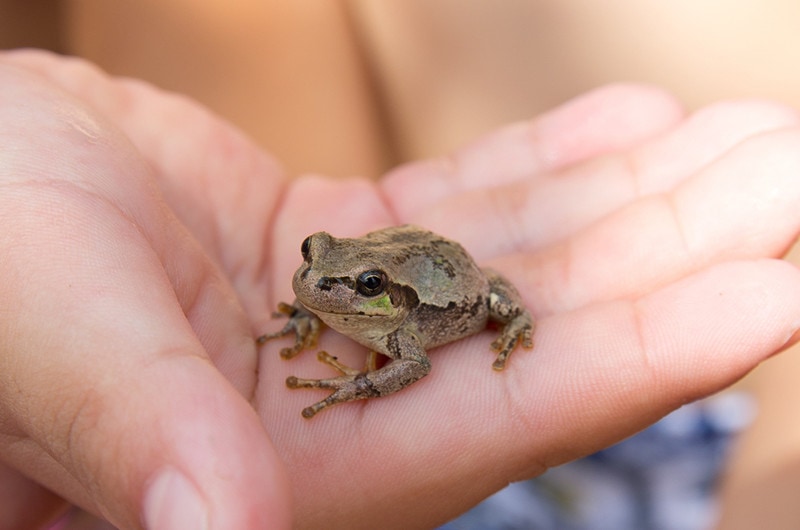
These frogs are called semi-aquatic because they live part-time in the water and part-time on land. They also still use their skin to breathe on land, which is why their skin is so slimy. However, fully aquatic frogs never breathe in oxygen but use their gills and skin to take in oxygen instead.
Which Species Are Fully-Aquatic?
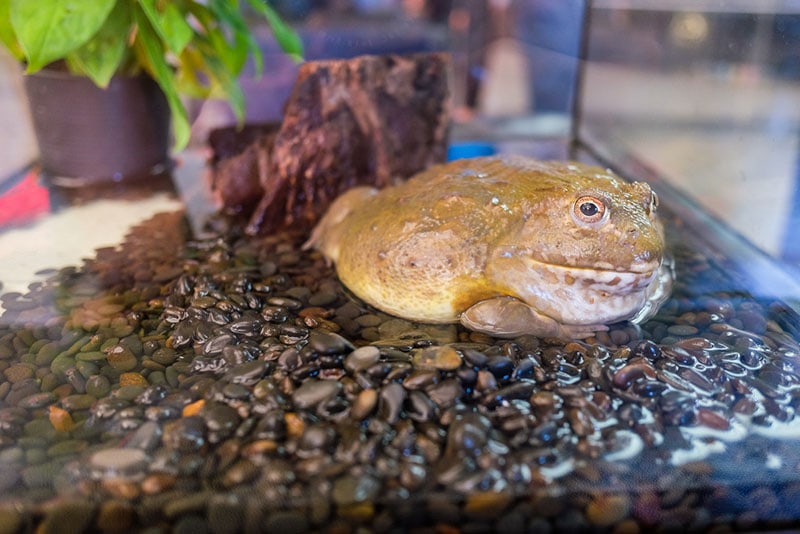
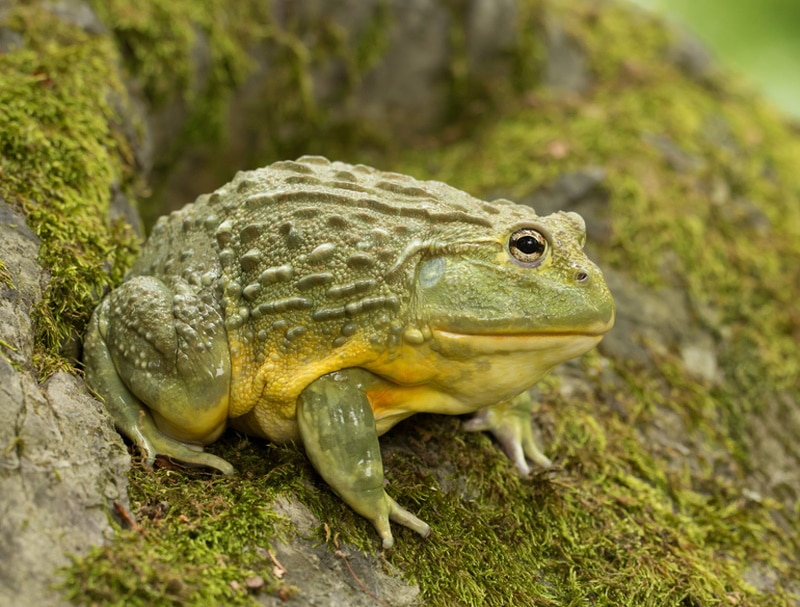
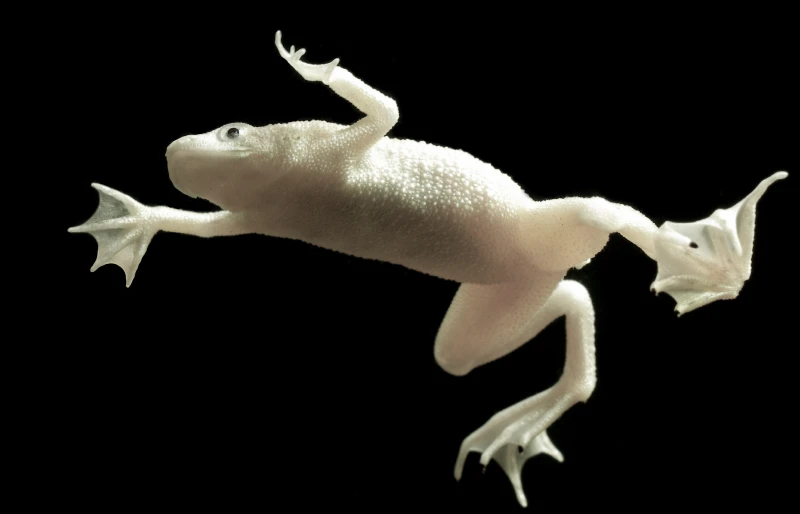
Fully aquatic frogs never develop lungs but keep their gills throughout their entire life, allowing them to live underwater full-time. Four species can do this, and all of them are found in Africa.
These species include the following:
Can Handling Frogs Impair their Ability to Breathe?
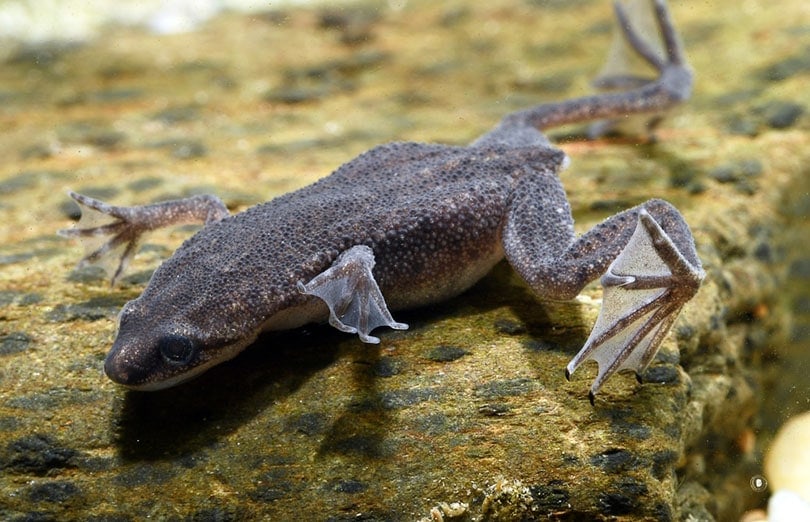
If you're keeping frogs as pets in an aquarium or a vivarium, it is important to note that mishandling them can be risky or even deadly to your frogs.
Other Frequently Asked Questions
Can Frogs Survive Without Oxygen?
Although semi-aquatic frogs can stay underwater for several hours at a time, and fully aquatic frogs live underwater, no species of frogs can survive without oxygen. If, for example, you had a fully aquatic frog in an aquarium and never changed or aerated the water, your frog might die due to lack of oxygen.
The Siberian wood frog is the exception, and scientists believe they can survive, at least for a time, in oxygen-free (aka hypoxic) water. However, they still aren’t sure whether these frogs can survive in water completely devoid of oxygen or in water with low oxygen levels.
Can Frogs Drown?
Even having lungs and the ability to breathe through their skin, a frog can still drown. This can occur if, for some reason, a frog’s lungs are filled with water. Also, it can drown if a frog dives too deeply into the water and cannot surface in time to refill its lungs with oxygen. This doesn't happen often, but it may happen in experimental circumstances.
Can Frogs Be Kept in an Aquarium?
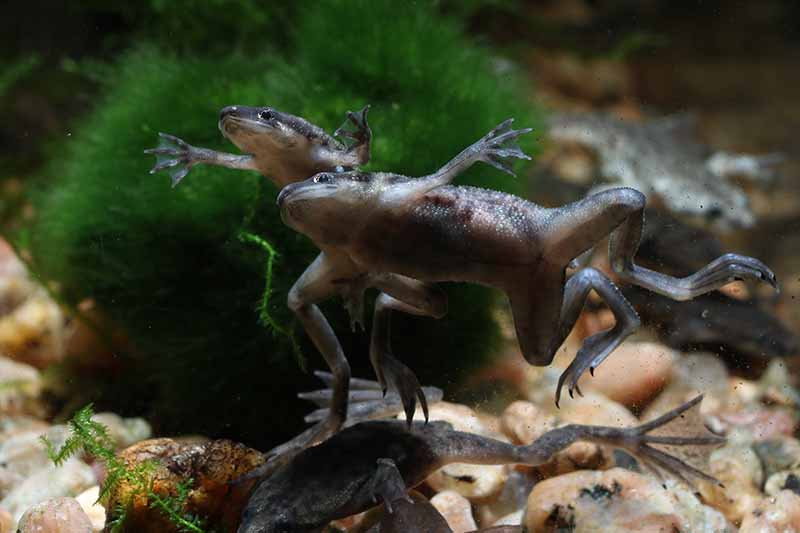
If you have an aquarium and want to keep frogs in it, you'll have to do some research first to determine which frogs are best. Aquatic frogs, including fully and semi-aquatic, can live in fish tanks. However, if you have a land or tree frog, they are best suited for a vivarium rather than an aquarium.
A vivarium is an aquarium with water and land options so that frogs can come out of the water and sit on a log, rock, or some other space out of the water. One of the best frogs for an aquarium/vivarium is the African Dwarf frog. The reason is that they don't eat fish and are relatively docile, and they won't bother any of the other creatures in your aquarium.
Final Thoughts
As we've learned, most species of frogs can breathe underwater via their highly adapted skin, which takes in oxygen and releases carbon dioxide. While most adult frogs have lungs and can breathe out of the water, some species of frogs in Africa keep their gills and live underwater full time.
It's also worth noting that most frogs need to occasionally come to the surface and breathe through their lungs. However, some species of frogs lower their metabolism so they can stay underwater for months while hibernating. Regardless of the species of frog, we think you’ll agree that their adaptations to breathing air are quite remarkable.
Related Reads:
Featured Image Credit: Charlie Tyack, Shutterstock
Get Hepper In Your Inbox


Pet care tips from our vets and experts, straight to your inbox.
You may opt-out at any time. View our Privacy Policy for more information.
Greg Iacono is a self-taught writer and former chiropractor who, ironically, retired early due to back problems. He spends his time writing scintillating content on a wide variety of subjects. Greg is also an accomplished video script writer known for his ability to take a complex subject and make it accessible for the layperson.
Join the conversation
Ask a question, share your story, or send private feedback.