Hepper is reader-supported. When you buy via links on our site, we may earn an affiliate commission at no cost to you. Learn more.
Do Frogs Lay Eggs? Interesting Reproductive Facts (Vet Reviewed)


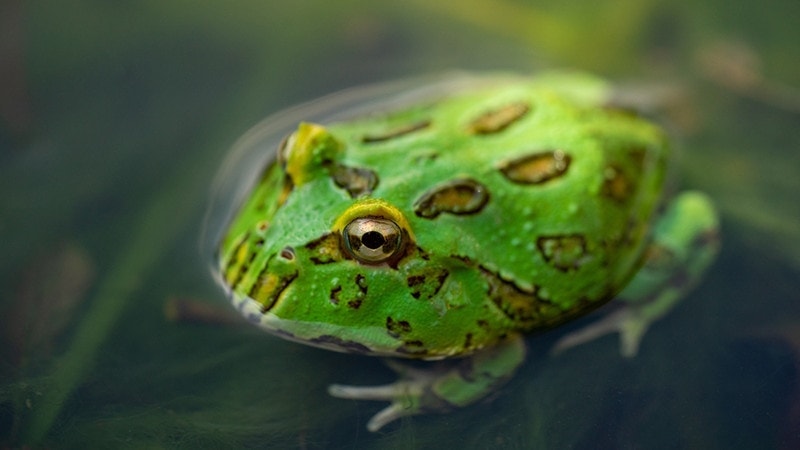
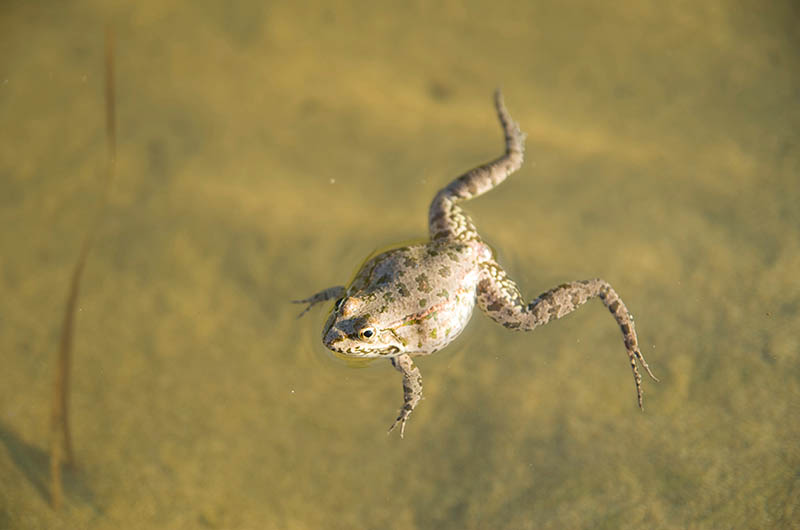
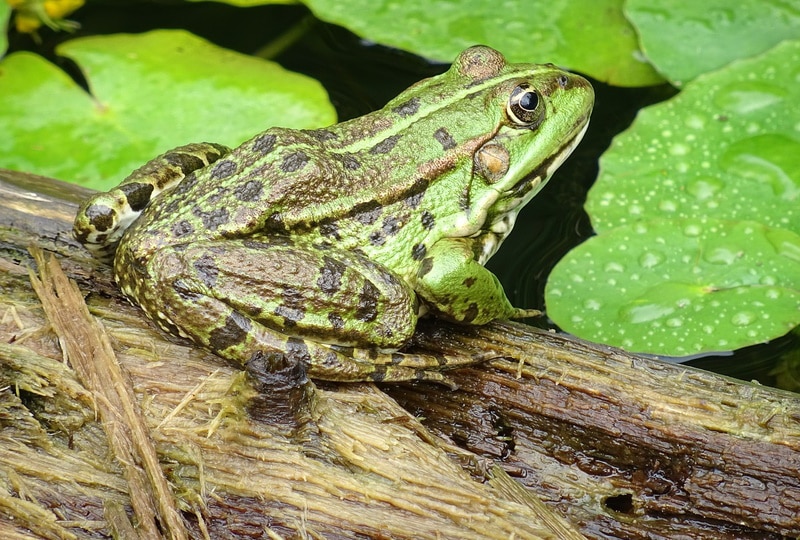
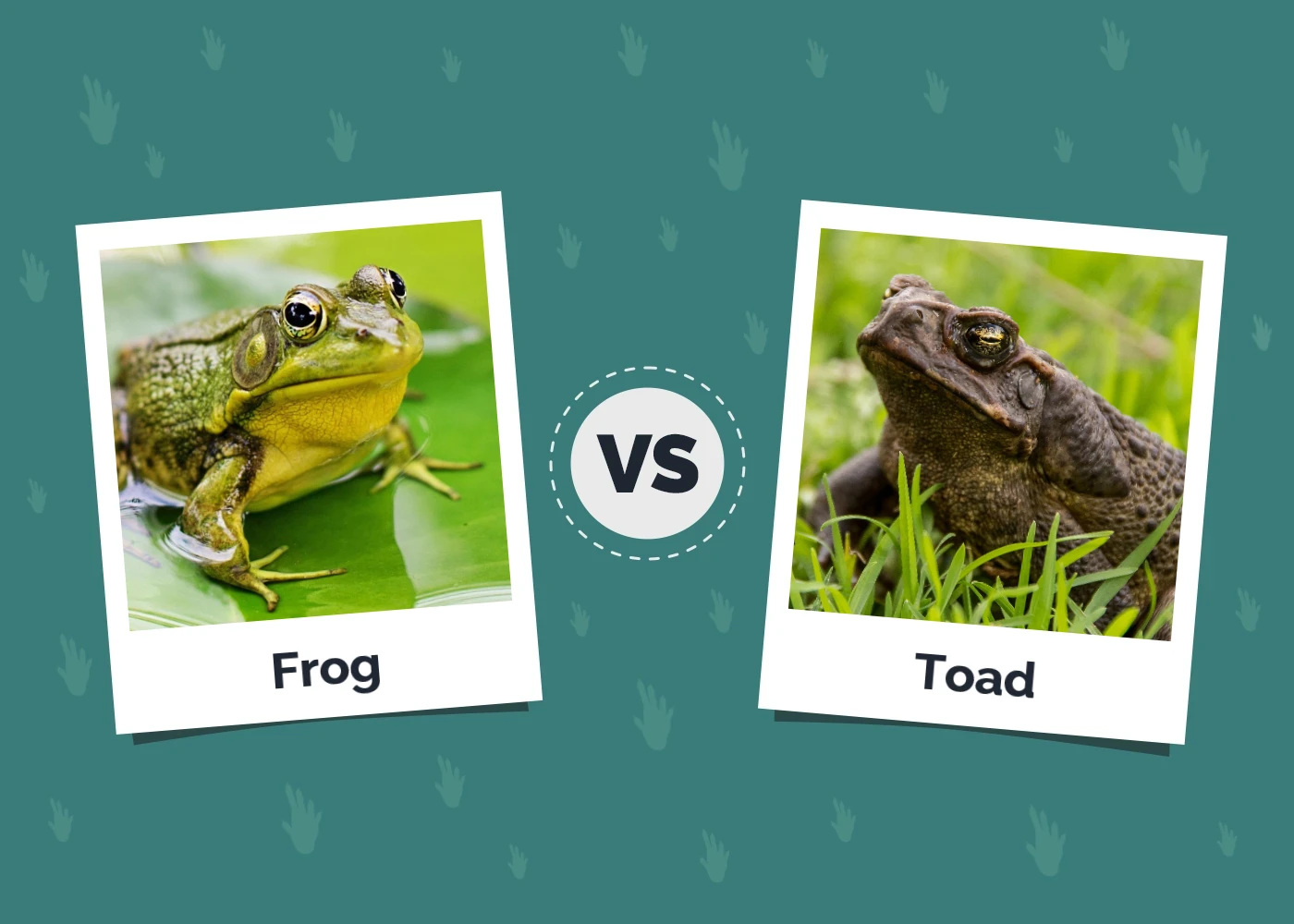
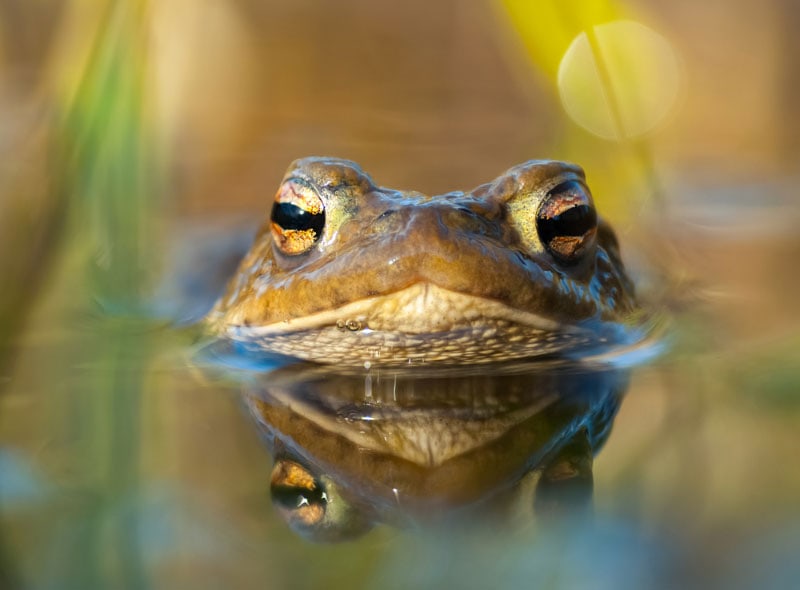
Frogs are part of the class Amphibia and the order Anura, to which most of them belong. Science recognizes at least 7,622 species. You’d think there would be some variability in a group of so many animals. Toads are also a part of this order. However, they differ in several significant ways. While adult frogs and toads have lungs, the former has teeth. That said, most species of frogs and toads lay eggs.
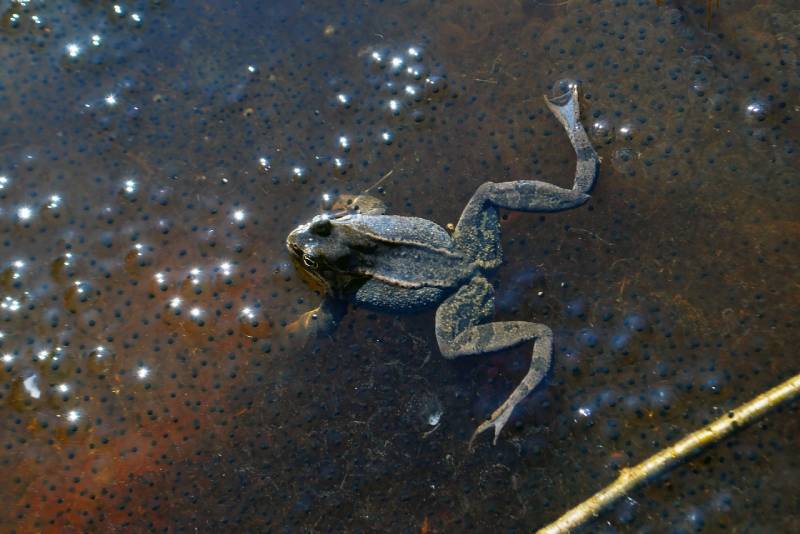
Frogs lay their eggs in clusters, reproducing sexually. Toads lay them in chains. Both use a similar reproductive strategy. R-strategists, like frogs, often mature quickly since there isn’t much or any parental investment in their survival. They have a relatively high mortality rate, which they counter with large numbers of offspring. For example, a female American Bullfrog can lay up to 20,000 eggs.
Of course, few survive until sexual maturity. However, some will live and spread the parents’ genes to the next generation. After all, that is the goal of reproduction. Let’s delve further into how frogs continue their lines.

Egg Laying and Reproduction
Amphibians, like frogs, have one clearly distinctive feature from reptiles: they have moist skin and no scales. Even if they live on land, most still return to the water to reproduce. Breeding of many, but not all species occurs in the spring to mid-summer. Groups of frogs gather, sometimes in seasonal, temporary ponds. Undoubtedly, you’ve heard their loud calls when breeding is underway.
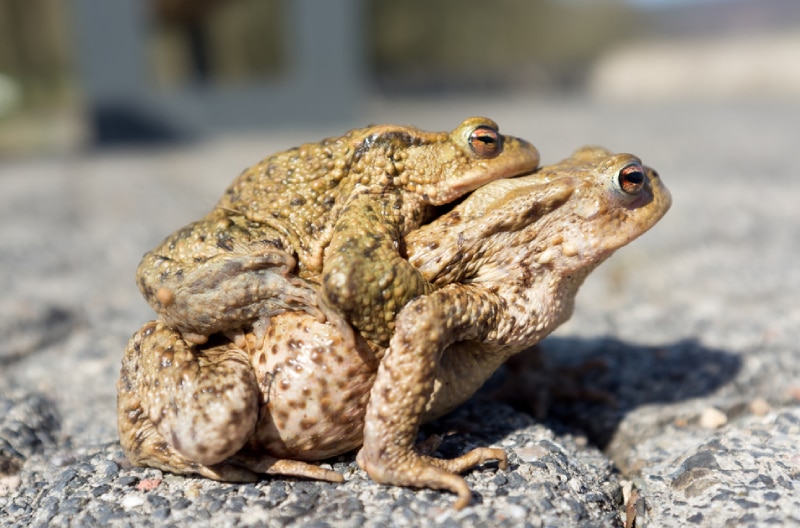
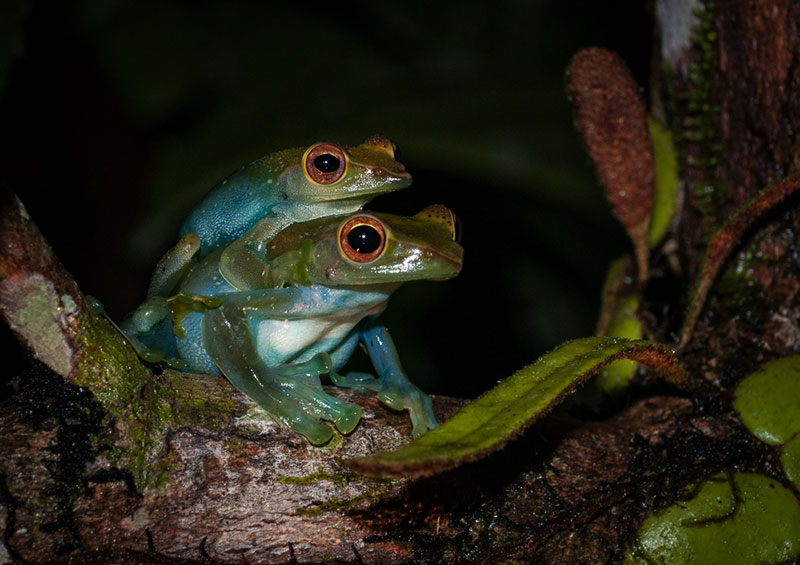
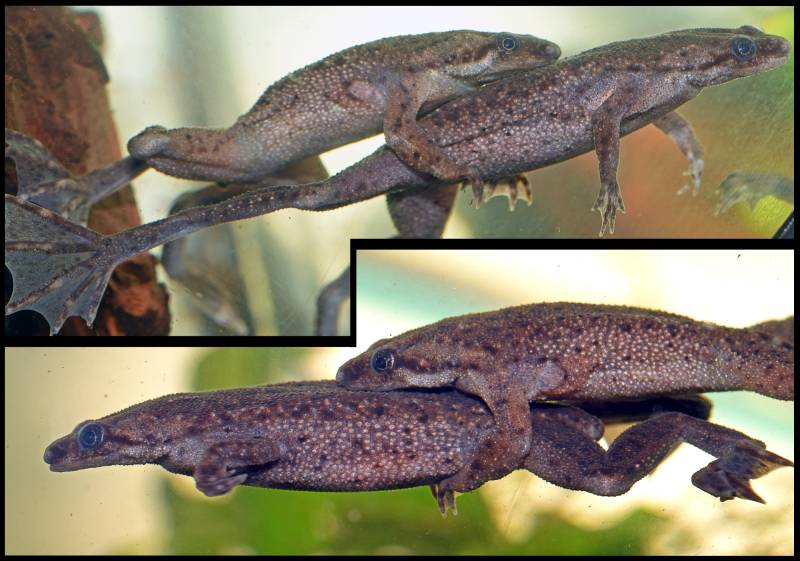
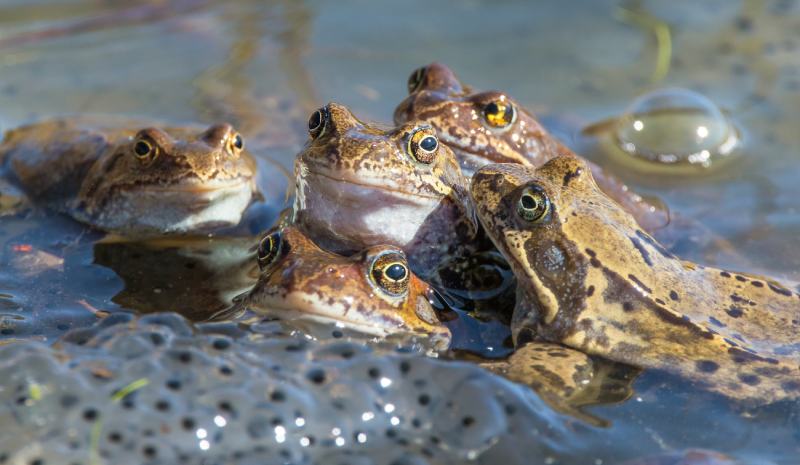
Most often, a female lays delicate eggs, which one or more males fertilize externally by depositing sperm onto them. He may initiate the process by clutching onto the female’s back. Since amphibians are ectothermic or cold-blooded animals, temperature plays a significant role in when the eggs hatch. It could take up to a few weeks.
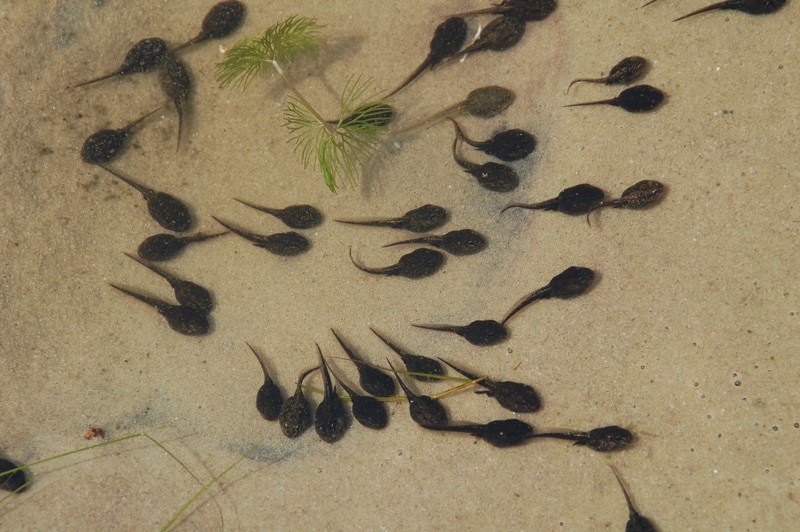
Another frequently seen characteristic of R-strategists is independent young. There aren’t any parents to care for or feed them. The tadpoles must fend for themselves, which they can, thanks to the yolk the female has provided. Development is rapid, with many species reaching adult size in only a matter of months.
Exceptions to the Rule
However, like many things in life, where there’s a rule, there’s an exception. Amphibians have their share of them. We mentioned external fertilization. That’s what scientists thought was the case with all frogs. Remember that evolution is a process of adaptation. Frogs exist across the globe, offering plenty of opportunities for it to occur.
Live Birth
Researchers have identified one species of frog that gives live birth resulting from internal fertilization. The Limnonectes larvaepartus is a species of fanged frog from Indonesia. Scientists have documented this unique form of reproduction in this newly described species. Not only does the female go through live birthing, but her young are also developed tadpoles.
That fact flies in the face of no parental investment with R-strategists. It also gives the offspring a slightly better chance at survival, given their relatively advanced stage of development. However, Mother Nature has a few more tricks up her sleeve.
Northern Gastric Brooding Frog
The Northern Gastric Brooding Frog is sadly extinct. However, it survived into the 20th century, so scientists could document their unique form of reproduction. It started with the female laying eggs that the male fertilized externally. However, things then took a left turn. The species' name offers a clue. Instead of leaving them, the female swallowed but didn’t eat her young. To achieve this, the female stopped the hydrochloric acid production in her stomach and did not eat for 6 weeks!
Then fully formed froglets emerged only after the female regurgitated them. The species lived in the inland freshwater wetlands of Australia. Scientists aren’t sure what drove them to extinction. However, some suspect a fungus might have wiped them out, which makes sense, given their preference for pristine areas.
Darwin’s Frog
Darwin’s Frog is another notable exception to the rule. This species may still live in Argentina and Chile. However, the International Union for Conservation of Nature and Natural Resources (IUCN) assessed it as Critically Depleted (CD) in October 2021. The male of this frog borrowed a page from the male betta’s playbook and assumed the role of mouthbrooder. They picked up eggs ready to hatch and carried the developing young about in their distensible vocal pouches until they were able to survive by themselves.
Final Thoughts
Indeed, frogs lay eggs to reproduce. However, it’s not the only way they breed or care for their offspring. Surprisingly, they use strategies we’d expect were exclusive to mammals and fish. It’s worth pointing out that these alternative ways haven’t always been successful and may have even played a role in their demise. Nature has so many stories to share with those who seek and listen.
See also:
Featured Image Credit: Patchara T, Shutterstock
Get Hepper In Your Inbox


Pet care tips from our vets and experts, straight to your inbox.
You may opt-out at any time. View our Privacy Policy for more information.
Chris is an experienced pet writer specializing in science topics, with a particular passion for health and the environment. She has been a writer for over 15 years and lives with her husband and three cats in Michigan.
Beyond writing about cats and dogs, Chris loves to learn about wine. She has WSET 1 and 2 certifications and is currently pursuing her Certified Wine Specialist Award (CSW).
Join the conversation
Ask a question, share your story, or send private feedback.