Hepper is reader-supported. When you buy via links on our site, we may earn an affiliate commission at no cost to you. Learn more.
Do I Need to Feed My Dog Breed-Specific Food? Vet Approved Facts


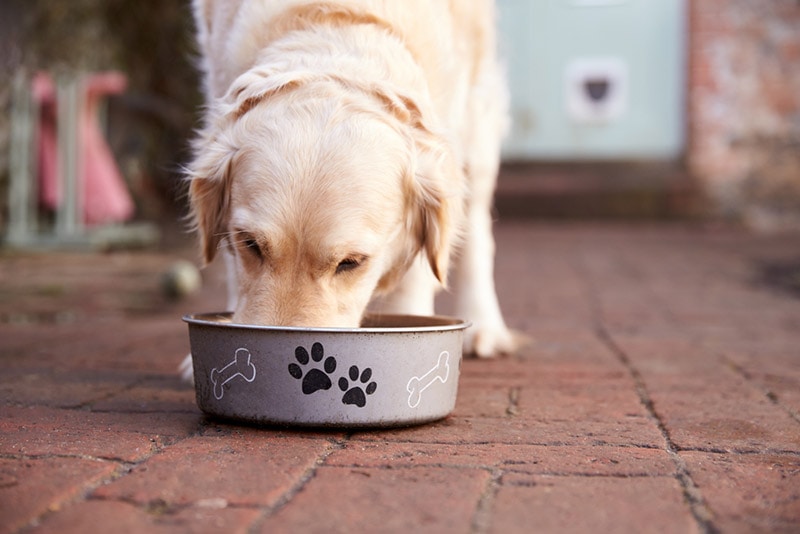
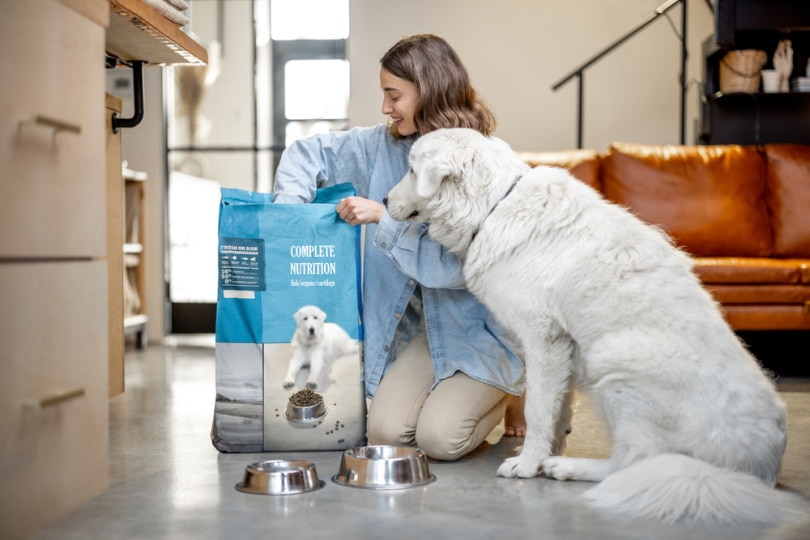
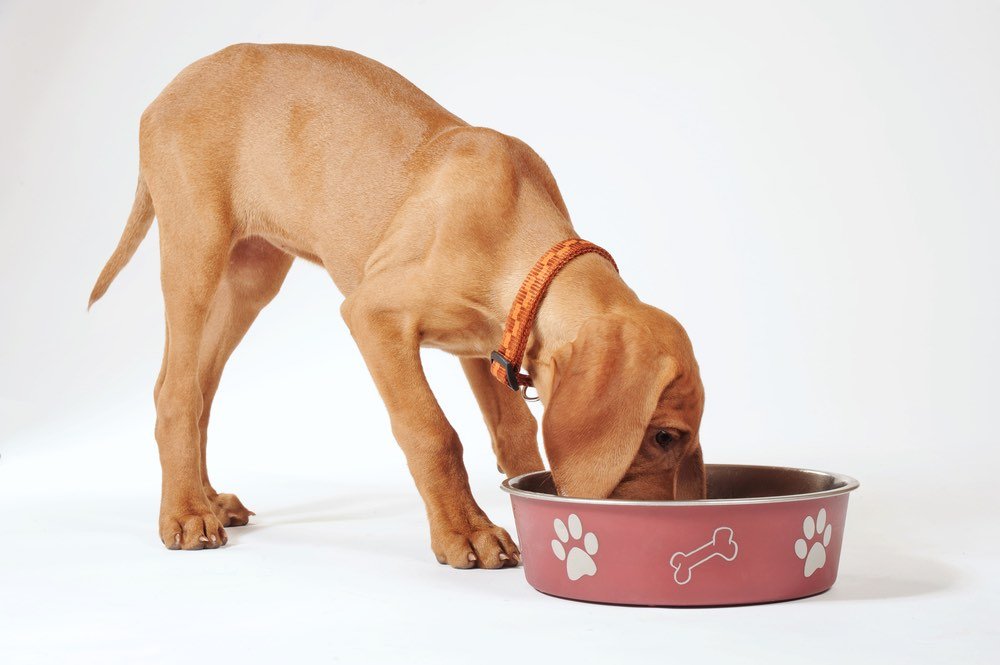
When it comes to the right food for your dog, you may have a million questions. There are so many options available online and in pet stores that you may worry that you’re not giving your dog the right food. Instead of worrying about breed-specific food, which is often simply a marketing gimmick, look for dog food that is made by a brand you trust and one that will offer your dog a high-quality diet.
Although your dog’s nutritional needs will be different from a dog of a different size and life stage, there isn’t nutritional science that backs up one breed-specific dog food from the next, as the nutritional needs between two dogs of the same size are believed to be very similar, and sometimes, identical.

What Is Breed-Specific Dog Food?
Several dog food companies have manufactured and marketed dog food that is supposedly breed-specific, implying that their Golden Retriever-specific dog food, for example, caters to that breed’s nutritional needs specifically, and your Labrador Retriever will require a different food that is specific to Labrador Retrievers only.
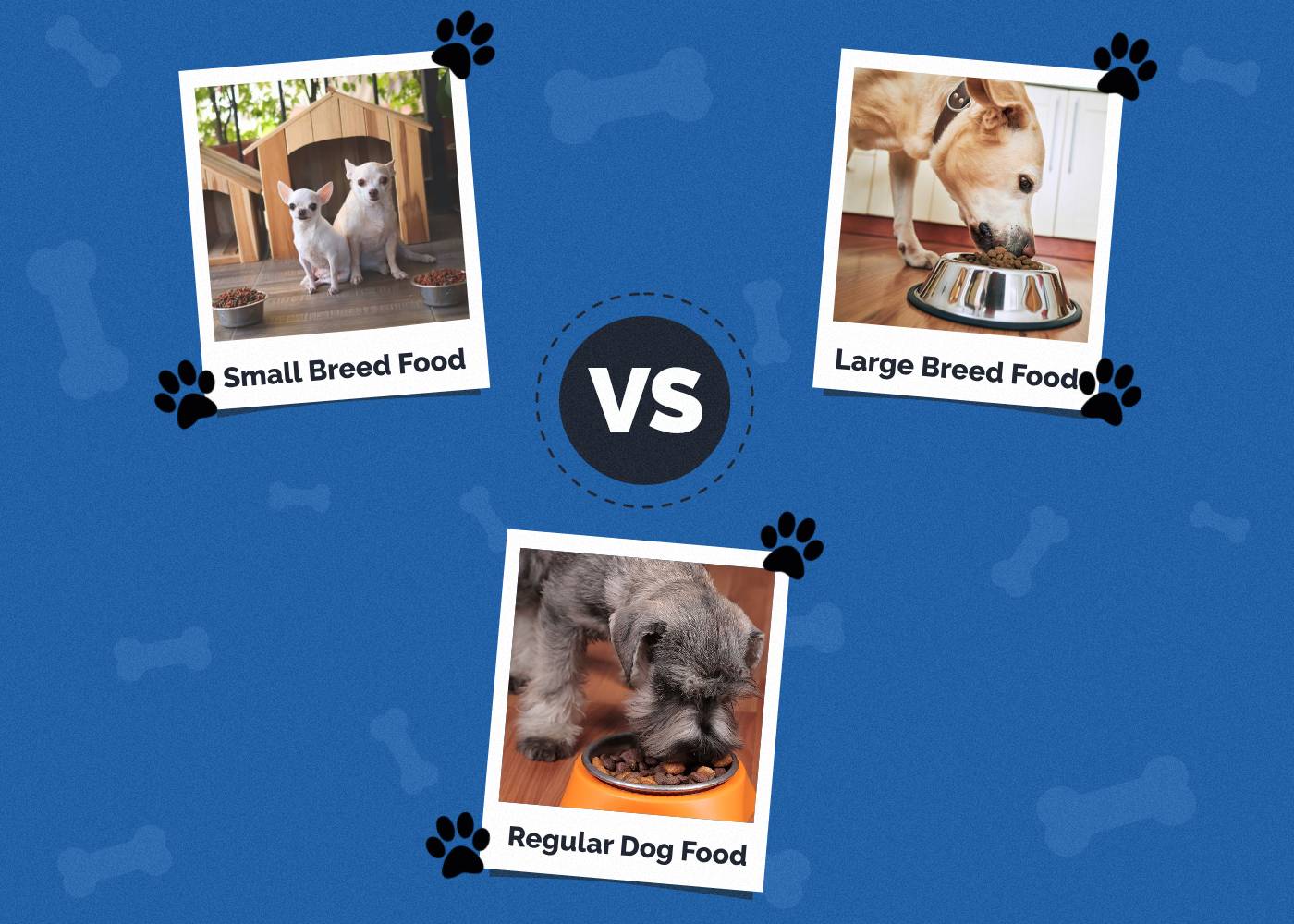
This new marketing stunt shifts the pet owner’s mind away from the traditional small, medium, large, and giant breed dog food options and encourages them to believe that breed-specific dog food is the best option for their dog.
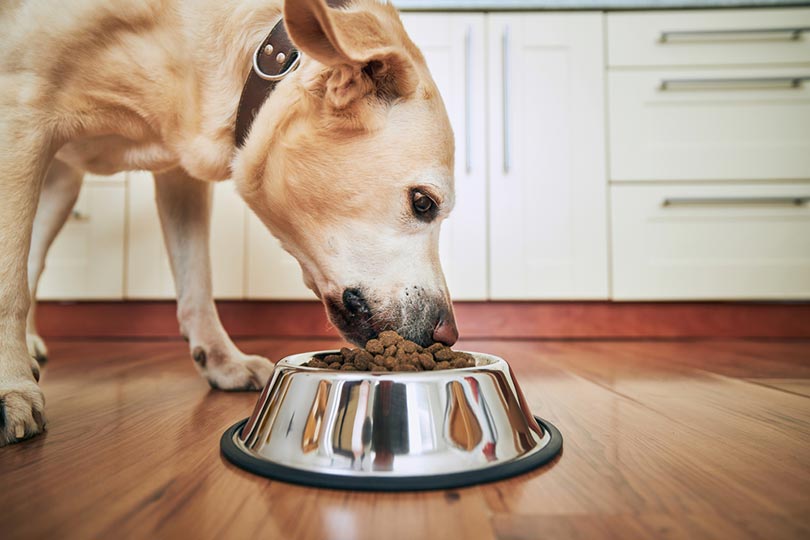
Will My Dog Benefit from Breed-Specific Dog Food?
Breed-specific dog food isn’t any worse or better than feeding your dog a diet that is formulated for their life stage and size. You may just end up paying quite a bit more. If your dog isn’t on the right food for their needs and shares the same dog food as your other larger or smaller dog, then breed-specific dog food will benefit them more as it’ll be better suited for them nutritionally.
For example, if your Dachshund puppy is sharing the same food as your adult English Mastiff, they’re not going to develop properly because they’re not receiving the correct number of calories and nutrients that they need to grow healthily. Although you may not see the consequences straight away, the Dachshund will grow up to have several health problems that are going to lower their quality of life and cost you in vet bills.
Instead, feed your Dachshund high-quality puppy food that is formulated for small dog breeds. If you have a Dachshund puppy as well as a Yorkshire Terrier puppy, you can give them the same food because they’re both small breeds in the same life stage. Their nutritional needs won’t differ by much.

Will My Dog Benefit from Specialized Diets for Health Conditions?
It’s important to take your pup to the vet for regular checkups because they’ll examine your dog for health problems that you may not even be aware of at that stage. Sometimes a dog will struggle with a health problem for a long time before it becomes bad enough to see the symptoms. However, the earlier you catch a problem, the better the prognosis usually is.
One benefit to catching a health problem early on is that your vet can recommend a specialized diet for your dog that takes their age, size, lifestyle, and health needs into consideration. These types of diets have been formulated by vets and will cater to your dog’s specific ailment. They aren’t breed-specific but often cater to breeds that are prone to specific health issues.
Instead of trusting a breed-specific dog food with no nutritional science backing it to give your dog what they need, your vet knows your dog’s individual needs and will suggest the food that will best address their problem.
You can find specialized diets for many health conditions, including allergies, digestive problems, diabetes, joint issues, liver problems, urinary tract issues, weight management, and heart problems.

Are There Breed-Specific Diets for Every Breed?
There are currently 200 dog breeds recognized by the AKC, but there aren’t breed-specific diets for each of them. You’ll notice that the breed-specific dog food sold at your local pet store will cater to the most popular dog breeds. Does that mean that every other breed without a breed-specific dog food option is less healthy than the ones that do?
No, because those dog breeds without a breed-specific formula can eat a size-specific formula and receive the same nutritional benefits. This is because the guaranteed analysis between breed-specific food and size-specific food is very similar and sometimes identical.
What Type of Dog Food Should I Choose for My Dog?
If your dog doesn’t suffer from health problems, you can get your dog any type of high-quality dog food that is nutritionally balanced and complete for their size, life stage, and lifestyle. If your dog does suffer from health problems, chat with your vet to recommend a dog food that will address their ailment while also meeting their nutritional needs.
Ensure that the brand of dog food you’re choosing is well-known and trusted and that its formula is approved by the AAFCO. If your dog is a giant breed, you can consider dog food formulated for giant breeds. Although these diets aren’t breed-specific, they do often contain extra nutrients that help prevent problems that giant breeds face, such as joint issues.
There is no perfect dog food for your dog, which is the image that breed-specific dog food companies try to portray. Dogs on these formulas, along with any other formula, may develop an allergic reaction to the ingredients it contains or may refuse to eat it because they don’t enjoy the taste or texture.
As long as you work closely with your vet to find the diet that meets their nutritional needs, you’re giving your dog the best chance at living a healthy and happy life.

Conclusion
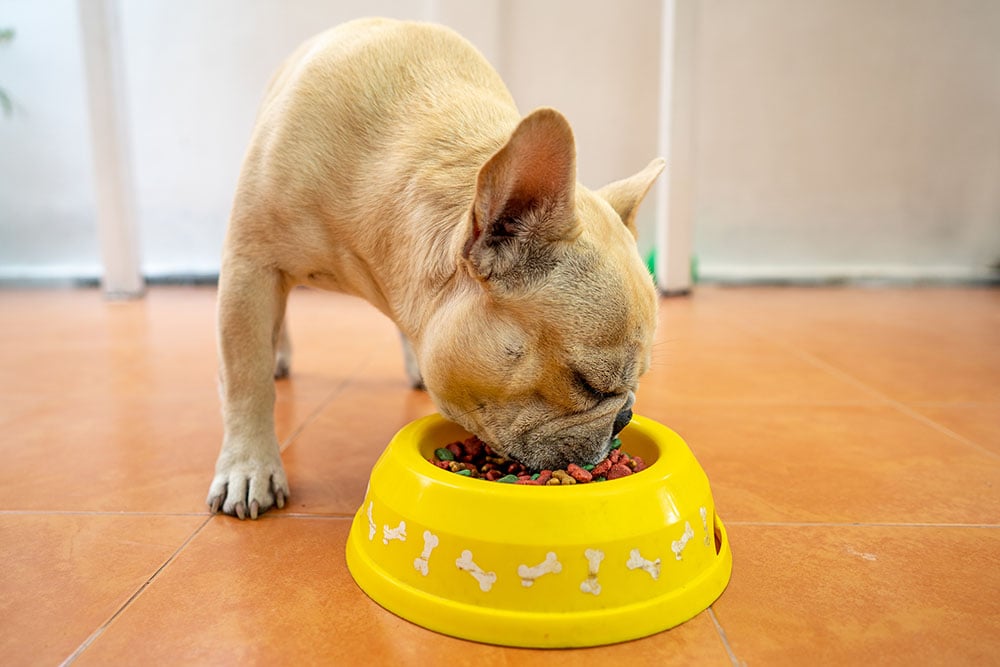
Your dog does not need breed-specific dog food to thrive in life. Feeding them high-quality, size-appropriate dog food that caters to their lifestyle and life stage is much more important. However, you should avoid dog food recipes that don’t meet the AAFCO standards and are full of empty nutritional promises.
Chat with your vet about your dog’s needs and health problems to find the right food for your pup.
Featured Image Credit: Monkey Business Images, Shutterstock
Get Hepper In Your Inbox


Pet care tips from our vets and experts, straight to your inbox.
You may opt-out at any time. View our Privacy Policy for more information.
Keri-Beth is from South Africa and is a freelance writer who specializes in the pet niche. She has grown up with a range of pets, volunteered at countless pet shelters, and is highly passionate about pet care. Currently, Keri-Beth is raising two dogs - Benji, the Golden Cocker Spaniel, and Gracie, the Boerboel. With so much information out there, Keri-Beth has made it her mission to make pet care as easy and straightforward as possible.
In her spare time, Keri-Beth enjoys camping, photography, and spending time with her husband, who is a professional drummer. She not only has a heart for pets but people too.
Join the conversation
Ask a question, share your story, or send private feedback.