Hepper blog

Search our database of over 9,984 posts with up-to-date information from our experts and veterinarians.

Hepper is reader-supported. When you buy via links on our site, we may earn an affiliate commission at no cost to you. Learn more.

Will High Protein Dog Food Cause Diarrhea? Vet-Approved Precautions & FAQ

By Cassidy Sutton · Reviewed & fact-checked by Dr. Maxbetter VizelbergVet Approved
Dr. Maxbetter Vizelberg
Reviewed & Fact-Checked byDr. Maxbetter VizelbergVeterinarian
Maxbetter grew up in New Orleans, Louisiana, and has been interested in veterinary medicine since childhood. Being read Russian children’s stories about “Doctor Aybolit” by his grandmother, interning at the Israeli Wildlife Hospital, and working at numerous small animal hospitals have all been part of his lifelong love of animals. Maxbetter currently practices in New York City, and enjoys educating others to help them give their animals the best possible lives. He always strives to provide excellent medical care to his patients. Outside the clinic, he can be found playing basketball and soccer, performing his rap songs at open mics, and going on hikes with family and friends.View authorThe information is current and up-to-date in accordance with the latest veterinarian research. Read about our vets
Share
Ask us a question in the comments
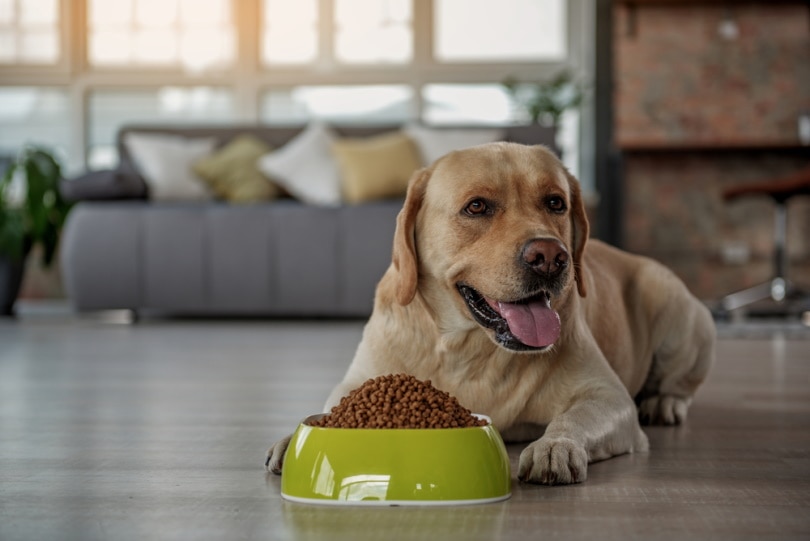
labrador dog eating

High protein dog foods can be a healthy option for many dogs that require them, but it’s not ideal for every dog and can cause diarrhea and weight gain. In this post, we’re unveiling dog nutrition and high-protein diets so you can choose the best dog food for your furry best friend. First, let’s start with the basics.

Dogs Are Omnivores, Not Carnivores

While carnivores (such as cats) survive and thrive on a diet that consists of at least 50% meat, omnivores thrive best on a diet of both plant and animal matter. These animals rely on no more than 30% protein in their diets. The rest of their diets come from plants, algae, and fungi.

And this is where dog owners run into trouble. Contrary to popular belief, dogs are actually omnivores. They don’t need as much protein as we think. In fact, some dogs can survive on a vegetarian diet as long as it's properly balanced. But if you want your dog to thrive, offering an animal source of protein is best.

However, an all-meat diet can cause nutritional deficiencies because dogs can’t obtain enough vitamins, minerals, carbohydrates, fats, and protein from meat alone.

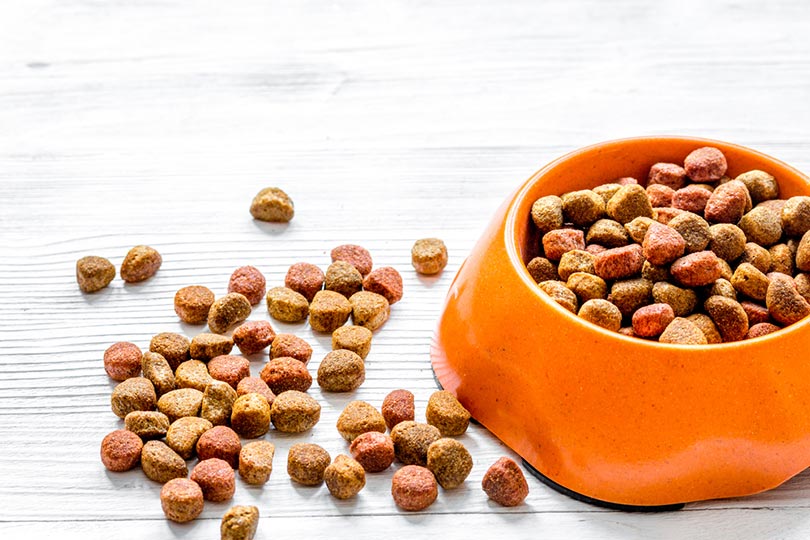
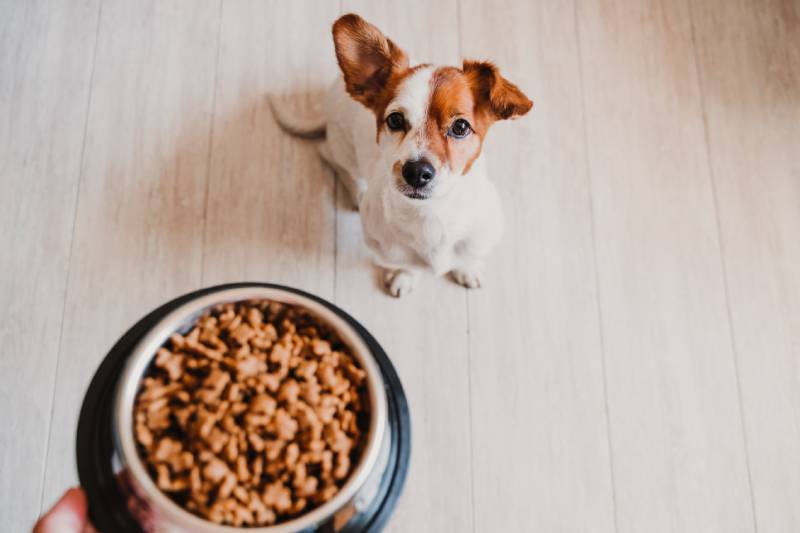
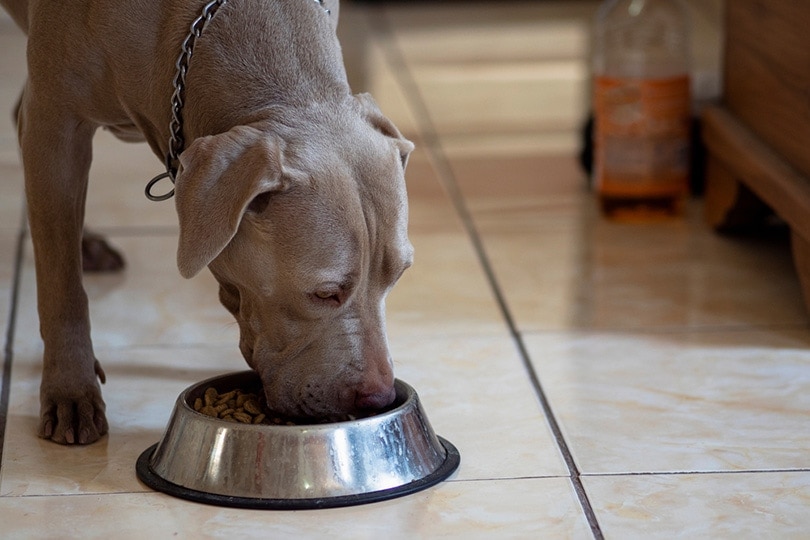
dog eating from bowl in kitchen
Image by: Pixel-Shot, Shutterstock

How Much Protein Should a Dog Get?

How much protein a dog needs depends on the dog’s age, weight, activity level, and whether or not the dog is nursing or pregnant.

Truthfully, the only way to know if your dog is getting enough protein is to speak with your veterinarian. Your veterinarian can help set an ideal goal to reach for. But generally speaking, dogs need at least 18% crude protein on a dry matter basis for proper nourishment. Puppy food or food for nursing dogs needs at least 22.5% crude protein on a dry matter basis.

Commercial dog foods will meet this minimum standard but can choose to include more protein in their recipes if they wish. The best dog foods will focus on protein quality instead of quantity. The great thing about dogs is that since they’re omnivores, they benefit from protein sources of meat and plants.

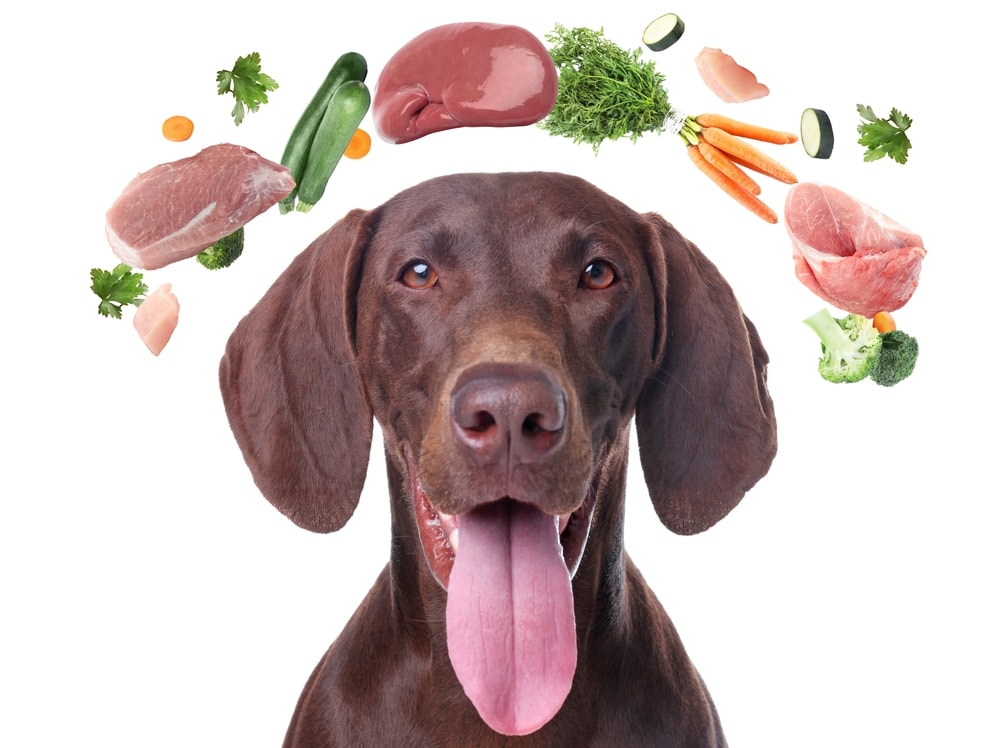
High-quality protein sources will be easy for your dog to digest. This is much better than having several protein sources that are hard on your dog’s GI tract. Good protein sources for dogs include:
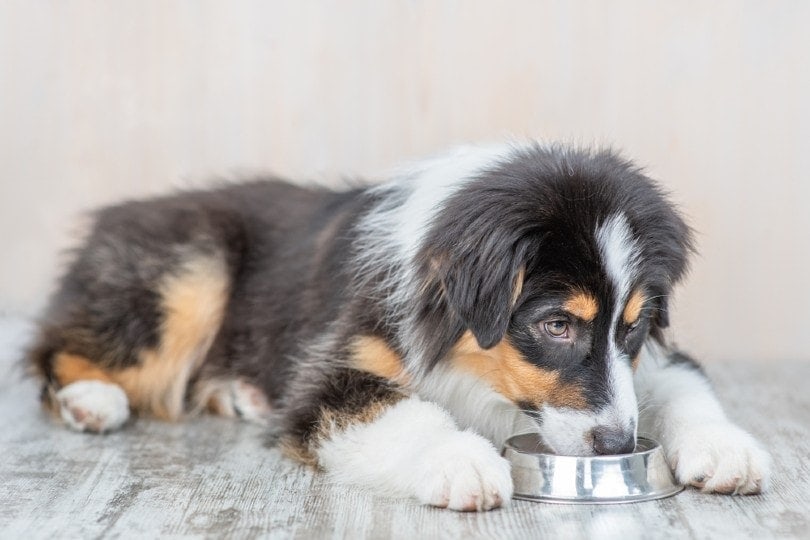
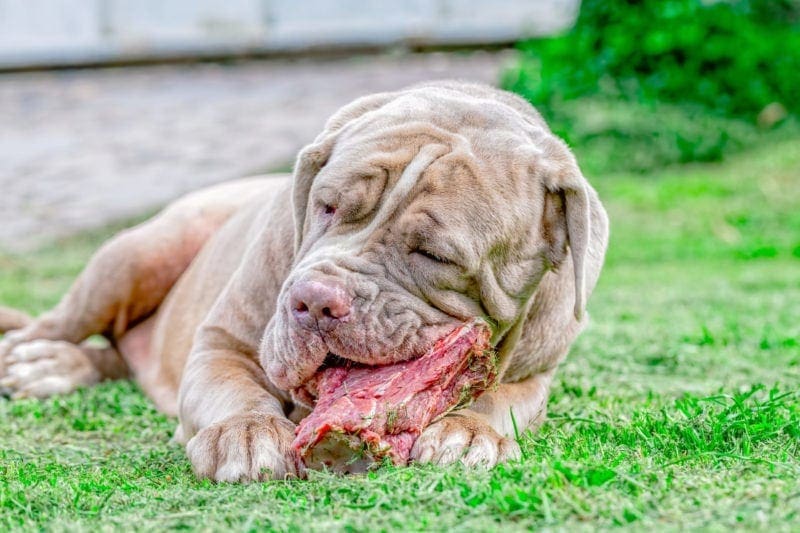
australian shepherd dog eating
Image by: Ermolaev Alexander, Shutterstock
  • Eggs
  • Fish
  • Fish meal
  • Poultry
  • Venison
  • Red meat
  • Organ meat (kidney, heart, liver, etc.)
  • Chickpeas
  • Lentils
  • Peas

Dogs That Benefit From a High-Protein Diet

So, are high-protein diets bad? Not at all. Some dogs do very well on a high-protein diet. However, there are some dogs that benefit from it.

  • Dogs That Need Weight Management: A high-protein diet can cause a dog to lose or gain weight. It depends on the protein quality and calorie content. High-calorie, high-protein diets are good options for underweight dogs. Low-calorie, high-protein diets help a dog lose weight.
  • Puppies: Puppies burn hundreds of calories a day. Their bodies are also developing, so they do best on high-protein diets for the amino acids.
  • Senior Dogs: As dogs age, they need help maintaining a good body condition. High-protein diets can help muscle development and keep joints healthy.
  • Canine Athletes: Like puppies, canine athletes build muscle and break down muscle protein quickly. So, they require a high-protein diet so the amino acids can help build muscle.
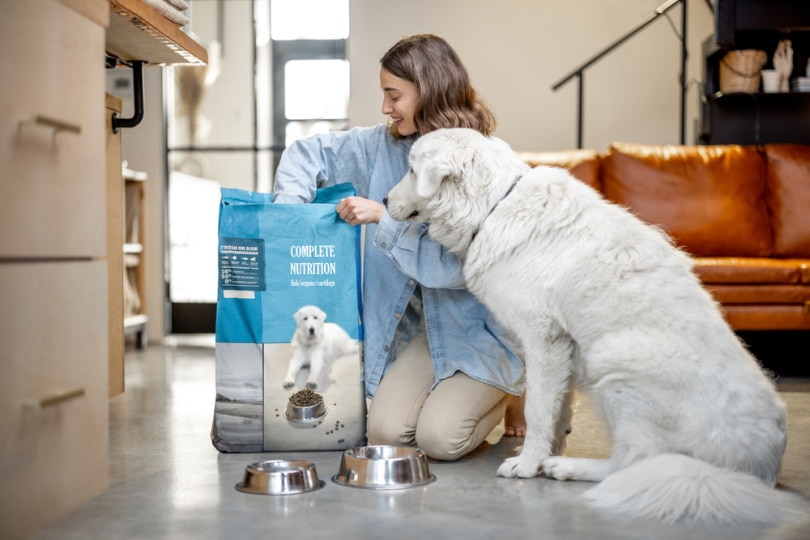
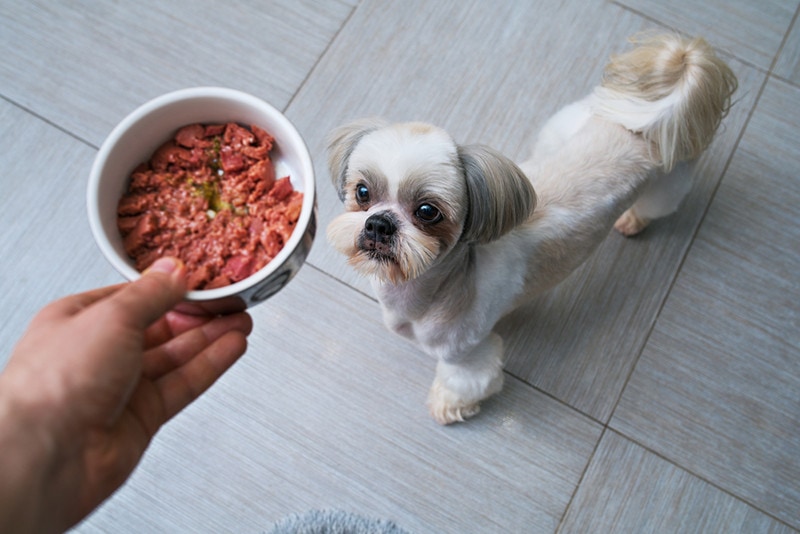
dog eating
Image by: LightField Studios, Shutterstock

Conclusion

Finding good dog food is not an easy task. Every dog is different and has different nutritional requirements. We tell our readers to find dog food that suits your dog’s lifestyle, age, and size. And a high-protein diet could fit the bill! Some dogs do very well on a high-protein diet. But if your dog is having diarrhea, it might be time to re-evaluate your dog’s food.

If you’re not sure if a high-protein diet is right for your dog, talk to your veterinarian. Your vet will be happy to work out a plan to help your dog live its best life.

Sources

Featured Image Credit: Olena Yakobchuk, Shutterstock

Get Hepper In Your Inbox

Pet care tips from our vets and experts, straight to your inbox.

List

Select all that apply.

You may opt-out at any time. View our Privacy Policy for more information.

Cassidy Sutton
Authored by

Cassidy Sutton

Join the conversation

Ask a question, share your story, or send private feedback.
Rate this post
Required to post. Only our editors see your rating.
Who should see this?

A human reviews every comment before it appears. Your email is never published.

Picked to go with this article

How Much Crude Protein Should There Be in Dog Food? Our Vet Answers!

How Much Crude Protein Should There Be in Dog Food? Our Vet Answers!

If you’ve recently decided to try a paleo diet and had some success when it comes to building lean muscle and increasing your level of energy, you might be won…

Dr. Paola Cuevas
By Dr. Paola Cuevas ·
What Is Crude Protein in Dog Food? Vet-Approved Benefits & Concerns

What Is Crude Protein in Dog Food? Vet-Approved Benefits & Concerns

When looking at the ingredient label on your dog food, there are so many numbers to consider. One of the most common numbers is the crude protein content. We w…

Nicole Cosgrove
By Nicole Cosgrove ·
12 Good Protein Sources for Your Dog (Vet Approved) - Practical & Tasty Ideas

12 Good Protein Sources for Your Dog (Vet Approved) - Practical & Tasty Ideas

If there is one staple in your dog's diet that's more important than anything, it's protein. Even though dogs are omnivores—meaning they eat meat and plants—pr…

Nicole Cosgrove
By Nicole Cosgrove ·
Does My Dog Need Grain in Their Diet to Stay Healthy? Vet-Reviewed Facts & FAQ

Does My Dog Need Grain in Their Diet to Stay Healthy? Vet-Reviewed Facts & FAQ

As facultative carnivores, dogs can digest and obtain nutrients from various sources, including animal protein. grains, fruits, vegetables, and even some root-…

Lorre Luther
By Lorre Luther ·

Keep reading

More stories you might like

How Long Will My Dog’s Diarrhea Last After Changing Food? Vet-Approved Facts

Changing out your dog’s food can be a tricky process. Since puppies and dogs have sensitive stomachs, introducing drastic or sudden significant changes to thei…

Jessica Kim
By Jessica Kim ·
How Long Will My Dog’s Diarrhea Last After Changing Food? Vet-Approved Facts

Can Dogs Eat Protein Powder? Vet-Approved Facts & Risks

All responsible dog parents strive to provide their dogs with the best possible life, which also includes providing them with high-quality nutrition. As humans…

Visnja Radosavljevic
By Visnja Radosavljevic ·
Can Dogs Eat Protein Powder? Vet-Approved Facts & Risks

Are Dogs Carnivores or Omnivores? Canine Nutritional Needs Explained

Many people believe that dogs are complete carnivores as they definitely seem to get more excited for a piece of steak or chicken than they do for broccoli or…

Quincy Miller
By Quincy Miller ·
Are Dogs Carnivores or Omnivores? Canine Nutritional Needs Explained

How to Help Dogs with Diarrhea: Vet-Approved Treatment Tips & Causes

At some point, nearly every dog owner has woken up or come home to find their pup suffering from diarrhea. Crated dogs may “finger paint” the walls of their en…

Elizabeth Gray
By Elizabeth Gray ·
How to Help Dogs with Diarrhea: Vet-Approved Treatment Tips & Causes

What Is a Good Fat-to-Protein Ratio In Dog Food? Our Vet Explains

Figuring out the nutritional requirements of dogs can be daunting for first time owners. Analysis of the nutritional information of dog food (usually found on…

Jessica Rossetti
By Jessica Rossetti ·
What Is a Good Fat-to-Protein Ratio In Dog Food? Our Vet Explains

How to Tell If It's Time to Change Your Dog's Food: Vet-Reviewed Signs

Most people wouldn’t want to eat the exact same foods for the rest of their lives. Fortunately, dogs are less picky, and sticking to the same diet for years is…

Genevieve Dugal
By Genevieve Dugal ·
How to Tell If It's Time to Change Your Dog's Food: Vet-Reviewed Signs

Is Kibble Bad for Dogs? Vet Approved Advice

Kibble is the standard diet for most dogs and has been commercially produced and fed to dogs since 1956. Dogs don't get to choose what they eat, but typically…

Nicole Cosgrove
By Nicole Cosgrove ·
Is Kibble Bad for Dogs? Vet Approved Advice

Senior vs Adult Dog Food: Vet Reviewed Differences

If you’ve ever found yourself standing in the dog food aisle and realizing that your dog’s normal food is out of stock, you may have wondered if purchasing the…

Brooke Billingsley
By Brooke Billingsley ·
Senior vs Adult Dog Food: Vet Reviewed Differences