Hepper is reader-supported. When you buy via links on our site, we may earn an affiliate commission at no cost to you. Learn more.
Can Puppies Eat Adult Dog Food? Vet-Verified Facts & Tips


In this article
Walking through the pet food aisles or browsing online, you’ll see tons of dog food recipes. Some are geared toward life stage, dietary sensitivities, allergies—you name it.
It might seem like pet food companies are just using a tactic to gain consumers. While it can be the case with certain products, the life-stage formula matters tremendously. We will discuss the vital ingredients in puppy foods and why puppies should not eat adult food, and why adult dogs should not routinely eat puppy food.

Puppy vs. Dog Nutrition: What’s the Big Deal?
It might seem like it doesn’t matter what kind of dog food you get your puppy. It all has the same basic ingredients, right? That is untrue, as each recipe is tailored for a specific reason.
Dogs can have several food-related health issues that require specialized diets. Most are capable of eating dog foods that serve everyday nutrition. But some dogs need a little extra care in their diet, requiring limited ingredients, hydrolyzed, grain-free, high-protein, novel protein, and weight management recipes.
Growing puppies need a structured diet with the appropriate nutrients to support their developing bodies. Because adult dog foods aim to provide a standard maintenance formula that keeps your dog healthy, they do not meet the higher requirements for energy, protein, calcium, phosphorus, or essential fatty acids that puppies need.
Consider a puppy chow as a growth formula and adult dog food as a maintenance formula. Puppys’ bodies aren’t being maintained. They are are building muscle, bone, and neurological tissue. So, adult dog food simply doesn’t work in that equation.
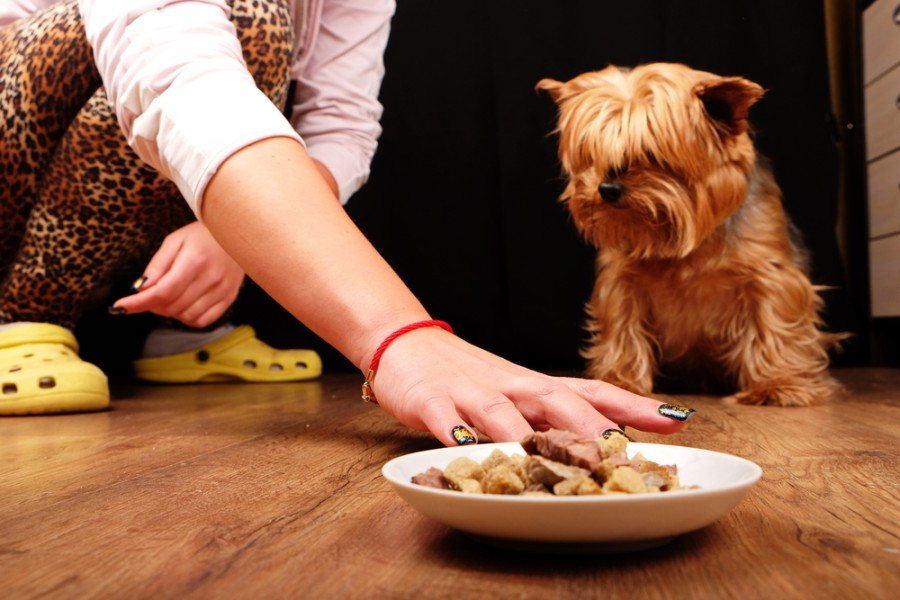
Vital Puppy Food Nutrients
Standard maintenance adult dog food does not have the proper amount of nutrients your growing puppy needs. When your dog reaches adulthood, they stop needing the extra nutrients. Universal, essential nutrients for puppies include:
Here are some of the added nutrients you can find in puppy food.
- Higher Energy Density
Puppies burn through calories quickly because their bodies are growing, learning, and playing nonstop. They need a diet with enough energy to fuel all that development. Adult food simply doesn’t offer the higher calorie content puppies require to stay healthy and active during this fast-paced growth period.
- High-Quality Protein
Protein is the building block of strong muscles, organs, and tissues. Growing puppies need more and better-quality protein than adult dogs so they can develop lean muscle and support their rapidly changing bodies. Adult food can’t keep up with those increased demands.
- Balanced Calcium and Phosphorus
These two minerals are the foundation of healthy bones and joints. Puppies, especially large breeds, rely on the right balance of calcium and phosphorus to grow at a safe and steady rate. Too much or too little can cause serious bone and joint problems later in life, which is why puppy-specific formulas are so important.
- DHA
DHA is an omega-3 fatty acid that feeds the developing brain. It helps your puppy build strong memory pathways and supports healthy vision from an early age. Many adult diets contain very little DHA, which is why this nutrient is especially crucial during puppyhood.
- Essential Vitamins and Minerals
Puppies need a full spectrum of vitamins and minerals to help their immune system mature, strengthen their bones, support organ development, and keep their bodies running smoothly. These nutrients work together behind the scenes to help your puppy grow into a healthy, resilient adult dog.
What Happens When a Puppy Eats Adult Dog Food
If you consistently feed your puppy adult dog food, they may lack the nutrients necessary for growth. Therefore, it can lead to health problems down the line.
The truth is that puppy food contains several vital percentage levels of nutrients that adult dog food doesn’t have. When your puppy lacks these nutrients, it can cause poor growth, skeletal abnormalities, weakened immunity, and developmental delays, and in severe cases, can affect long-term orthopedic health.
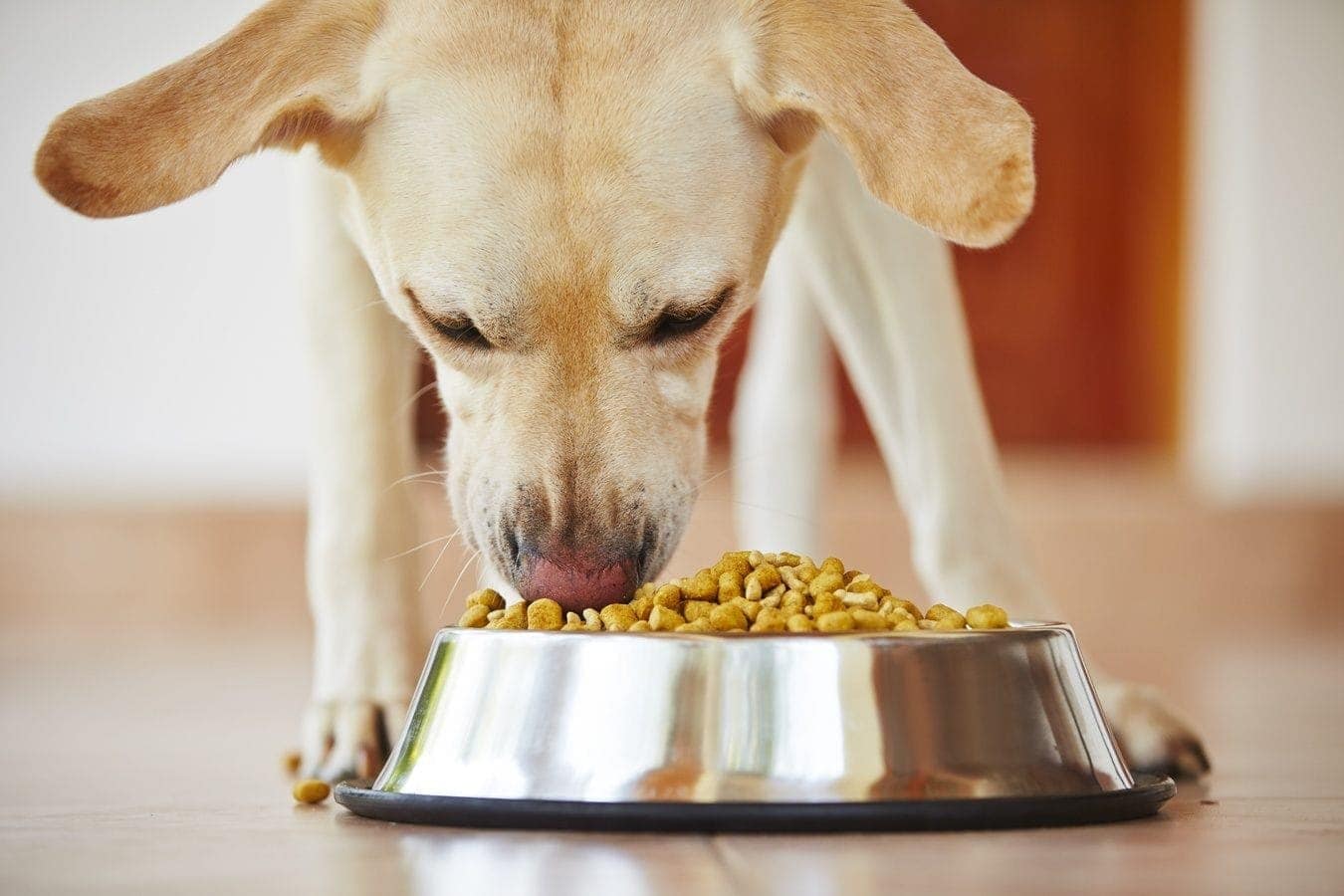
Puppy Breed & Size Matters
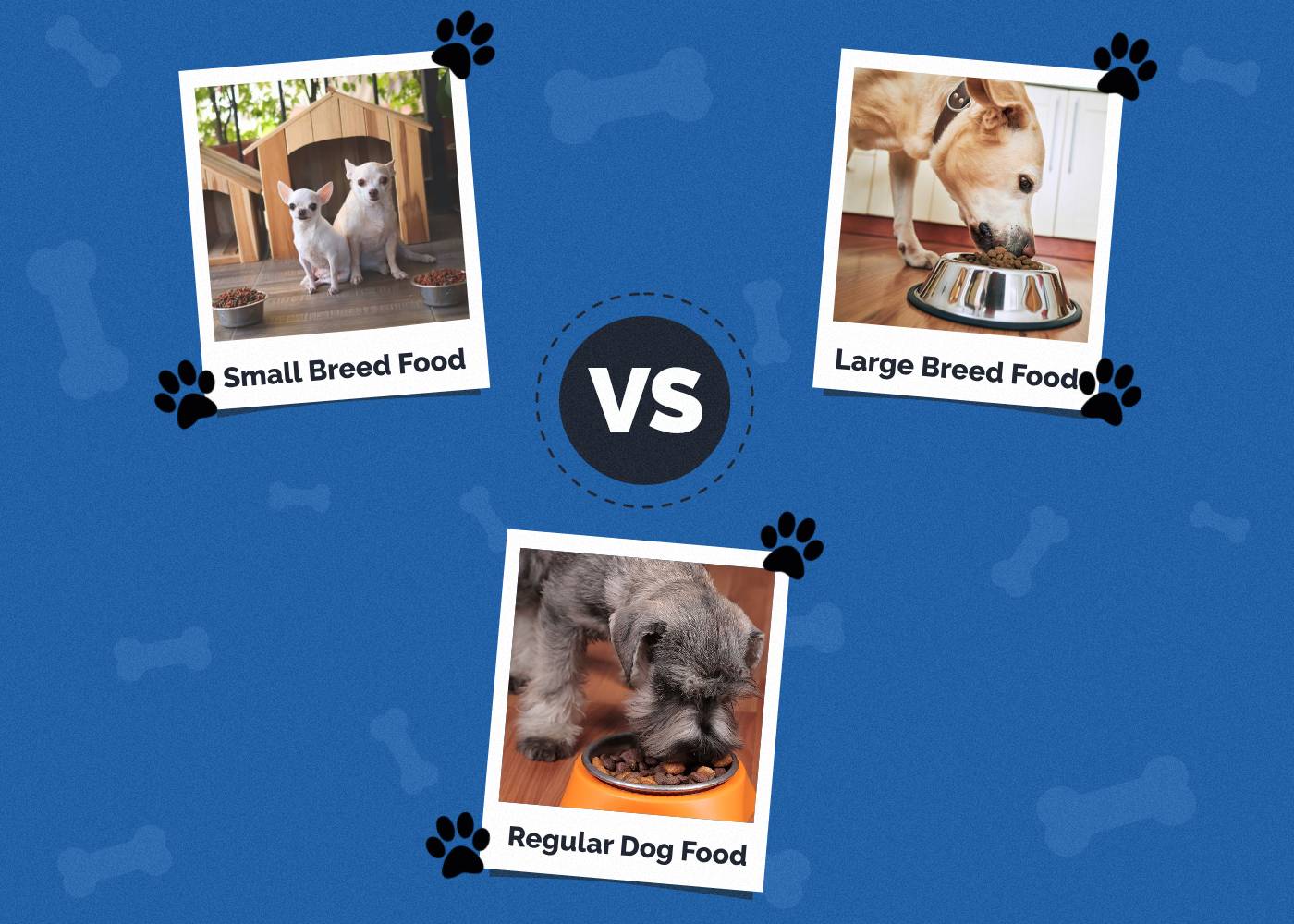
Dog breeds are categorized by size, including toy, small, medium, large, and giant. A smaller sensitive breed might benefit from a puppy chow with a very easy-to-digest recipe.
A large breed puppy, such as a Great Dane, might benefit more from a puppy chow with controlled calcium and phosphorus levels and appropriate energy density, which supports healthy bone growth. The puppy recipe may also contain other joint and muscle support ingredients as they have heavier bodies that mature quickly.
If you feed a large-breed puppy a small puppy diet, their quickly growing bodies may receive too much calcium, or an incorrect calcium-to-phosphorus ratio, causing trouble developing appropriately. That can lead to developmental orthopedic disease, increasing the likelihood of problems like hip dysplasia and arthritis.
Optimize the benefits of your dog's diet with our calorie calculator here.
Recipes Matter
Many companies make all life stages dog foods. The recipes are held to a high standard, ensuring they meet the nutrient qualifications for puppies only if the food meets AAFCO “growth” or “all life stages” standards.
If you see a bag of dog food that states it is for all life stages, it’s gone through rigorous testing to prove that it’s sufficient for puppies. It is a great option if you want to start your dog out with dog food that you don’t have to change with time.
With increasing weight and age, you might have to adjust the portions. Otherwise, the nutrients themselves are suitable for varying ages.
A major downfall of all life stages recipes is that it isn’t sufficient for all dogs. Because it meets such a broad spectrum of nutrient levels, it might be too high in a specific ingredient or too low in something else, depending on your dog’s needs.
Even though switching your dog from puppy to adult dog food might cause digestive issues, they usually resolve within about two weeks.

Can Adult Dogs Eat Puppy Food?
Generally, the answer is no. Adult dogs shouldn’t eat puppy food regularly. It would suffice if you have puppies and adults in the home and run out of food for a day. But for the most part, these recipes are geared towards puppies and puppies only.
However, pregnant and nursing dogs might eat puppy food because it has additional nutrients that meet the increased energy and nutrient demands of reproduction and lactation. Plus, this helps out when the puppies are old enough to eat solids, as you already have a supply of adequate food for the mother and her entire litter. Once the female finishes nursing, you should switch her to her regular adult dog food.
Even though seniors require recipes that promote muscle maintenance and joint support, puppy chows might not be the best option. As seniors age, their activity level decreases. Puppies are highly exuberant and energetic, needing a high-calorie protein-dense recipe to keep up with their growing bodies.
On the other hand, seniors need far fewer calories since they are much less active. If they eat a puppy diet every day, it can lead to weight gain and obesity. While it might not seem like a big deal that your pup gains a few pounds, it can increase the likelihood of additional health issues like osteoarthritis, diabetes, and cardiovascular strain.

How to Choose a Puppy Food Brand
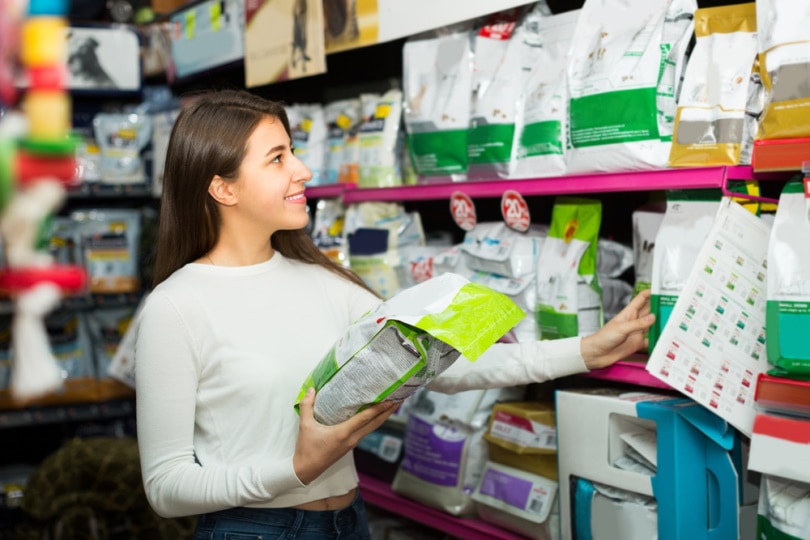
Choosing a puppy brand of dog food might not seem like that big of a deal until you get to searching. It seems there are endless options on the market, some with fancy marketing and big promises.
If you do a little homework, you’ll understand that most dog food on the market is required to meet AAFCO nutrient profiles, meaning they meet at least the minimal necessary nutritional requirements for that particular life stage. That means they meet the necessary nutritional requirements for that particular life stage. Because choosing dog food can be trial and error at first, there are some things that you can consider.
First, it might take a few tries before you find a dog food that works best for your puppy. They might have a sensitive belly, food sensitivity, be a picky eater, or several other factors that can influence diet.
So if this is your first time selecting a dog food for your newcomer, you can choose a brand based on a few factors.
- Reputation
Reputation is critical when you’re considering food for your beloved animal. To check a company’s reputation, all it takes is quick online searches to check the company’s recall history, nutritional expertise, and transparency, as well as the customer reviews. You might be surprised what you can find out with just a few clicks of your mouse.
- Ingredients
Ingredients are a huge factor when you’re considering what sort of dog food to buy. For puppies, appropriate protein, fat, calcium, phosphorus, and DHA levels are essential for proper growth.
- Type of Food
Wet food and dry kibble are two prevalent dog food types. However, many companies are shifting towards raw and fresh options to cater to canines’ natural facultative carnivore instincts. Regardless of the texture you choose, avoid unbalanced homemade or raw diets unless formulated by a veterinary nutritionist.
Once you decide what dog food you’re leaning toward, you can always check with your veterinarian for a recommendation. Run the dog food you plan to purchase by them to see if they have any other suggestions or can validate your choice.
When to Transition Your Puppy to Adult Food

If you have a tiny breed, they might mature more quickly. You could change to an adult recipe a little earlier than a year, roughly at nine months.
On the opposite side, if you have a giant breed, they might need puppy chow for a little longer since they don’t stop growing until they are between one and two years old. Once you know your dog is fully developed, your vet can give you the cue to make the transition.
Bottom Line
Puppy nutrition in the first year of life is critical to the overall well-being of your young dog. Unless it is an all-life stages formula that meets growth requirements, all adult dog food is unsuitable for puppies. It can cause nutritional deficiencies or inappropriate mineral intake, among other issues. However, it is much less detrimental for adults to consume puppy food occasionally, though it should not be a regular diet, as it can cause weight gain, predisposing them to other health problems.
Related Read: Do I Need to Feed My Dog Breed-Specific Food?
Featured Image Credit: New Africa, Shutterstock
Get Hepper In Your Inbox


Pet care tips from our vets and experts, straight to your inbox.
You may opt-out at any time. View our Privacy Policy for more information.
Ashley Bates, a freelance writer with a passion for pets, is currently studying animal therapy. She is a mother to four children and 23 pets, both furry and feathery. Ashley actively volunteers at local shelters, advocates for animal welfare, and rescues animals in distress. Her mission is to promote awareness, education, and entertainment about pets to help prevent animal homelessness. She specializes in the care and well-being of dogs and cats.
Join the conversation
Ask a question, share your story, or send private feedback.