Hepper is reader-supported. When you buy via links on our site, we may earn an affiliate commission at no cost to you. Learn more.
Do Mothballs Keep Cats Away? What You Need to Know!


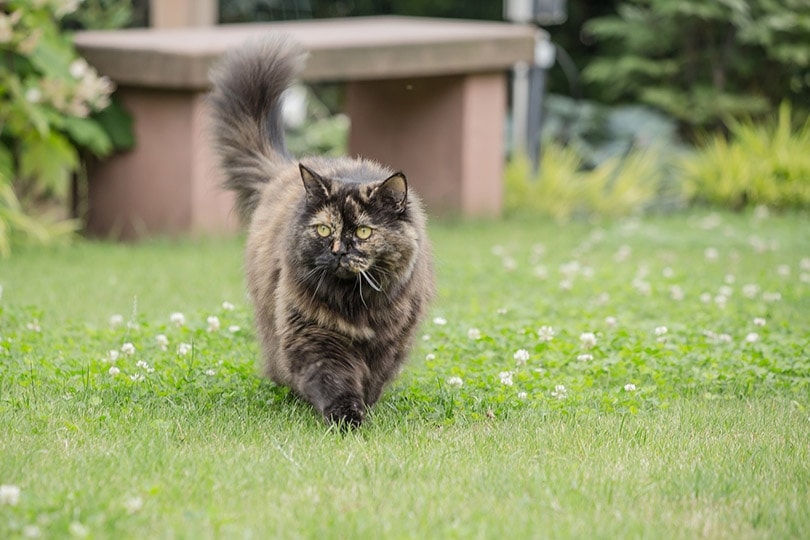
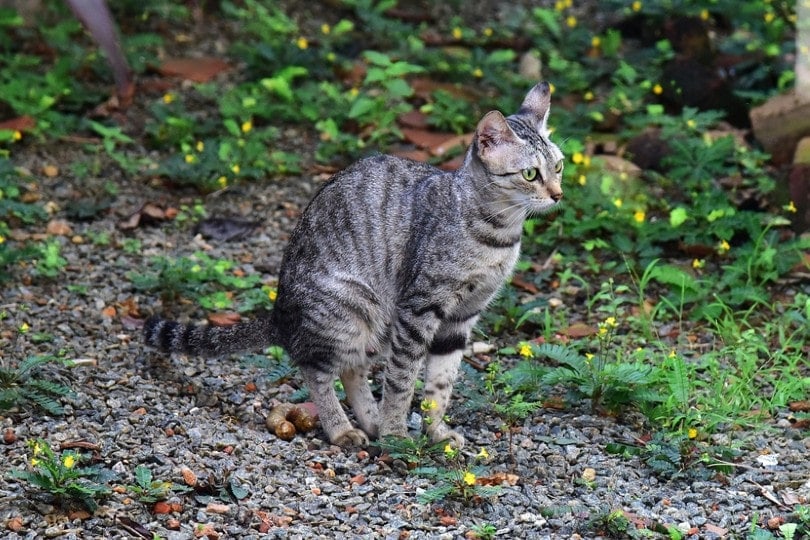
Having outdoor or feral cats roaming around your yard can become a nuisance, especially if they’re toileting in the plants in your garden or if you have dogs that like to chase other animals.
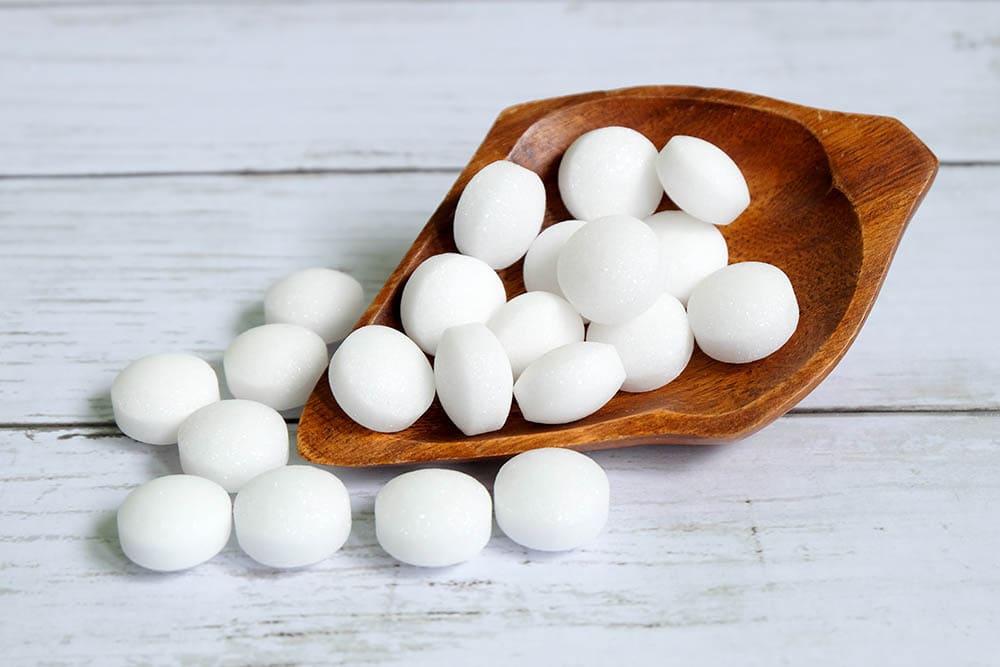
There are many methods that can discourage cats from entering your garden or yard, including using mothballs. However, mothballs aren’t the best option for repelling cats. Although they can be effective in keeping cats out, they can also be very harmful to them.
More humane methods for keeping cats away are available, so it’s better to avoid using mothballs altogether. Let’s discuss why to avoid this tactic and as well as some ideal alternatives for keeping cats at bay.

The Risks of Using Mothballs
Cats don’t like mothballs because of their strong smell. They also contain harmful ingredients that are unsafe for both cats and humans. Most mothballs are made of naphthalene or paradichlorobenzene, which are harmful if ingested, inhaled, or by contact.
What Is Naphthalene?
Naphthalene is commonly used as a pesticide and insect repellant. Naphthalene mothballs are twice as toxic as paradichlorobenzene and a small amount will cause illness. They are toxic by ingestion, inhalation, and skin contact. Naphthalene is processed in the liver and results in breakdown of red blood cells causing anemia. Signs you may see:
If cats or children swallow a whole mothball, they can experience severe or even fatal consequences, like:
Traces of naphthalene can remain in your yard even after a mothball dissolves. It can penetrate into the soil and also get absorbed by plants.
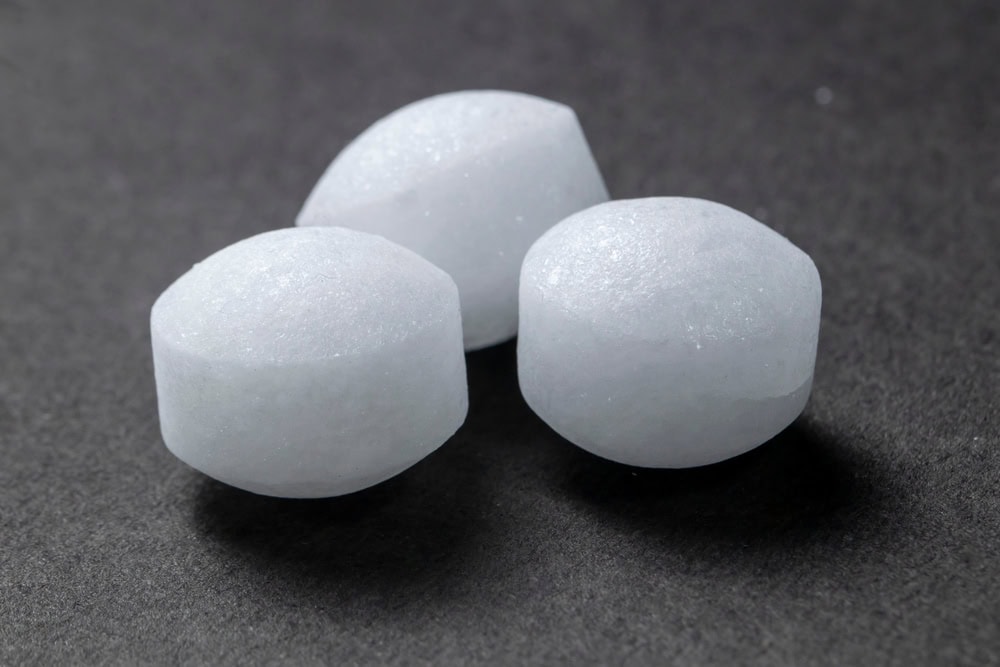
What Is Paradichlorobenzene?
Paradichlorobenzene is a fumigant insecticide that can also be harmful to cats and humans. It is toxic by ingestion, inhalation, and skin contact. As with naphthalene, it is processed in the liver and can result in the following signs:
Overall, mothballs are unsafe to inhale and eat and touch, and both humans and cats are susceptible to experiencing negative signs and symptoms after being exposed to mothballs. Therefore, it’s very risky to scatter them in your yard, especially if you have young children.
The 5 Safer Alternatives to Keep Cats Away
Fortunately, there are safer alternatives that you can use to keep cats away from your yard. Here are some alternatives that you can try to deter cats while keeping children and pets safe.
1. Herbs and Plants
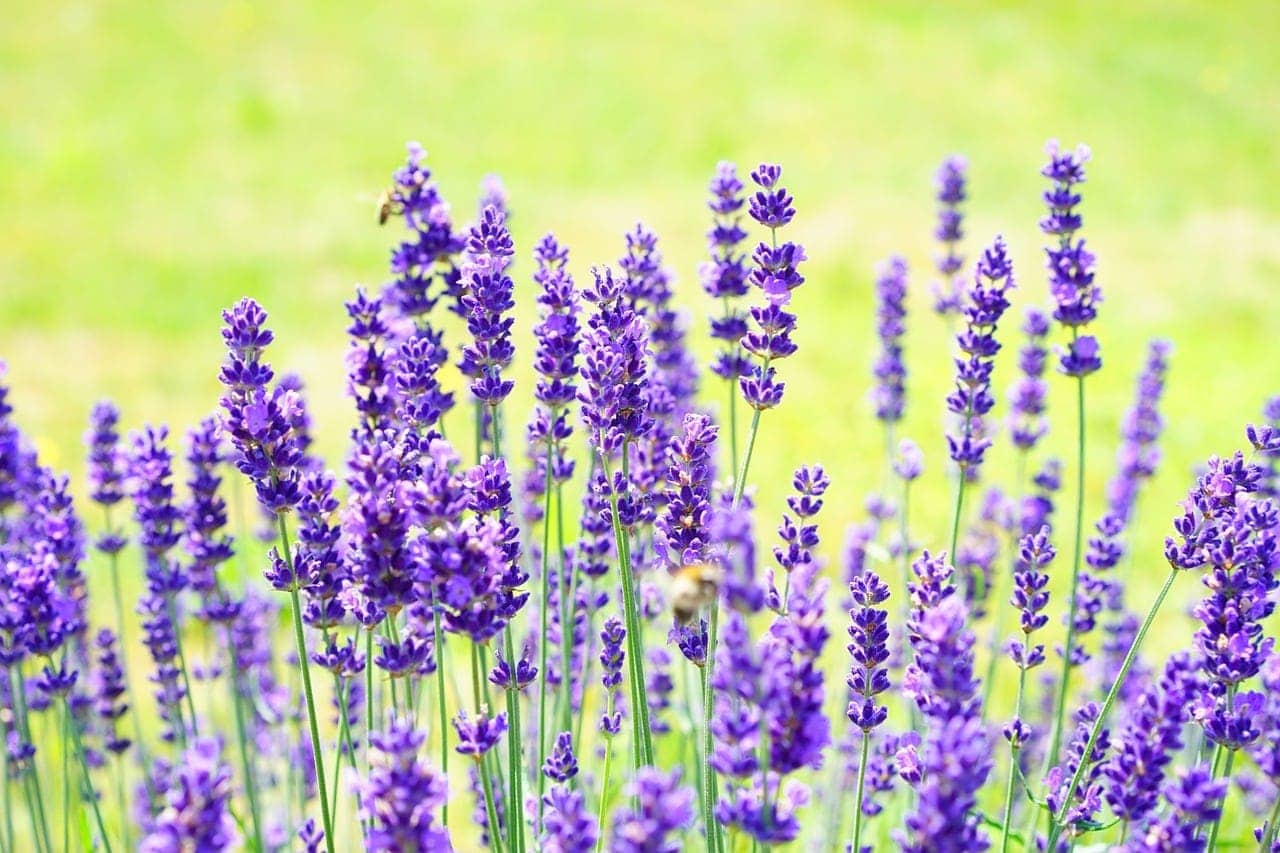
Cats don’t like the smell of certain herbs and plants. If you’re trying to protect a garden, you can try planting these plants around the perimeter:
Cats also don’t like the smell of citrus fruits, such as lemon, lime, and orange. So, if you live in a climate where citrus trees thrive, you can plant a few of these trees in your garden.
2. Natural Foods With Unpleasant Smells
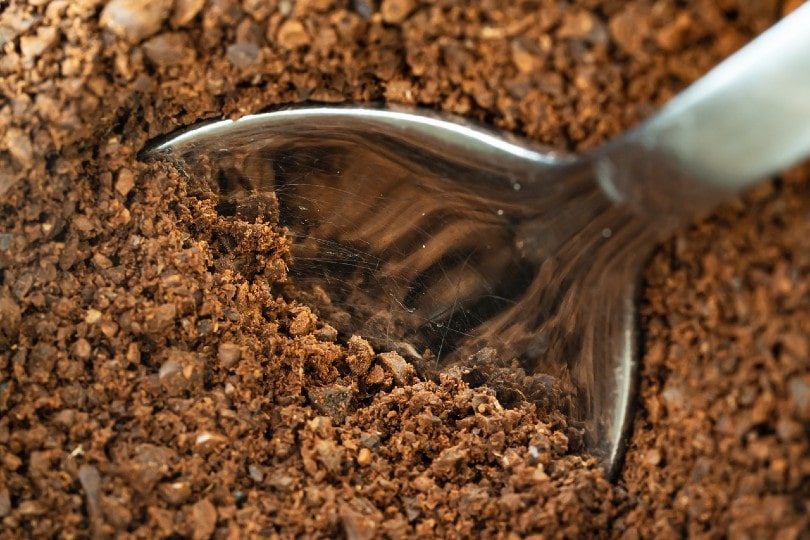
Cats are often deterred by the smell of common foods. They don’t tend to like the smell of coffee grounds, so you can sprinkle used grounds. These are not safe to be ingested by cats though.
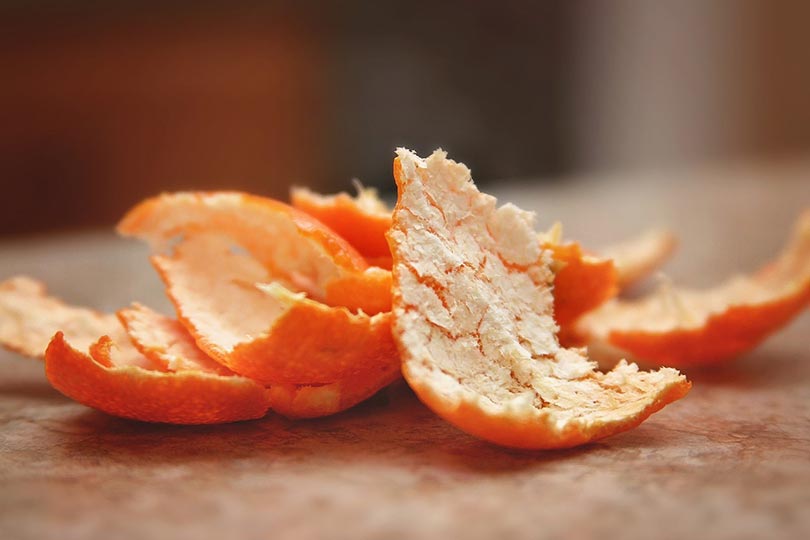
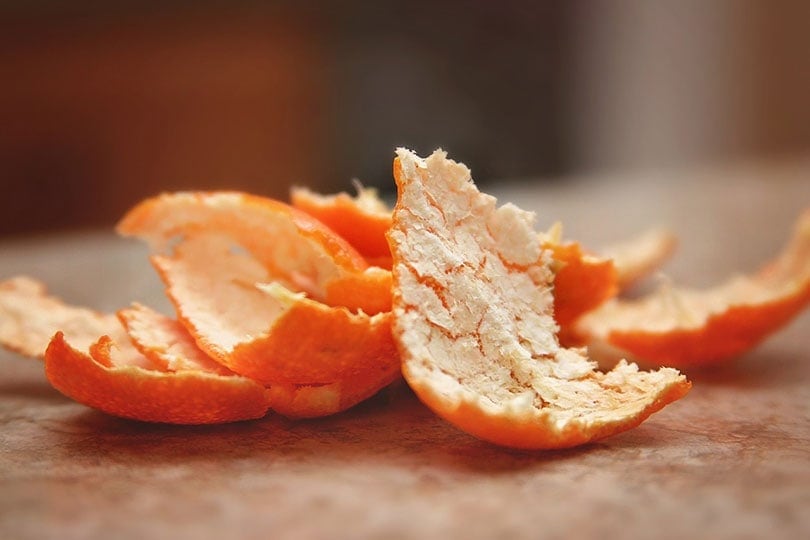
Since they don’t like citrus, you can also leave citrus peels out. Again citrus peels are not safe to be ingested by cats, so you may want to choose a different deterrent if you have your own cats.
Cats also don’t really like the smell of bananas, so you can strategically place banana peels in your yard. Just be careful not to place fruit peels too close to entrances into your home because they’ll attract insects.
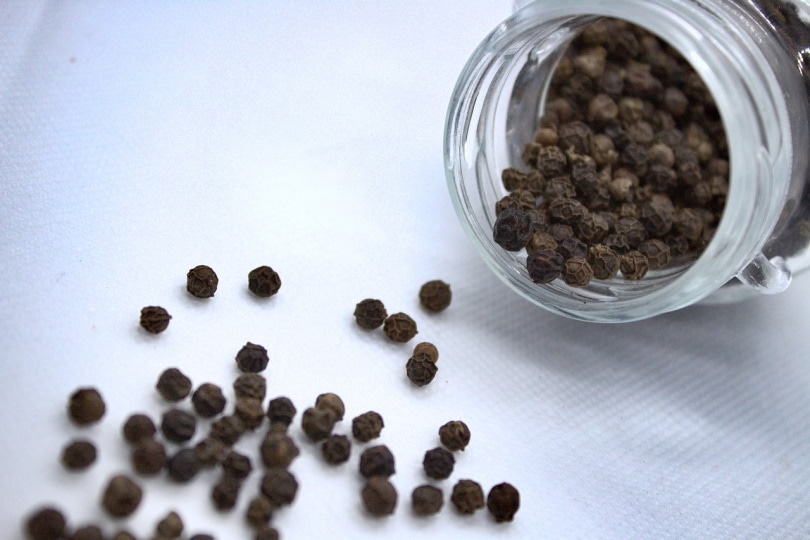
Pepper and curry are also scents that cats don’t like. You can sprinkle small amounts around your garden or other areas you don’t want cats to reach. They need to be replenished every time it rains.
3. Commercial Cat Repellents
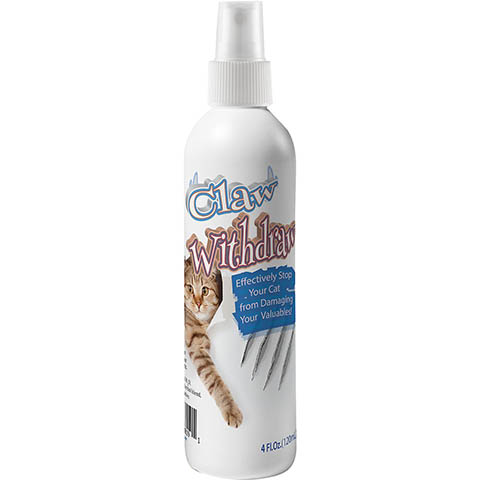
Your local pet store or online stores are often stocked with commercial cat repellents. You can often find repellants made with natural ingredients, so they’re safer alternatives to mothballs. However, the efficacy is mixed and probably depends on the individual cat.
4. Wire Fences and Mesh Covers
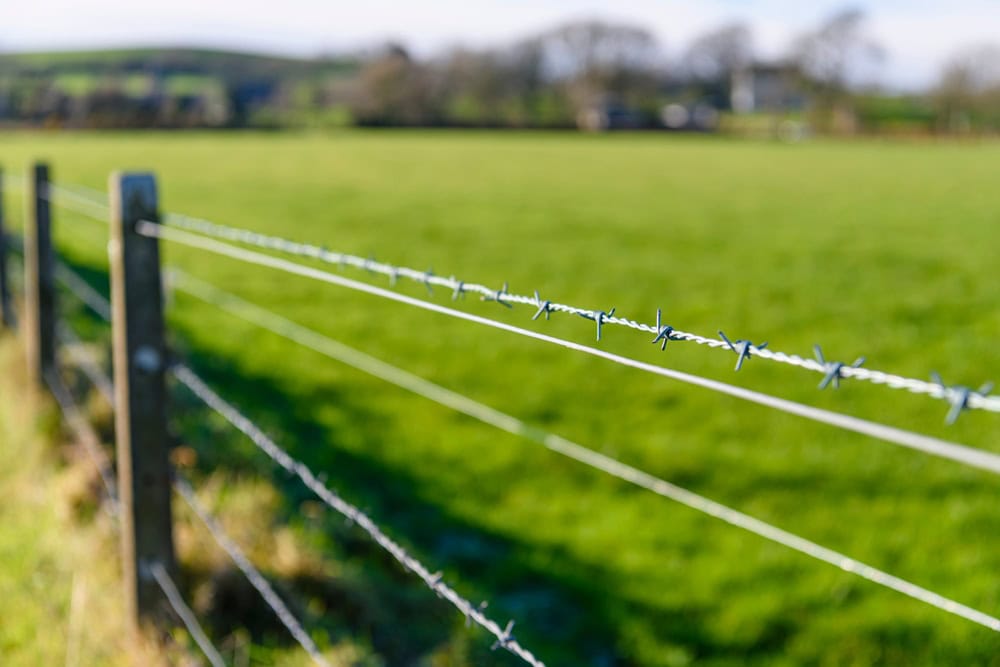
Some people choose to erect a cat-proof fence around their yard, but this is quite an expense to go to. If you’re looking to protect a certain area of your yard, such as a vegetable garden, you can use a wire fence with a mesh cover to keep cats out. These barriers will also prevent other pests and rodents, such as mice and rabbits. They can help cats to become less interested in trying to get inside fenced areas.
5. Motion-Activated Sprinklers
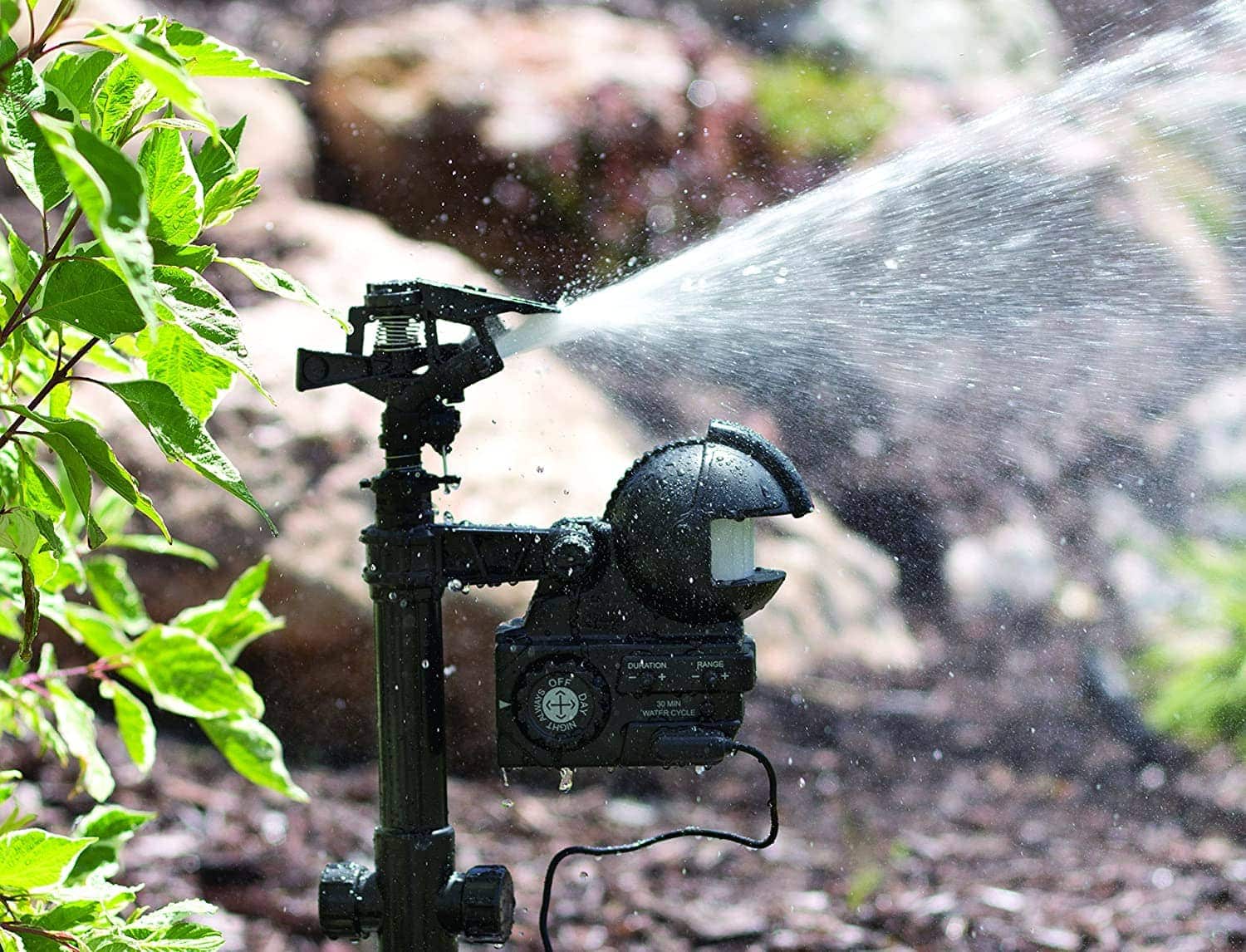
Sometimes, the element of surprise is all you need to cause cats to run out of your yard. If you can identify the common point of entry for cats, you can install a motion-activated sprinkler near this spot. Most cats don’t like getting wet, so the combination of surprise and water can make entering your yard an unpleasant experience for them.

Conclusion
Although mothballs can keep cats out of your yard, they just have too many harmful consequences. Mothballs contain pesticides that are harmful to humans and pets. So, although they might deter cats, they can also put your children’s and pets’ health at risk.
There are much safer options that you can use to keep cats away. It might require some creativity, but it’s worth exploring these options so that you can keep your loved ones safe.
Related Reads:
Featured Image Credit By: Faizal Ramli, Shutterstock
Get Hepper In Your Inbox


Pet care tips from our vets and experts, straight to your inbox.
You may opt-out at any time. View our Privacy Policy for more information.
Nicole is a lover of animals of all sizes but is especially fascinated with the feline variety. She’s the proud mom of Baby, a Burmese, and works every day so he can relax in the sunshine or by the fire. She’s always had a cat in her home and has spent countless days with others, observing behaviors and softening up even the grouchiest of the lot. Nicole wants to share her kitty expertise with you so you and your cat can live happy, healthy, and care-free.
Join the conversation
Ask a question, share your story, or send private feedback.