Hepper is reader-supported. When you buy via links on our site, we may earn an affiliate commission at no cost to you. Learn more.
6 Vet-Approved Homemade Cat Repellents to Keep Them Away


In this article
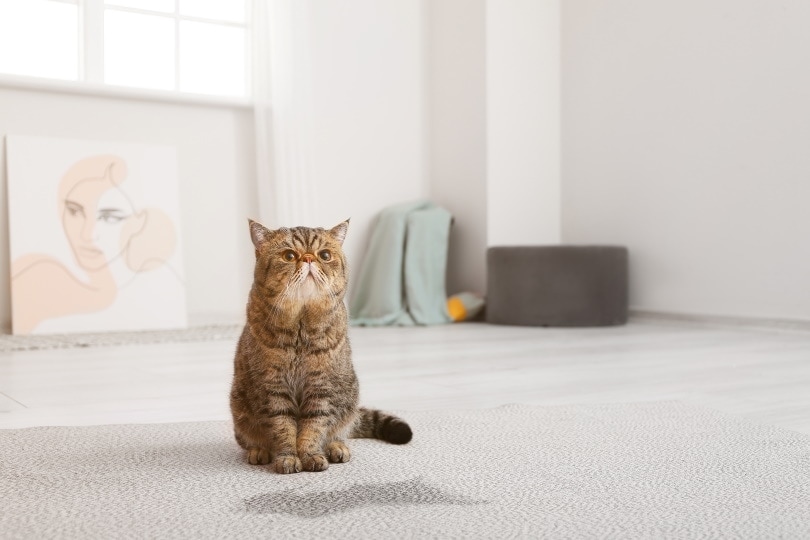
Whether you’re looking for a way to keep the neighbor’s cats from using your garden as a toilet, or want to find a way to keep your own cats from destroying the Christmas tree or out of your favorite plant pots, using humane cat repellents is an option.
Plenty of cat repellent options are on the market, but some of them can be expensive, while others may be really unpleasant. Thankfully, there are DIY alternatives for you to make at home, which are safe to use around your pets, family, and plants. In this article, we will take a look at six homemade cat deterrents, both spray repellents and physical barriers, that you can make today.

Spray Repellents
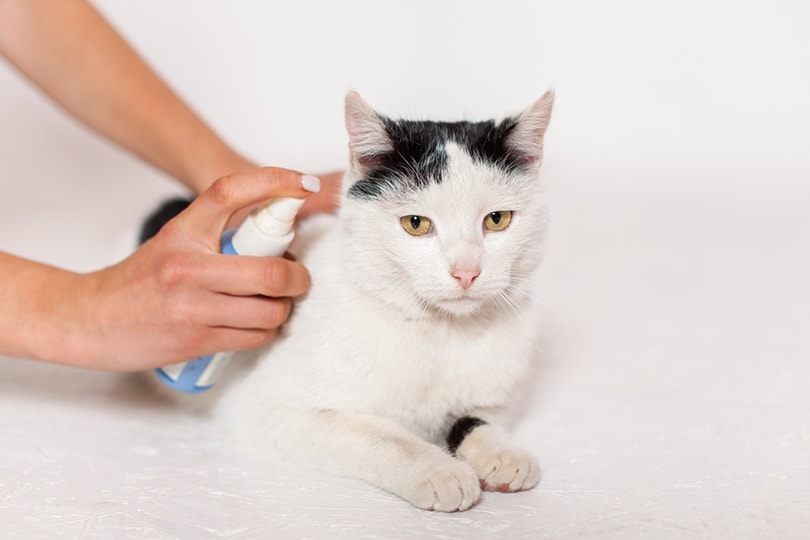
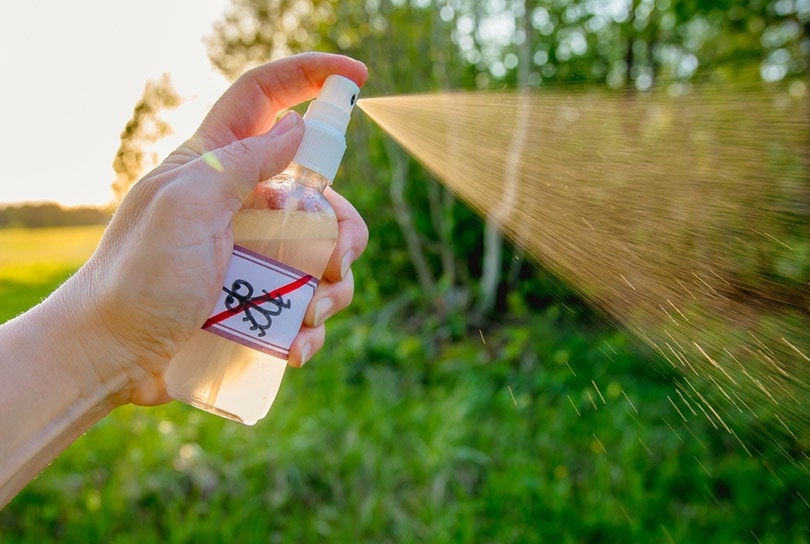
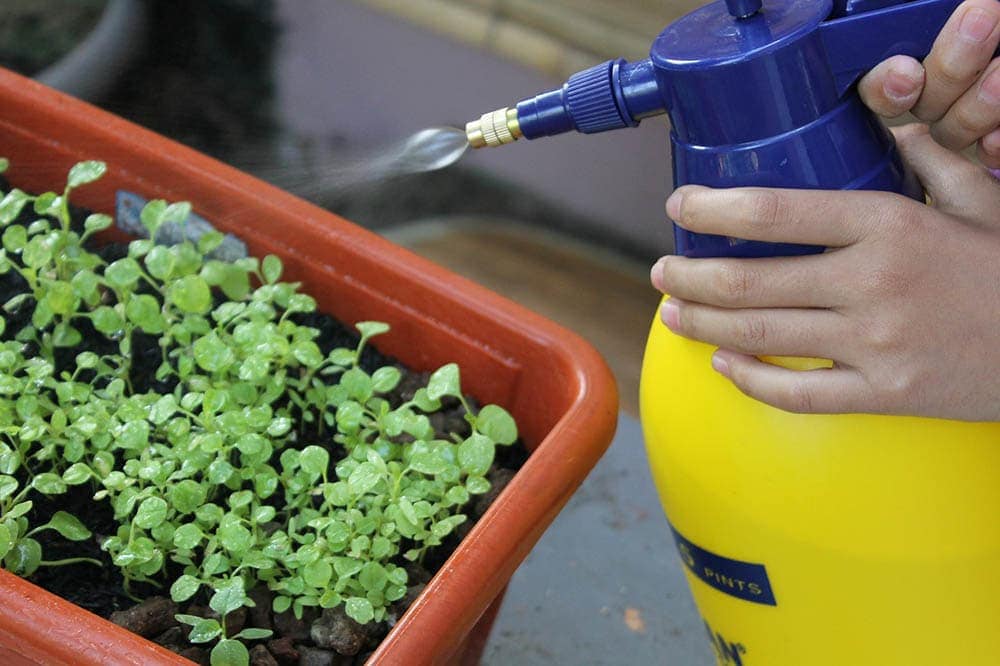
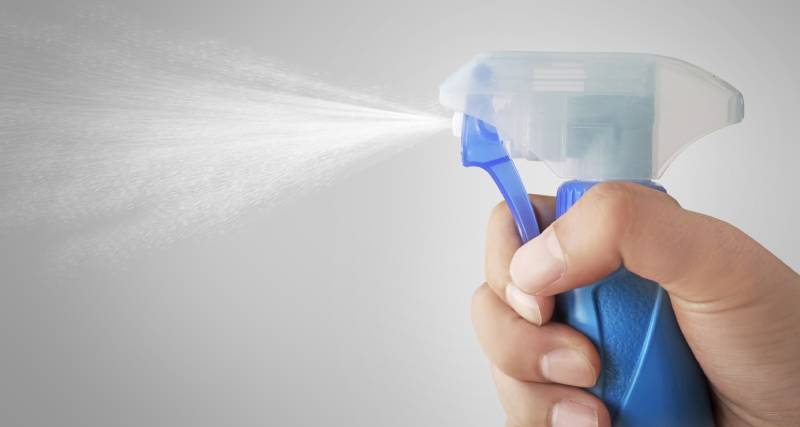
Many people find spray repellents effective. Cats have sensitive noses, so using scents they dislike is a great way to keep them away. However, these sprays should never be sprayed directly on your cat. They are meant to be sprayed on objects or in areas that you want your cat to avoid.
1. Lemon Juice Spray
One effective repellent spray that you can make is a lemon juice spray. The ingredients you will need include the following:
- 3 cups of water
- ¾ cup distilled white vinegar
- ½ cup of fresh rosemary
- ¼ cup lemon juice
Once you’ve gathered your ingredients, start by boiling the water. Once the water is boiled, you will add the fresh rosemary. Turn off the heat, cover, and let the mixture steep overnight.
The next morning, strain the rosemary out of the mixture. Pour it into a spray bottle, then add lemon juice and vinegar. Shake well, and get ready to spray!

2. Vinegar Spray
Vinegar is a powerful scent that cats typically don’t enjoy. As a result, it is often put into sprays and used as a training tool. You can choose to use unadulterated vinegar or diluted vinegar, depending on your purposes.
If you plan to spray it on sensitive objects that vinegar can damage, it is recommended that you use a diluted form of vinegar. A mixture of vinegar and water is perfectly suitable.
3. Citrus Spray
As we know from our lemon juice spray above, cats tend to avoid citrus. Therefore, a citrus spray can be an effective feline repellent. To make a citrus spray, take the peels of lemon, lime, orange, and tangerine.
Place them in a pot of boiling water and let them sit for 20 minutes. Let the mixture cool, then pour it into a spray bottle. Another way that you can create the mixture is by mixing 2 teaspoons of lemon, orange, or lime juice with two pumps of lemon-scented dish soap. Not only can this work as a safe cat deterrent, but it can keep your home and garden smelling like summer all year round!

Physical Barriers
Some cats have a stronger tolerance for scented sprays than others. If your cat is one of those few that seems to have a nose of steel, physical barriers may be more effective at keeping your cat at bay.
4. Fences
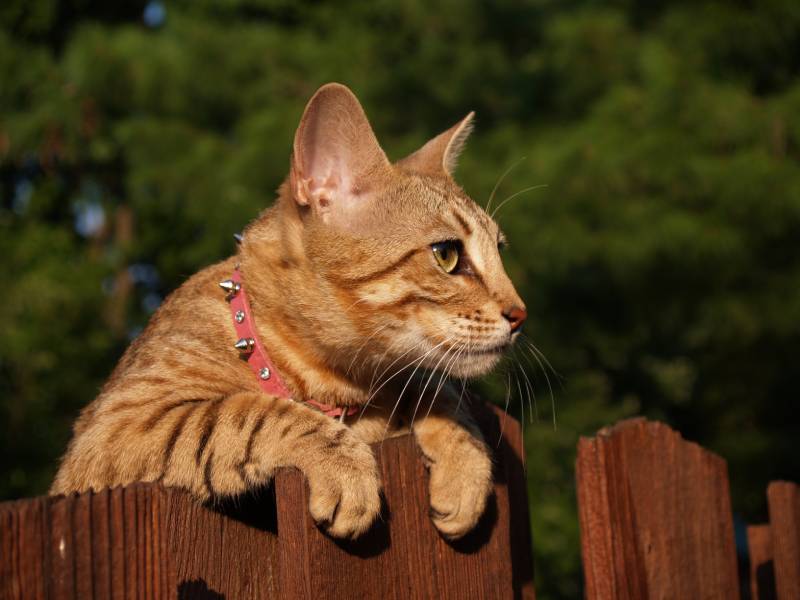
A fence may be the perfect barrier if you’re trying to keep your cat out of a garden or other outdoor space. While this option may take a lot of time, money, and resources to construct, it may be one of the most effective physical barriers on this list for smaller or older cats. However, a fence may not do much good for cats that are especially agile and determined.
5. Aluminum Foil
Aluminum foil is a physical barrier that many cat parents rely on. Cats despise the way that aluminum foil sounds and feels when they touch it, making it a great deterrent. For instance, if you are trying to train your cat to stay off the countertops, you can lay out sheets of aluminum foil.
The next time your cat jumps up on the counter, they will land on the aluminum foil. The unpleasant sensation will compel them to jump off, and they will be less inclined to try jumping on the counters again.
This can also help to train them from scratching furniture. If you can tolerate having your lounge room temporarily looking like the inside of a spaceship, wrapping your sofa with some aluminum foil can teach your cats to go somewhere else to sharpen those claws!
6. Digging Barriers
This physical barrier will only work for outdoor spaces and works best for keeping your cat out of places you do not want them to defecate or urinate. Cats prefer to eliminate in places they can dig, such as sand.
This is so that they can bury the evidence of their elimination, much like they do in their litter box. Therefore, placing barriers that prevent them from digging will reduce the allure of these areas.
One of the easiest ways to deter cats from digging in an area is by placing mulch, bark, or stones on the ground. This material is uncomfortable for a cat to dig through. Therefore, they will be less inclined to return there to use the restroom.


Choosing the Right Deterrent
When choosing between spray repellents and physical barriers, the most important thing to consider is what will work to deter your cat. If your cat is a crafty escape artist, physical barriers may not work.
At the same time, if you just want to stop your cat from urinating or defecating in your garden, laying down mulch could be the perfect solution. When picking a deterrent, remember that you may need to use more than one to see results.
Cats are clever creatures and tend to find ways around the repellents you use. If you discover that the repellent you are using is not working or only half-working, it is time to consider an additional option.
Most importantly, you should choose a humane deterrent. Not all repellents are made with your cat’s health and safety in mind, which is why you must choose these products carefully. For example, many people suggest using an essential oil spray, yet essential oils are highly toxic to cats.
Even if the cats you are trying to deter are not your own, they are likely the beloved members of another family, and it is never okay to deliberately use something that will cause them harm.
Final Thoughts
Spray repellents and physical barriers are useful for keeping your cat out of trouble. While these deterrents can be purchased online, you can save a little money by making your own, especially if you need multiple deterrents to see effectiveness. We hope this article has given you some ideas for keeping your cat away from things they shouldn’t be getting into.
Related Reads:
Sources
Featured Image Credit: prasit2512, Shutterstock
Get Hepper In Your Inbox


Pet care tips from our vets and experts, straight to your inbox.
You may opt-out at any time. View our Privacy Policy for more information.
Pets are Jordyn’s passion, cats especially. Whenever she has the opportunity, she loves to learn about them and share her knowledge with everyone. She is devoted to her tabby cat named Jack and works hard to buy him his favorite treats and toys. Discovering new ways to better care for her pet is always on her to-do list, and she is eager to help pet parents everywhere who have similar pursuits. In her spare time, she loves to read, write, and take long walks. She has a creative spirit, which often helps her to come up with funny cat names.
Join the conversation
Ask a question, share your story, or send private feedback.