Hepper is reader-supported. When you buy via links on our site, we may earn an affiliate commission at no cost to you. Learn more.
Do Orange Peels Keep Cats Away? Vet-Reviewed Pros, Cons & Alternatives



In this article
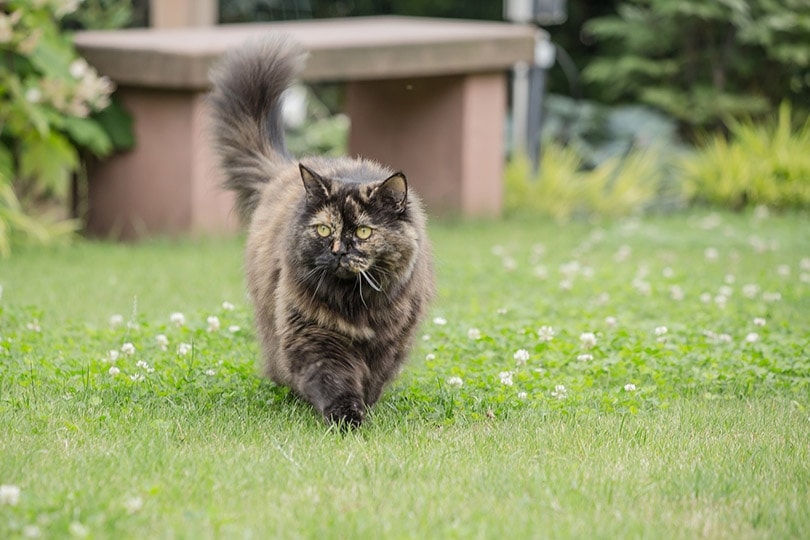
If you’re struggling to keep wandering felines from destroying your garden or landscaping, you may have heard orange peels suggested as a method to keep cats away. But do they work, and are they the best choice? While orange peels work in many cases to keep cats away, they have limitations, and other methods may work more effectively.
In this article, we’ll discuss why orange peels keep cats away and what can limit their effectiveness. We’ll also suggest some alternative cat repellents to safeguard your property.

Pros of Using Orange Peels
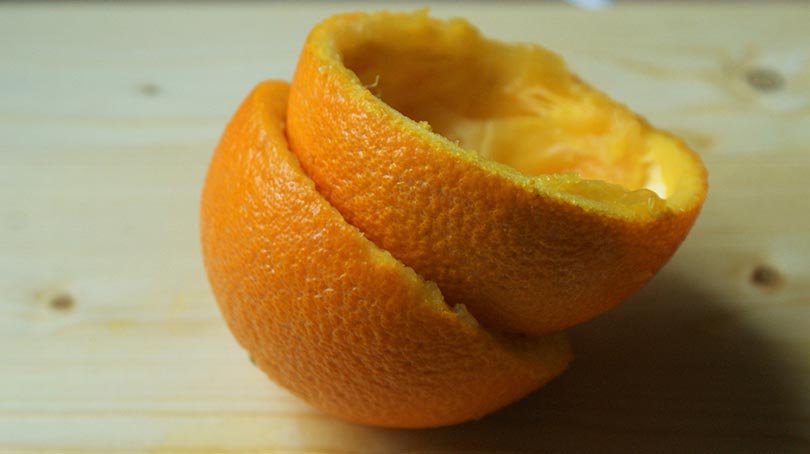
Cats generally dislike the smell of citrus, and orange peels are likely to give off a scent they won’t want to be around. If you think about it, orange has a strong odor even to humans, and cats possess far more sensitive noses than we do. It makes sense that they’d find orange peels unpleasant.
Orange peels are also an appealing method of keeping cats away because they are cheap and easy to obtain, especially if you like citrus fruits. Not just orange but lemon, grapefruit, and other citrus peels can be scattered in the garden to ward off stray kitties. Some people create a DIY orange spray by boiling the peels in water and misting the cooled mixture over their plants.
Cons of Using Orange Peels
There are a couple of downsides to using orange peels to keep cats away. One is that some cats will not be repulsed by the scent.
A more common issue is that orange peels lose their scent quickly once removed from the fruit. Unless you eat several oranges and can replenish the peel supply frequently, it probably won’t last very long. Orange sprays (and other cat-repellent sprays) can easily be washed away by rain or irrigation sprinklers.
The 4 Other Options to Keep Cats Away
1. Different Scents
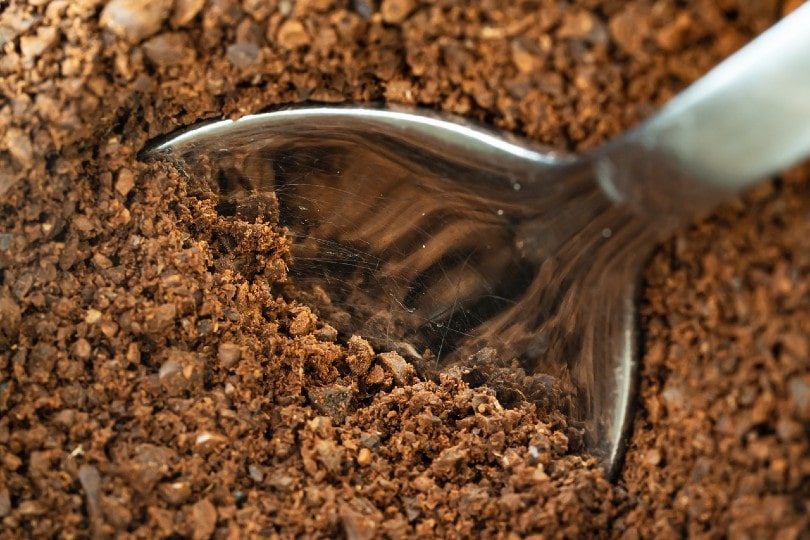
Besides orange peels, there are some other methods you can use to keep cats away that may be more effective. You could try using another scent cats don’t like, such as coffee grounds or predator urine (such as coyote or fox). However, you’ll run into the same situation with the orange peel: having to freshen the scent regularly.
2. Physical Barrier
Another option is to use a physical barrier to keep cats out of the flower beds or garden. Place a garden fence or wire mesh around the area you want to protect. Chicken mesh or lattice can also be placed directly on the soil after planting. Plants will grow through the holes, but cats won’t be able to dig up the ground and disturb them.
3. Sprinklers
A more expensive but effective option is installing motion-activated sprinklers on your property. Most cats hate water and will learn to avoid your yard quickly if they know they are in for a drenching when they trespass.
4. Get the Cat to Leave
If all else fails, your last option may be humanely removing the cat. If you know who owns your feline visitor, try talking to the neighbor and asking them to keep the kitty contained. For stray felines, contact a local rescue group about trapping and relocating the cat.
Conclusion
Whether they’re chewing on your plants or digging up your flower beds to use as a toilet, unwelcome cats can do some serious damage to your yard. Also, cat poop can infect your soil with parasites that could pass to you or your kids.
Orange peels are a cheap and accessible deterrent to keep cats out of your yard but may not be the most effective choice. Before you despair about protecting your property, try some of our other suggestions. If your cat is acting out in response to unwanted visitors, ask your vet for help managing their bad behavior.
Sources
Featured Image By: esudroff, Pixabay
Get Hepper In Your Inbox


Pet care tips from our vets and experts, straight to your inbox.
You may opt-out at any time. View our Privacy Policy for more information.
A lifelong lover of all creatures great and small, Elizabeth got her first cat at 5 years old and at 14, she started working for her local veterinarian. After spending more than 20 years working as a veterinary nurse, Elizabeth decided to step away to become a stay-at-home parent to her daughter. Now, she is excited to share her knowledge with our pet parents. Elizabeth lives in Iowa with her family, including her two fur kids, Linnard, a husky mix and Algernon, the worldʻs most patient cat. When not writing, she enjoys reading, watching soccer, and spending time outdoors with her family.
Join the conversation
Ask a question, share your story, or send private feedback.