Hepper is reader-supported. When you buy via links on our site, we may earn an affiliate commission at no cost to you. Learn more.
Can Birds Smell? Our Vet Explains Olfactory Senses


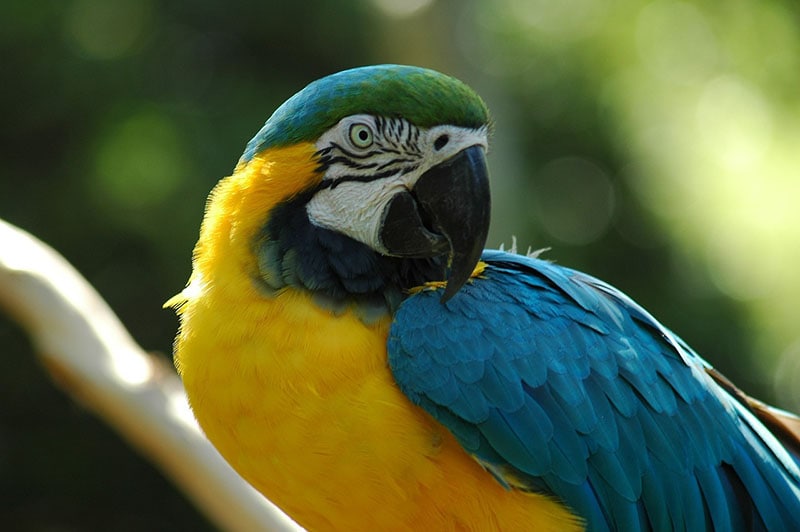
Ranging in appearance, size, and ecological role, birds are fascinating creatures that many people encounter in their everyday life. Even with most bird's having the advantage of flight and sharp vision, how good are their other senses like smell and hearing? Smell is an important sense that many birds use to survive and function normally in their environment.
While many species of birds have an undeveloped sense of smell (olfaction), they have the necessary olfactory organs for smell. Some birds will have a better sense of smell than others depending on how much they rely on their sense of smell for navigating things in their environment. This article will provide you with insight into bird olfaction and how these winged animals do it.

Are Birds Capable of Smelling?
Yes, birds are capable of smelling because they rely on their five senses for survival—sight, touch, taste, hearing, and smell. They can smell through two nostrils located on their beaks which leads to an olfactory system. A bird’s sense of smell might not be as good as ours is, but it allows them to detect odors and respond to them.
It’s understandable to have believed that birds cannot smell since they don’t have very visible noses like other animals. Most birds are known for their excellent sense of sight and hearing, which led many people to think birds couldn’t smell at all, or only a little. This was until researchers were influenced by more in-depth studies and results that affected the way they perceived bird communication.
A bird’s sense of smell and taste is much weaker and undeveloped than its vision, with the majority of birds having very good eyesight. Some birds have more well-developed olfactory senses than others, like the Turkey vulture and Kiwi who rely on a strong sense of smell to locate food. While some other birds don’t rely much on smell to function so it will be less developed in that particular species.
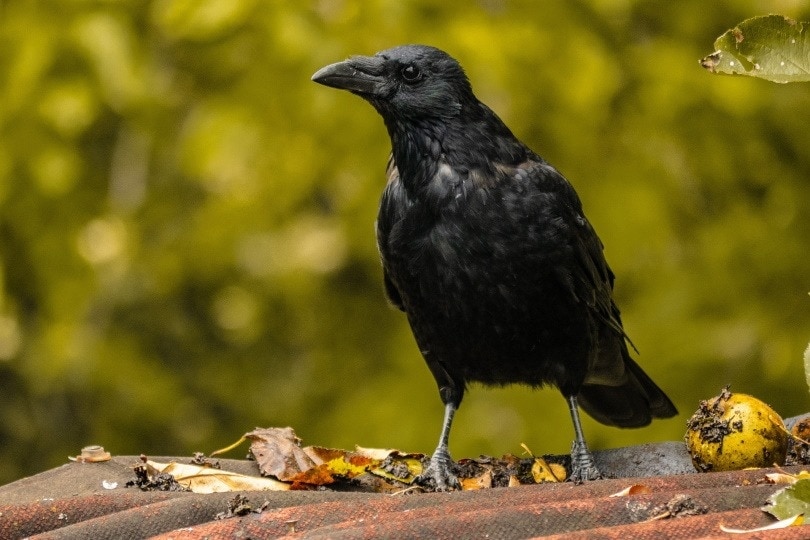
Understanding Bird Olfaction
If you were to look closely at a bird’s beak, you would see two small openings known as the bird's nares or nostrils. These nares can be circular, slit, or oval-shaped, and found somewhere on the bird’s beak, usually at the start or midway. This is the external part of a bird’s olfactory system, and while it might look small and simple on the outside, the internal structure is composed of various olfactory organs and receptors. The size of the bird’s olfactory system is going to vary, but it is usually quite small.
Their internal olfactory system consists of:
- External nostrils
- Olfactory epithelium
- Olfactory nerves
- Olfactory bulbs
- Olfactory glands
- Olfactory receptors
The nares not only allow the bird to smell but to breathe too. When a bird takes in air through the nares, the air passes through the nasal cavity and the olfactory nerves detect odors before reaching the bird's air sacs.
A bird’s nasal cavity is lined with membranous epithelium that captures the odor molecules to be processed as a smell by the bird. While this air is traveling through the bird's nasal cavities, the nerves that sense odors will send signals to the bird’s brain, which allows the bird to perceive and respond to a smell. Though the general structures of the olfactory system are the same in all birds, their individual beak shapes and adaptations can offer stark differences in the sizes of their sinuses and the lining of the olfactory tracts. Birds like Kiwis and Vultures have an exceptional sense of smell.
Why Do Birds Need To Smell?
- Locating food: Birds (especially foraging birds) rely on their sense of smell to locate food. They will use their smell to distinguish between tasteful foods and foods they would rather avoid eating. Kiwi birds are a great example of birds that rely heavily on smell to locate food, and their nostrils can be found at the tips of their beaks which are closer to the food source.
- Avoiding predators: A bird’s good vision and hearing can only benefit them to a certain extent before their other senses become necessary for survival. Many birds will use their smell to detect potential predators, such as the Blue Tit that won’t enter their nest if they smell weasels.
- Detecting pheromones: A bird’s sense of smell can be used for reproduction and mating purposes. Certain birds can detect pheromones that influence their sexual behaviors, making olfaction necessary for some birds' social actions.
- Navigating their environment: Birds will use a combination of their senses to navigate their environment, with smell being one of them. From locating nests, food, and places to long-distance migration.
- Distinguishing between individuals: Birds use their smell to differentiate between each other, possibly detecting the different sexes and species by the unique compounds. This can help with mate selection, or help birds identify their young.
How Good Is a Bird's Sense of Smell?
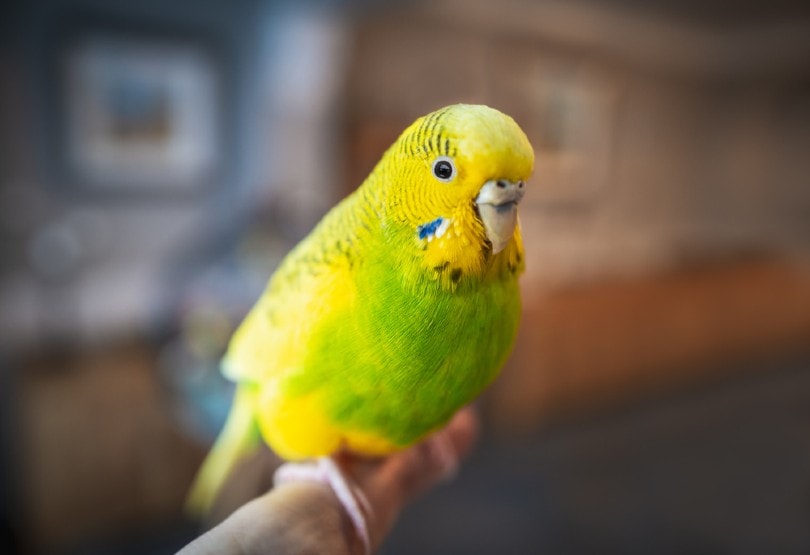
In most cases, a bird's sense of smell isn't going to be as good as a human's. The majority of birds are going to have small and weak olfactory systems since they rely more on their other senses. Interestingly, researchers have found that birds like kiwis may have more olfactory receptors than humans. Birds such as vultures, kiwis, parrots, and seabirds seem to have a more developed sense of smell than other birds.
Conclusion
Even though birds are not known for having a keen sense of smell, they are capable of smelling. Olfaction serves a purpose for many birds by allowing them to locate food, avoid predators, and for navigating their environment. While some birds have a better sense of smell than others, all birds have some degree of olfactory ability and are not believed to be anosmic anymore.
Sources
Featured Image Credit: Paul Brennan, Pixabay
Get Hepper In Your Inbox


Pet care tips from our vets and experts, straight to your inbox.
You may opt-out at any time. View our Privacy Policy for more information.
Sarah is residing in South Africa with her partner and pets. She currently is interested in veterinary science and ichthyology, which she wants to study alongside her main passion: pet content writing. Sarah has over 60 fish including goldfish, tropicals, shrimp, and snails. She also keeps hamsters and a tarantula and wishes to provide quality content for readers and allow others to learn from her knowledge and experience. Sarah has much experience in all aspects of pet care, and providing the world with knowledge on ethical pet ownership is her lifelong dream.
Join the conversation
Ask a question, share your story, or send private feedback.