Hepper is reader-supported. When you buy via links on our site, we may earn an affiliate commission at no cost to you. Learn more.
Do Wolves Attack Dogs? Tips on How To Protect Your Pet
In this article
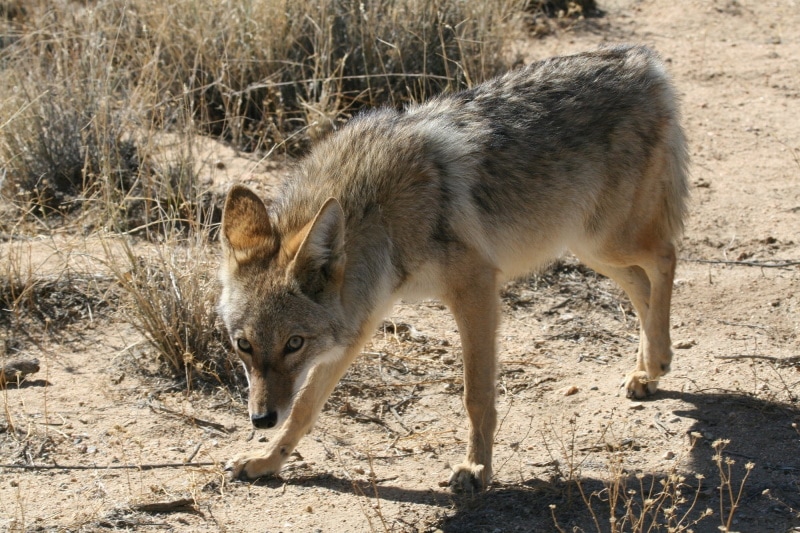
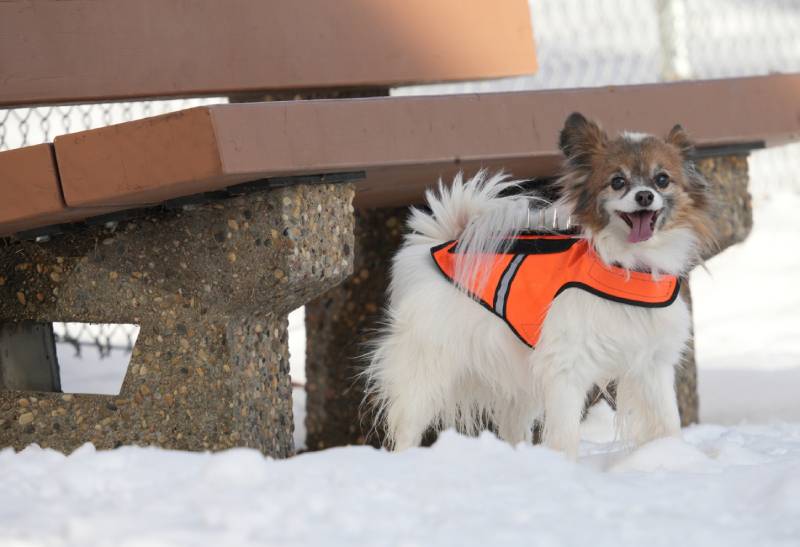
Unfortunately, although it is not that common an occurrence, wolves do attack dogs and the attacks don’t just take place in the wild, many attacks take place in the dog’s yard. However, wolf attacks can also occur on trails and in the wolf’s domain. And where dogs are used as livestock guardians, to protect against predators like wolves, the risk of attack is increased even further.
Wolves are not found in every state of the U.S. and their numbers are declining, which means that wolf attacks on dogs are not that common. But wolves do view domestic dogs as being competition and because wolves can carry rabies, even if a dog is injured and not killed directly, wolf attacks can pose a serious risk. Physical injuries can also be substantial and will likely require veterinary treatment that could cost the owner thousands of dollars.

About Wolves
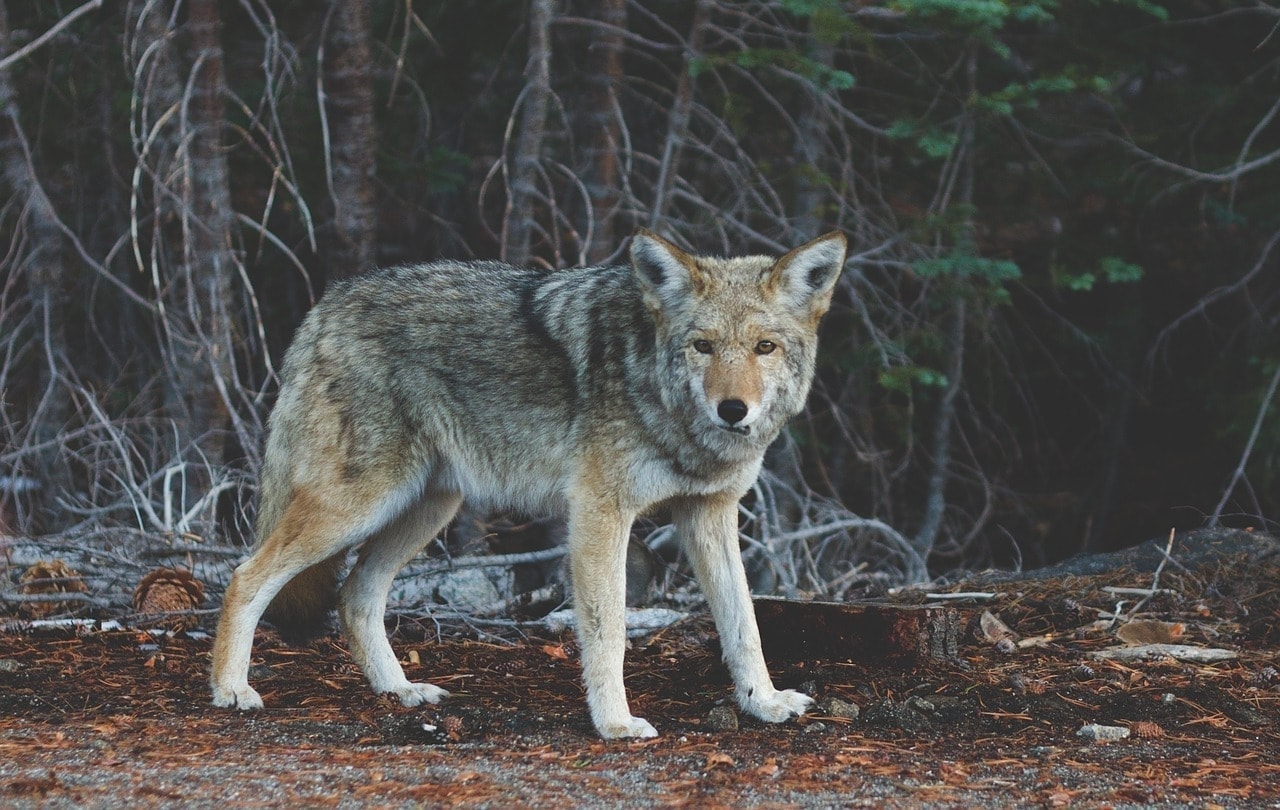
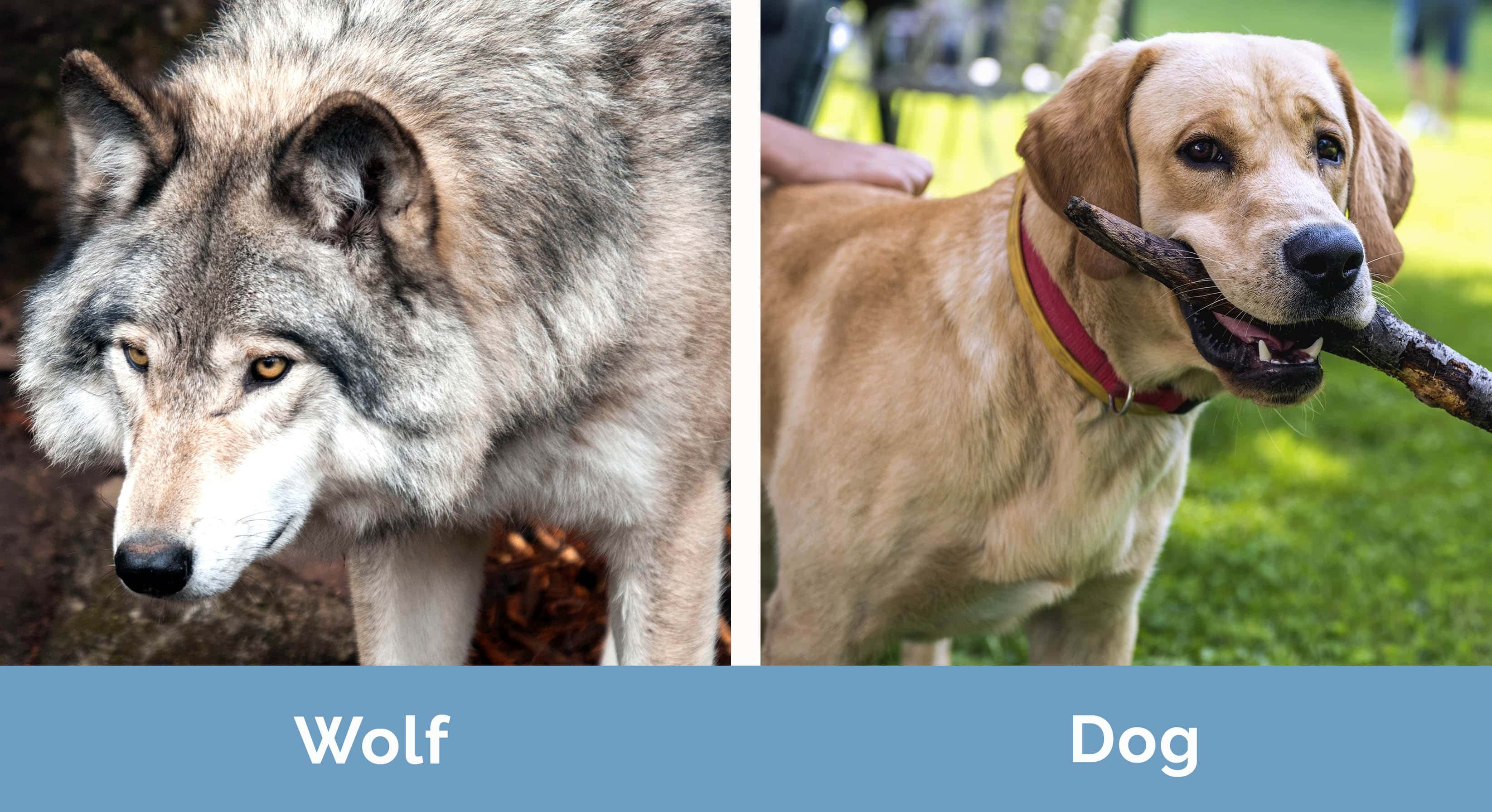
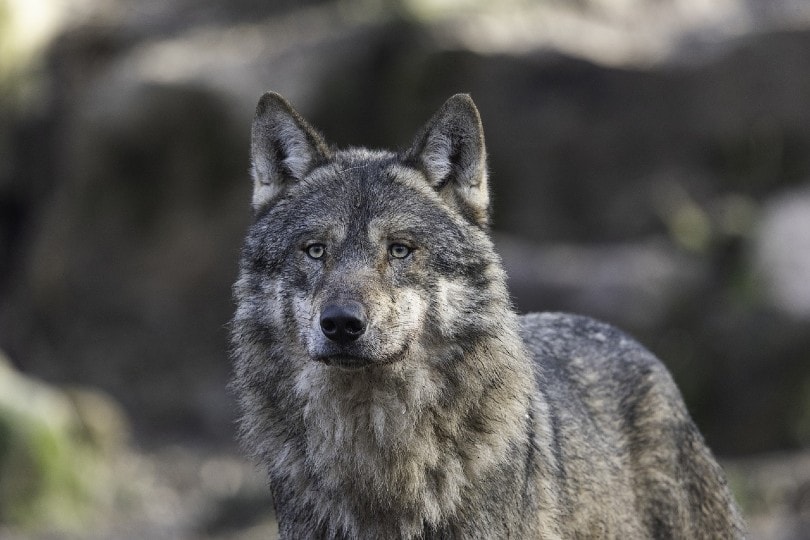
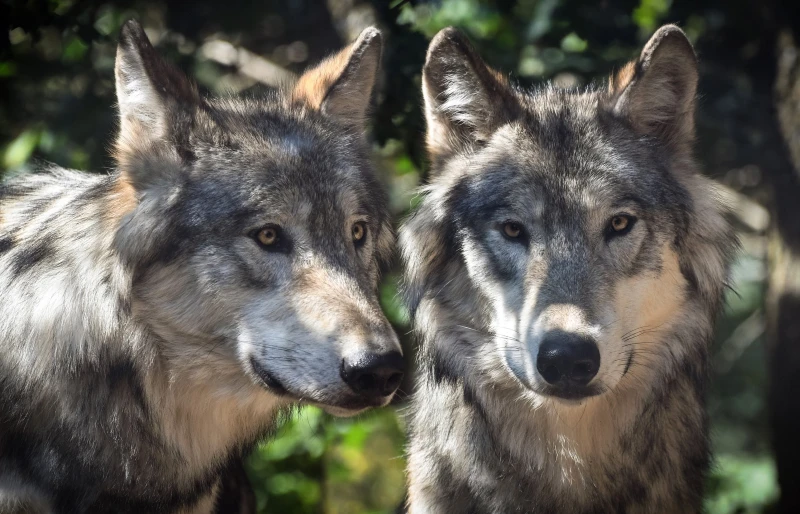
Wolves are a member of the Canidae family, which is the same family that domestic dogs belong to. The gray wolf grows to approximately 100 to 120 pounds but can reach as much as 175 pounds. It is a carnivore, which means that it eats meat, and as well as eating wild animals wolves are known to eat livestock and may sometimes eat domestic pets.
These social animals live in packs of up to 10 animals and can roam as far as 12 miles in a single day, especially when looking for food. They'll work together to take down large prey and once they take down a prey animal, they will gorge themselves on food and may become aggressive with one another to protect what they view as their food.
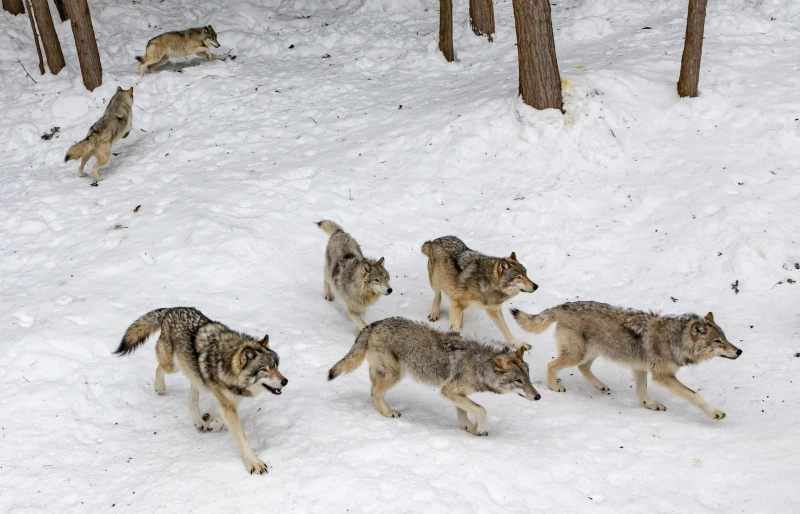
Where Are Wolves Found?
Packs of gray wolves are known to reside in Alaska, California, Idaho, Michigan, Minnesota, Montana, Oregon, Washington state, and Wisconsin with occasional sightings of individual wolves in neighboring states. There are believed to be approximately 15,000 wolves across the U.S. with the majority of these found in Alaska. It is difficult to track exactly how many there are or to calculate the population by state because packs are so diverse and can spread right across states and areas.

Protecting Your Dog at Home
Wolf attacks most commonly occur on dogs that are protecting livestock or that are out in the wild on walks or hikes with their owners, as well as on stray or feral dogs. But attacks at home can occur. Take the following steps to help reduce the risk of wolves attacking your pet dogs.
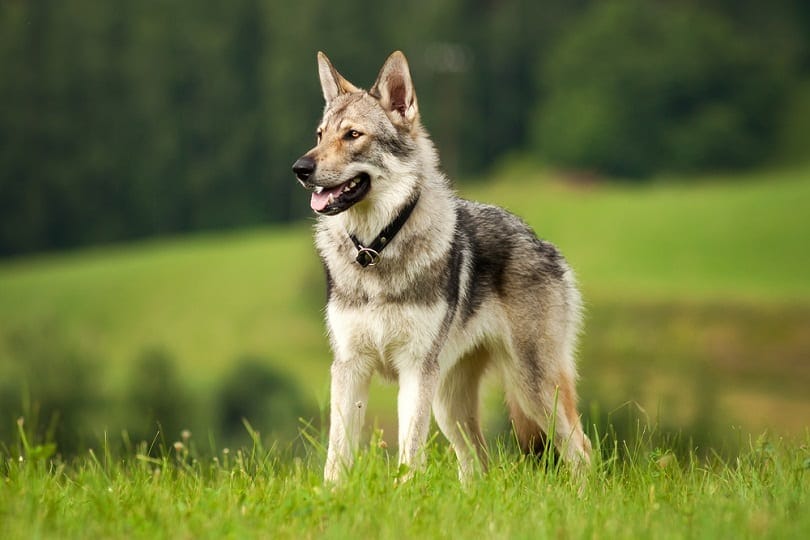
- Desex Your Dog – Dogs and wolves can breed with one another, which means that a female dog on heat may attract male wolves. Male dogs may also be seen as competition, and an unneutered male is more likely to try and take a wolf on. Unneutered males are also more likely to wander, putting them in harm’s way. Having your dog desexed will help reduce the risk of it being attacked.
- Don’t Leave Your Dog Out at Night – Wolves hunt at night, and they prefer the cover of darkness when there are fewer people and other distractions around. As such, your dog is most likely to be attacked at night if you leave them out. Even if you provide a kennel or doghouse, this won’t provide protection against a wolf.
- Don’t Leave Easy Food Out – Wolves are carnivores and are skilled hunters, but if they smell rotting food or meat that has been thrown in the trash, they will come to investigate. This increases the exposure of your dog to wolves and increases the chances of an attack. Ensure bins are secure and, ideally, in an enclosure that prevents the smell from spreading.
- Make Access Difficult – Wolves are unable to climb trees, but they are resourceful and are very good at climbing fences. Put noisemakers on top of the fences, such as those that are usually used to discourage coyotes, and the noise will usually scare off a wolf that tries to climb your fence.
Protecting Your Dog Away from Home
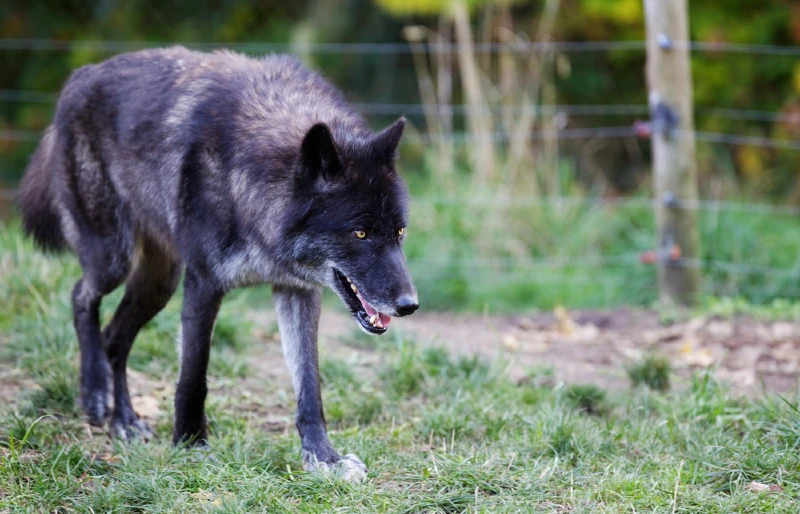
Wolf attacks can happen in mountains or forests, or anywhere else in a wolf’s territory if you are out walking your dog. If you do walk your dog in wolf territory, consider the following safety measures:
- Maintain Eye Contact – If a wolf approaches you and your dog, don’t be tempted to run away. Make yourself as big as possible and keep eye contact with the wolf. Generally, a wolf will back down and run away rather than stay and fight a person.
- Don’t Let Your Dog Wander – If you know there are wolves in the area, keep your dog on a leash. Wolves are less inclined to attack people than dogs, and even less likely to attack if both of you are there. Having your dog on a leash also means you know where the dog is at all times, and it allows you to control the situation and get your dog out of harm’s way.
- Clean Up – Whether you’re camping, walking, or securing your property, make sure you clear up. The smell of rotting food, burned-out grills, and dog poop may attract wolves to the area, which will increase the chances of an attack.
- Look For Wolf Activity – Look for signs of poop and even leftover carcasses as signs of there being wolves in the area. If possible, avoid the area if you don’t find signs, and remember that wolves will cover a lot of ground in a day, so walking a few hundred yards away on a different path is not likely to offer enough protection against attacks.

In Conclusion
Wolves are skilled hunters. They prefer to hunt at night, and while dog attacks are rare and even rarer on the dog’s property, they do occur. Take steps to protect your dog at home and always be cautious when walking your dog in an area where there's known wolf activity. If you do see a wolf while walking, do not run but make yourself as big as possible and maintain eye contact with the animal until it backs down.
Featured Image Credit: christels, Pixabay
Get Hepper In Your Inbox


Pet care tips from our vets and experts, straight to your inbox.
You may opt-out at any time. View our Privacy Policy for more information.

Nicole is a lover of animals of all sizes but is especially fascinated with the feline variety. She’s the proud mom of Baby, a Burmese, and works every day so he can relax in the sunshine or by the fire. She’s always had a cat in her home and has spent countless days with others, observing behaviors and softening up even the grouchiest of the lot. Nicole wants to share her kitty expertise with you so you and your cat can live happy, healthy, and care-free.
Join the conversation
Ask a question, share your story, or send private feedback.