Hepper is reader-supported. When you buy via links on our site, we may earn an affiliate commission at no cost to you. Learn more.
Does Pet Insurance Cover Gastropexy or Bloat? Basic Coverage vs Added Costs

Pet insurance offers peace of mind for loving pet owners. Having pet insurance to help pay for unexpected veterinary bills and medical emergencies is like a comforting safety blanket that always has your back. However, what exactly is covered under that pet insurance? Pet insurance plans vary from provider to provider, making it hard to tell what is covered. Pet insurance is designed to cover unexpected costs, but it probably won’t cover routine care, preventative care, or any pre-existing conditions.
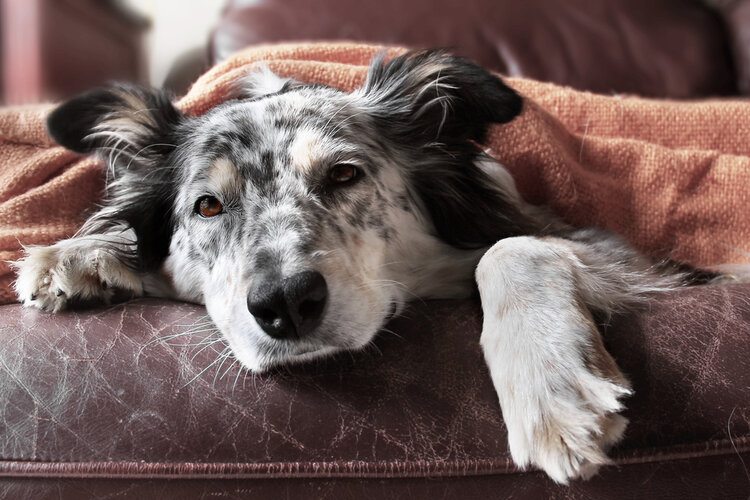
Bloating is one of the most common issues in larger dogs. While still a medical emergency, is bloat covered by pet insurance? The sad news is that most pet insurance companies only cover bloat and gastropexy with emergency or preventative care policies that are not included in their standard insurance packages.

What Is Bloat in Dogs?
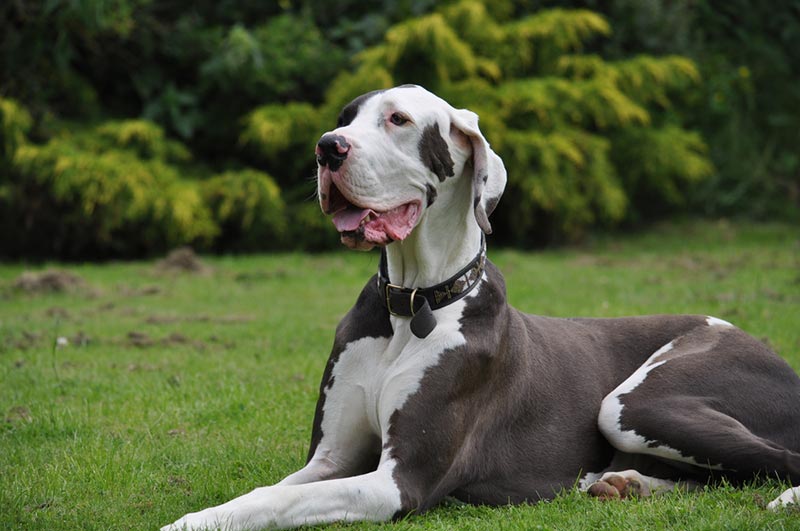
Bloat is a condition primarily affecting deep-chested, middle-aged, and larger dog breeds. While it is still possible for bloat to occur in any dog, it is most common in larger canines. Also called Gastric Dilatation and Volvulus (GDV), bloat is a life-threatening condition where your dog’s stomach overfills with fluid, food, or gas, which puts increasing pressure on your pet’s diaphragm and leads to respiratory issues. Because bloat causes the stomach to expand, the stomach will often twist and cut off blood supply to the organ, possibly rupturing and expediting the deterioration.
Although hereditary, bloat can also be caused by stress and your dog’s eating habits. If your dog is nervous or scarfing down its food, your pet is likely swallowing air. Also, bloat can be caused by your dog exercising too soon after they’ve eaten or if they are eating and drinking too fast. Possible signs of bloat include:
- Swollen stomach
- Restless behavior
- Vomiting
- Shallow breathing
- Drooling
- Pale nose, mouth, and gums
- Rapid heart rate
- Weakened pulse
If you notice your dog has a weakened pulse, rapid heart rate, or shallow breathing, you need to take them to the vet immediately.
The Treatment for Bloat
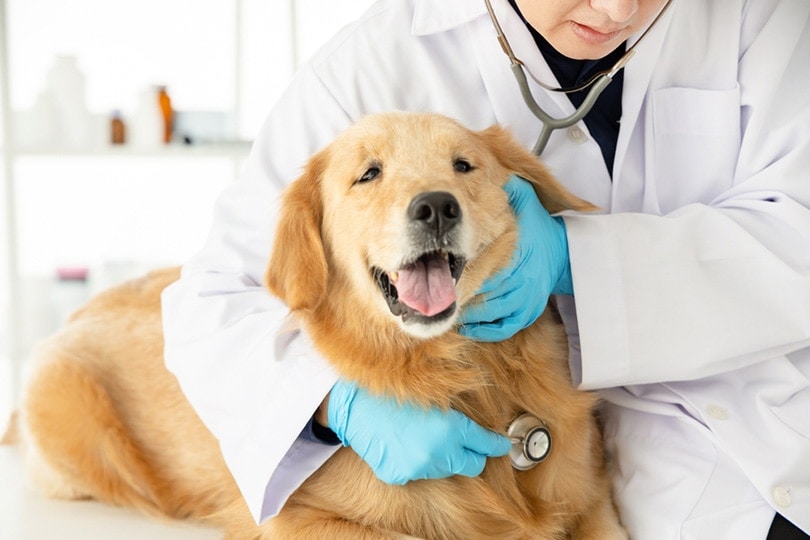
In most cases, the severity of the treatment needed for your dog depends on how far the bloat has progressed. Chances for survival are much greater if your dog receives veterinary care immediately: one to two hours after the bloat occurs maximum. Without treatment, GDV is fatal. Treatment for bloat usually involves preliminary exams, x-rays, anesthesia, surgery, and post-operative care.
Sometimes, even full hospitalization is necessary. Regardless of if you have pet insurance, or if it is covered by pet insurance, the price will vary from one plan and one veterinarian to another.
Gastropexy
Gastropexy is a surgical procedure where the veterinarian stitches part of the dog’s stomach to the abdominal wall, preventing twisting during any episodes of bloat. Sometimes this can be performed as a preventative measure, usually when getting your dog spayed or neutered, but it is also an emergency response in treating GDV symptoms.
Prophylactic Gastropexy: This is the preventative surgery to prevent GDV. Typically, it is only performed on high-risk breeds while they are still puppies—usually during the same surgery where they get spayed or neutered. Prophylactic gastropexy is considered preventative care and is typically only covered by pet insurance under additional preventative care policies and policy add-ons.
Gastric Dilatation and Volvulus: This situation is an emergency surgery performed when your dog experiences GDV and needs medical attention. The veterinarian will untwist your dog’s stomach and also perform standard gastropexy once the stomach has been restored to its normal position.
Although there is no fool-proof way to prevent your dog from experiencing bloat, there are various ways on top of a preventative gastropexy that can help decrease the possibility of it occurring.
Always ensure your dog has access to water and avoid feeding it solely dry kibble. Another good practice to work into your routine is to feed your dog many small meals throughout the day rather than two large meals and avoid exercise for at least 2 hours after they have eaten. Monitoring how quickly your dog eats their food, making sure they don’t stress during meal time, and limiting their exercise immediately after consumption are small changes, but they can help lessen the risk of bloat down the road.

What Is Covered by Pet Insurance?
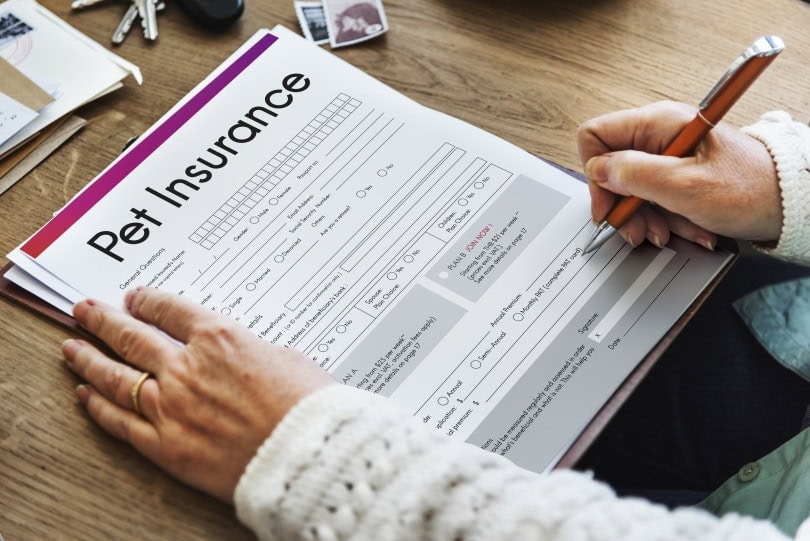
A basic pet insurance policy will provide coverage for medical treatments, care for surprise illnesses or emergencies, or care for an accidental injury. Most common pet insurance plans cover accidents and illnesses, and if your dog gets hit by a car or accidentally swallows a toy, it would be covered.
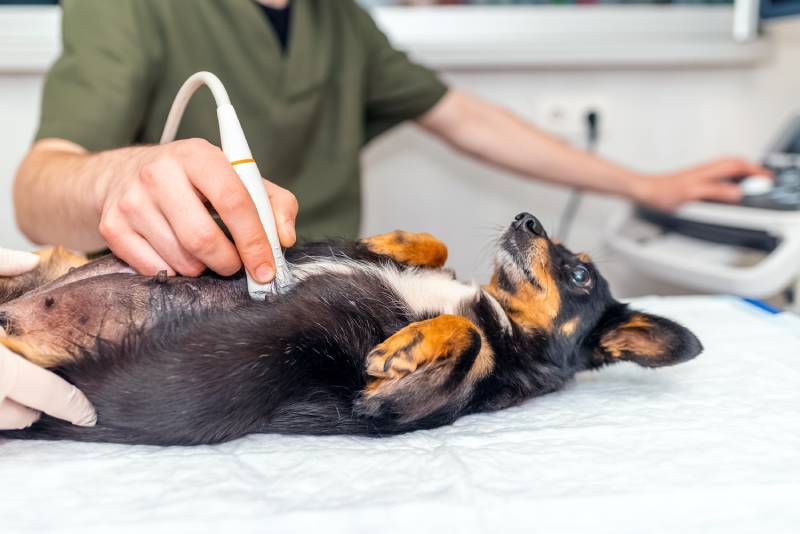
Most accident and illness plans cover the basics: surgery, x-rays, ultrasounds, emergency care, hospitalization, treatment for illnesses like cancer, or prescription medications. But even with these basics, the coverage can vary from plan to plan.
If you are looking for the best pet insurance plan that covers gastropexy or bloat, we recommend checking a few different companies to compare policies and find the one that best fits your needs. These are a few of the top-rated pet insurance companies to get you started:
Top Rated Pet Insurance Companies:

Pet Insurance Plans that Cover Bloat
The cost for bloat treatment can range anywhere from $1,500 to $7,500. Here are some companies that cover or include coverage options for bloat and gastropexy.
Embrace Pet Insurance: Embrace only covers bloat under their accident and illness policy if it is not a pre-existing condition unless your dog has been symptom-free for 12 months or more. If your dog is 15 years old or older, you can only use the accident-only policy (which also covers bloat) but not the illness policy. However, preventative care like gastropexy is only covered if you also have the Wellness Rewards program on top of an actual insurance policy.
Pets Best Pet Insurance: Pets Best covers bloat under an accident and illness policy, but the amount covered will depend on the limit you choose for your actual coverage policy. However, just like with Embrace, in order to have preventative care or a gastropexy as preventative care, you need a separate wellness plan.
Healthy Paws: Bloat is covered under the accident and illness policy. However, they offer no coverage on preventative care fees without a separate wellness plan.

Covered With Extra Add-ons
While the emergency treatment for bloat is covered by most accident and illness plans, preventative gastropexy is not covered unless additional wellness plans or add-ons are part of your pet insurance policy.
As with any pet insurance policy, you must pay your deductible and possibly even the copay prior to any coverage kicking in. If your dog has been seen for bloat in the past, especially as an older dog, you run the risk of it not being covered since it can be labeled as a pre-existing condition.
Conclusion
While bloat and gastropexy are covered under certain circumstances, getting insurance for your pet early in life and taking on the extra steps or expenses to add preventative care may be well worth it in the long run.
Sources
Featured Image Credit: Lindsay Helms, Shutterstock
Get Hepper In Your Inbox


Pet care tips from our vets and experts, straight to your inbox.
You may opt-out at any time. View our Privacy Policy for more information.
Samantha's passion is writing, and she has been a freelance writer since 2014. She has also worked on literary magazines and newspapers as an editor and as a writer. Samantha wrote full time while in school, and continues to do so as a full-time educator. She currently teaches Middle School English Language Arts and always encourages writing activities in her classrooms. If she is not writing about pets or grading papers, you can often find her reading or binge-watching another Netflix series and spending time with her cat, Raven.
Join the conversation
Ask a question, share your story, or send private feedback.