Hepper is reader-supported. When you buy via links on our site, we may earn an affiliate commission at no cost to you. Learn more.
11 Dog Breeds Prone to Bloat: Vet-Approved Info & Prevention Tips


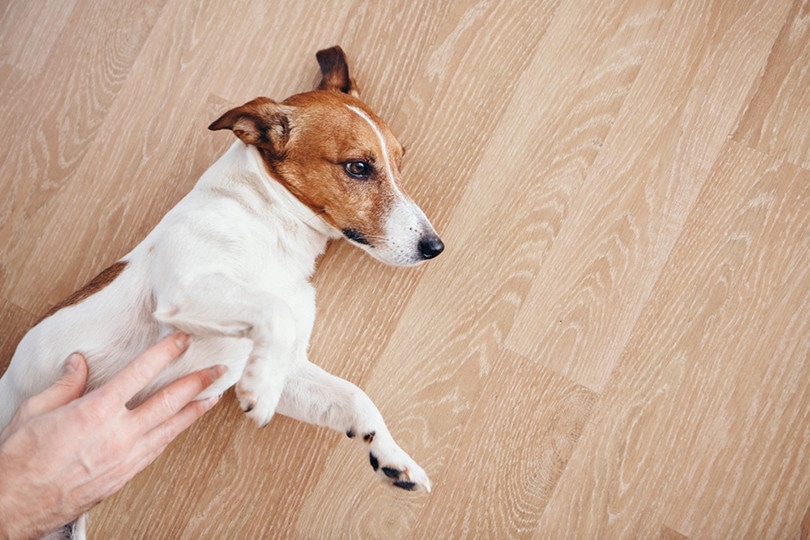
Bloat is a serious condition that occurs when food or gas causes a dog’s stomach to expand. This causes abdominal pain, and blood flow to the abdomen and stomach eventually gets cut off.
Bloat can be dangerous and fatal within 1–2 hours if left untreated. More severe cases of bloat are known as gastric dilation-volvulus (GDV).1 GDV occurs when a dog’s stomach is twisted and traps gas.
While bloat can occur in any dog, some breeds are more susceptible to it, such as larger dogs and deep-chested dogs. Here are some dog breeds that are at higher risk of getting bloat.

The 11 Dog Breeds Vulnerable to Bloat
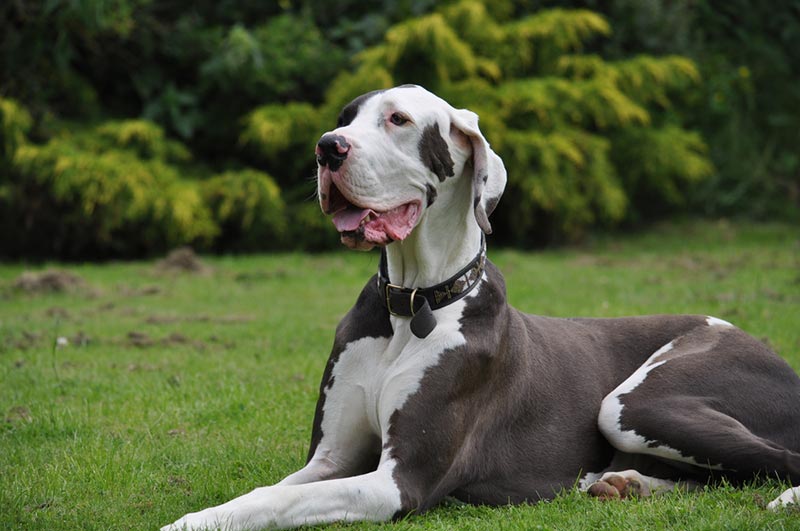
1. Great Dane
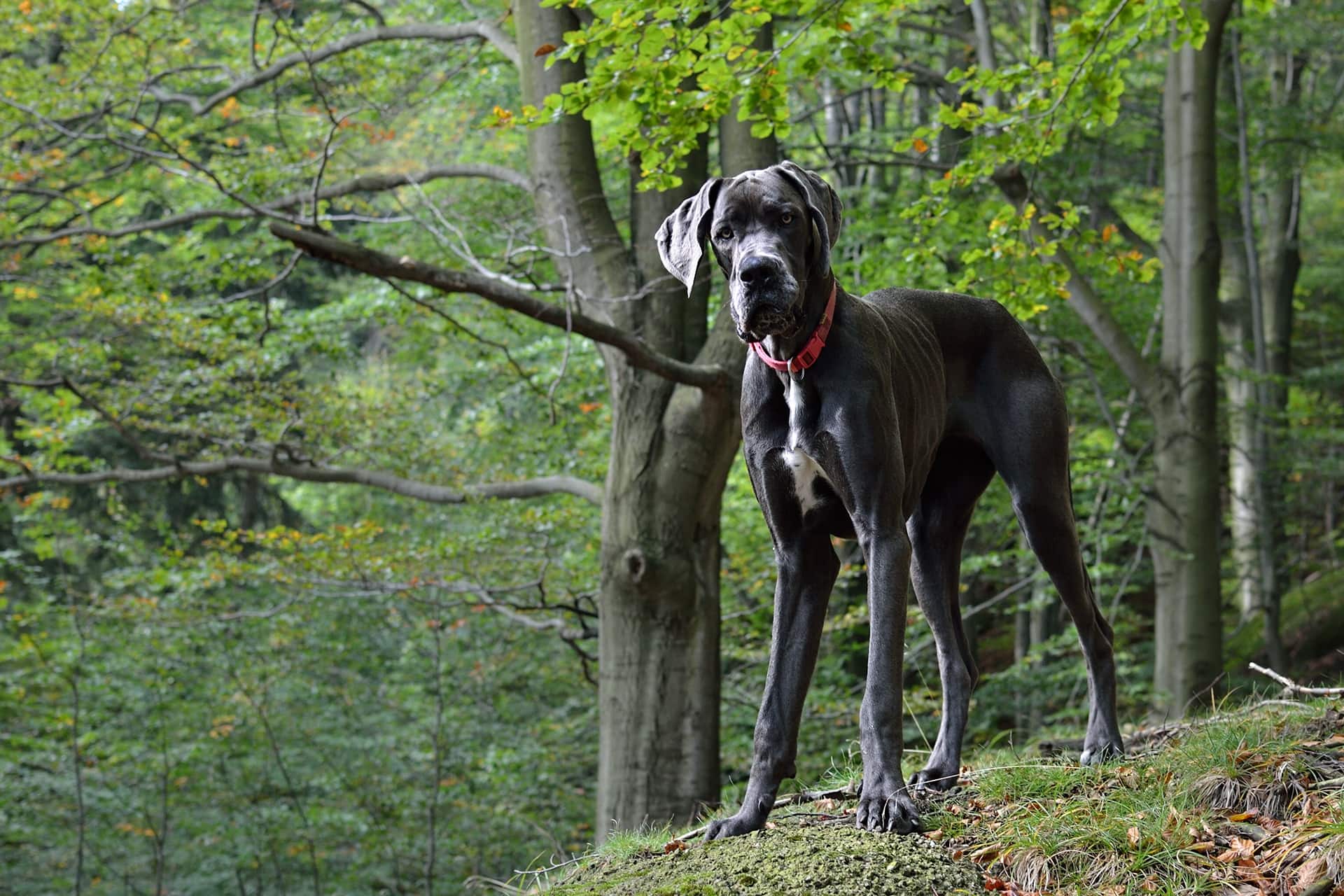
Great Danes are the lovable gentle giants of the dog community. Unfortunately, these dogs are known to have shorter lifespans and can become more susceptible to bloat as they age. The likelihood of a Great Dane experiencing bloat in its lifetime is 42.4%.2 Great Danes can develop a habit of eating or drinking too quickly, which can cause bloat. So, Great Danes can benefit from eating out of a slow feeder bowl.
2. Boxer
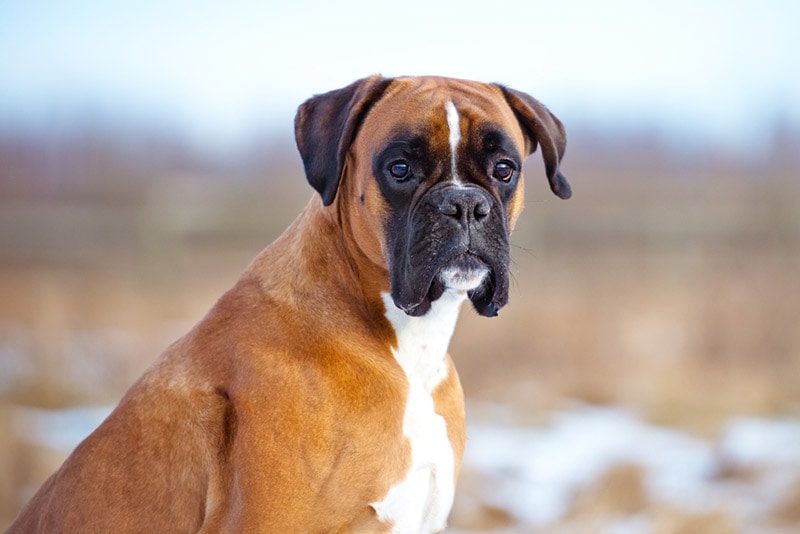
Boxers are adorable and playful dogs. They have a leaner build and deep chests, which make them prone to bloat. Some studies show that the timing of when a dog eats or drinks after exercising doesn’t affect bloat. However, there’s no harm in playing it extra safe.
With that being said, some veterinarians recommend waiting between 30–60 minutes after a dog eats before allowing it to exercise.3 Dogs should also wait the same amount of time after exercising before eating. This will prevent Boxers from gulping in too much air, which can lead to GDV.
3. Doberman Pinschers
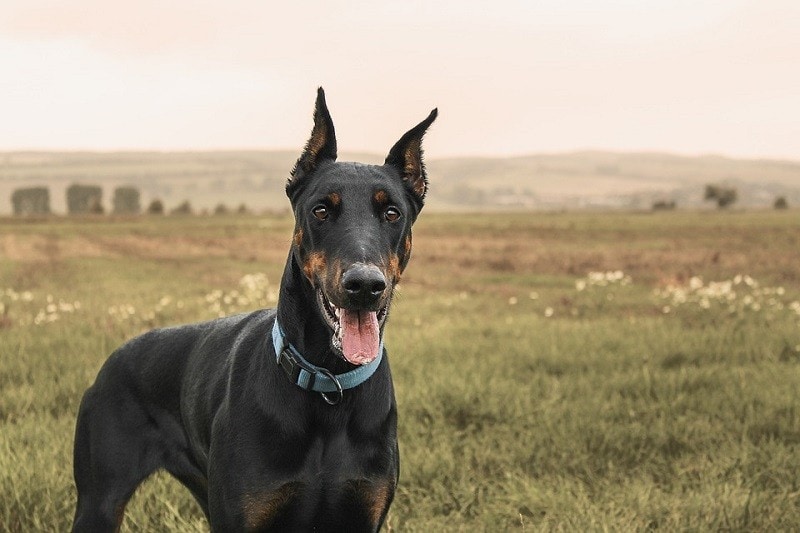
Due to their narrow build, Doberman Pinschers have a high chance of experiencing bloat. Their deep chests are a risk factor, and they’re also highly active dogs. Along with using a slow feeder, Doberman Pinschers may benefit from eating smaller portions of food several times a day rather than eating one or two large meals. This may prevent them from eating too quickly due to hunger and inhaling excess air while they eat.
4. German Shepherds
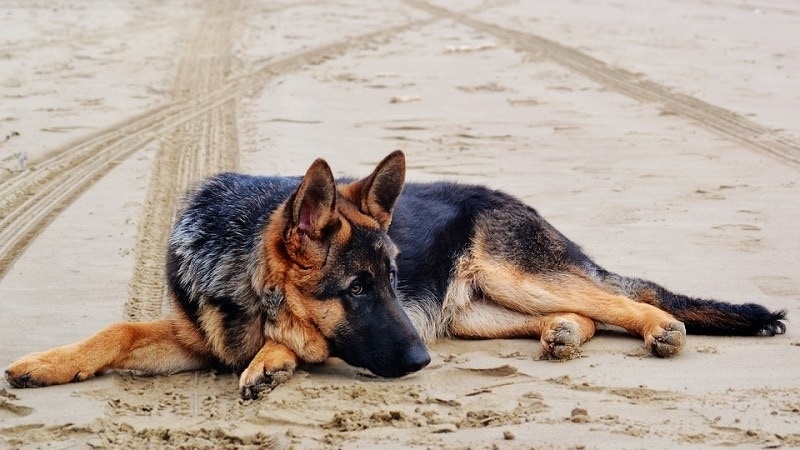
German Shepherds are extremely active dogs with high levels of endurance, and they’re also deep-chested dogs. Since they’re a popular working dog breed, they’re often used to perform tasks that require a lot of energy and stamina. So, it’s important to keep them well-hydrated throughout the day. Giving them plenty of access to water at all times may prevent them from gulping down too much water all at once, which may lower the risk of bloat or prevent it from occurring altogether.
5. Standard Poodle
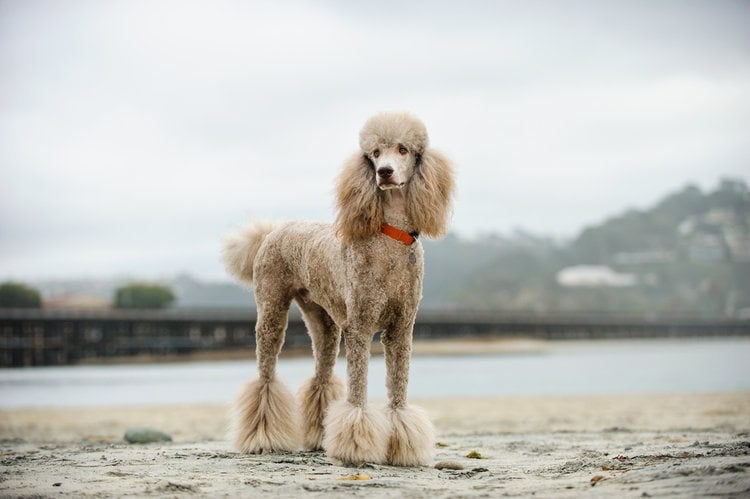
Standard Poodles are friendly and intelligent companion dogs. While all sizes of Poodles are relatively healthy, the larger Standard Poodles are prone to bloat. Bloat is comparatively quite rare for Miniature Poodles and Toy Poodles.
Standard Poodles may be known for their elegance, but they’re relatively active dogs that love to run around and play. So, their owners should be mindful of their feeding times and ensure that they’re not eating or drinking too quickly, especially after they’ve exercised.
6. Weimaraner
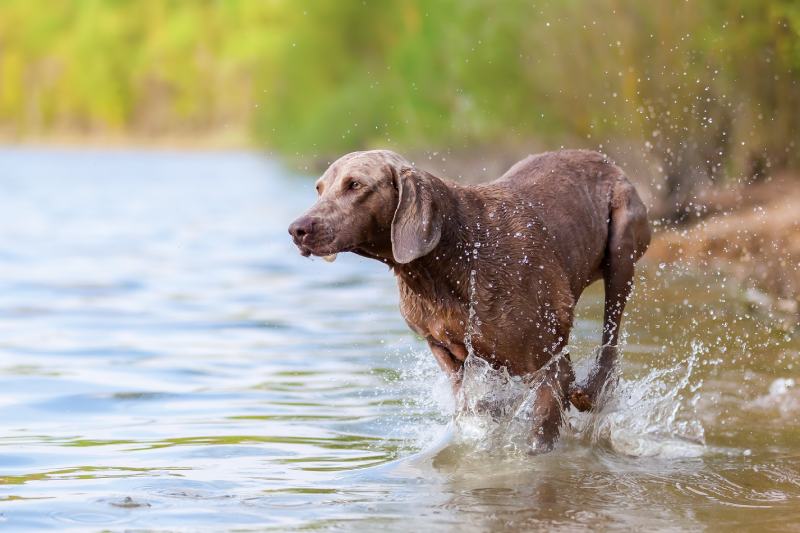
The Weimaraner is another deep-chested dog that’s prone to bloat. These dogs are known to be friendly and fearless, and they’re a preferred companion for hunters, hikers, and people who enjoy being outdoors.
Since they’re so active, it can be especially beneficial for them to eat smaller portions of food throughout the day to prevent them from getting too hungry and ending up scarfing down all their food.
7. Basset Hounds
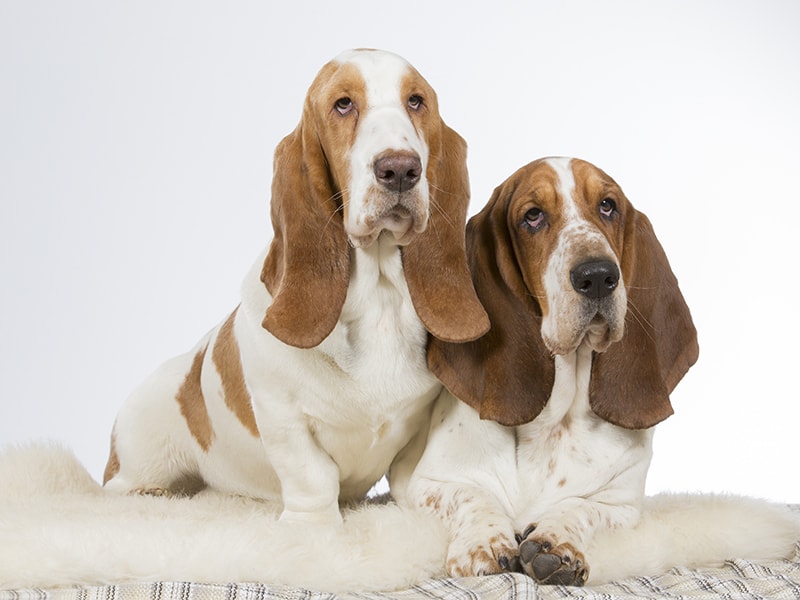
Basset Hounds are relatively low-energy dogs when they reach adulthood, but they’re prone to bloat due to being deep-chested. They don’t have a lean build and are more prone to becoming overweight or obese.
It’s important to note that leaner dogs seem to be more at risk of bloat because they have more room for their stomachs to move around in their abdomen. Overweight dogs tend to have more fat around their stomachs, so there’s less room for movement. However, it’s still important to monitor your Basset Hound’s weight and feed it high-quality food, as obesity in many species is linked to many other chronic diseases.
8. Irish Setter
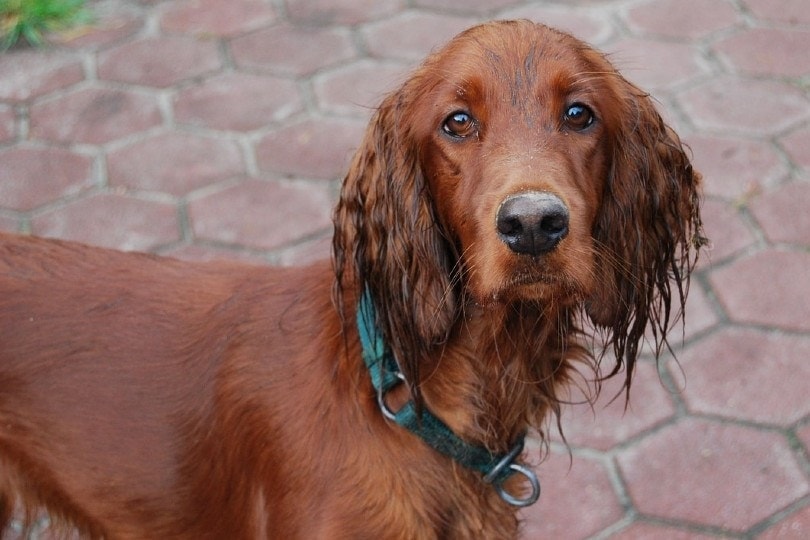
Irish Setters are known for their sweet and outgoing personalities. They often make wonderful family pets as they’re patient and fun playmates for children. These beautiful dogs are also deep-chested and more prone to getting bloat than other dog breeds.
Dogs that experience stress and anxiety are more likely to bloat. Since Irish Setters love being around people, being left alone or isolated from their families can make them feel significant stress. Along with developing separation anxiety and engaging in destructive behaviors, the stress from being alone for too long may put Irish Setters at higher risk of bloat.
9. Irish Wolfhound
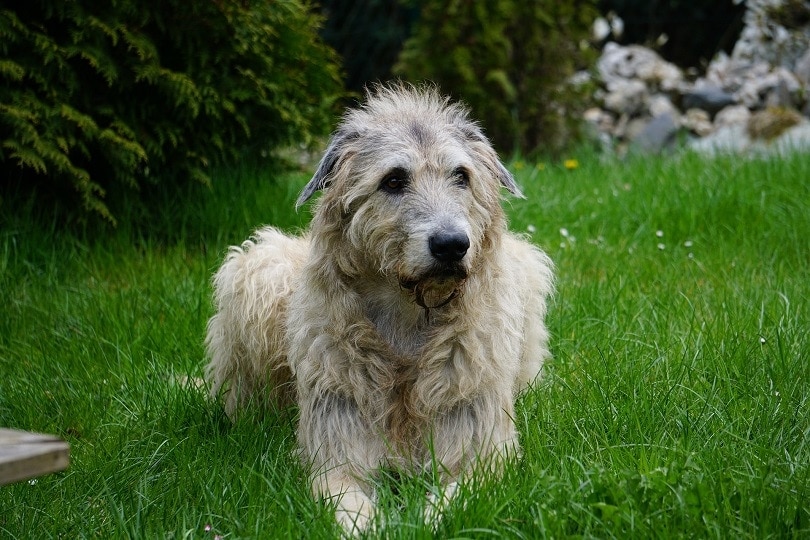
Once you get past their intimidating size, you’ll find that Irish Wolfhounds are some of the friendliest dogs. They’re family-oriented dogs that don’t do well being home alone for too long.
While they’re good-natured and relatively easy to train, Irish Wolfhounds aren’t recommended for first-time dog owners because of the challenges that come with their giant size and care needs. Irish Wolfhounds are prone to a few significant health problems as they age, including bloat, bone and joint issues, and heart disease.
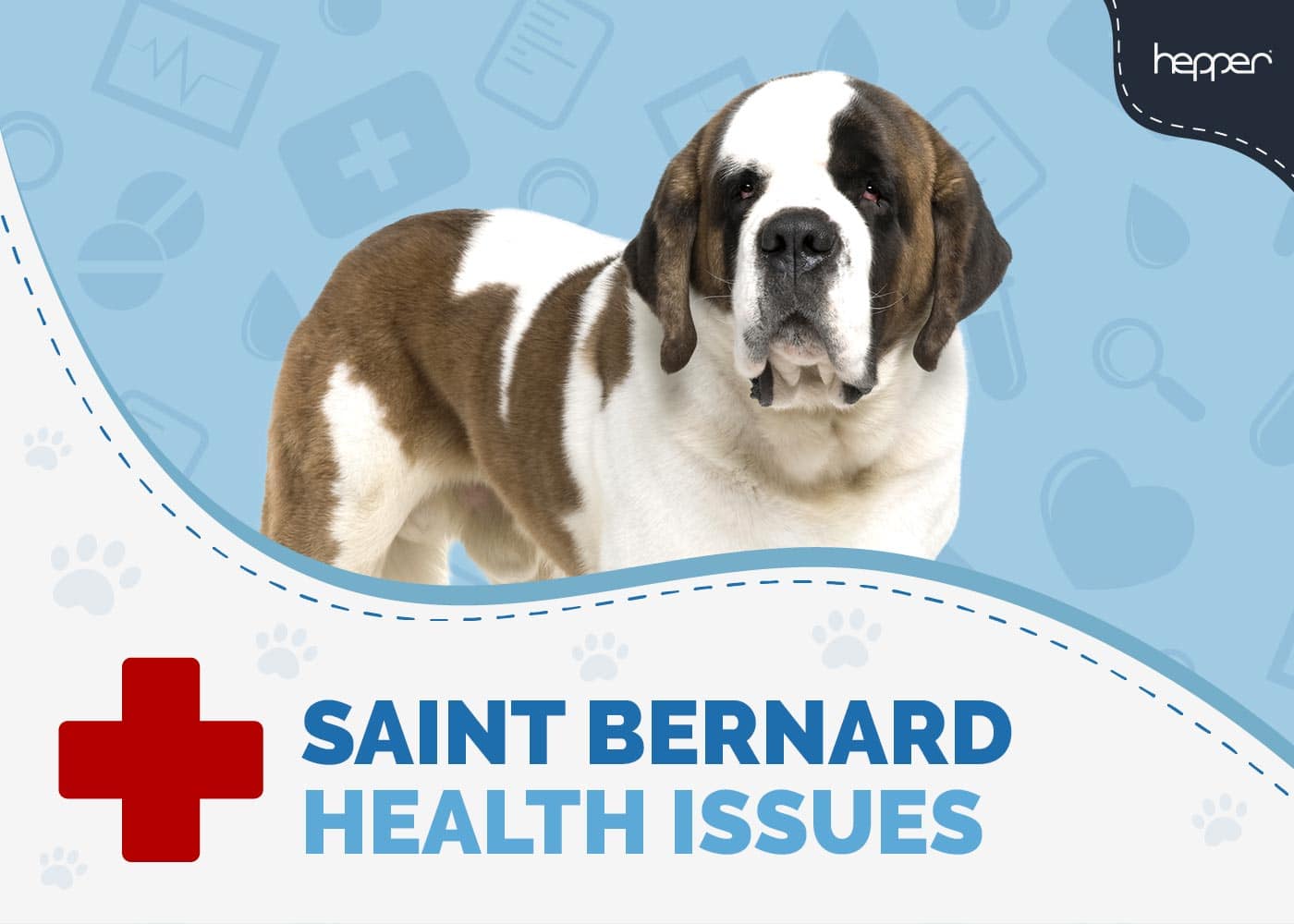
10. Saint Bernard
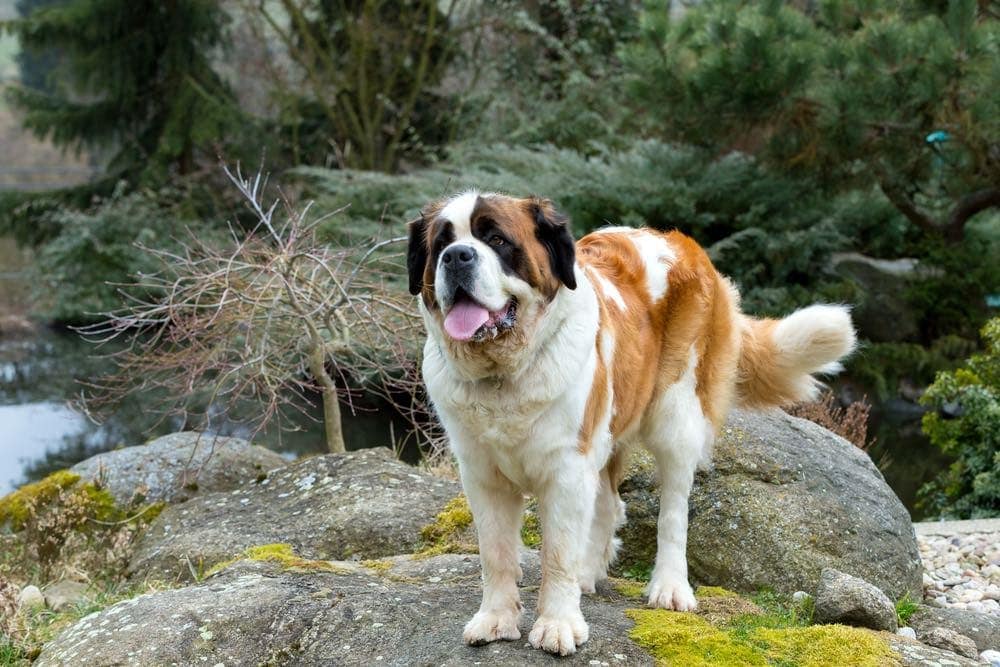
The Saint Bernard is another large dog breed that has a higher risk of experiencing bloat. They do have a lower average lifespan than other dog breeds, but they’re still relatively healthy.
Saint Bernards have a rich history of helping people and are most known for working as hospice and rescue dogs at the Hospice of St. Bernard in Switzerland. The Saint Bernards of today still have a calm demeanor and are known to be good-natured, hardworking dogs.
11. Akita
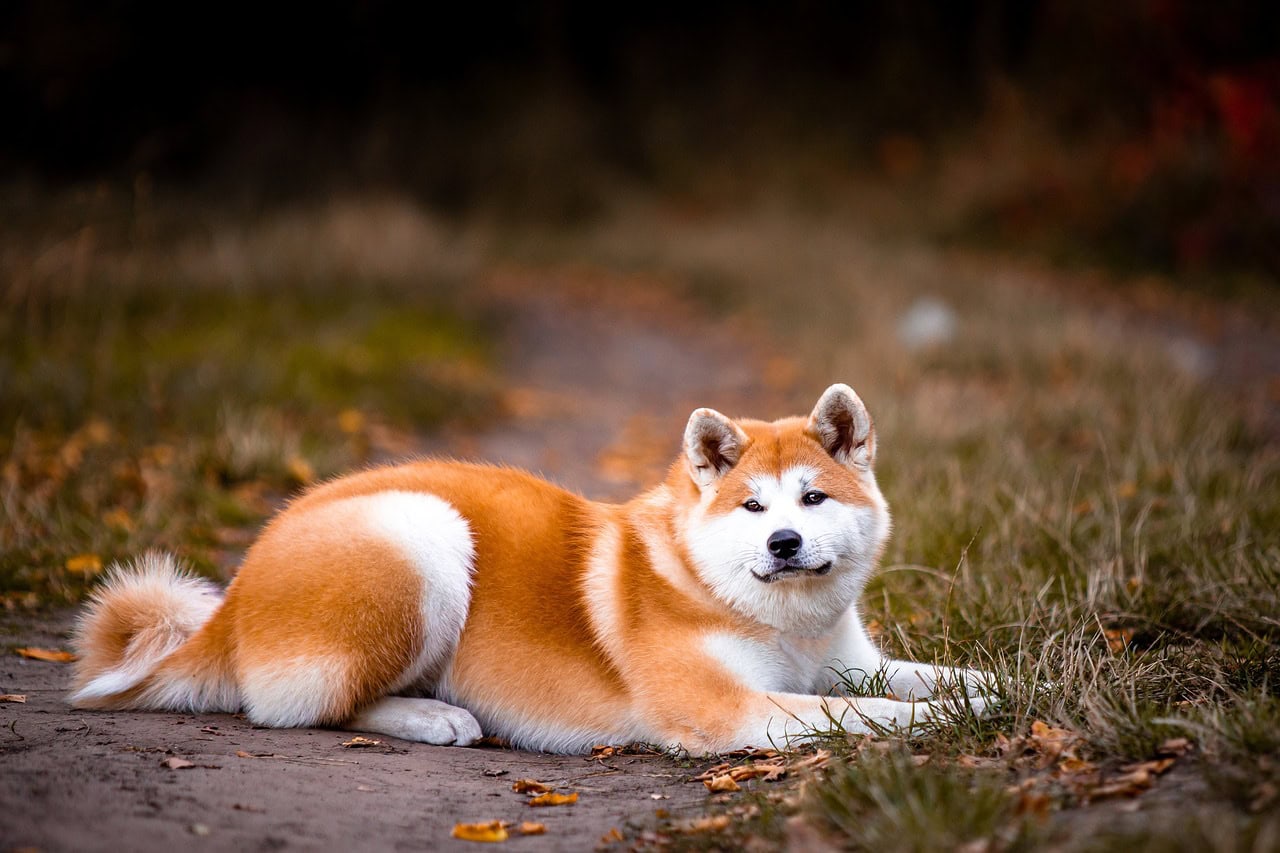
Akitas are strong and independent dogs. While it takes time to earn their trust, they become deeply devoted and loyal to their families. They’re usually aloof with strangers and have good protective instincts that make them excellent watchdogs.
Unfortunately, the Akita is a breed that’s at higher risk of getting bloat. Since they’re highly active dogs, they often benefit from a high-protein diet. When shopping for dry dog food, try to look for recipes that don’t list a type of fat, like chicken fat or canola oil, within the first four ingredients. High-fat dry dog food seems to cause more cases of bloat.
Conclusion
If you have a dog breed that’s at higher risk of bloat, make sure to do your best to incorporate preventative measures into your dog’s routine. Feeding your dog high-quality meals in smaller portions throughout the day can reduce bloat. Slowing down your dog’s eating can also help prevent inhaling excessive air.
It’s unclear as to what exactly causes bloat, but you can still take preventative measures to protect your dog. Making these small changes can make a big difference and lower the risk of bloat for your dog.
Featured Image Credit: Tursk Aleksandra, Shutterstock
Get Hepper In Your Inbox


Pet care tips from our vets and experts, straight to your inbox.
You may opt-out at any time. View our Privacy Policy for more information.
Jessica is a freelance writer who spends most of her day reading and writing while her fluffy Cavapoo, Nora, naps beside her. She loves and appreciates pets and animals because there’s so much to learn from them, and they do so much for people. As a dog mom, she understands the special relationship that pet parents have with their pets. So, she loves sharing helpful information that people can use to better understand their pets. When she’s not writing, you can find her walking dogs, tending to her plant babies, or drinking her nth cup of coffee.
Join the conversation
Ask a question, share your story, or send private feedback.