Hepper is reader-supported. When you buy via links on our site, we may earn an affiliate commission at no cost to you. Learn more.
How to Prevent Bloat in Great Danes: 7 Vet-Reviewed Tips and Recommendations


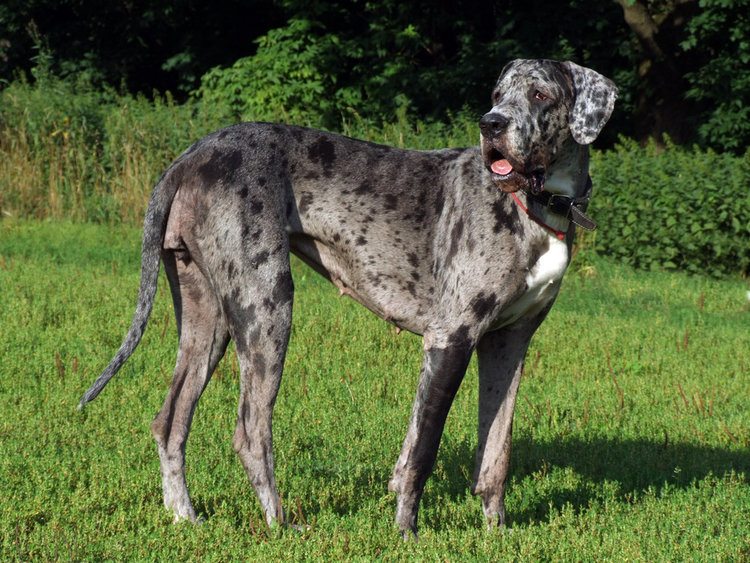
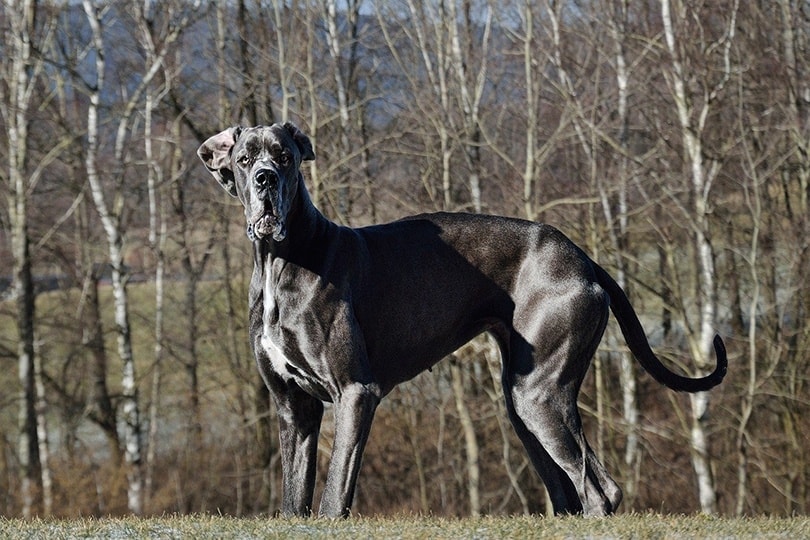
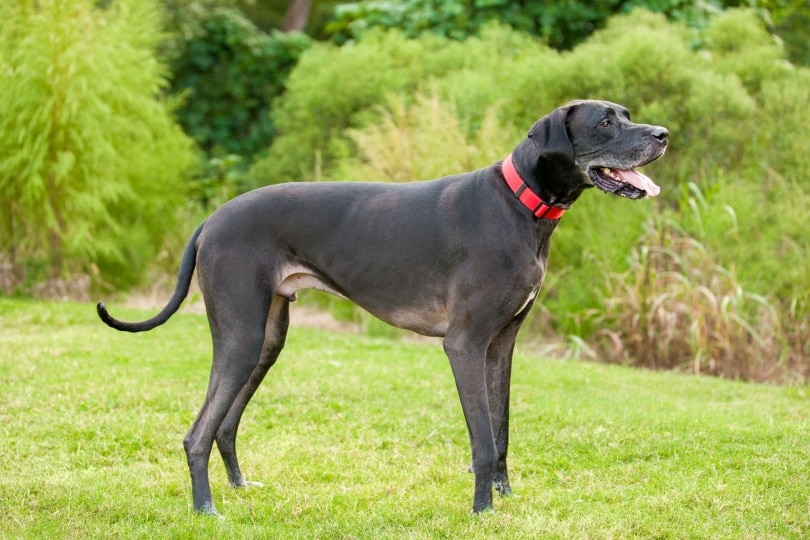
Great Danes are famous for their size and gentle nature, but there are a few unfortunate side effects of being so big.
Dogs with narrow and deep chests, like the Great Dane, are prone to bloat, a disease that can be quite deadly if left untreated (and sometimes even when does get treated). It’s also called gastric dilatation and volvulus (GDV).
The most important thing that you can do for your Great Dane is to apply preventative methods to make bloat less likely. Here, we cover seven tips for you to use with your Dane, which should hopefully help prevent this awful issue from occurring in the first place.

The Top 7 Tips on Preventing GDV in Great Danes
1. Small and more frequent meals
One thing that can lead to bloat is a dog eating large meals once a day. In fact, dogs that are only fed one meal a day are twice as likely to develop bloat than those eating two meals a day.
It’s recommended that you feed your Dane several smaller meals spread out over the course of the day. The amount that you feed your dog would be the same, just in smaller amounts — no fewer than two to three meals per day.
2. Slowing down their eating
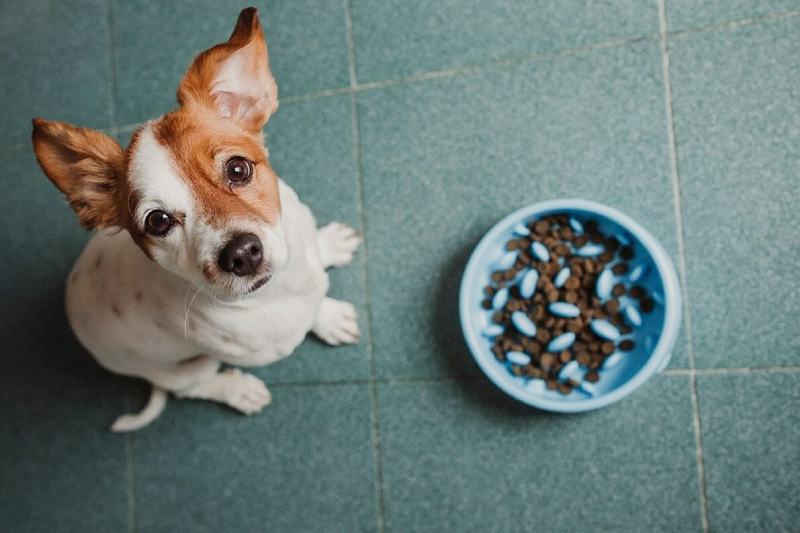
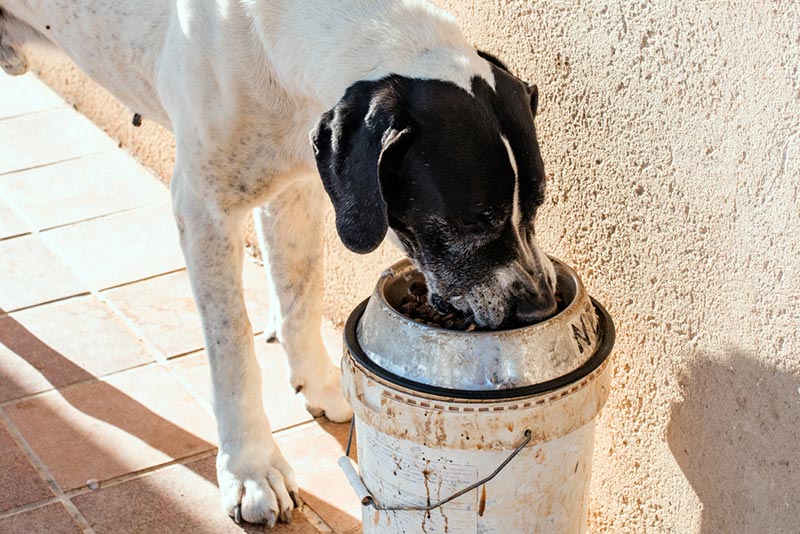
If your Great Dane tends to scarf down their food, you might need to invest in a slow feeder bowl. Dogs that gobble up their food too fast are more likely to encounter bloat, so you need to find ways to slow them down.
You can try placing balls or toys in your Dane’s regular bowl — as long as they aren’t so small that they get eaten up too! Another option is to use muffin or Bundt pans. Speak to your vet if these tips don't seem to work.
3. No major activity after meals
After your Dane has had a meal, don’t take them out immediately for a walk or engage in active playtime. Wait at least 1 hour after your dog has eaten before exercising them.
4. Water is always available
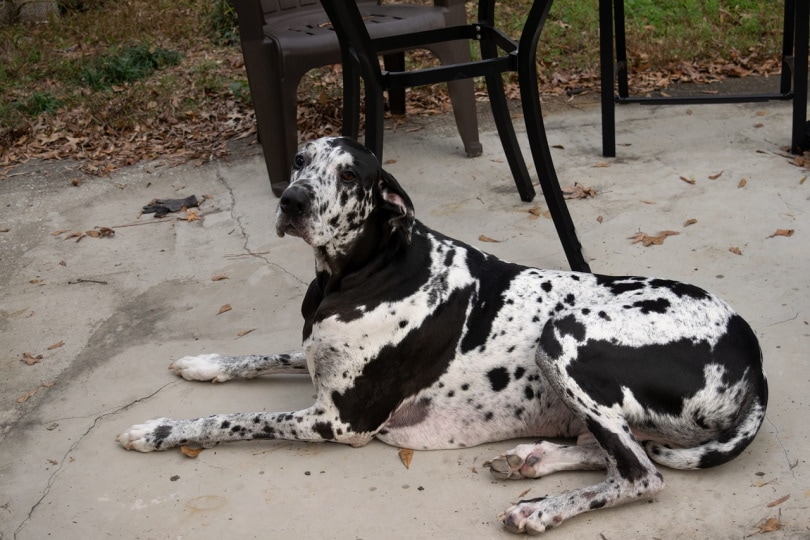
A potential cause of bloat is when a dog drinks too much water all at once. The best way to remedy this is to always have water available. This will prevent your Dane from guzzling too much water at one time, which can cause them to swallow a large amount of air in addition to the water, which can lead to bloat.
If your Dane tends to gulp down water, even if it’s always available, try putting smaller bowls of water in different locations around the house.
5. High-quality diet
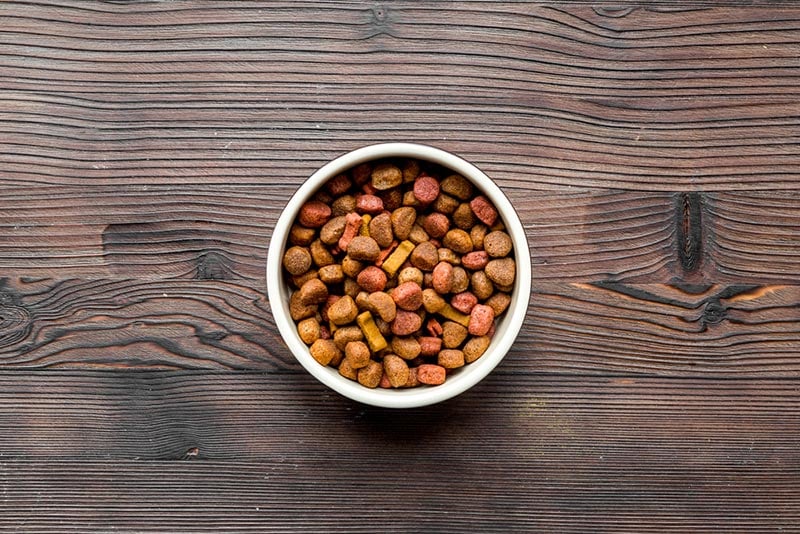
A correlation has been found between bloat and dry dog food that lists fat within the first four ingredients. This kind of food is high in fat, which is known to cause bloat.
Make a point of becoming familiar with the ingredients in your dog’s food. Speak to your vet for any advice on what the right food is for your Dane.
6. Avoid stress
This is considered one of the most significant issues that can lead to bloat. Dogs that experience a large amount of anxiety and stress are more prone to the condition. It can be from eating meals around other dogs, but even stress from thunderstorms or fireworks can cause bloat.
Keeping your Dane happy and as stress-free as possible is essential to preventing bloat. Anxiety-ridden and unhappy dogs are twice as likely to develop it than well-adjusted and happy dogs.
If your Dane is on the anxious side, speak to your vet and consider working with an animal behaviorist. There are a few steps that you can take to reduce stress for your dog, especially if it’s something like thunder or visiting a vet. It will take time and patience, but it’s obviously worth it.
7. Surgery
Some dog owners resort to surgery to prevent bloat from ever occurring. The preventative surgery is called gastropexy, which consists of tacking or stitching the stomach to the right side of the abdominal cavity. This prevents the stomach from twisting.
Gastropexy is typically used on dogs that are susceptible to bloat or got it and recovered from it in order to prevent it from occurring again.
Discuss with your vet whether your Dane is a good candidate for this surgery.

What Exactly Is Bloat?
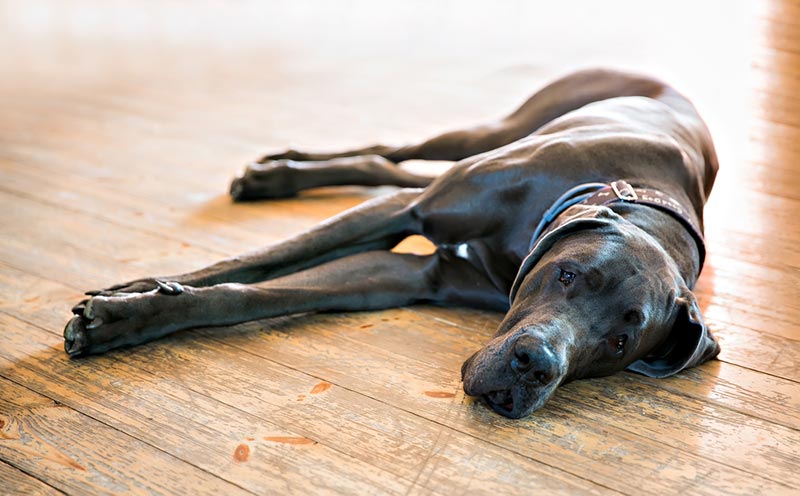
Bloat is when the dog’s stomach becomes bloated with gas, liquid, or food. The stomach distends or expands cutting off the blood flow to the stomach and abdomen.
Without treatment, it will eventually kill off the stomach wall and other organs. It can also place pressure on the diaphragm, which can cause the dog to have difficulty breathing.
When bloat becomes more advanced, the stomach will twist and fill with gas, which is GDV. It can cut off blood flow to not only the stomach but also the lower half of the body, and the stomach can rupture. GDV is capable of causing death in just a few hours.
What Are the Symptoms of Bloat?
Bloat and GDV are exceptionally uncomfortable and painful, and the following are a few of the more common symptoms:
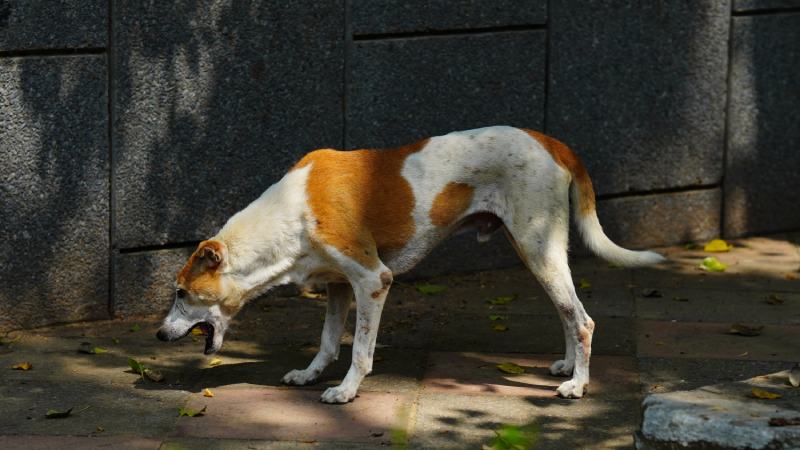
- Retching and dry heaving: sometimes they will vomit up white foamy mucus
- Unsettled behavior: pacing, anxiety, unable to get comfortable
- Distended or swollen abdomen in later stages
- Looking at and being defensive of their belly
- Sitting in a position where the upper half of the body is down and the rear end is up
- Drooling and panting
- Racing heartbeat
- Pale gums
- Collapse
The moment that you suspect that your dog might have bloat, this is an emergency situation, and they should be taken to your vet or an emergency clinic immediately!
What Are the Other Risk Factors for Bloat?
Besides a dog having a deep and narrow chest, there are other risk factors for bloat.
- Male dogs
- Older dogs over the age of 7
- Large and giant breed dogs
- Having a parent who had bloat
- Underweight dogs
Here are the main risk factors for susceptible dogs:
How Is Bloat Treated?
If the dog is found to be in the early stages of bloat, they are typically hospitalized and given IV fluids and medicine, to help stabilize them and empty the stomach. Some dogs are also given frequent walks, which can help promote bowel movement.
The vet might recommend treatment at home if the dog has mild bloat. This usually entails withholding food for 12 to 24 hours, limiting their water, and taking them out for frequent walks.
If the bloat has progressed to GDV, the dog will require decompression of the gas by the use of a feeding tube or a puncture; followed by surgery to untwist the stomach. During the surgery, the vet may perform the gastropexy procedure to help prevent future episodes of bloat.
Conclusion
Bloat isn’t always a death sentence, but the sooner you take your Dane to the vet in the early stages, the better the prognosis. Unfortunately, 39% of Great Danes will develop bloat in their lifetime, so following these tips to prevent bloat is vital for Dane owners!
Also, speak to your vet about this issue. They can recommend a course of action to help your Great Dane live a long and healthy life.
Sources
Featured Image Credit: Emma Forsyth 88, Shutterstock
Get Hepper In Your Inbox


Pet care tips from our vets and experts, straight to your inbox.
You may opt-out at any time. View our Privacy Policy for more information.
Kathryn was a librarian in a previous lifetime and is currently a writer about all things animals. When she was a child, she hoped to work in zoos or with wildlife in some way, thanks to her strong love for animals. Unfortunately, she's not strong in the sciences, so she fills her days with researching and writing about all kinds of animals and spends time playing with her adorable but terribly mischievous tabby cat, Bella. Kathryn is hoping to add to her family in the near future – maybe another cat and a dog.
Join the conversation
Ask a question, share your story, or send private feedback.