Hepper is reader-supported. When you buy via links on our site, we may earn an affiliate commission at no cost to you. Learn more.
Why Does My Dog Have Diarrhea After Returning From Boarding: 4 Reasons (Vet Answer)
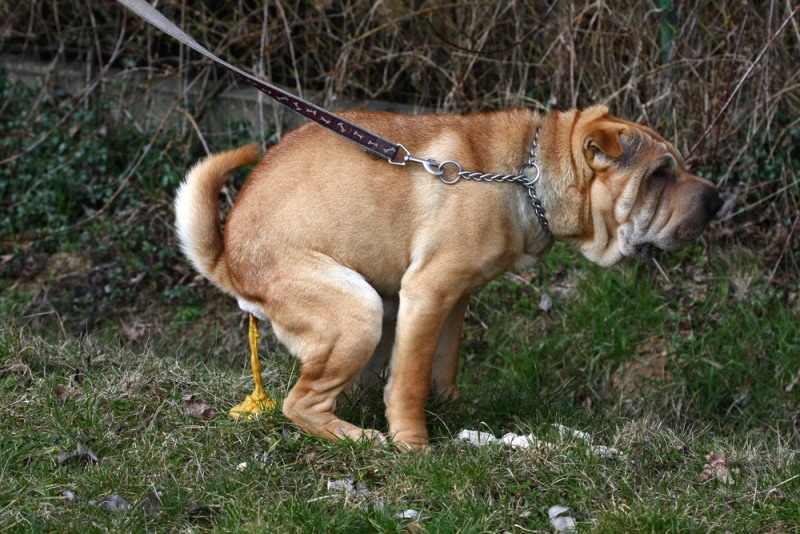
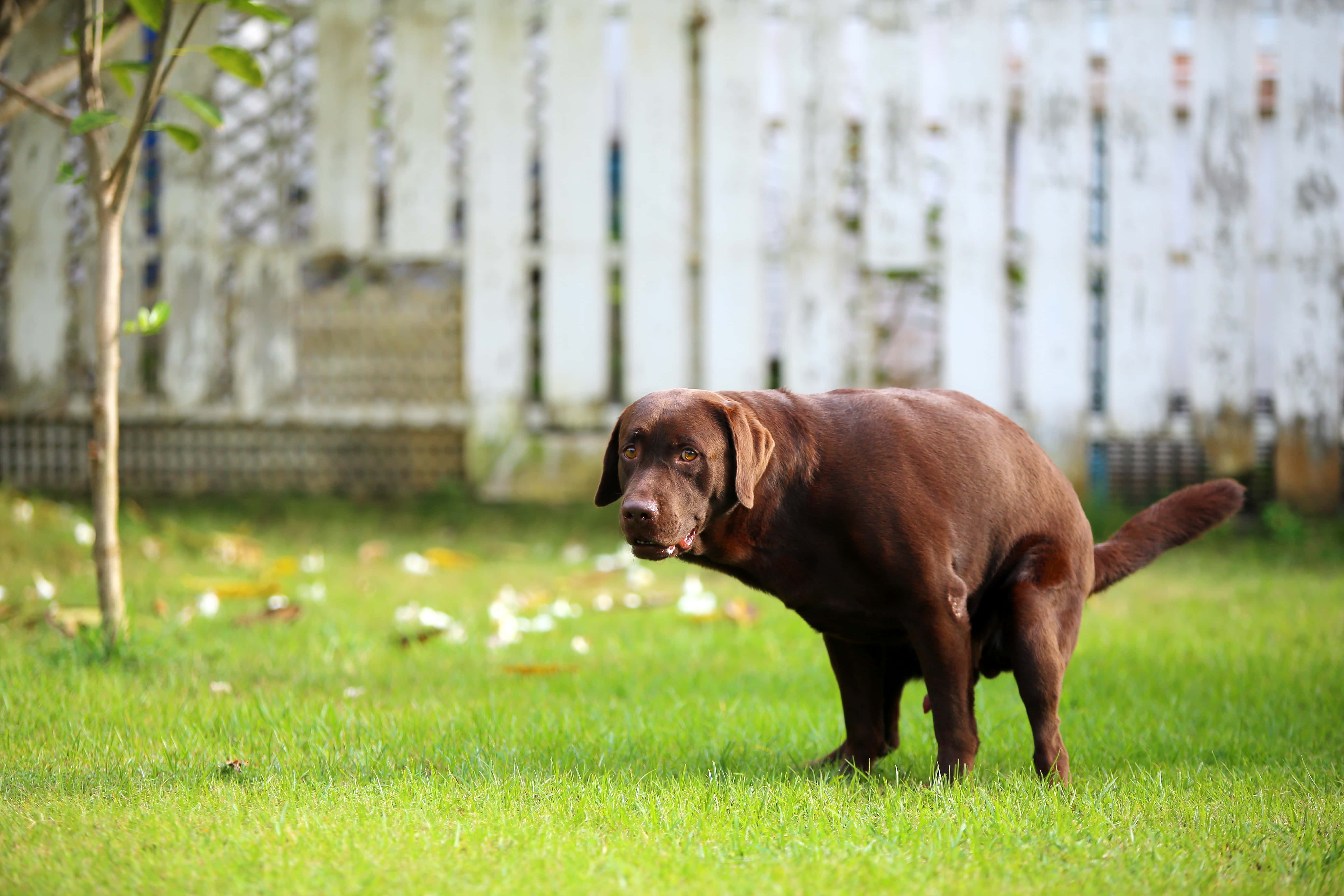
It’s not uncommon that after getting home from boarding, your dog may start to have diarrhea. You may have even gotten a call while your dog was still there that they had developed soft stool. There are many reasons this may happen with your dog, and in this article, we’ll discuss four reasons why your dog may develop diarrhea after boarding and what you should do if this occurs.

The 4 Reasons Dogs Have Diarrhea After Boarding
1. Stress
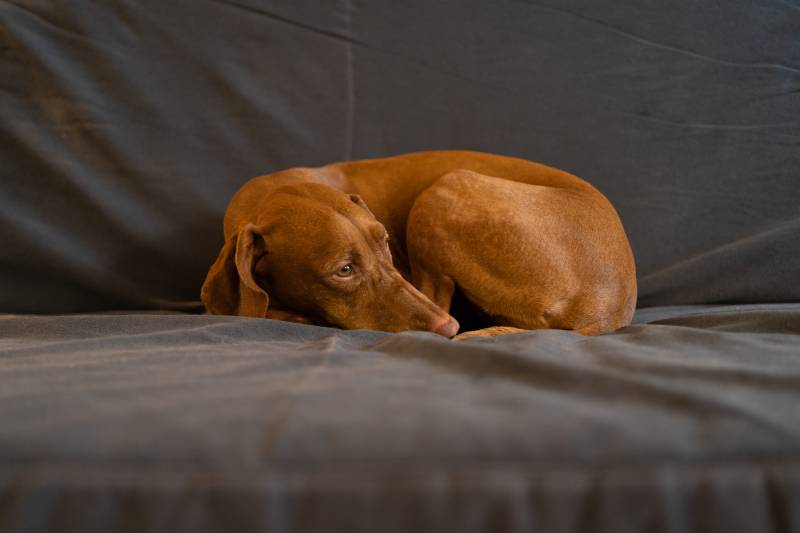
Some dogs just do not do well outside of their normal home environment. Even if your dog is typically pretty relaxed at home, boarding is an entirely different ball game. There are different smells, different sounds, and completely new surroundings. Some dogs will get diarrhea just from stress and anxiety. This is referred to as stress colitis. This is especially common in dogs that have never been kennel trained, and then all of a sudden are kept in a cage while boarding. Even if they have outside playtime at the boarding facility, the majority of the time they will be kept in some type of kennel or cage. If your dog is prone to generalized, cage, and/or separation anxiety, boarding may not be the best option for your furry friend.
2. Infectious Disease
Multiple infectious agents can affect your dog while boarding, causing diarrhea. Reputable places will require all boarded animals to be up to date on vaccines and have a recent negative fecal exam in addition to being on regular preventative. All of these precautions will help to greatly reduce the risk of infectious disease affecting your dog while boarding. Still, there is always a risk. If your dog develops diarrhea during and/or after boarding, speak to your veterinarian about testing for these common infectious agents, depending on the risk of your dog contracting them: Giardia, Coccidia, intestinal parasites, Parvovirus.
3. Food Sensitivities
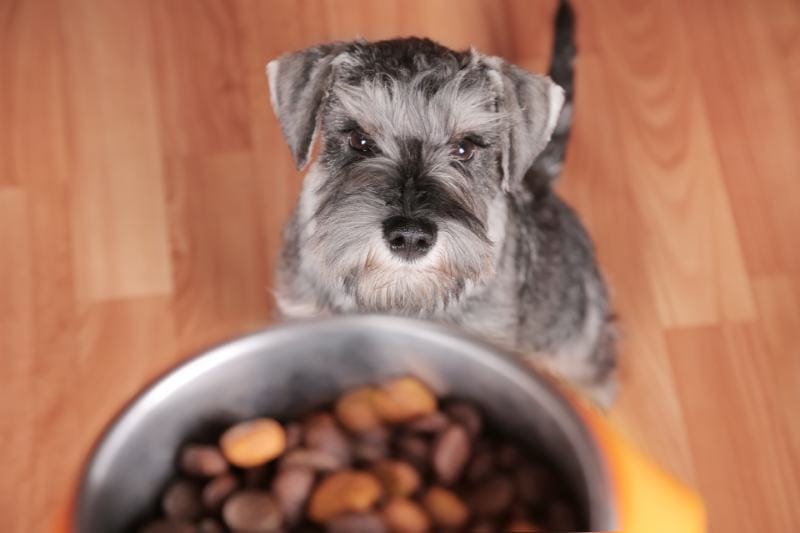
In combination with stress and a new environment, new foods can wreak havoc on your dog’s intestinal tract. Some boarding facilities will give new treats, give food in toys, or give your dog’s medications in foods such as peanut butter or soft chewy snacks. If your dog is not typically given these things, they can all cause diarrhea. If your dog has known or unknown dietary allergies or sensitivities, eating anything outside of their regular diet could also upset their stomach causing vomiting and/or diarrhea. Most boarding facilities will have you provide your own food and treats for your dog to decrease the chance of any dietary diarrhea. If your dog receives daily medications, make sure to also provide the boarding facility with something to give your dog their medication in.
4. Existing and/or Underlying GI Disease
If your dog already has GI disease such as dietary allergies, IBD (Inflammatory Bowel Disease), chronic pancreatitis, intestinal lymphoma, etc., then any change to their routine may cause diarrhea. Dogs with chronic and pre-existing disease likely have a weakened immune system. Put your dog into a boarding situation with all of the other above factors present, and this is a perfect storm for them to develop a bout of diarrhea. In addition, make sure that the facility you are keeping your dog in continues to give them any regular medications. Even one dose of missed medications in some dogs may cause an onset of worsening signs.
Treatment Options
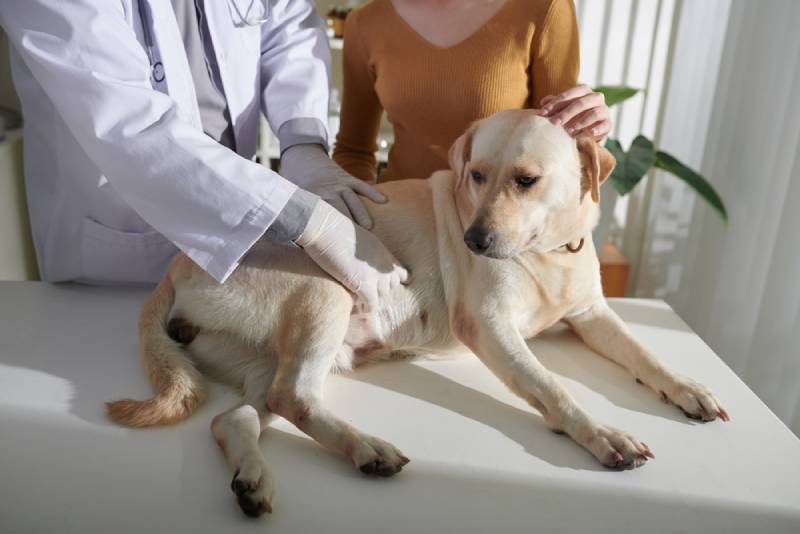
If your dog has diarrhea after getting home, but is otherwise eating and acting normally, you may not need to do anything. Mild bouts of stress colitis or diarrhea from dietary sensitivities may resolve on its own. If the diarrhea persists for more than 48 hours and either does not improve, or is worsening, contact your regular veterinarian. They may just send medications home with you, or they may want to examine your dog. If your dog is lethargic, anorexic, vomiting, or otherwise doing poorly once getting home, do not wait, and take them to your nearest urgent care or emergency veterinarian. Pending the cause – whether it’s infectious, stress, or secondary to other disease – will completely determine if your dog will need medications and what kind.

Conclusion
There are many different reasons why your dog can develop diarrhea following boarding. From simple stress colitis to new foods that they may have been given, or existing gastrointestinal disease that worsens or presents itself while boarding. Depending on the boarding facility, if your dog was in contact with other dogs during play time, they may also be at risk for developing infectious causes of diarrhea. Always contact your veterinarian if your dog is also vomiting, anorexic, lethargic, or not improving or even worsening over the first 1–2 days after getting home. If your dog is otherwise doing well, the diarrhea may resolve on its own once they are home and back to their normal routine. However, a call to your veterinarian is never a wrong decision.
Sources
Featured Image Credit: Istvan Csak, Shutterstock
Get Hepper In Your Inbox


Pet care tips from our vets and experts, straight to your inbox.
You may opt-out at any time. View our Privacy Policy for more information.
Dr. Podlecki is a graduate of The Ohio State University College of Veterinary Medicine with more than 12 years of experience working with small animals in the US. Dr. Podlecki spent 10 years working almost exclusively in emergency and specialty medicine before transitioning to relief in general practice and the ER. She also owns her own veterinary consulting company (renewvetconsulting.com) that helps vet hospital improve their internal culture.
For as long as she can remember, Dr. Podlecki always wanted to be a veterinarian. It is her passion and she lives to help animals. She also owns her own consulting company (renewvetconsulting.com) which focuses on helping veterinary hospitals prioritize their staff to promote a healthier internal culture.
Education
Dr. Podlecki graduated from The Ohio State University College of Veterinary Medicine.
Experience
Dr. Podlecki has over 12 years of experience working in the USA with small animals. For more than 10 years, she worked almost exclusively in emergency and specialty medicine, before transitioning to relief in both general practice and ER.
Join the conversation
Ask a question, share your story, or send private feedback.