Hepper is reader-supported. When you buy via links on our site, we may earn an affiliate commission at no cost to you. Learn more.
Why Is My Dog’s Poop Watery? 9 Possible Reasons & What to Do


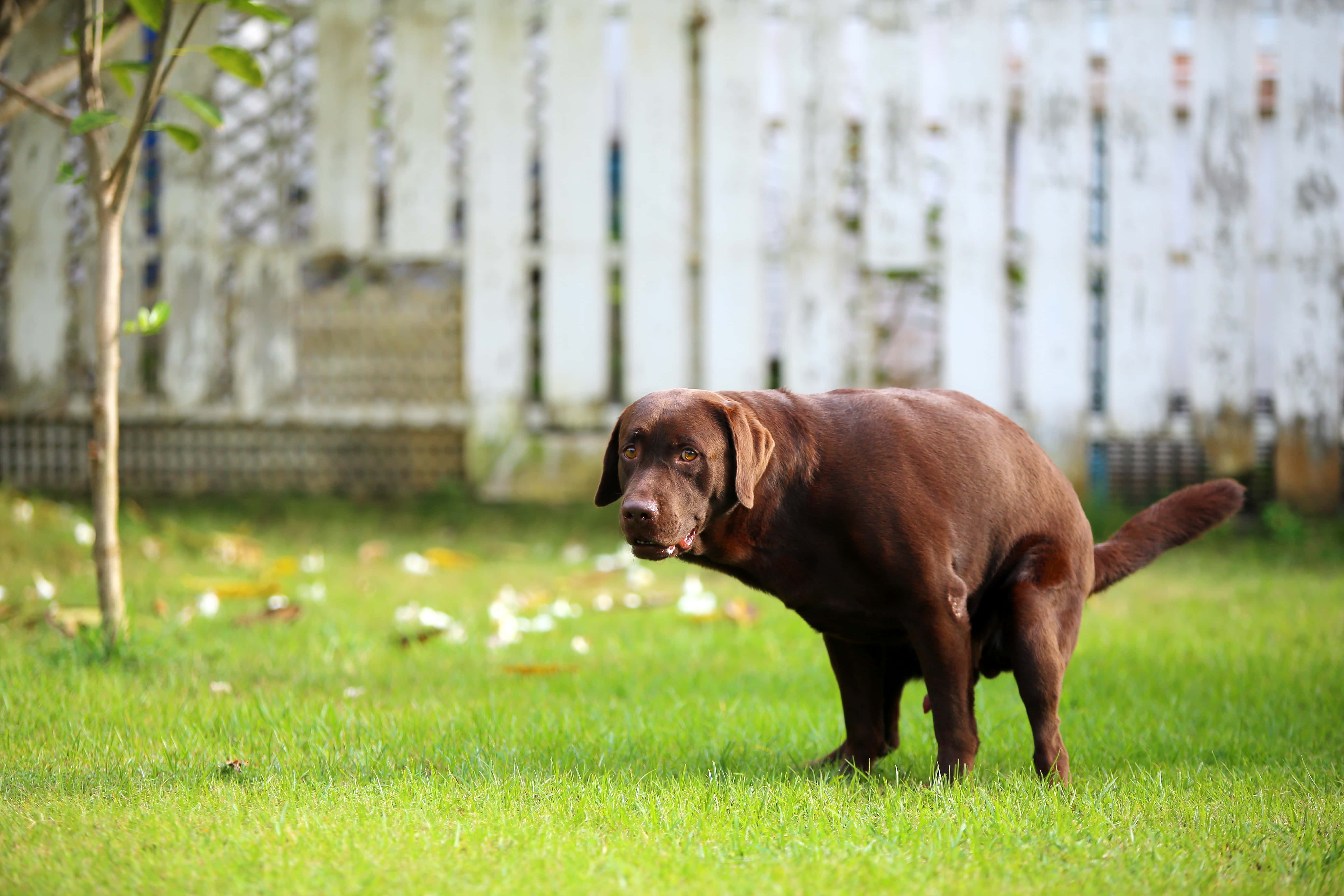
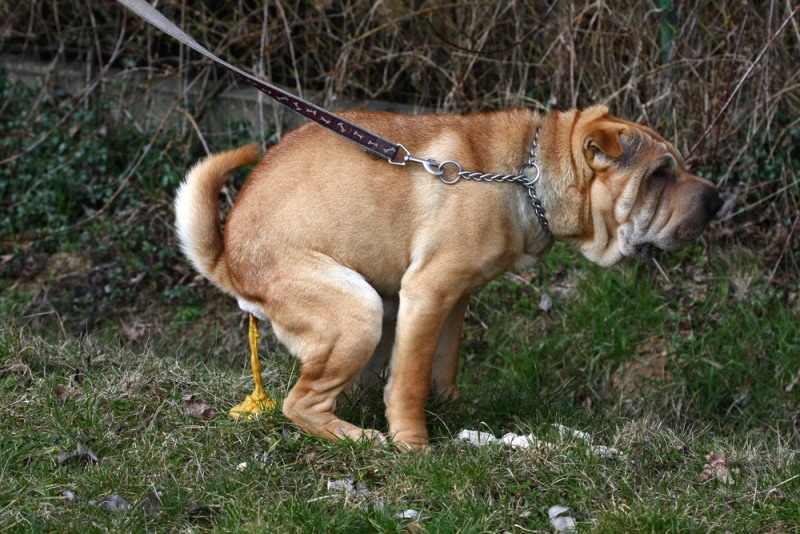
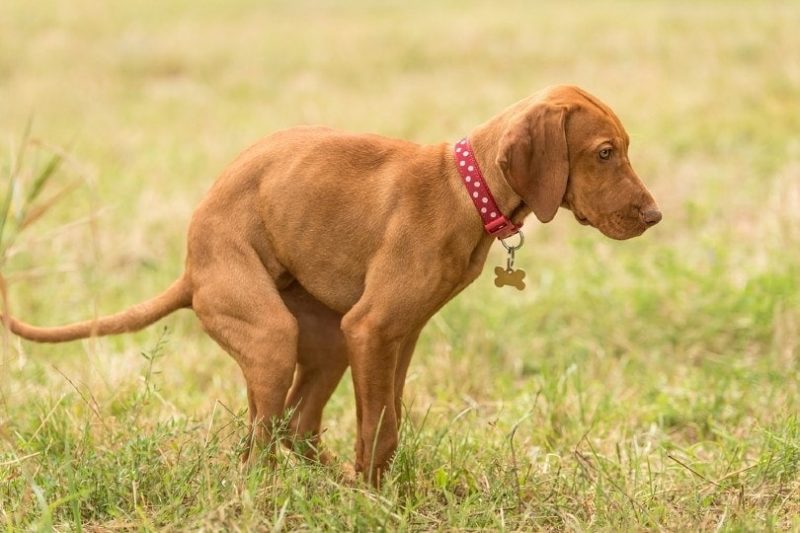
Even though it can be a bit awkward to talk about, dogs experience diarrhea just like humans. If your dog is experiencing diarrhea, it’s important to try and figure out what is causing it in order to provide them with adequate treatment so they can feel better.
Unfortunately, dogs experience diarrhea for many reasons. The affliction can also last for different lengths of time and vary in severity depending on the case. You certainly will not be able to prevent diarrhea, but you can help treat your dog whenever it happens with the information below.

The 9 Reasons Why Your Dog’s Poop Is Watery
1. Garbage Gut
| Should I Worry?: | Depends on the severity |
| What To Do: | Remove all spoiled food from dog’s reach; call a vet if signs do not go away |
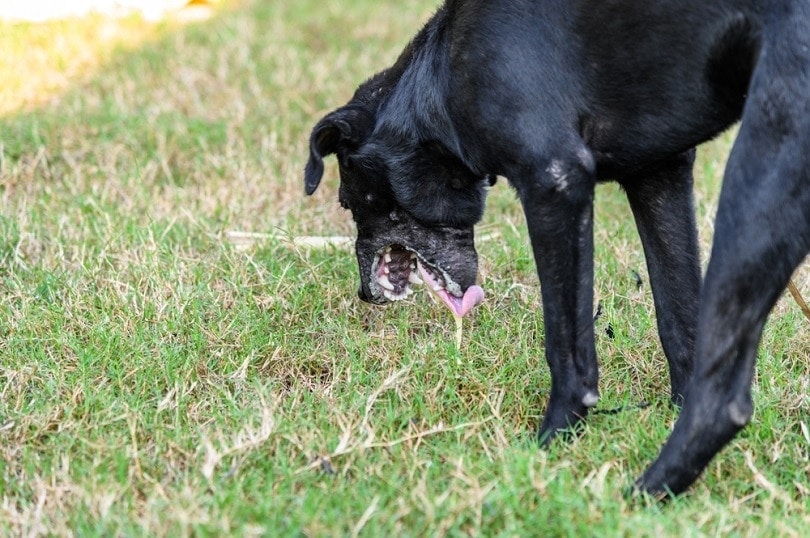
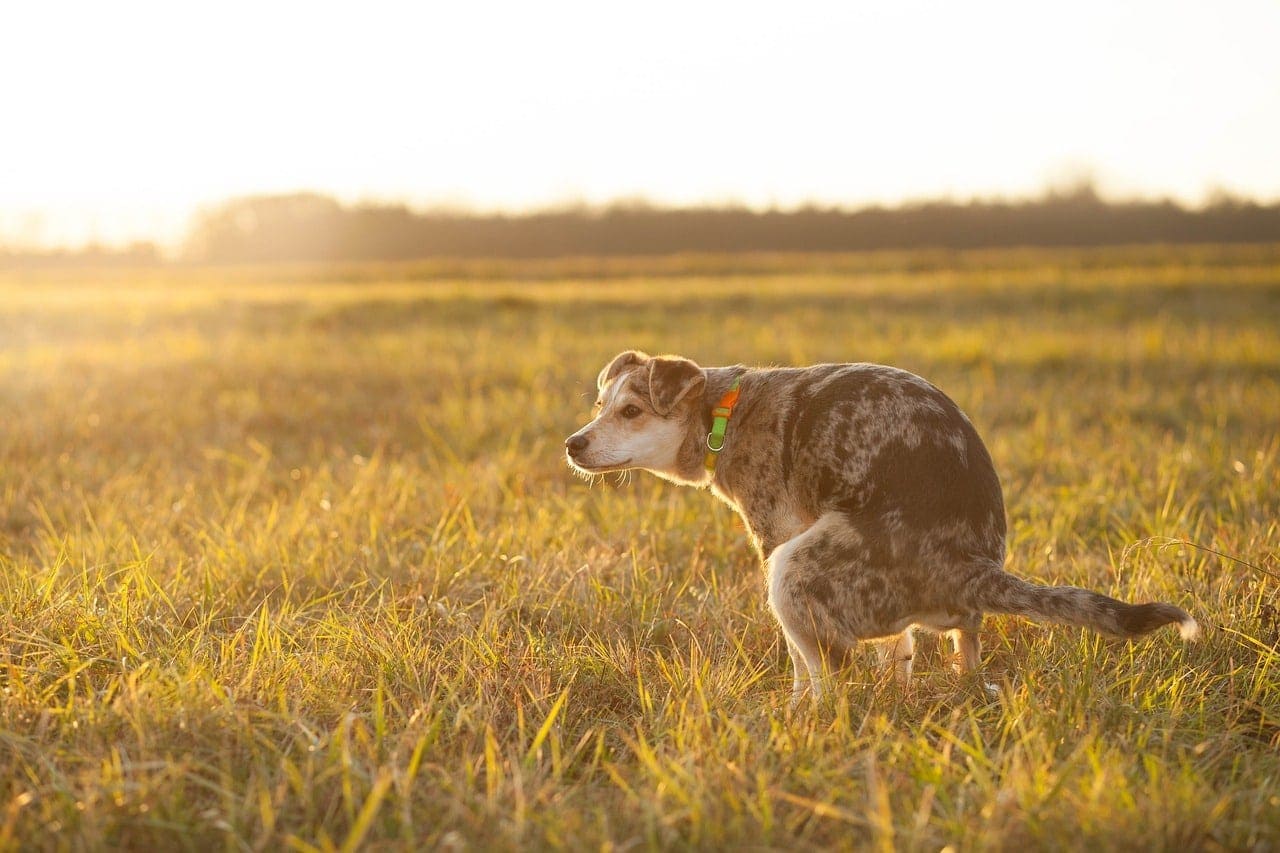
Dogs will eat just about anything they can get into their mouths, including garbage and spoiled food. Dogs eat spoiled food often enough that veterinarians often call the phenomenon garbage gut.
After eating spoiled food, most dogs get an upset stomach and a case of diarrhea. In some cases, diarrhea will go away within a couple of days. Make sure to remove all spoiled food and provide your dog with healthy food and clean water.
If the diarrhea does not go away or your dog is showing more severe signs of garbage gut, contact your veterinarian.
2. Dietary Changes
| Should I Worry?: | No |
| What To Do: | Slowly introduce new food |
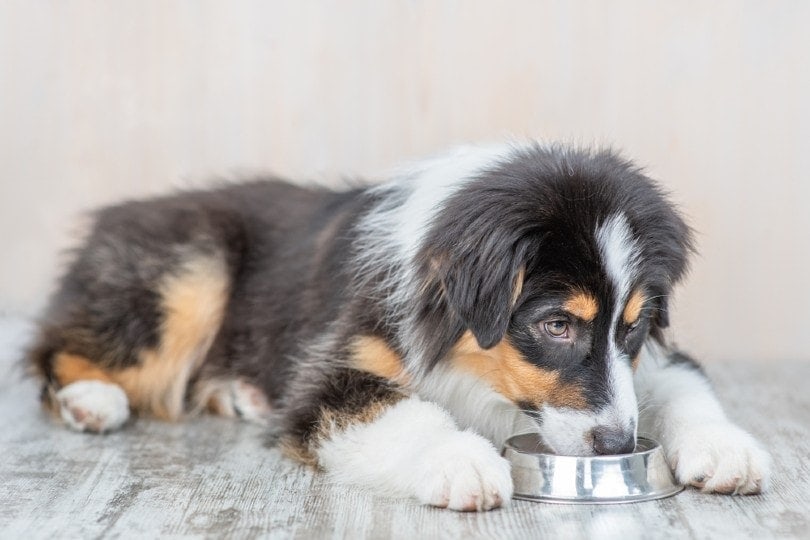
When switching your dog to a new food, it’s important to transition slowly so as not to cause GI upset. Even if you select a similar recipe from a different brand, the result can be catastrophic if you don’t slowly integrate the new food into the dog’s old food.
If you have recently changed your dog’s diet and did not have a transition period, that is likely the cause of your dog’s diarrhea. The diarrhea should go away once their stomach adjusts to the new food. However, if it doesn’t, have them evaluated by your veterinarian. They may make suggestions like adding a probiotic supplement to your dog’s diet.
3. Allergies and Food Intolerances
| Should I Worry?: | No |
| What To Do: | Talk to your vet |
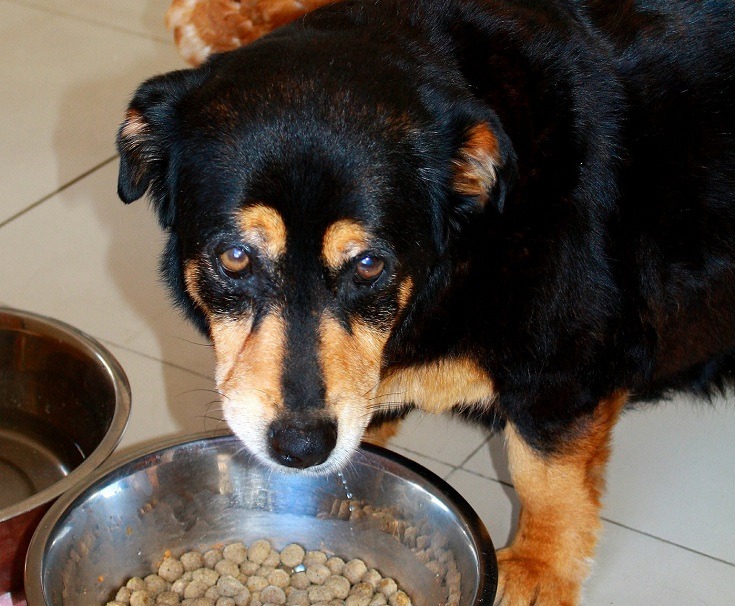
Dogs can have allergies and food intolerances just like us. If your dog’s food includes some of these allergens, the result could be diarrhea. You’ll want to talk to your veterinarian about determining if your dog is allergic to any ingredients. Once you determine what that ingredient is, remove it from your dog’s diet.
4. Parasites
| Should I Worry?: | Yes |
| What To Do: | Talk to your vet |
Diarrhea is a common side effect of parasites being present in the dog’s system. Roundworms, hookworms, whipworms, and giardia are common parasites in puppies and adult dogs who have weak immune systems.
You will want to contact your vet if you think parasites are present. With proper treatment, your dog should be able to pass the parasites, but they can become problematic if left untreated.
5. Poisonous Substances
| Should I Worry?: | Yes |
| What To Do: | Call an emergency clinic |
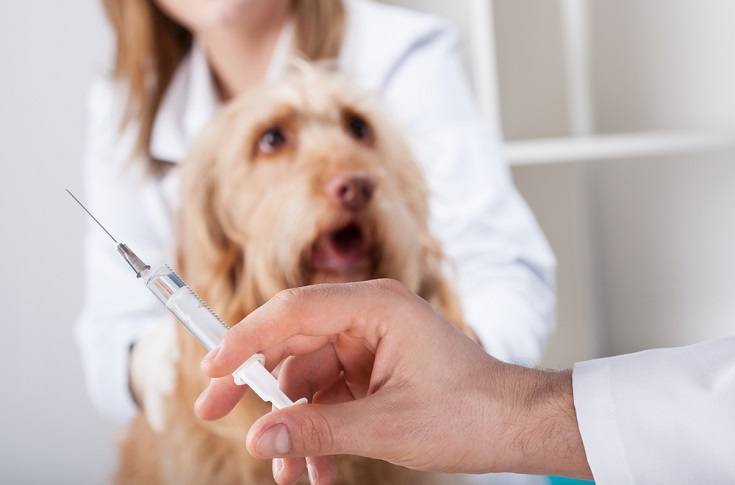
There are many substances around your home that are poisonous to dogs. Ibuprofen, antidepressants, chocolate, avocado, and household cleaning products are all examples of substances that are poisonous to dogs.
If your dog ingested anything poisonous, they may be experiencing many side effects, one of which may be diarrhea. It is important to call an emergency clinic if you know your dog has consumed a poisonous substance.
Hopefully, diarrhea is the only side effect that your dog will experience, but you never know if it could lead to something worse.
6. Viruses and Infections
| Should I Worry?: | Yes |
| What To Do: | Call your vet |
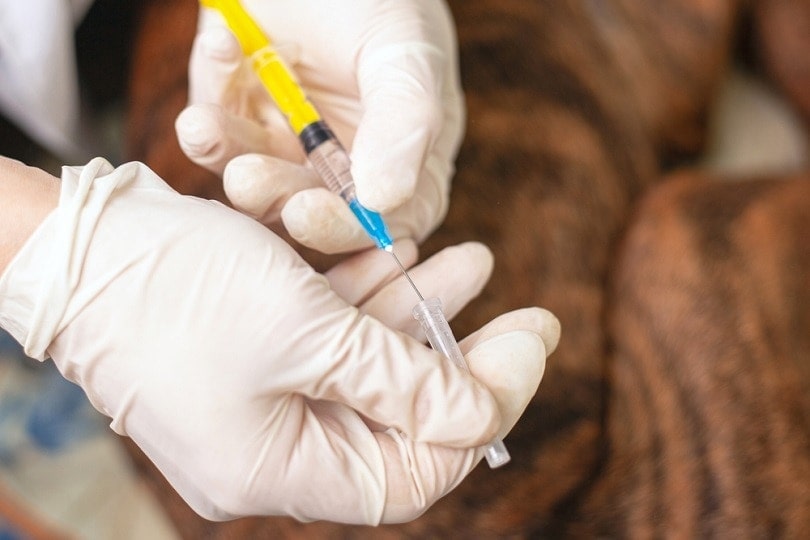
Certain viruses and infections can lead to diarrhea in dogs. Parvovirus, distemper, and coronavirus have all been associated with increased diarrhea, as do bacterial infections like salmonella.
If you suspect that your dog has any type of virus or infection, it’s important to talk to your vet immediately. Some of these illnesses are incredibly dangerous and require immediate veterinary care.
7. Illness
| Should I Worry?: | Yes |
| What To Do: | Call your vet |
Frequent diarrhea can be a sign of a chronic illness in your dog. For example, inflammatory bowel disease commonly results in diarrhea. Although IBS is manageable, other illnesses like cancer and liver disease are not as manageable but still lead to diarrhea.
Make sure to talk to your vet and have your dog fully examined if you are worried an illness is responsible for your dog’s diarrhea. Your vet will be able to perform an extensive evaluation to determine if a chronic illness is causing this symptom.
8. Medications
| Should I Worry?: | It depends |
| What To Do: | Call your vet |
If your dog is battling some sort of illness and has been prescribed a new medication, they may be experiencing diarrhea as a side effect of the medication. Some antibiotics are known to cause diarrhea in dogs. If you suspect your dog’s medication is the culprit, contact your veterinarian to see if they suggest making any changes. Sometimes it’s a matter of the body adjusting to it.
9. Stress
| Should I Worry?: | Yes |
| What To Do: | Pinpoint the cause of the stress |
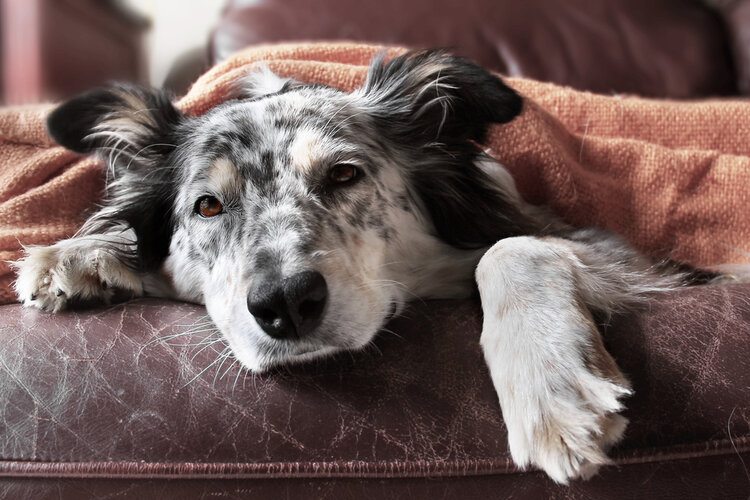
Just like us, your dog’s emotional state is reflected in their physical state. If your dog is in a constant state of stress, they may experience diarrhea. If you think stress is to blame for your dog’s illness, it’s important to pinpoint the cause of the stress and remove it.
If your dog has severe anxiety and is always stressed, you can talk to your vet about things you can do to make the home environment more comfortable for your pup. Sometimes medication or a combination of medication and behavioral modification is necessary.

What to Do if Your Dog Has Watery Poop
If you see that your dog has watery poop, here are some things you can do to help handle the situation.
Talk to Your Vet
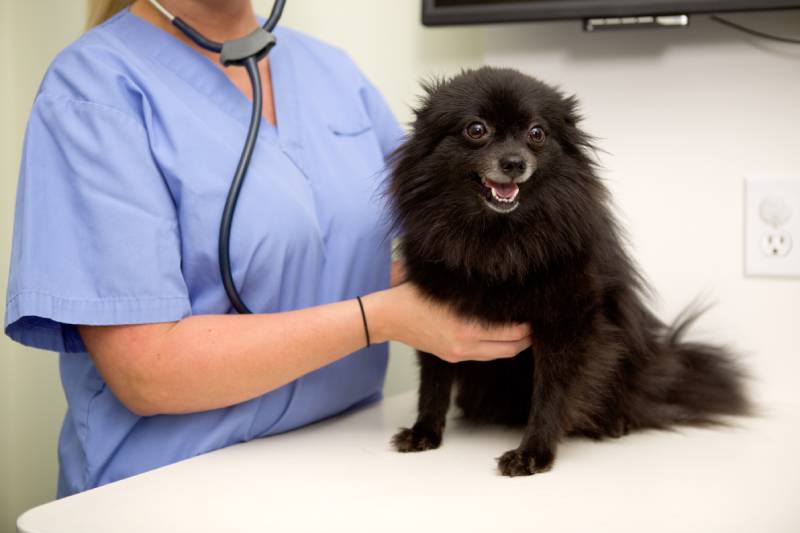
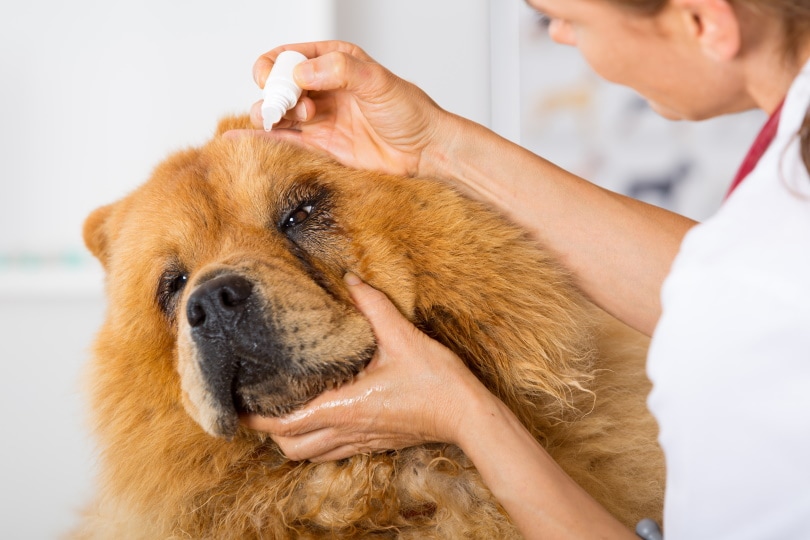
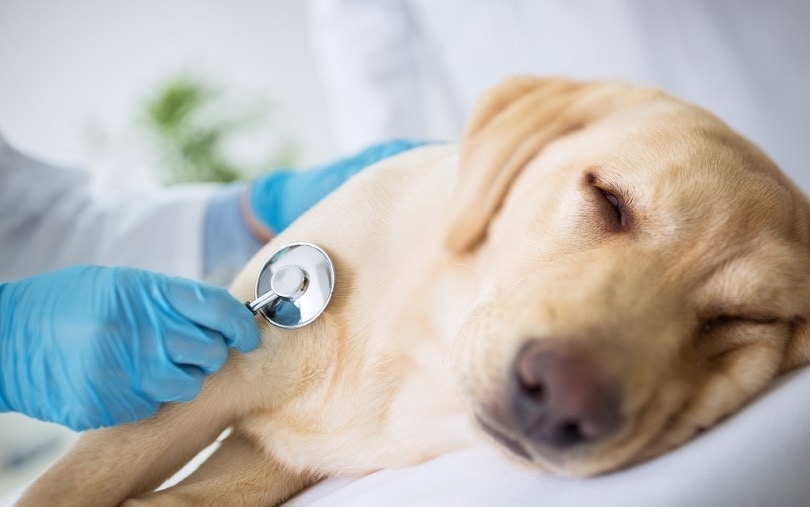
Always talk to your vet anytime your dog is experiencing a health problem, including diarrhea. They will be able to evaluate your dog to make sure there is no serious issue to blame for the dog’s condition.
Once it’s determined what might be the cause for the diarrhea, your vet will provide you with a treatment plan based on your dog’s unique problem. This will help them get back to feeling happy and healthy in as little time as possible.
Pinpoint the Problem
Make sure you work with your vet to try to pinpoint the problem. You don’t want to mask the diarrhea. Instead, you want to figure out why your dog is experiencing these problems and fix the root cause.
Only by pinpointing the problem and treating it will your dog be able to get better and stay better in the future.
Follow Veterinary Treatment
No matter what the problem is, make sure to follow your vet’s treatment. Your vet has a better idea of what’s wrong because they have performed a thorough evaluation. Follow their recommendations, and make sure to ask any questions that may come up.
Provide Plenty of Water
While you are following your vet’s treatment plan, make sure to provide your dog with plenty of water. It is easy for them to get dehydrated when they are experiencing diarrhea. Keep your pup happy and healthy by keeping their water intake up.

Conclusion
It can be difficult to pinpoint why your dog’s poop is watery. Something as simple as a diet change may be the cause of the problem, but something more serious like a chronic illness could be to blame too. Work with your vet to pinpoint the root of the problem and treat it according to the plan they lay out.
In the meantime, make sure to shower your dog with love, attention, and water. No one likes feeling sick or having diarrhea, and that includes your pup. Make sure they feel loved and are hydrated during this time.
Related Reads:
Sources
Featured Image Credit: Konstantin Zaykov, Shutterstock
Get Hepper In Your Inbox


Pet care tips from our vets and experts, straight to your inbox.
You may opt-out at any time. View our Privacy Policy for more information.
Nicole is a lover of animals of all sizes but is especially fascinated with the feline variety. She’s the proud mom of Baby, a Burmese, and works every day so he can relax in the sunshine or by the fire. She’s always had a cat in her home and has spent countless days with others, observing behaviors and softening up even the grouchiest of the lot. Nicole wants to share her kitty expertise with you so you and your cat can live happy, healthy, and care-free.
Join the conversation
Ask a question, share your story, or send private feedback.