Hepper is reader-supported. When you buy via links on our site, we may earn an affiliate commission at no cost to you. Learn more.
Dog Attacked by Porcupine? Our Vet Explains What to Do

In this article
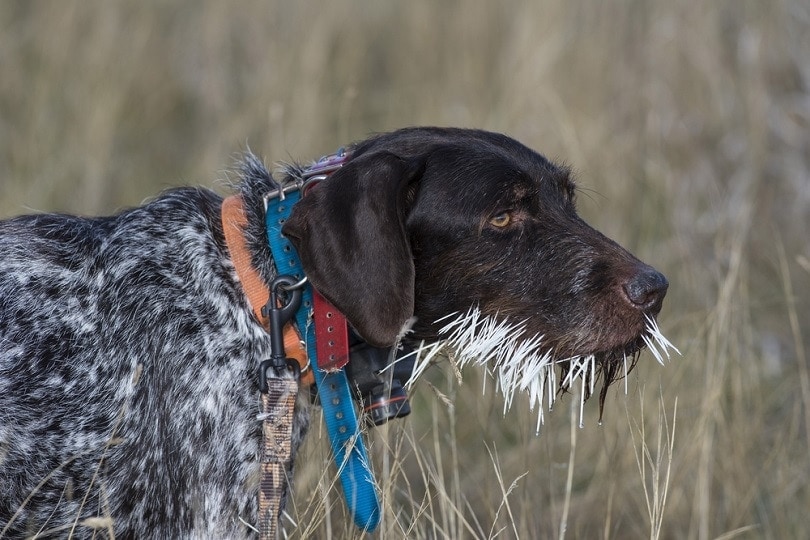
The warmer months of the year see an increase in porcupine activity. This medium-sized mammal has a body covered in spikey quills and tends to emerge at nighttime to forage for food, roam around, and mate. Unfortunately, due to their inquisitive nature, dogs are often at the receiving end of porcupine spines. But what do you do if your dog is attacked by a porcupine? Is it painful and dangerous for them? This article explores that in more detail.
If your dog is attacked by a porcupine, do not try to remove the quills yourself. Call your veterinarian immediately and follow their expert advice. In the meantime, don't give your dog any food or water. Attach a cone if possible to keep your dog from embedding the quills any further. Keep reading to learn everything you need to know!

What Happens if a Porcupine Attacks a Dog?
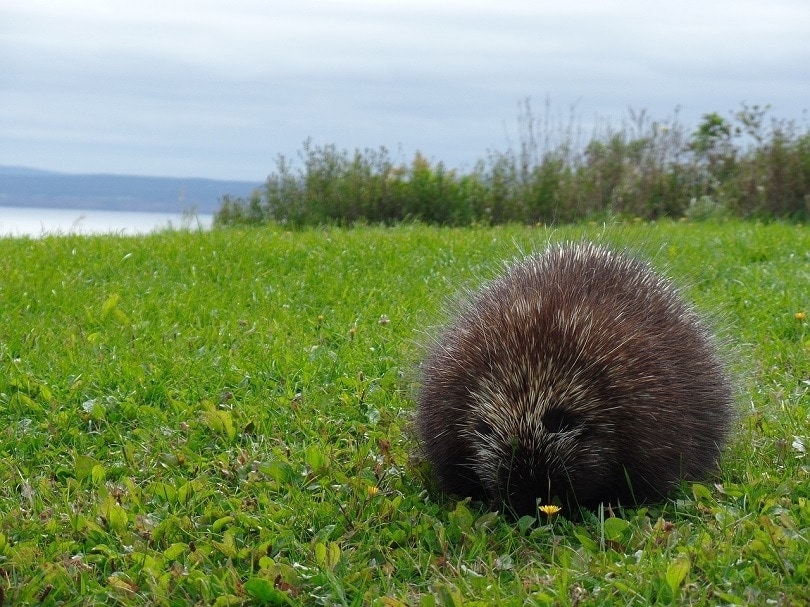
Porcupines will try to defend themselves from any would-be attackers by shedding their spines (also known as quills). They will usually try to give a warning first by chattering their teeth and shaking and rattling their quills. This noise often puts off any further advances. If this is ignored, they may then charge backward and hit their tail against any attackers, releasing the quills into the dog’s skin. Contrary to popular belief, porcupines don’t shoot their spines out; they have to make contact.
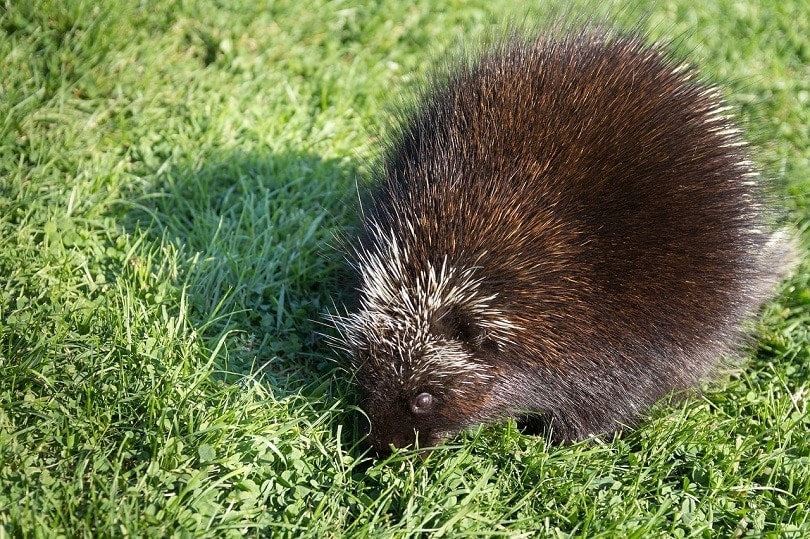
The quills have hooks or barbs on the end, which catch in the skin, making removal tricky and painful. Most of the quills will end up in the dog’s muzzle and face. The quills themselves are not poisonous, but they can be fairly traumatic, creating multiple wounds in the skin–especially if they aren’t removed with controlled care. Occasionally, nasty eye and mouth injuries can occur, too.
Unfortunately, porcupines can’t tell the difference between an attacking dog or an inquisitive friendly one, so the result is likely to be the same— a face full of spikey quills!
My dog was attacked by a porcupine! Here’s what to do:
Why You Should Not Remove Porcupine Quills Yourself
You shouldn’t try to remove porcupine needles from a dog yourself. You must take your dog to a veterinarian if they have been quilled by a porcupine, even if it is outside of normal clinic opening hours.
There are several reasons why you need to get professional help with this:
Don’t waste time or risk causing your dog any unnecessary stress by trying to remove the quills at home. One retrospective study showed that there was a higher risk of complications when dogs weren’t taken to their veterinarian quickly.

What Will My Vet Do if My Dog Is Attacked by a Porcupine?
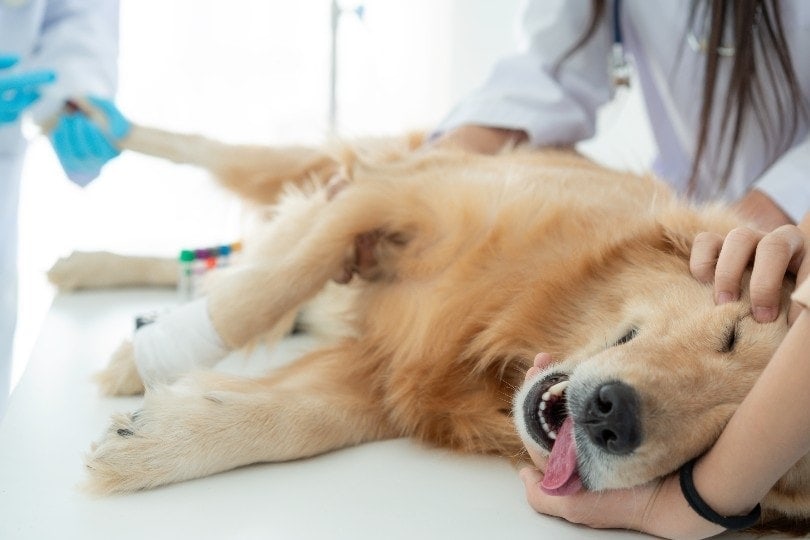
Your veterinarian will usually advise anesthetic or heavy sedation to extract the porcupine needles, particularly if they are removing quills from a dog’s face. This will help keep both the veterinarian and your dog safe whilst they carefully examine and remove the quills. They will also be able to do a more thorough search in this way, exploring inside the dog’s mouth for any hidden ones there, too.
The quills will be carefully pulled, and the wounds cleaned thoroughly. Pain relief will be given to your dog to keep them comfortable, and your vet may prescribe antibiotics as well to try and stop infections from occurring. You may need to continue with some of these medications at home once your pet is discharged from the hospital.
Your veterinarian will ask you to monitor your dog carefully at home following his treatment. Some dogs will need more than one trip to the veterinary hospital following a porcupine attack. It is common for not all the quills to be found the first time, especially if they were broken, buried under the skin, or hidden in thick fur.
What Happens if You Leave Porcupine Quills in Your Dog?
The main risk with leaving quills embedded is that of infection. The quills are not clean and carry bacteria, which has now been introduced under your dog’s skin. This risk is increased if parts of the quill end up being broken off and remain behind in the dog. Painful pus-filled abscesses can form around them as their body tries to fight off the bacteria and foreign material.
Even if your veterinarian successfully removes the quills from your dog, there is always the risk that some tips may have been missed, particularly if these broke off on the way to the clinic.
Monitor your dog for any swellings or discharges from their skin. If the skin feels hot or seems inflamed, then this can also be a sign that an infection is occurring. Sometimes your dog may become unwell, showing symptoms like lethargy, a high temperature, or changes in their appetite and thirst. Speak to your veterinarian if you are seeing any issues like these.
The good news is that the spines themselves don’t contain any toxins, though; there is no poison or venom present in porcupine quills.
The risk of catching rabies from a porcupine is very low. The virus is spread in an animal’s saliva, so bite wounds are the usual way of becoming infected with rabies. However, when porcupines groom themselves, they may leave traces of saliva on their quills, so there is a small risk. Keeping your dog’s rabies shots up to date will help reduce their risk further.
How Do I Avoid This Happening Again?
Porcupines are most active in the warmer months and tend to be nocturnal creatures. Many dogs are, therefore, attacked when walking at dawn or dusk or perhaps if they are out late at night in the backyard.
If you live in an area with a high number of porcupines, you may want to ensure your fencing is in good order to reduce the likelihood of porcupines on your property. Try and walk your dog when it’s light if possible, as many attacks occur when a dog accidentally stumbles across a porcupine in the dark.
Despite popular belief, dogs don’t tend to ‘learn from their mistakes’, so there is always the chance of accidents happening again. Working on your dog’s recall through positive training methods may help you to call them back promptly if they do encounter a porcupine. You could play it even safer by keeping them on a leash, particularly when it’s dark.

Conclusion
In summary, porcupine attacks are usually an unfortunate accident affecting inquisitive dogs. You must call your veterinarian immediately to inform them of what has happened. Do not try to treat your pet yourself at home. Most dogs do well with proper treatment, so get them seen as soon as possible to reduce the risk of complications.
Related Read: Dog Stung by a Scorpion? Our Vet Explains What to Do
Featured image credit: Steve Oehlenschlager, Shutterstock
Get Hepper In Your Inbox


Pet care tips from our vets and experts, straight to your inbox.
You may opt-out at any time. View our Privacy Policy for more information.
Dr. Rebecca MacMillan, BVetMed MRCVS (Vet)
Rebecca is a companion animal vet who has always had a passion for writing and client communication. Since her graduation in 2009 from the Royal Veterinary college, she has gained an exceptional amount of experience in first opinion small animal practice, in both clinical and managerial roles. She currently deals with a variety of routine and emergency appointments, but particularly enjoys medicine cases. Outside of work and writing, she enjoys spending time with her family, including her bouncy flat-coated retriever, George!
Rebecca is a companion animal vet who has always had a passion for writing and client communication.
Education
Dr. Rebecca graduated from the Royal Veterinary College in London, UK, in 2009.
Experience
Since her graduation from RVC, she has gained a wealth of experience in first-opinion small animal practice, in both clinical and managerial roles. She currently works in the South West and deals with a variety of routine and emergency appointments, but particularly enjoys medicine cases. Outside of work and writing, she enjoys spending time with her family, including her bouncy flat-coated retriever, George!
Check out some of our top posts written by our veterinary team
Bump On a Dog’s Eye: Causes, Symptoms, and Care
How Common is Heartworm in Cats? 7 Things to Know About Heartworm Disease
Join the conversation
Ask a question, share your story, or send private feedback.