Hepper is reader-supported. When you buy via links on our site, we may earn an affiliate commission at no cost to you. Learn more.
Dog Bitten by Squirrel? Here’s What to Do (Vet Answer)

In this article
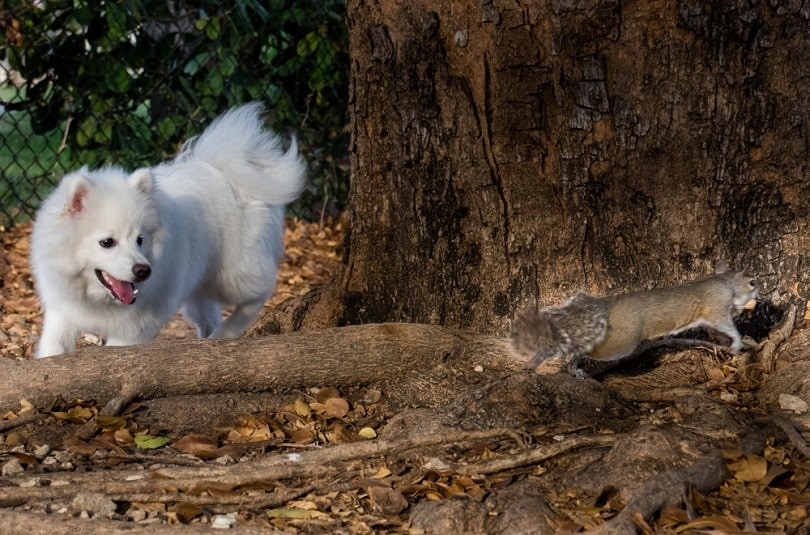
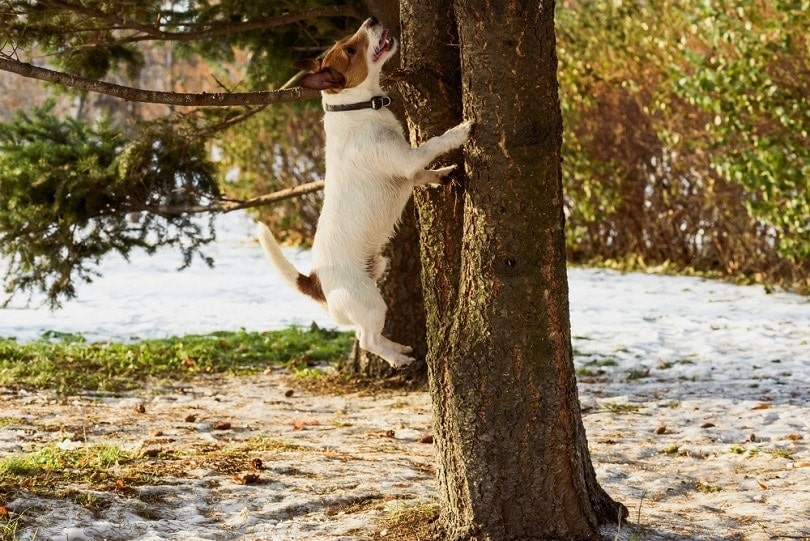
Some dogs love to chase squirrels. If your dog is one of them, you will know that once they spot one there can be little you can do to stop them in their pursuit! But can chasing squirrels be a risky business for your dog? If your dog is particularly talented at pursuing squirrels and is quick enough to catch one, it’s likely the interaction could leave your dog worse for wear.
So, let’s have a look at what to do if your dog is bitten by a squirrel.

Can a Squirrel Bite Hurt a Dog?
Squirrel bites, although painful, are usually quite benign, with the wounds themselves and the potential bacterial infections they can develop being the biggest concerns. But there are a couple of diseases to be aware of, which although rare, can be serious.
Wounds and Infection
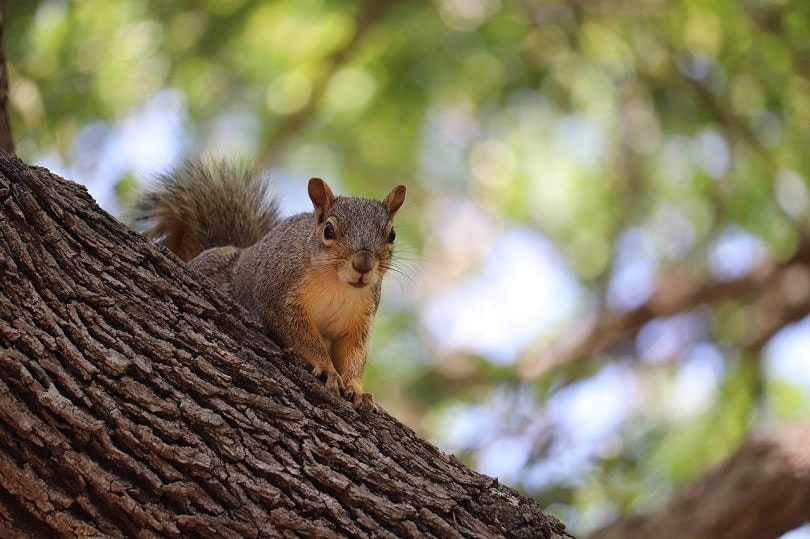
The biggest risk to your dog, if they are bitten by a squirrel, is the wound itself. Squirrels carry many bacteria in their mouths, and these are "injected" into your dog’s skin when the squirrel bites your dog. Any bacteria on your dog’s skin may also be pushed beneath the skin's surface.
The skin is the body’s first line of defense against bacteria, so to have them bypass the skin means your dog will have a harder job fighting the infection.
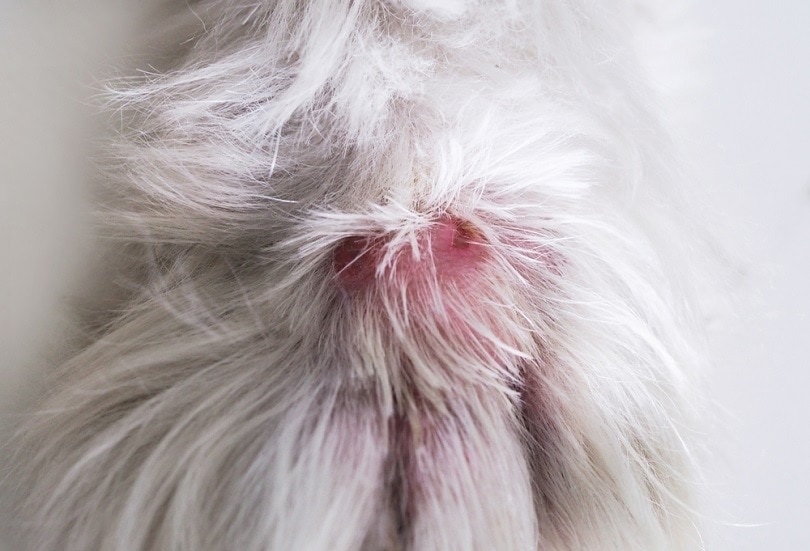
If your dog has visible bites, it’s important to be on the lookout for infection, especially if the bites are on the face.
Leptospirosis
Leptospirosis is a bacterial infection that is excreted in the urine of infected animals, including squirrels. Whilst it’s not transmitted by biting, the bacteria can be spread to your dog when they contact the squirrel.
Symptoms to look out for include fever, vomiting, diarrhea, reluctance to move, increased thirst, loss of appetite, jaundice (yellowing of the skin or whites of the eyes), and changes to the frequency/amount of urination. In severe cases, it can lead to kidney or liver failure, as well as bleeding disorders and neurological signs such as convulsions.
The good news is that there is a vaccination against leptospirosis, so as long as your pooch is up to date with all their jabs, they should be protected.
Lyme Disease
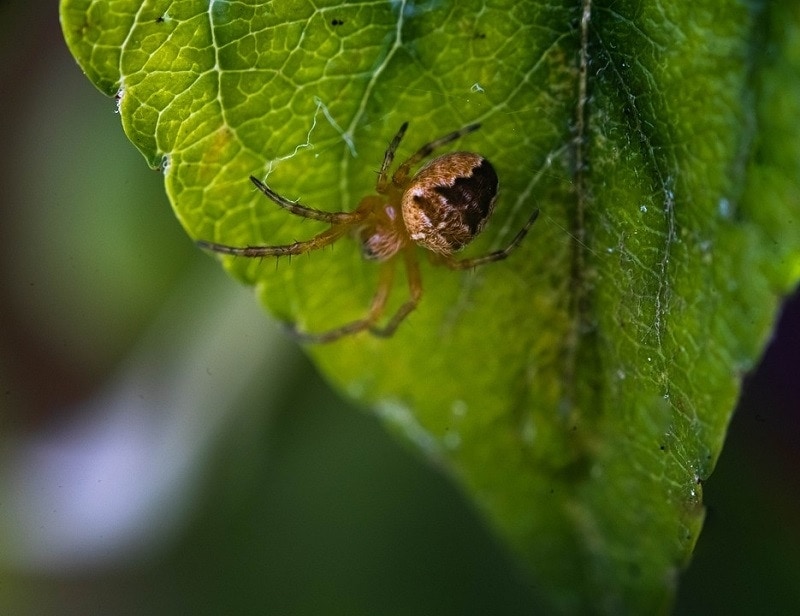
Lyme disease is a bacterial infection that can be carried by ticks. When an infected tick attaches to your dog, the bacteria are transmitted through the tick’s saliva into your dog’s bloodstream. The infection attacks tissues around the body, particularly the joints and kidneys.
Like leptospirosis, Lyme Disease is not spread by squirrel bites but is a problem when your dog comes into contact with wildlife. Although not all squirrels have ticks, and not all ticks carry Lyme disease, it’s sensible to be cautious and check your pooch thoroughly after they come close to wildlife.
The best way to protect your dog is by preventing ticks from attaching in the first place through regular anti-parasite treatment.
Can a Dog Get Rabies from a Squirrel Bite?
Rabies is a serious and fatal virus that is spread between animals, and also to humans, through saliva. Bites from infected animals are the most common cause of rabies transmission. The virus is carried by several species of wildlife, but luckily squirrels do not carry rabies.
However, if you do live in a country where rabies is present, it’s very important to keep your dog’s vaccinations up to date to ensure they are protected. If your dog is bitten by any wild animal, including a squirrel, it’s always sensible to speak to your vet for advice.
What to Do If Your Dog Gets Bitten By a Squirrel
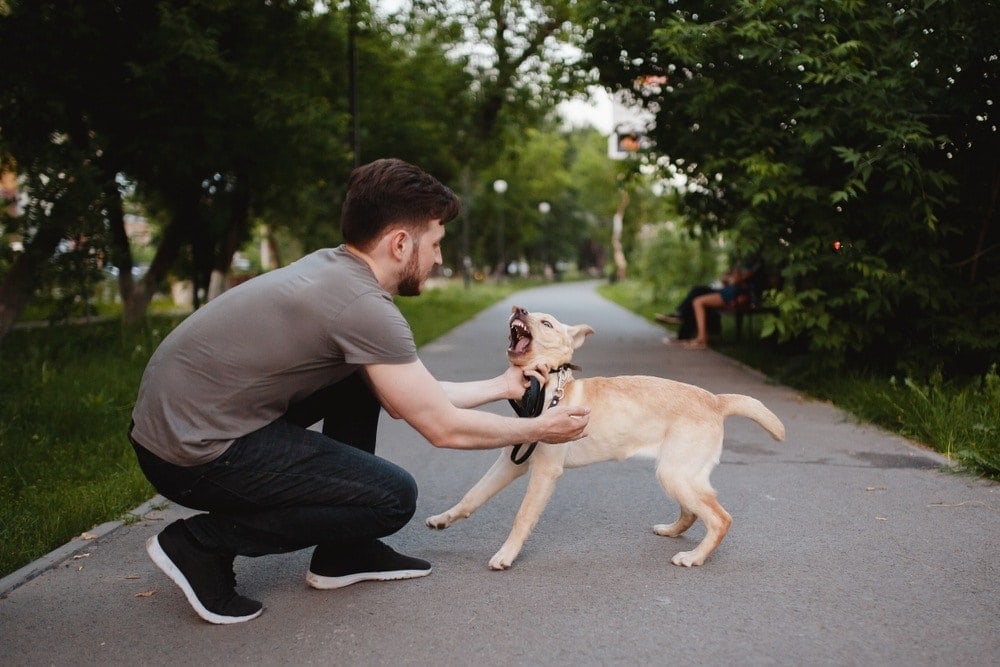
If your dog is unfortunate enough to be bitten by a squirrel, the first thing to do is check your dog all over to determine what damage has been done. The next step is to contact your vet as soon as you can.
Before you get to the vet, you might want to clean the wounds yourself, especially if they are very dirty or bleeding. Avoid using alcohol-based products, such as hydrogen peroxide, to clean the wound. Although hydrogen peroxide is highly effective at killing bacteria, it actually kills the cells that help the wound to heal, causing more harm than good.
The best thing to do is to wash the wound thoroughly with water only, or with a dilute pet-safe antiseptic solution from your pet’s first aid kit. If there is significant bleeding, you should apply pressure to the wound and get your dog to the vet straight away.
How Do You Treat a Squirrel Bite on a Dog?
If your dog has been bitten by a squirrel, you should take them to see the vet for further assessment and treatment.
The course of treatment really depends on how badly your dog has been bitten. Some dogs come off pretty well from the altercation, while others might not be so lucky!
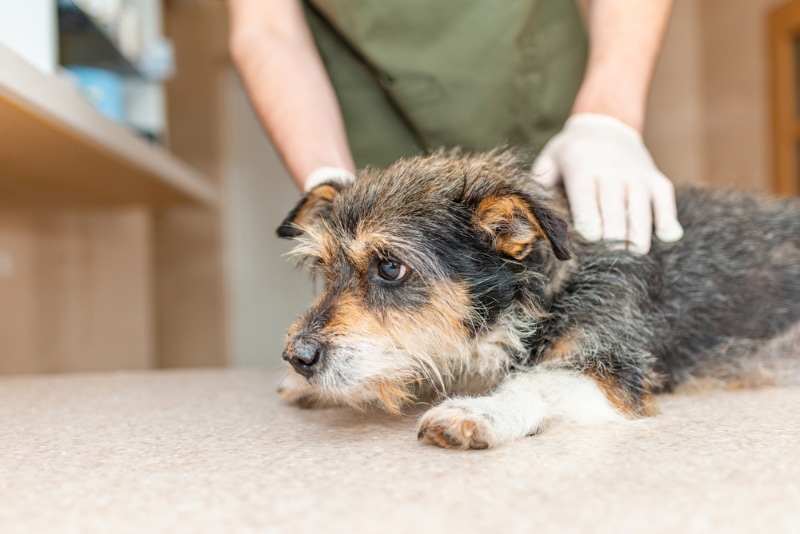
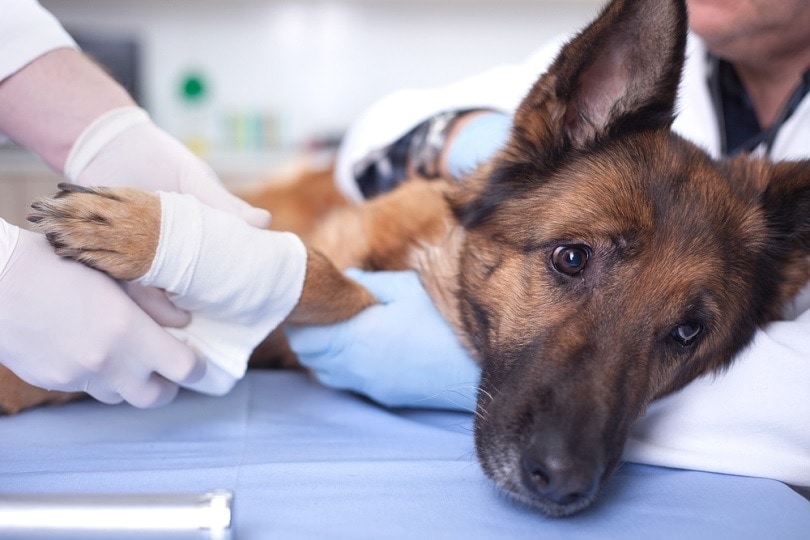
The first thing the vet will do is clean up the wounds and assess them. The fur around the wounds will usually be clipped and then the wound is thoroughly cleaned to remove any dirt, debris, and bacteria. If the wounds are quite deep, they will need to be surgically flushed, and debrided, and may even need stitches. This means your dog will likely need sedation or a general anesthetic.
Secondary bacterial infections are the main concern as squirrel’s mouths can be full of bacteria. Don’t assume that because a bite is small or not very deep it can’t cause big problems! The vet will start your dog on a course of broad-spectrum antibiotics as well as pain relief as they’ll be feeling rather sore!
The vet will usually send your dog home with some instructions—home care is really important to make sure the wounds heal well and don’t become infected.
It’s essential that your dog takes their antibiotics correctly. Missing doses or stopping them early not only gives bacteria a chance to multiply and cause infection but can also promote resistance meaning future infections could become harder to treat.
You might need to clean the wounds at home—the vet will advise you on how to do this and what to use. You will also need to take your dog in for follow-up checks with the vet to ensure the wounds are healing and assess whether further treatment is required.
Will My Dog Be Okay If He’s Bitten By a Squirrel?
It’s very unlikely that your dog will become sick if they are bitten by a squirrel, but the bite is not completely harmless. Serious complications with a poor prognosis such as Lyme disease and leptospirosis are very rare, but simple bacterial infections are common and if left untreated your pooch could become very poor.
Prompt veterinary treatment is essential to avoid complications, and as long as you follow your vet’s instructions regarding antibiotics, pain relief, and wound cleaning, the prognosis is very good. For most minor squirrel bites, infection and wounds heal well over the course of a few days or weeks, depending on how severe they were to start with.
Final Thoughts
Squirrel bites are unlikely to cause serious harm to your pooch. But avoiding your dog getting up close and personal with a squirrel in the first place is key to preventing it from happening. Avoiding walks where there are lots of squirrels, keeping your dog on a lead, and having lots of tasty treats to call them back with can really help.
Ensuring that your dog is up to date with all their routine preventative healthcare is essential and always the best way to prevent ticks, rabies, leptospirosis, and other serious diseases.
If your dog is unfortunate enough to be bitten, contact your vet straight away, as prompt treatment is necessary to avoid infection and further complications.
Read More:
Featured Image Credit: RyanTaylor, Shutterstock
Get Hepper In Your Inbox


Pet care tips from our vets and experts, straight to your inbox.
You may opt-out at any time. View our Privacy Policy for more information.
Joanna is an experienced vet working in the UK. She has written about pets and pet health for many websites, blogs, and pet magazines and loves to help owners understand their pets through her writing.
Joanna is an experienced vet working in the UK who has always loved both writing and science. So, after following her passion for science and graduating as a veterinarian, she was able to begin writing and join her two passions together.
She has written about pets and pet health for many websites, blogs, and pet magazines. She loves to help owners understand their pets better through her writing, and loves to teach and educate her clients. She owns her own freelance company to help even more clients than just the one standing in front of her in a consultation room.
Education
In 2016, Joanna graduated from the University of Nottingham, with a degree in Veterinary Science (BVMedSci) and a degree in Veterinary Medicine and Surgery (BVM BVS).
Experience
Joanna practiced as a clinical vet from 2016 - 2019 and left full-time practice after that to work as a locum/relief vet in the Channel Islands, alongside her freelance writing work.
Join the conversation
Ask a question, share your story, or send private feedback.