Hepper is reader-supported. When you buy via links on our site, we may earn an affiliate commission at no cost to you. Learn more.
Dog Bit by Copperhead Snake? Our Vet Explains What To Do

In this article
Snake bites are not an everyday occurrence, so when they do happen it feels very scary and worrying. Dogs can get bitten in an unprovoked manner such as accidentally stepping on a snake, or being too inquisitive and trying to play with the snake.
Either way—a bite is the snake’s form of self-defense and a way of telling any potential predators to leave them alone. This article explores what to do if your dog is bitten by a copperhead snake.

Copperhead Bites on Dogs
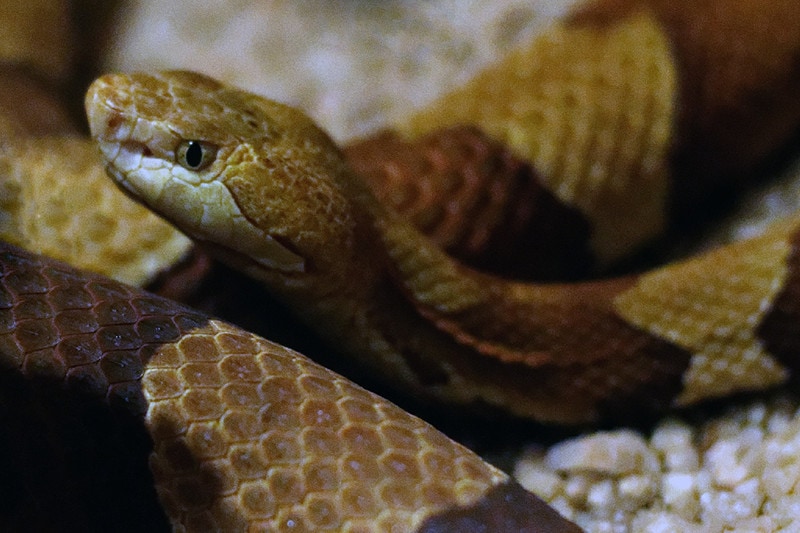
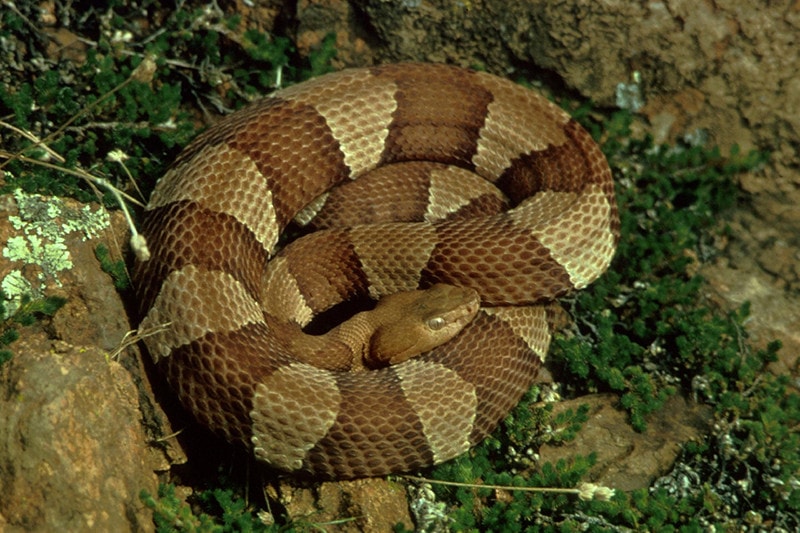
The copperhead snake is native to Southern and Eastern areas of the United States and can be found in a variety of habitat locations including suburban areas. Whilst it is venomous, it is not one of the most aggressive or deadliest species found in the US. Copperheads have a triangular-shaped head and classic hourglass markings on their body.1
They are also a coppery brown color, hence their name. These snakes can get confused with other non-poisonous snakes, such as the more docile milk snake or the common water snake.
Out of all the snakes in the US, bites from copperheads are the most common, as these snakes will usually freeze when approached rather than slither away. This means they are more likely to be stepped on especially if they are on well-camouflaged ground.
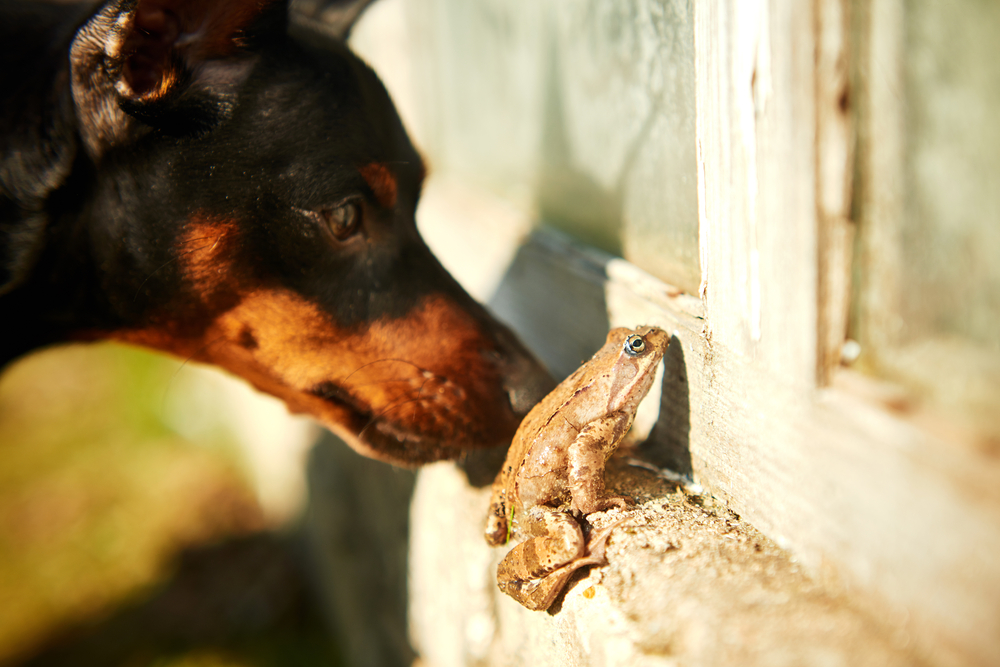
If they are provoked and feel trapped, they will strike out in self-defense. Dogs are inquisitive creatures and may accidentally uncover a snake whilst sniffing around, or they may try to engage and play with the snake.
The venom from a copperhead does have the potential to be fatal, but most dogs survive with appropriate treatment.
Dog bitten by copperhead? Here’s what to do:
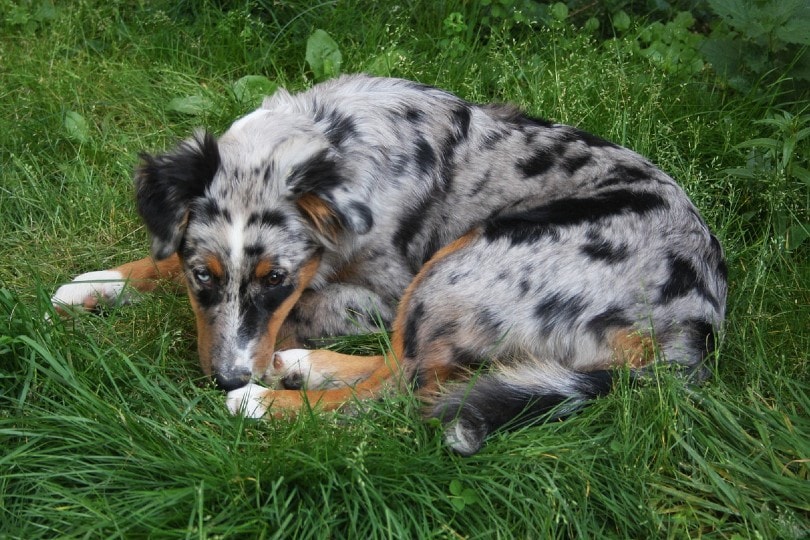
Copperhead Bite Dog Symptoms
The symptoms of a snake bite can be variable. Some dogs can have an instant reaction, especially if they're allergic to venom, whereas others can develop signs of illness more gradually.
The following is a list of potential symptoms that you may see in your dog after a copperhead bite:
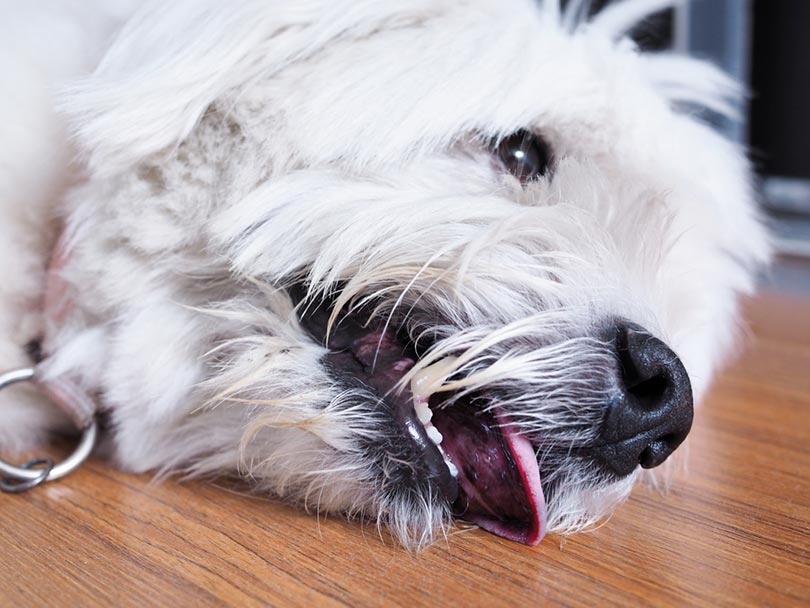
Less commonly, the following signs may be seen, particularly if treatment is not initiated promptly:

Dog Copperhead Bite Treatment
Your veterinarian will advise you to come down to the clinic as soon as you can. Even if you're not sure what type of snake bit your dog, it is usually best to err on the side of caution and act quickly.

Your veterinarian may give your dog an antidote to the venom which will help deactivate it and prevent any further symptoms from developing. Sometimes, repeat doses are required. They might also need to clip fur from your dog to look for the bite wound, and clean and treat the area.
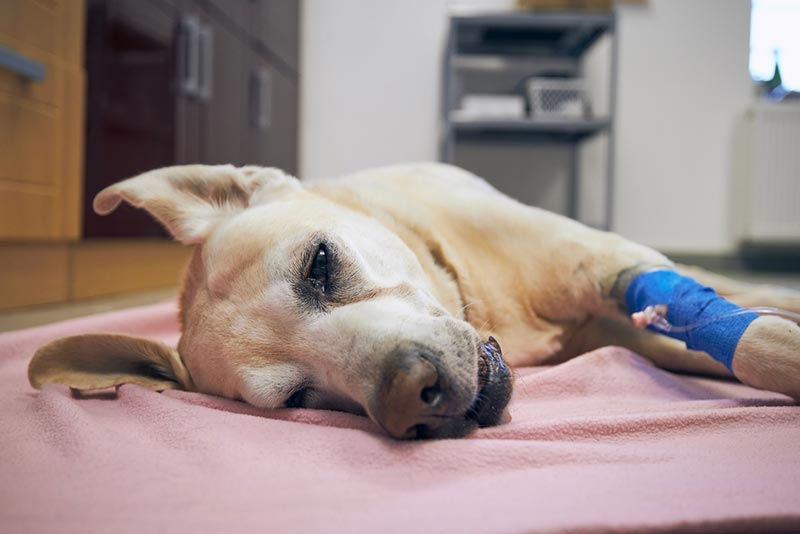
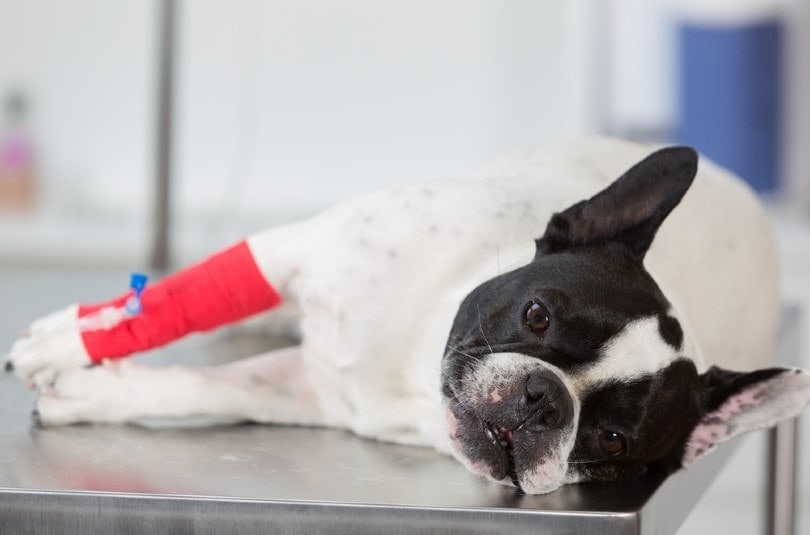
If your dog has already started showing adverse effects to the venom such as lethargy or vomiting, then they may need to be hospitalized for further treatment and monitoring. Intravenous fluids (fluid given via a drip) may be recommended to help stabilize their blood pressure, counteract the effects of shock, and maintain their hydration.
If your dog is showing signs of having an allergic reaction to the venom then additional medications may be needed to help counteract this, and/or pain relief may need to be administered as well.
In some cases, despite the veterinarian’s best efforts, treatment may be ineffective if your dog is having a severe reaction or a long time has passed since the initial bite. Fatalities are more common in small dogs or those with other health complaints.
Home Care for Dog Copperhead Bites
It is recommended that you take your dog to a veterinarian promptly rather than trying to do any form of home treatment. Do not try and suck the venom out yourself as this is unlikely to be effective and you will put yourself at risk. Similarly, washing the wound with water or saline is unlikely to help, as the venom will be injected deep underneath the skin.
Do not administer Benadryl or other over-the-counter medications as you will only waste time when you should be seeking professional help. The best thing you can do is to keep your dog calm and call your veterinarian for urgent advice.

Can a Dog Survive a Copperhead Bite?
A bite does have the potential to kill a dog, but this is not always the case with appropriate treatment. Fatalities in humans and large dogs are rare. Smaller dogs, however, are more at risk from copperhead venom, as they are less able to handle the same dose as a bigger dog. Older dogs, very young dogs, or those with underlying health issues are also at increased risk.
Getting your dog looked at by a veterinarian promptly (ideally within half an hour) will increase their chances of survival, as will keeping your dog calm. Dogs that are stressed and running around will be pumping blood harder around their bodies and the venom will travel faster to other locations.
The amount of venom the copperhead has injected into your dog can vary. If a snake hasn’t bitten anything for a while it will have more venom stored up, which will be stronger and more toxic than a snake that has recently bitten something else. Dogs that are bitten on areas such as their tongue or eye are more at risk of death too.
Can Dogs Survive Copperhead Bite Without Treatment?
Potentially, however, it is not advised. Seeking professional advice as quickly as possible will give your dog the best chance. Your dog may be lucky and have received a ‘dry bite’ from the snake—one where not much venom was injected, often given as a warning bite, but it is impossible to tell this straight away.
Dogs that are not treated promptly are more likely to develop severe symptoms such as lethargy, drooling, and collapse, as the venom passes around their body affecting their major organs.

Preventing Your Dog From Getting Bitten by a Copperhead Snake
To keep your pet safe, it is worth making sure your yard is kept in good order to make it a less attractive place for snakes to hide. Copperhead snakes will shelter in places such as piles of leaves, rocks, and rubble, or even areas where there is discarded rubbish or building materials, so try to avoid allowing piles of materials to mount up if possible.
Keep your grass trimmed down too, as long grass again provides a good hiding place for snakes. Check your property regularly for any holes or burrows in the ground and consider filling these in. Don’t leave out any food scraps in the garden that might attract snakes or their prey.
If you live in an area where there is a high number of snakes you may want to invest in a snake fence to try and keep them out of your property altogether, or at least make sure any small gaps in your existing fencing are repaired.
Whilst out walking be aware of any likely snake hot spots and keep your dog on a leash. Try and keep your eyes out for snakes whilst walking to prevent accidents from happening.
Some owners may be considering aversion training for their dogs, particularly if they live in an area with snakes that are even more toxic than the copperhead (like rattlesnakes). Aversion training is a controlled way of exposing the dog to a snake and then punishing them with something like a shock collar so that they have a negative reaction to the snake.
Whilst this can be effective if performed in a controlled manner (the dog starts to associate snakes with pain and fear, and will try and avoid them), we can see many behavioral issues develop from this type of negative training.
It is far better to employ positive training methods with our pets, such as working on their recall and teaching dogs to ‘leave’ on command. Most good dog trainers will be able to help you achieve this without the need for punishments.

Conclusion: Copperhead Bites on Dogs
Many dogs will do very well after being bitten by a copperhead, especially if appropriate veterinary treatment is carried out. In the event of a snake bite, keep calm, call your veterinarian straight away, and get your dog to them as soon as you can.
Try to take steps where possible to stop future bites from occurring, such as keeping your yard in good order and stopping your dog from straying too far in areas where snake numbers are high.
Related Reads:
Featured Image Credit By: joolsthegreat, Pixabay
Get Hepper In Your Inbox


Pet care tips from our vets and experts, straight to your inbox.
You may opt-out at any time. View our Privacy Policy for more information.
Dr. Rebecca MacMillan, BVetMed MRCVS (Vet)
Rebecca is a companion animal vet who has always had a passion for writing and client communication. Since her graduation in 2009 from the Royal Veterinary college, she has gained an exceptional amount of experience in first opinion small animal practice, in both clinical and managerial roles. She currently deals with a variety of routine and emergency appointments, but particularly enjoys medicine cases. Outside of work and writing, she enjoys spending time with her family, including her bouncy flat-coated retriever, George!
Rebecca is a companion animal vet who has always had a passion for writing and client communication.
Education
Dr. Rebecca graduated from the Royal Veterinary College in London, UK, in 2009.
Experience
Since her graduation from RVC, she has gained a wealth of experience in first-opinion small animal practice, in both clinical and managerial roles. She currently works in the South West and deals with a variety of routine and emergency appointments, but particularly enjoys medicine cases. Outside of work and writing, she enjoys spending time with her family, including her bouncy flat-coated retriever, George!
Check out some of our top posts written by our veterinary team
Bump On a Dog’s Eye: Causes, Symptoms, and Care
How Common is Heartworm in Cats? 7 Things to Know About Heartworm Disease
Join the conversation
Ask a question, share your story, or send private feedback.