Hepper is reader-supported. When you buy via links on our site, we may earn an affiliate commission at no cost to you. Learn more.
Emerald (Olive) Cockatiel: Pictures, Facts & History
In this article
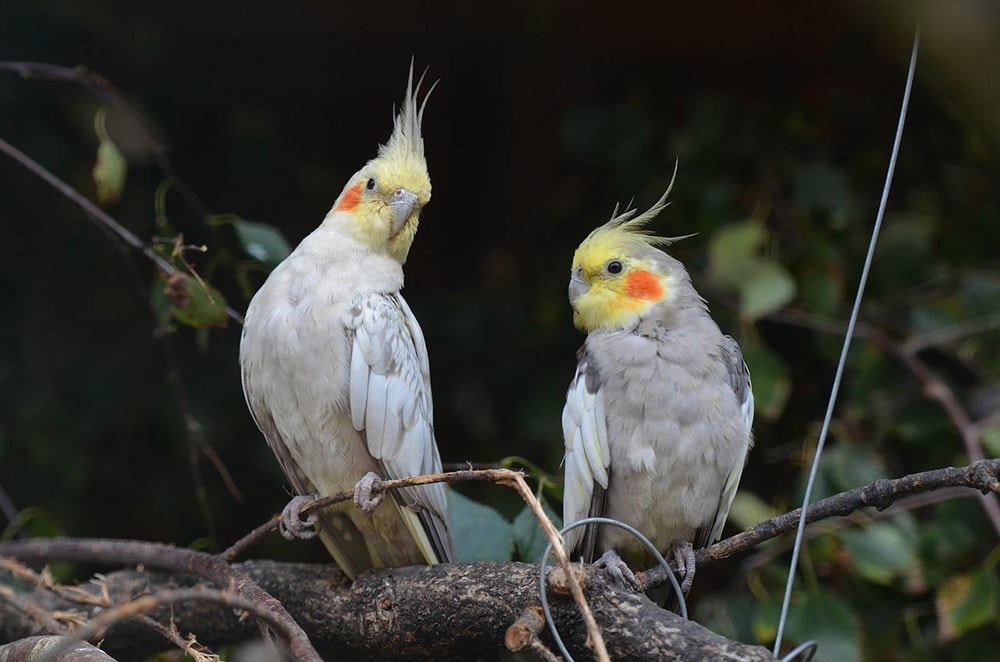
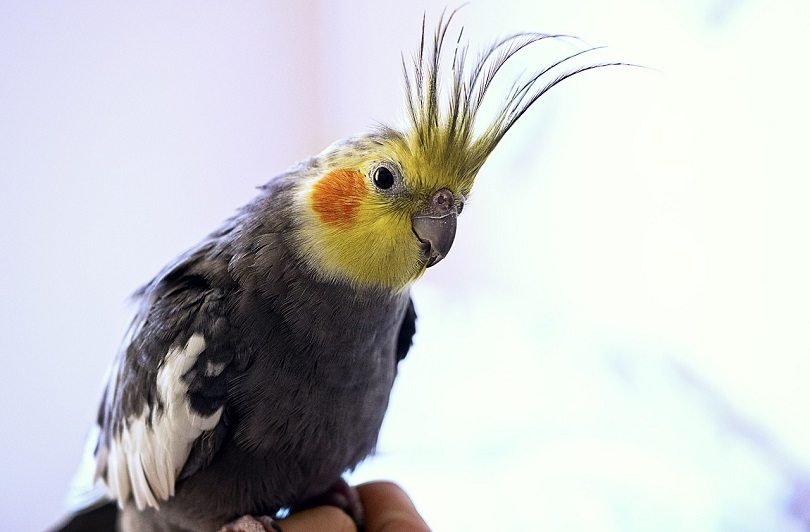
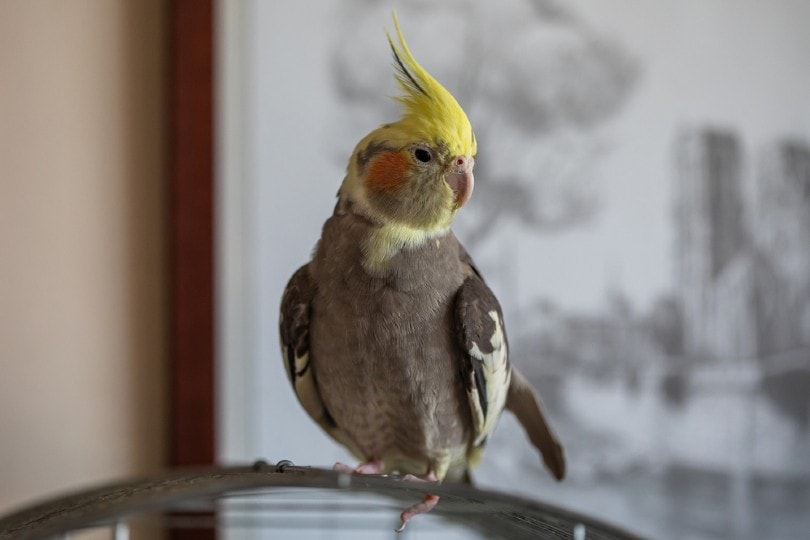
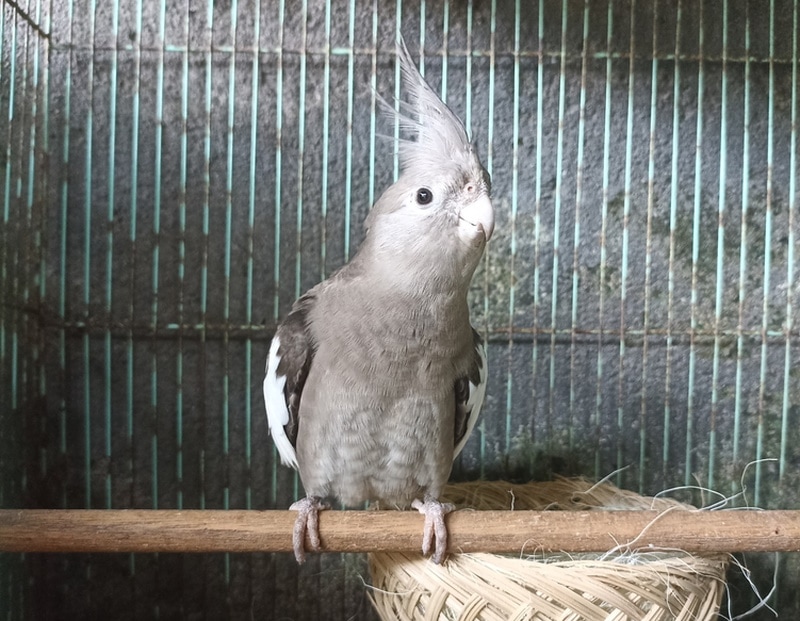
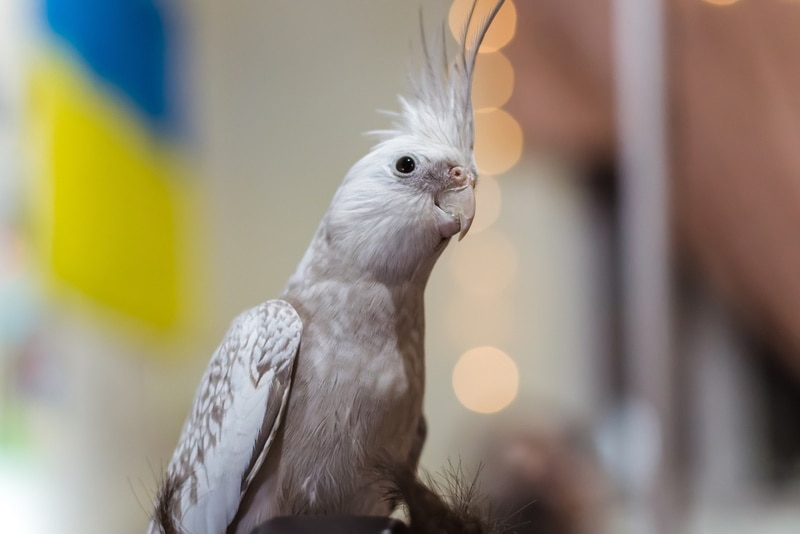
The emerald cockatiel is the thirteenth official cockatiel breed mutation. Discovered in the 1990s, it’s a relatively new and rare mutation. Despite what its name would have you believe, the emerald cockatiel isn’t green at all because cockatiels don’t have the pigment required to produce such a color.
Read on to learn more about this unique mutation and what you need to know if you’re considering adopting an emerald cockatiel.
| Height: | 12–13 inches |
| Weight: | 70–120 grams |
| Lifespan: | 15–25 years |
| Colors: | Yellow over gray with splotchy markings |
| Suitable for: | First-time bird owners, families with children |
| Temperament: | Gentle, affectionate, friendly, curious, feisty |
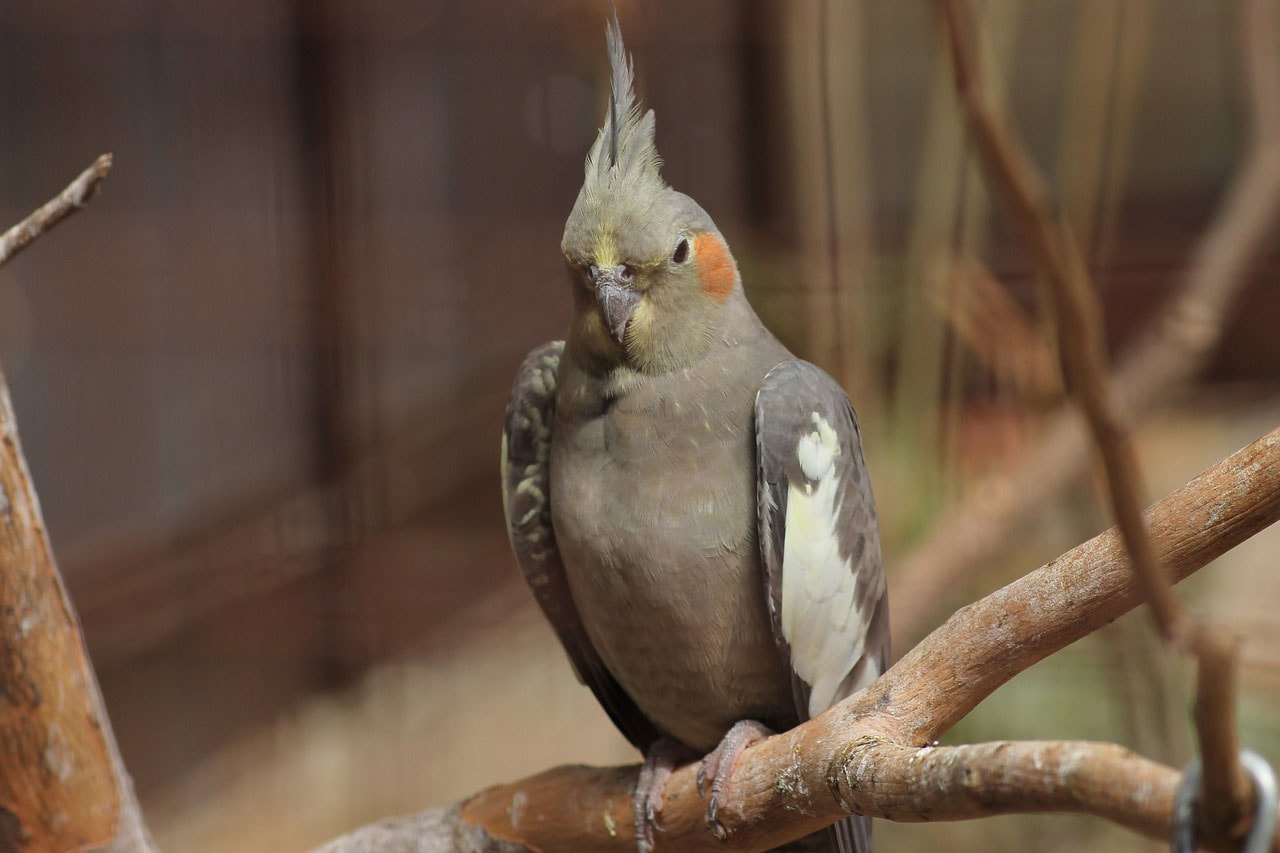
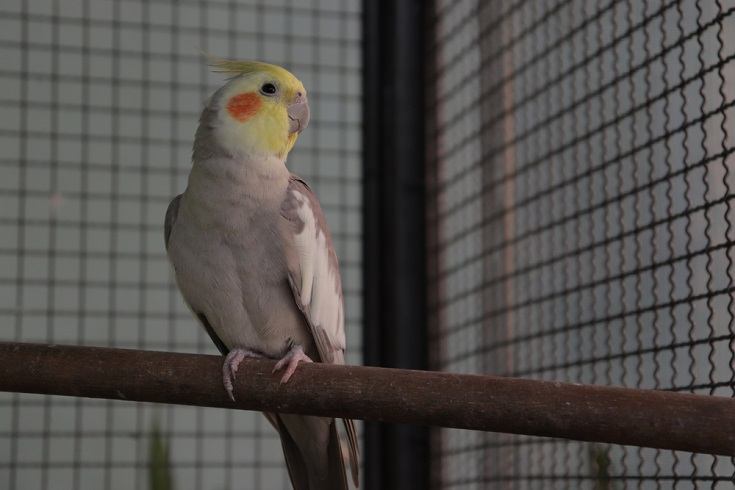
Emerald cockatiels exist due to an autosomal, recessive, and melanin-altering mutation that reduces melanin in the plumage. These birds still retain a dark head and back end. Because this is an autosomal recessive mutation, the gene must be present in both parents to produce an emerald cockatiel.
This mutation is often described as a lighter version of the “normal gray” coloration. It’s also very similar to the silver mutation, though it has a slight yellow overwash that sets it apart.

Emerald (Olive) Cockatiel Breed Characteristics
The Earliest Records of Emerald (Olive) Cockatiel in History
The emerald cockatiel mutation was established in the United States in the 1980s in the aviary of Norma and John Ludwig. However, it wasn’t until the mid-1990s that breeders began breeding specifically for this color. The first Emerald Cockatiel breeder was a Texan named Margie Mason.
How Emerald (Olive) Cockatiel Gained Popularity
Since the emerald cockatiel is one of the rarer mutations, it’s not as popular as other colors. Not much is known about how prevalent this exact mutation is. Cockatiels, in general, became popular as pets during the 1900s. Though they’re endemic to Australia, cockatiels are the second most common birds kept as pets. This is due in part to their friendly, docile nature and because they’re easy to breed.
Formal Recognition of Emerald (Olive) Cockatiel
According to the National Cockatiel Society Exhibitors Guide,1 emerald cockatiels are considered rare, alongside other mutations such as yellowcheek, dominant silver, and pastelface.
All cockatiels, regardless of color, are judged on their body proportions. They should be 14 inches from the top of the crown to the tail tip with a full and showy three-inch crest. The ideal cockatiel is sleek and stream-lined with large and wide wings.
Top 3 Unique Facts About Emerald (Olive) Cockatiel
1. The emerald cockatiel is hard to find.
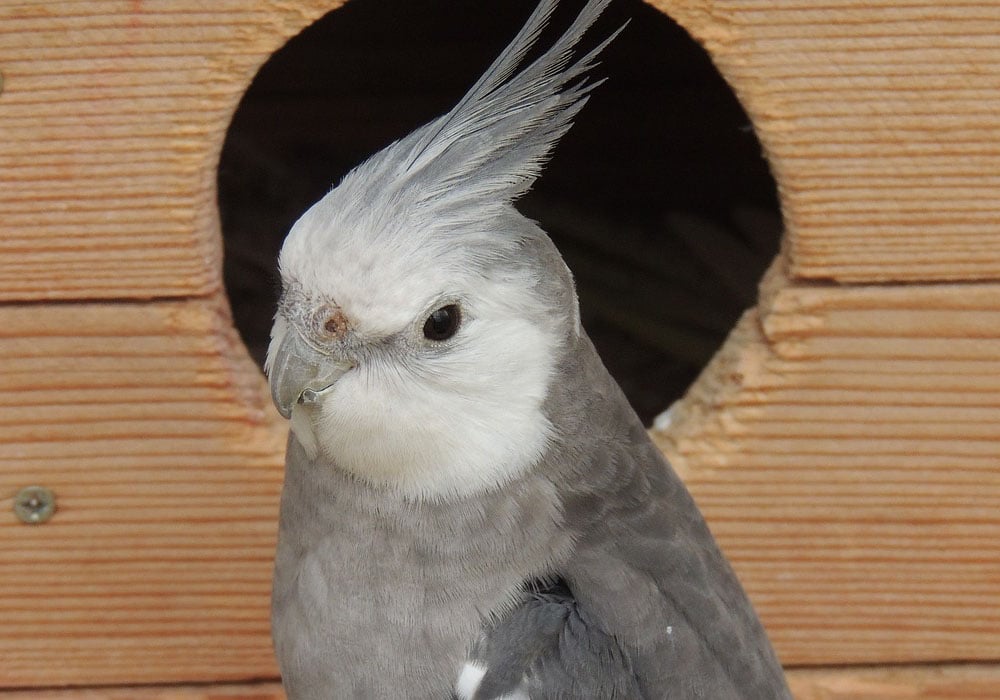
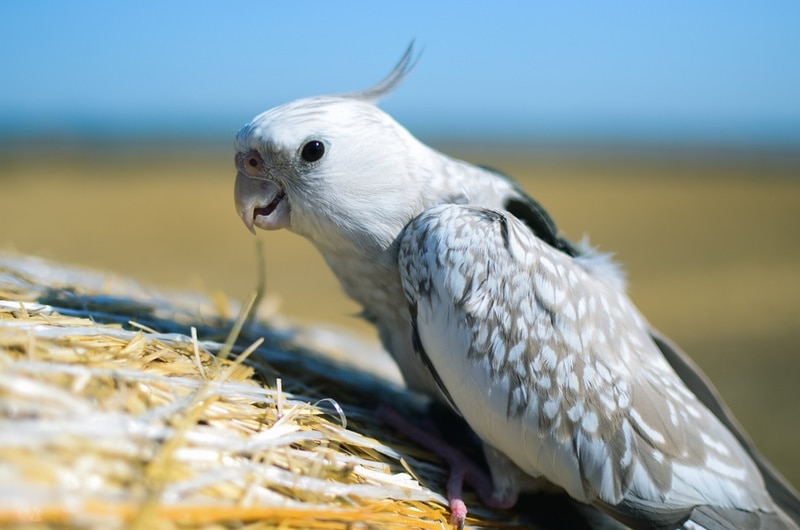
The emerald/olive mutation is still rather new and is, therefore, difficult to find. However, this is not the rarest mutation, as the whiteface cockatiel takes that prize. These birds are the opposite of the regular gray cockatiel and are also missing the trademark orange cheek patches.
2. The emerald cockatiel isn’t green at all.
While it may seem silly to name a cockatiel after a color if it doesn’t have the color in its plumage, this is the case with emerald cockatiels. Some breeders prefer to skip the color title altogether and choose to call these birds suffused cockatiels instead.
Cockatiels can only produce psittacofulvin pigments—red, orange, and yellow—and melanin. Therefore, they cannot produce the colors required to give themselves a green coloration. So, while they are incapable of making green, their overlapping pattern of yellow and gray can create the illusion of a greenish cast.
3. Emerald cockatiels go by several different names.
While emerald is the most common name you’ll come across, these birds are sometimes also called olive cockatiels or spangled cockatiels. Of course, you already know that this mutation doesn’t produce green birds, but the coloring is sometimes described more like an olive hue than an emerald, which is why they are sometimes called olive cockatiels. The “spangled” portion of the name likely comes from their unique markings, which are almost splotchy in nature.
Does an Emerald (Olive) Cockatiel Make a Good Pet?
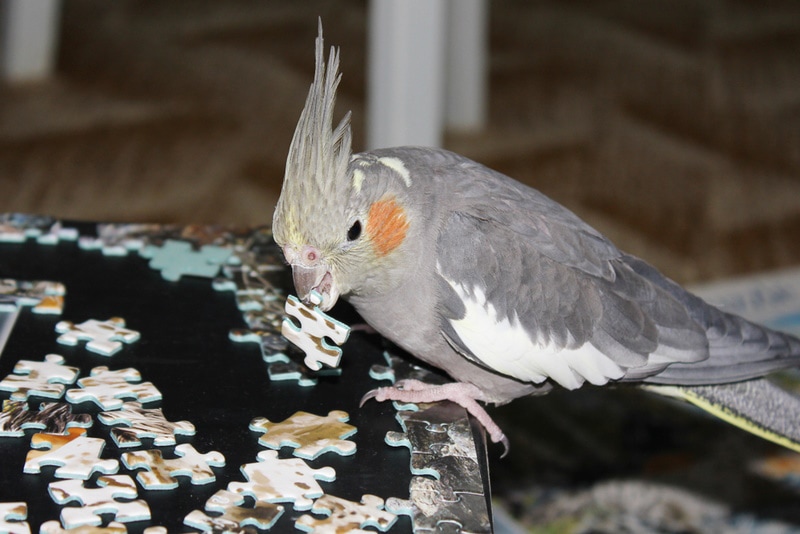
The emerald cockatiel has a personality like any other cockatiel mutation. There’s a good reason that cockatiels are among the most popular pet bird breeds. They’re very gentle, amiable and love being petted and held. They are very social and enjoy the company of other feathered companions but will be more than happy to spend all their time with you if you can afford to be home with your bird all the time. However, they are prone to bouts of loneliness if left alone for too long, so if you don’t plan on adopting another bird, you should spend as much time with your pet as possible.

In Conclusion
Though the emerald cockatiel may be difficult to get your hands on, they’re a beautiful mutation worth the effort. Even though their plumage isn’t green like their name would suggest, these birds are still breathtaking with their unique coloration and markings. Like all cockatiels, emeralds are sweet, affectionate pets that bond deeply with their humans.
See also:
Sources
Featured Image Credit: objectnyata, Shutterstock
Get Hepper In Your Inbox


Pet care tips from our vets and experts, straight to your inbox.
You may opt-out at any time. View our Privacy Policy for more information.

Chantelle's life revolves around two passions: writing and animals. Raised on the prairies of Canada amidst a menagerie of pets, she now lives with five cats, two guinea pigs, and a bearded dragon. Together with her husband and child, Chantelle delights in being an exemplary animal parent, going as far as installing wall-mounted cat shelves to give their cats an indoor playground. When she's not cozying up with her cats or snapping their amusing antics, she enjoys venturing into the Rocky Mountains, binge-watching her favorite Netflix shows, and indulging in spontaneous reading adventures.
Join the conversation
Ask a question, share your story, or send private feedback.