Hepper blog

Search our database of over 9,984 posts with up-to-date information from our experts and veterinarians.

Hepper is reader-supported. When you buy via links on our site, we may earn an affiliate commission at no cost to you. Learn more.

What Is Feline Idiopathic Cystitis in Cats? Important Answer!

By Chris Dinesen Rogers · Reviewed & fact-checked by Dr. Maxbetter VizelbergVet Approved
Dr. Maxbetter Vizelberg
Reviewed & Fact-Checked byDr. Maxbetter VizelbergVeterinarian
Maxbetter grew up in New Orleans, Louisiana, and has been interested in veterinary medicine since childhood. Being read Russian children’s stories about “Doctor Aybolit” by his grandmother, interning at the Israeli Wildlife Hospital, and working at numerous small animal hospitals have all been part of his lifelong love of animals. Maxbetter currently practices in New York City, and enjoys educating others to help them give their animals the best possible lives. He always strives to provide excellent medical care to his patients. Outside the clinic, he can be found playing basketball and soccer, performing his rap songs at open mics, and going on hikes with family and friends.View authorThe information is current and up-to-date in accordance with the latest veterinarian research. Read about our vets
Share
Ask us a question in the comments
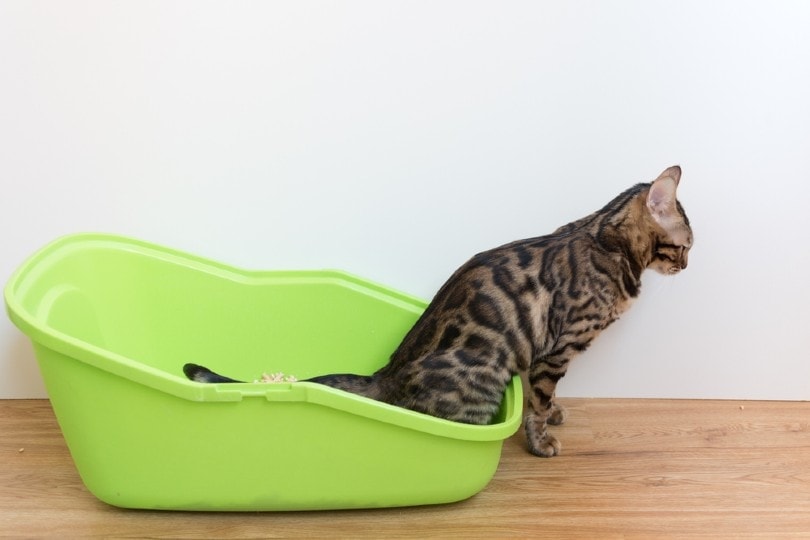
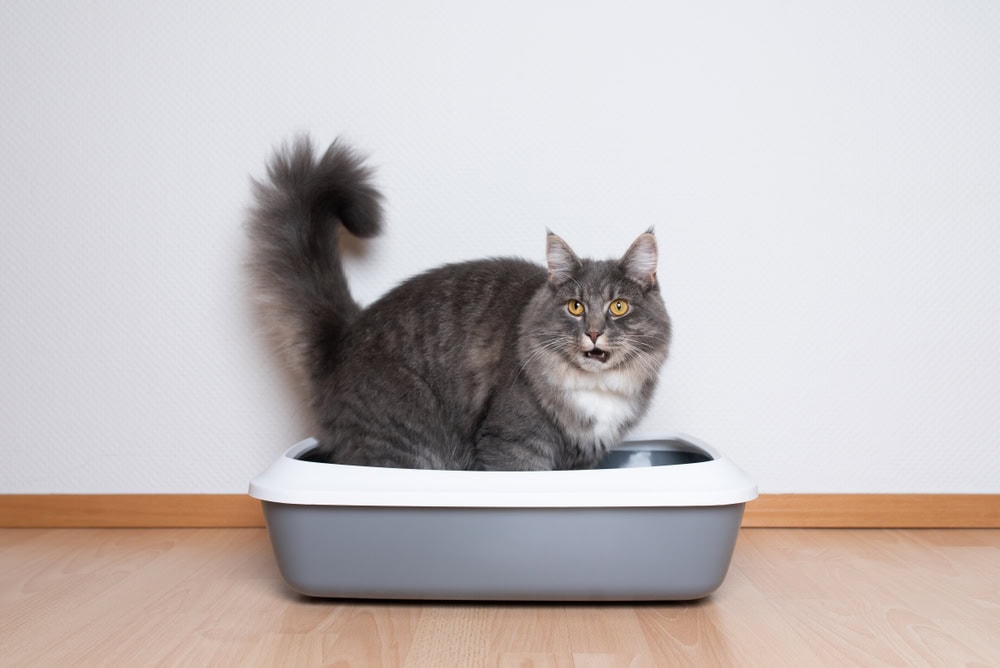
cat peeing in litter tray

Cat owners often cite non-diagnostic symptoms that frustrate them and veterinarians. The most common ones include GI distress and vomiting1. They rarely point to one condition responsible for the animal’s discomfort. Among the frequently seen identifiable disorders are feline lower urinary tract diseases (FLUTD). However, is this a true statement?

That’s where feline idiopathic cystitis (or urinary bladder inflammation) comes into play. It’s equally as vexing and, therefore, worthy of further discussion to help pet owners understand what they’re up against with this diagnosis.

Defining Cystitis

It’s essential to understand that veterinary medicine often uses terms to describe similar conditions. Human medicine does it, too. For example, we use the term “cancer,” which is a group of diseases with this umbrella term. The same applies when talking about FLUTD.

Urinary stones or uroliths are a frequent cause, stemming from a build-up of mineral compounds containing calcium or magnesium. Cystitis is another generic term for urinary bladder inflammation. Unsurprisingly, several things may cause it.

FLUTD of any kind usually starts with some sort of inflammation, which is an immune system response to a pathogen or disease-causing microbe or injury. It’s the body’s way of protecting itself from some kind of threat.
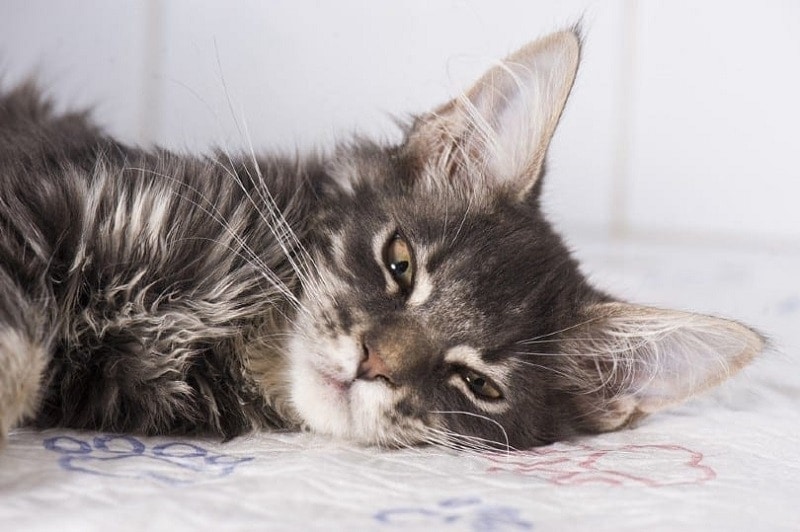
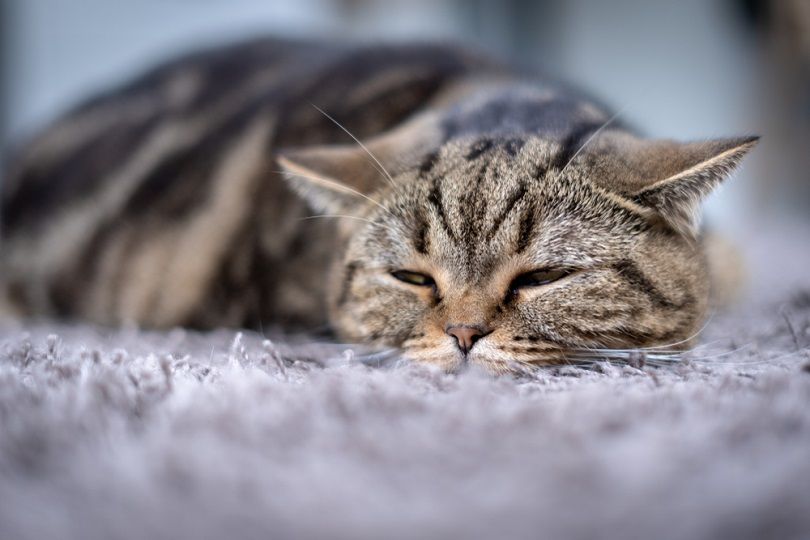
Sick cat
Image Credit: Kachalkina Veronika, Shutterstock

What Is Idiopathic Cystitis?

When talking about idiopathic cystitis, it is a diagnosis of exclusion meaning that your cat may be diagnosed with idiopathic cystitis once your vet has ruled out all other common or known causes of the lower urinary clinical signs that your cat is showing.

Signs of Feline Idiopathic Cystitis

Diagnosing a case of feline idiopathic cystitis begins with collecting information about what’s occurring with your cat.

These signs may include:

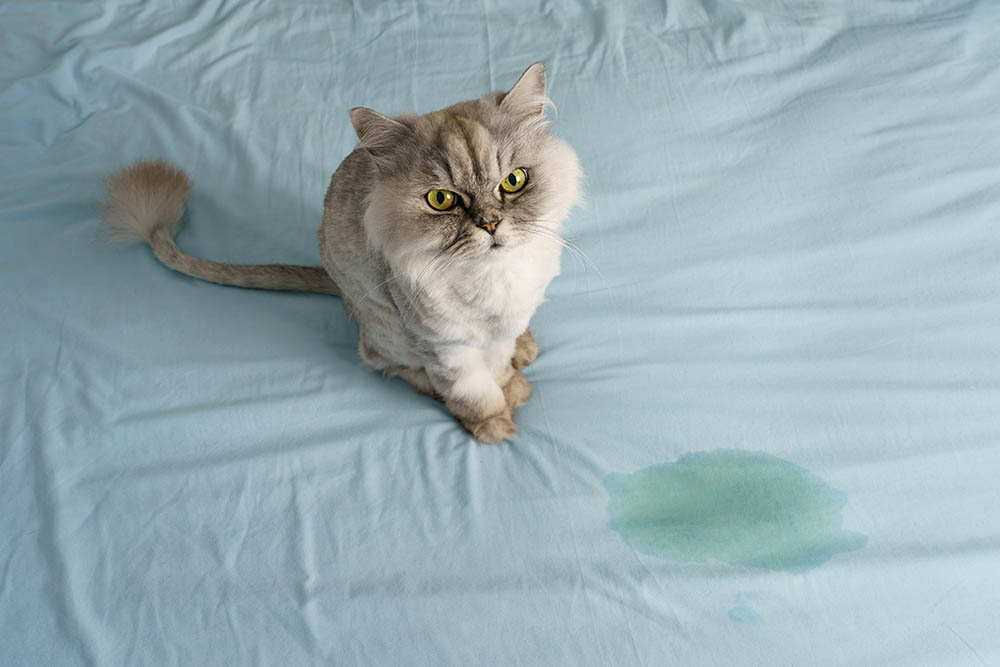
  • Inappropriate urination
  • Distress and pain while trying to urinate
  • Straining to urinate
  • Little production when urinating
  • Lethargy
  • Loss of appetite
  • Excessive grooming in the genital area

You’ll likely also notice some unusual behavior, which is typical of a sick cat. They may seem aloof and are not interacting with you or other family members. They may have different activity patterns than normal. You may also find that your kitty hides more, which is a classic sign that something is wrong.
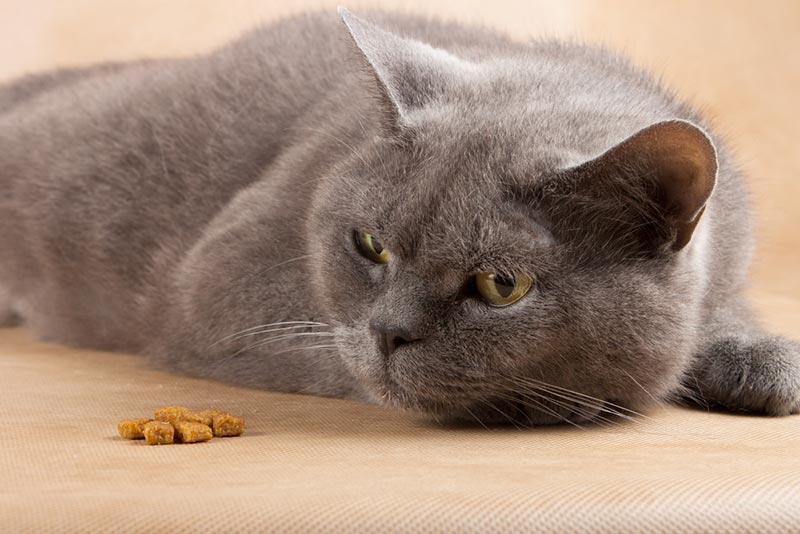
Cat not eating food
Image Credit: Elena Kutepova, Shutterstock

Diagnosis and Treatment of Feline Idiopathic Cystitis

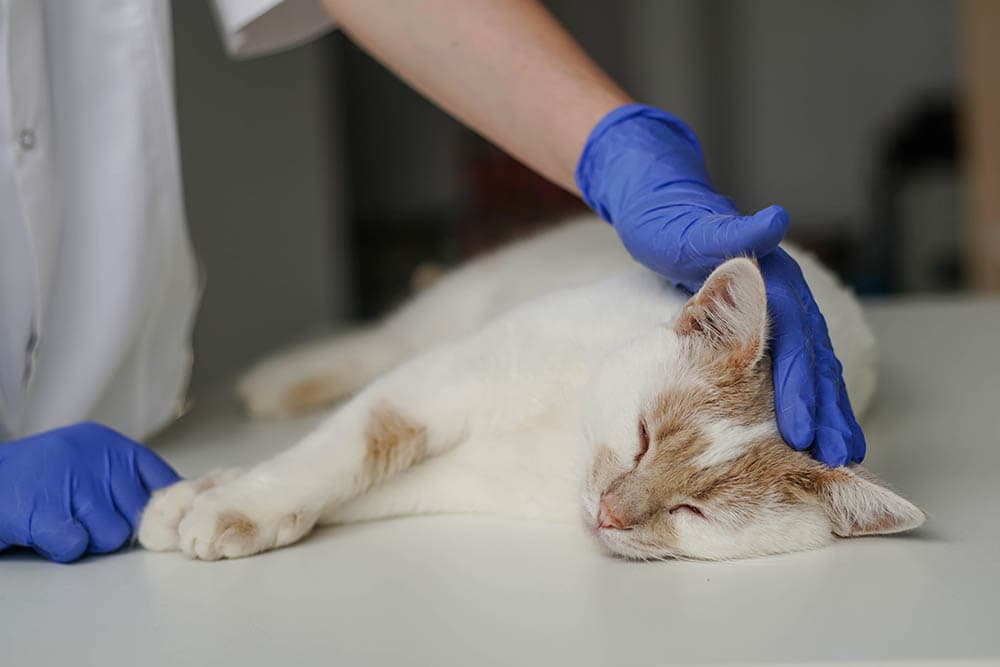
Your vet will likely run the usual battery of tests to isolate what’s going on with your cat. This will include a urinalysis, urine culture, imaging (such as radiographs and/or ultrasound), and bloodwork. They will also gather information about the cat’s history from you. If the diagnostics don’t point toward an apparent cause, your veterinarian may attribute the symptoms to feline idiopathic cystitis, of which stress is often the underlying cause.

Treatment and Prevention

Treating FIC can be tricky, but the most effective approach is to address any stressors that triggered these signs in the first place. Improving the cat’s environment as well as prescribing anxiety-relieving medication are two possible solutions. Vets will likely send you home with a list of ways to eliminate stress around the home.

These include things like:

  • Keeping all water dishes clean and full of fresh water
  • Keeping a consistent schedule
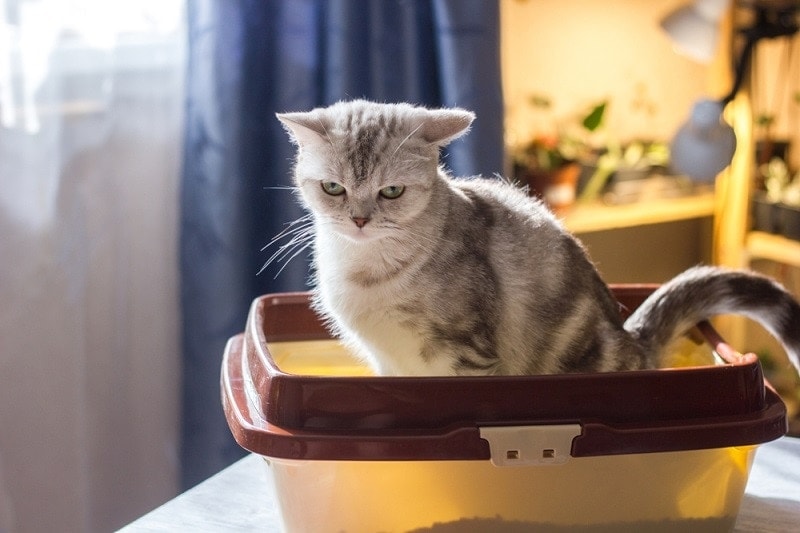
  • Cleaning the litter box daily
  • Deterring foreign cats from your property
  • Offering more scratching posts, toys, and cat condos
  • Reduce competition between cats in the home
  • Make sure any changes to the home happen very slowly

Closing Thoughts

Finally, just providing a stable environment can do wonders for your cat. Your pet is in touch, with its wild side where unexpected changes mean threats and the resulting stress. Minimizing upsets in your home can make your kitty feel more secure, which can reduce its risk of feline idiopathic cystitis. It can also have far-reaching health benefits to increase their lifespan and quality of life.

See Also:

Sources

Featured Image Credit: Dina da, Shutterstock

Get Hepper In Your Inbox

Pet care tips from our vets and experts, straight to your inbox.

List

Select all that apply.

You may opt-out at any time. View our Privacy Policy for more information.

Chris Dinesen Rogers
Authored by

Chris Dinesen Rogers

Join the conversation

Ask a question, share your story, or send private feedback.
Rate this post
Required to post. Only our editors see your rating.
Who should see this?

A human reviews every comment before it appears. Your email is never published.

Picked to go with this article

Feline Lower Urinary Tract Disease (FLUTD): Our Vet Explains the Signs, Causes & Care

Feline Lower Urinary Tract Disease (FLUTD): Our Vet Explains the Signs, Causes & Care

Cats are creatures of contradiction, capable of being aloof and affectionate, independent and needy, and robust and sensitive. Cats have been known to soldier…

Dr. Karyn Kanowski
By Dr. Karyn Kanowski ·
Can a Cat Die From Stress? Vet-Reviewed Health Risks and How to Help

Can a Cat Die From Stress? Vet-Reviewed Health Risks and How to Help

Stress isn't simply a state of mind. It can cause a physiologic response, negatively impacting the body and spirit, even for our feline friends. While stress i…

Brooke Bundy
By Brooke Bundy ·
I Found Blood in My Cat’s Urine: Vet Approved Advice & FAQs

I Found Blood in My Cat’s Urine: Vet Approved Advice & FAQs

Seeing blood in your cat’s urine can be quite worrying. Many things could cause it, and maybe you aren’t sure where to start. It’s not normal for blood to be i…

Kristin Hitchcock
By Kristin Hitchcock ·
What Is the Cost of Cat Urinary Treatment? (Updated in 2026)

What Is the Cost of Cat Urinary Treatment? (Updated in 2026)

Urinary tract disorders are fairly common in cats. Feline Lower Urinary Tract Disease (FLUTD) is one of the more common urinary tract disorders that cats will…

Jessica Kim
By Jessica Kim ·

Keep reading

More stories you might like

How to Tell If a Cat Has a UTI (Urinary Tract Infection)? 7 Vet Approved Signs

Cats are prone to a variety of urinary tract conditions, but urinary tract infections (UTIs) are not as common as they may seem. When they do develop UTIs, how…

Nicole Cosgrove
By Nicole Cosgrove ·
How to Tell If a Cat Has a UTI (Urinary Tract Infection)? 7 Vet Approved Signs

Why Does My Cat Keep Getting UTIs? 7 Vet-Reviewed Reasons

Urinary tract infections (UTIs) are thankfully an uncommon occurrence in cats. UTIs affect the lower urinary system, including the bladder and urethra. They no…

Chantelle Fowler
By Chantelle Fowler ·
Why Does My Cat Keep Getting UTIs? 7 Vet-Reviewed Reasons

Do Cats Pee When They’re Scared? Vet-Approved Cat Behavior Explanation

There are many reasons that cats will sometimes pee outside of the litter box. Sometimes, it might be for medical reasons and other times, it can be behavioral…

Kathryn Copeland
By Kathryn Copeland ·
Do Cats Pee When They’re Scared? Vet-Approved Cat Behavior Explanation

Main Causes of Urinary Tract Infections in Cats (Vet Answer)

Urinary tract infections are commonly known as UTIs. For cats, they are almost always caused by bacterial infections of the organs that produce, store, and exc…

Dr. Chantal Villeneuve
By Dr. Chantal Villeneuve ·
Main Causes of Urinary Tract Infections in Cats (Vet Answer)

How Long Can Cats Hold Their Pee? Vet-Verified Facts & Advice

Our cats have no real way of communicating to us when they need to use the restroom—training them to use the litter box only goes so far. Unfortunately, there…

Hallie Ballard
By Hallie Ballard ·
How Long Can Cats Hold Their Pee? Vet-Verified Facts & Advice

How to Tell If a Cat Is Stressed: Vet-Reviewed Signs to Look Out For

We all know how it feels to be stressed out. But the last thing that you want is to have a stressed-out cat. Not only because it will end up adding to our own…

Kathryn Copeland
By Kathryn Copeland ·
How to Tell If a Cat Is Stressed: Vet-Reviewed Signs to Look Out For

Why Does My Cat Pee So Much? 8 Vet-Reviewed Reasons

If your cat’s bathroom trips have suddenly doubled in frequency, it’s time to find out what’s going on. In some cases, the cause is pretty minor but in others,…

Kit Copson
By Kit Copson ·
Why Does My Cat Pee So Much? 8 Vet-Reviewed Reasons

Pretty Litter Colors: What Do They Mean? (With Color Chart)

Because cats are so good at hiding when they’re not feeling well, they can become sick before their owners know anything is wrong. Pretty Litter, a product fir…

Elizabeth Gray
By Elizabeth Gray ·
Pretty Litter Colors: What Do They Mean? (With Color Chart)