Hepper is reader-supported. When you buy via links on our site, we may earn an affiliate commission at no cost to you. Learn more.
Pretty Litter Colors: What Do They Mean? (With Color Chart)
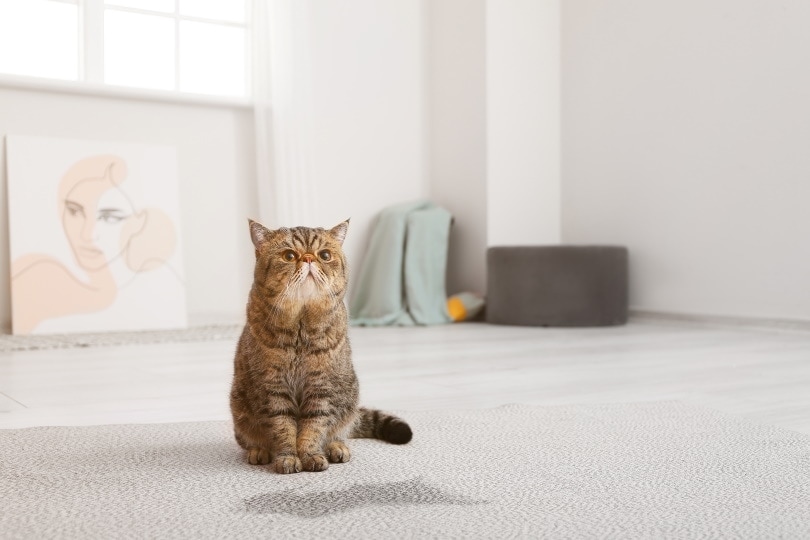
Because cats are so good at hiding when they’re not feeling well, they can become sick before their owners know anything is wrong. Pretty Litter, a product first introduced in 2015, is designed to take some of the mystery out of keeping your cat healthy. This unique litter changes color if it detects changes to your cat’s urine that could indicate a problem. Keep reading to learn about the Pretty Litter colors and what they mean for your cat’s health.

The 4 Pretty Litter Colors & Their Meaning
1. Dark Yellow-Olive Green
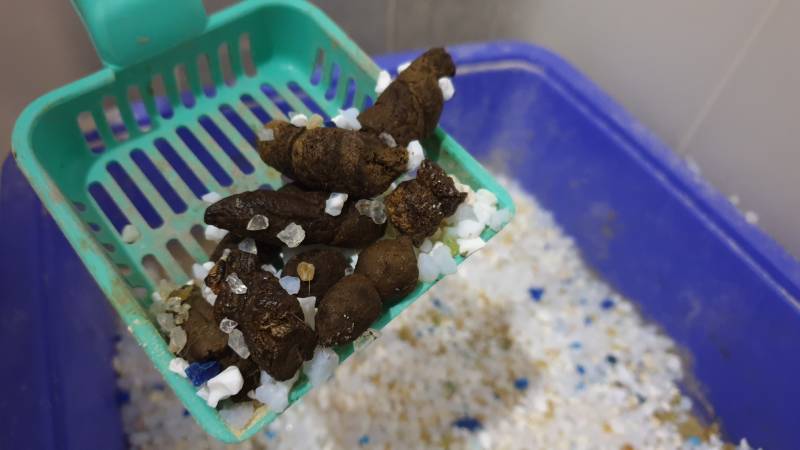
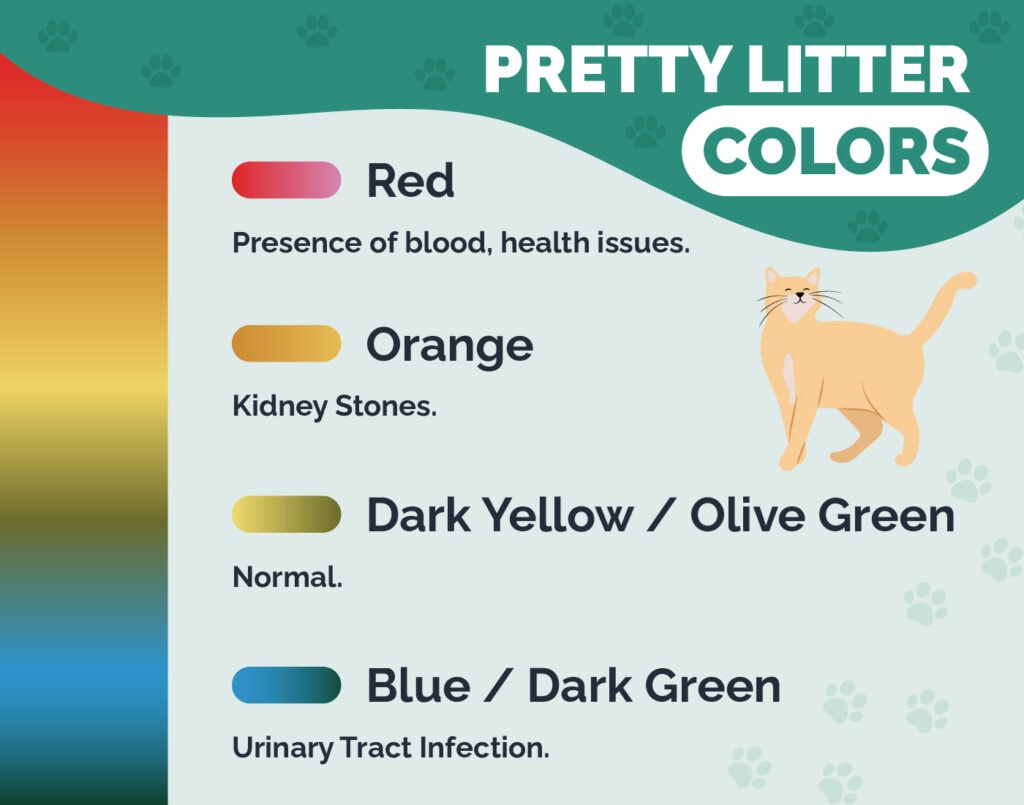
Unused Pretty Litter is pure white and only changes color in the presence of your cat’s urine. If you find the crystals are any shade from dark yellow to olive green when you scoop the box, these colors indicate “normal” urine.
The definition of normal urine varies between individual cats, so the indicator color could also be multiple shades. Keep in mind that not every medical issue will impact your cat’s urine. Continue to observe your cat for any unusual signs and perform health checkups and preventative care as recommended by your veterinarian.
2. Dark Green or Blue
According to Pretty Litter’s color code, dark green or blue crystals indicate your cat’s urine pH is higher than the normal range. This is also known as alkaline urine. The normal pH for cat urine is 6.0-6.5.
Elevated urine pH may indicate such health conditions as a urinary tract infection or hyperthyroidism. Cats with consistently high urine pH may be at higher risk of forming bladder stones. A cat’s diet can impact urine pH, how long the urine has been sitting, and how long the cat holds their bladder.
3. Yellow to Orange
While dark yellow Pretty Litter indicates normal urine, bright yellow to orange shades means the cat’s urine pH is lower than normal. This is also known as acidic urine. Low pH puts the cat at risk of developing a different type of bladder stones than those with alkaline urine.
Acidic urine can also signify several health conditions, including diabetes, kidney disease, and chronic diarrhea. Again, the cat’s urine pH can change based on diet and other factors, not just medical problems.
4. Red
If your cat’s Pretty Litter turns red, it indicates the presence of blood in the urine. If your female cat is not spayed, blood in her urine could mean she’s in heat. Otherwise, blood in the urine is never normal. Unfortunately, bloody urine is a sign of numerous medical issues, including infections, kidney disease, blood clotting problems, stones, and cancer. Blood in the urine is also called hematuria and can affect cats of any age.
What to Do If Your Cat’s Pretty Litter Indicates a Problem
If your cat’s Pretty Litter color indicates a potential medical problem, you should first call your veterinarian. Pretty Litter is intended as a guide or warning only, not to diagnose medical conditions definitively. As you learned from this article, the Pretty Litter colors could point to multiple health issues.
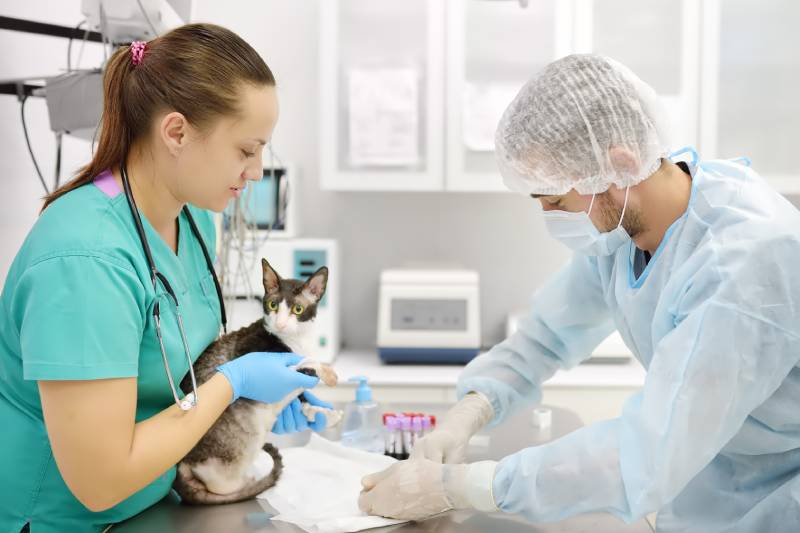
Your vet will likely want to check your cat’s urine using diagnostic tests to confirm what the Pretty Litter indicates. Your cat may also need bloodwork, X-rays, or other diagnostic procedures to diagnose the problem. More complicated conditions may require a referral to a veterinary specialist for diagnosis and management.
If your cat is diagnosed with a medical condition, treatment may include medications, diet changes, surgery, or hospitalization. Discuss all options with your veterinarian to help you decide what’s best for your cat. Once you confirm a treatment plan, follow your vet’s instructions carefully and use all medications as directed.
Some health conditions indicated by Pretty Litter may require multiple follow-up tests and vet visits or lifelong medications. However, there’s no way to know without visiting your veterinarian.

Conclusion
Because our pets can’t tell us how they’re feeling, diagnosing medical issues can be complicated. This is especially true for cats that hide signs of illness out of a self-preservation instinct. Pretty Litter can be a helpful tool to help cat owners monitor their pet’s health, but it is not a replacement for veterinary care. If you’re curious about what the colors in Pretty Litter mean, this article can help, but you should never treat your cat for a medical condition based solely on those indicators.
Sources
Featured Image Credit: Guajillo studio, Shutterstock
Get Hepper In Your Inbox


Pet care tips from our vets and experts, straight to your inbox.
You may opt-out at any time. View our Privacy Policy for more information.

A lifelong lover of all creatures great and small, Elizabeth got her first cat at 5 years old and at 14, she started working for her local veterinarian. After spending more than 20 years working as a veterinary nurse, Elizabeth decided to step away to become a stay-at-home parent to her daughter. Now, she is excited to share her knowledge with our pet parents. Elizabeth lives in Iowa with her family, including her two fur kids, Linnard, a husky mix and Algernon, the worldʻs most patient cat. When not writing, she enjoys reading, watching soccer, and spending time outdoors with her family.
Join the conversation
Ask a question, share your story, or send private feedback.