Hepper is reader-supported. When you buy via links on our site, we may earn an affiliate commission at no cost to you. Learn more.
Why Does My Cat Pee So Much? 8 Vet-Reviewed Reasons


In this article
If your cat’s bathroom trips have suddenly doubled in frequency, it’s time to find out what’s going on. In some cases, the cause is pretty minor but in others, a cat peeing more often is the result of an underlying health condition that needs to be addressed.
In this post, we’ll explore all the possible reasons your cat might be peeing more than usual and share the symptoms to keep an eye out for.

The 8 Possible Reasons Why Cat Pee So Much
1. Hot Weather
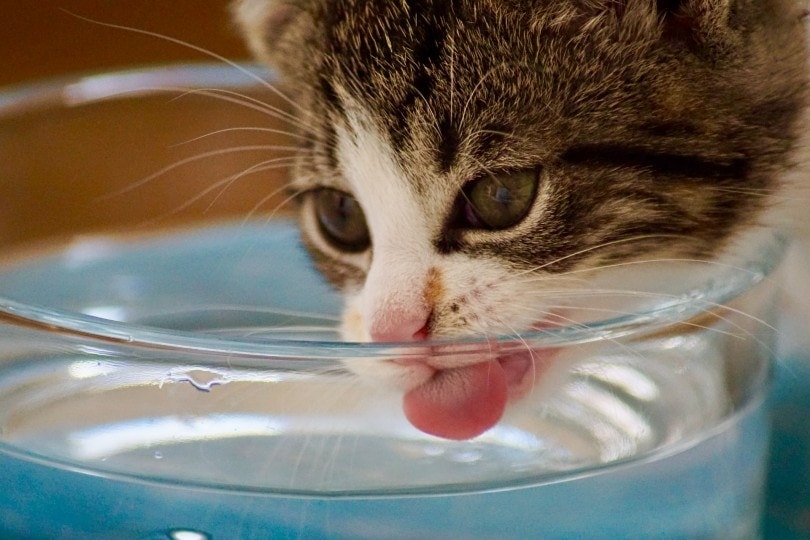
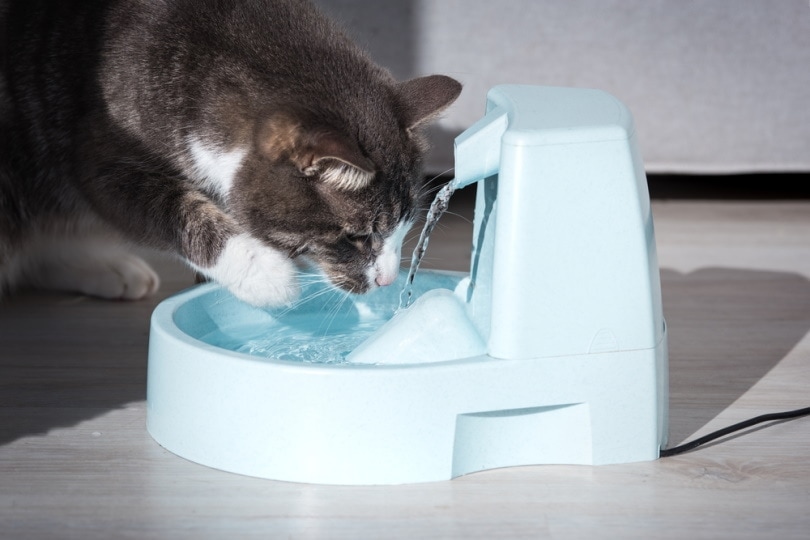
In hot weather, it is pretty normal for your cat to want to drink more, so you may be changing your cat’s litter a little more regularly in summer. It’s always important to provide your cat with fresh water no matter what time of year it is but in summer especially, you might want to try placing a few bowls of water in your cat’s favorite places to encourage them to drink more.
Try adding ice cubes to your cat’s water or giving them some ice cubes to play with—this helps keep them cool. You could even up their summer water intake and keep them cool by offering “cat ice lollies” as a treat.
There are several methods of making these, but one of the most popular is freezing the liquid from a can of spring water tuna with water in a freezing mold. Just bear in mind that these kinds of treats may not be suitable for cats on special diets.
2. Stress
Stress can wreak havoc on a cat’s body, just like it can on a human’s. Stress can even bring on urinary conditions like Stress Cystitis (Feline Idiopathic Cystitis). This occurs when the bladder becomes inflamed, causing symptoms like peeing more than usual, painful urination, and peeing frequently but in small amounts.
Stress Cystitis is more common in male cats, especially those that are overweight or especially stressed out. Cats are creatures of habit and are particularly sensitive to change, like moving house, traveling, a new pet, or even a reorder of your furniture. Anything that brings on a stress response in your cat has the potential to cause Stress Cystitis.
Contact your vet immediately if you suspect that your cat is suffering from a stress-induced urinary condition. Stress Cystitis can’t be cured, but it can be treated. Vets usually prescribe medication or lifestyle changes for this condition.
3. Bladder Stones
Some cats develop bladder stones, which are caused by a buildup of the
Some cats develop bladder stones, which are caused by a buildup of the minerals struvite calcium oxalate, or urate. This sometimes occurs as the result of the diet or a urinary infection, but not in every case. Frequent urination is one of the most common symptoms of bladder stones, with other symptoms including straining when urinating, urinating outside the litter box, and sometimes blood in the urine.
Depending on your cat’s condition, vets most commonly treat bladder stones with a procedure called “medical dissolution” or surgery to remove the stones.
4. Feline Diabetes
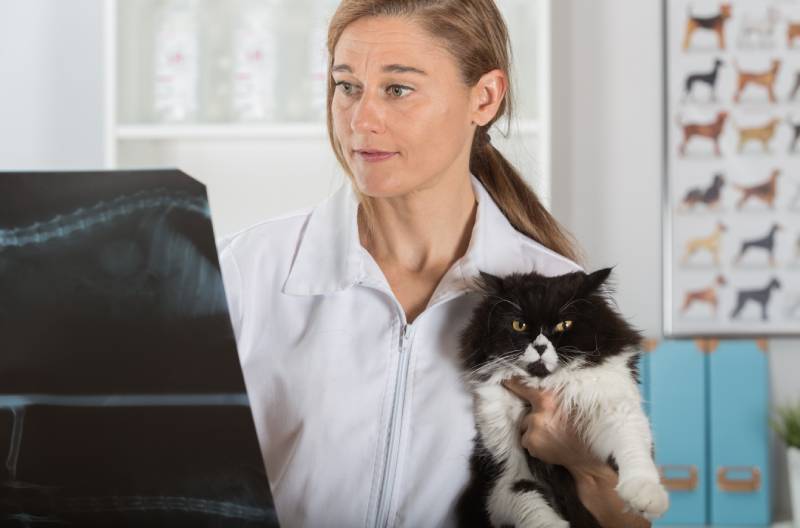
Feline Diabetes is a condition in which your cat can’t produce enough insulin, causing irregularities in blood sugar and glucose levels. It can cause cats to become overweight, develop mobility problems, and can even be fatal if untreated. One of the primary symptoms of Feline Diabetes is increased urination, and your cat may seem a lot thirstier than usual.
Treatment usually involves dietary changes—with many cats being put on a low-carbohydrate diet—and insulin therapy.
5. Thyroid Issues
The thyroid is a gland that helps manage metabolism. Hyperthyroidism is a condition in which your cat’s body produces too much of the thyroid hormone and this can result in heart problems and weight loss particularly.
If you notice that your cat is more hyperactive or restless than usual, is peeing frequently, or is especially thirsty, these are some of the symptoms of Hyperthyroidism and it’s time to check in with your vet.
6. Urinary Tract Infections (UTI)
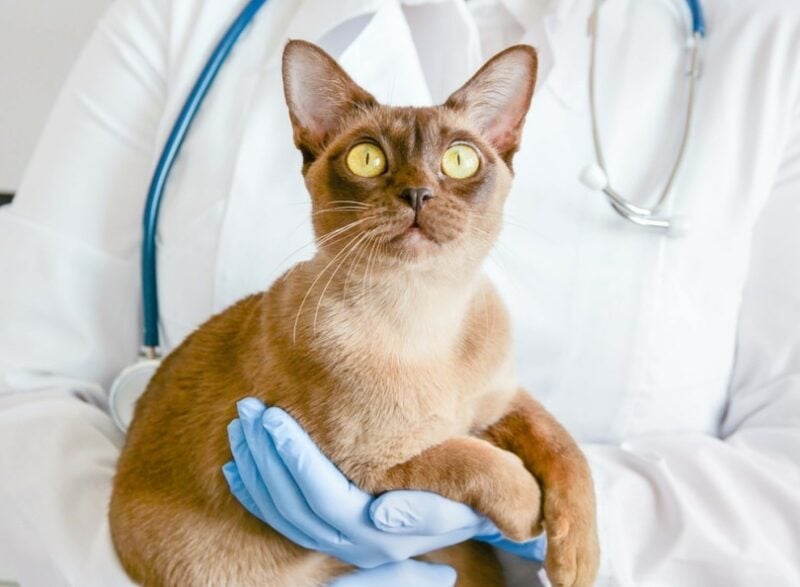
An infection in the urinary tract can cause noticeable changes in your cat’s bathroom habits. Cats with UTIs may meow in pain when using the litterbox and pee a lot but pass only small amounts. Some cats also pass blood when they urinate. There are several conditions that fall under the umbrella of UTIs, including but not limited to Stress Cystitis and bladder stones.
7. Kidney Disease
Kidney disease is a serious feline health condition that causes excessive urination, amongst other symptoms. One form of kidney disease is Acute Renal Failure. This is a fast-developing form of kidney disease that comes on suddenly as a result of infections, trauma, ingestion of poisons, rapid dehydration, and other causes.
Chronic Kidney Disease, on the other hand, is an ongoing condition that develops over a longer period of time. This condition is more common in cats over the age of seven.
8. Tumors in the Urinary Tract
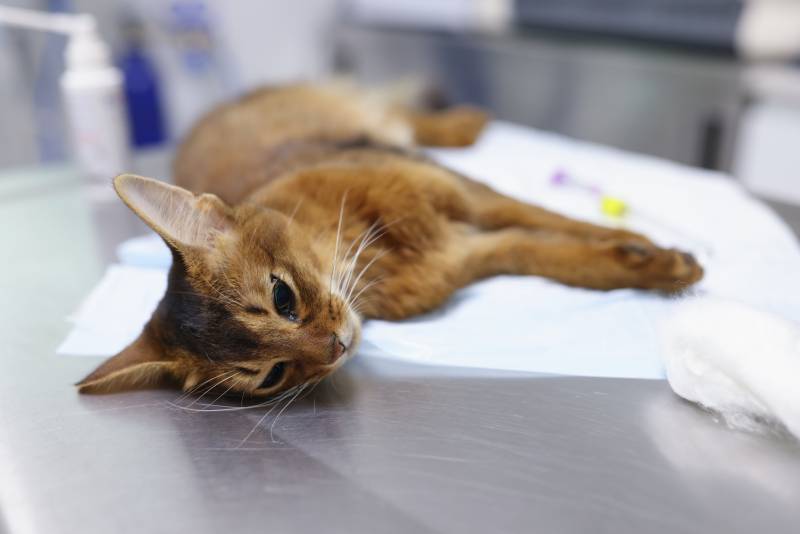
Tumors in the urinary tract can cause frequent urination in cats. These tumors develop when the cells in the urinary tract grow rapidly and in an uncontrolled manner. Some growths in the urinary tract are benign and some, like renal lymphomas and transitional cell carcinoma, are not.
In addition to frequently urinating, cats with urinary tract tumors may strain to urinate, experience vomiting and diarrhea, or pass bloodied urine.

Can an Obstruction Cause Frequent Urination?
Though you may expect that obstructions in the urinary tract only block your cat’s urination, they can also cause your cat to pee more. Obstructions can be caused by conditions like urinary stones, tumors, strictures, or urethral plugs.
Male cats are more commonly affected by urinary obstructions because they have a longer urethra. Obstructions are a serious issue and can be fatal within 48 hours if left undealt with, so get your cat to a vet without delay if you suspect a urinary obstruction.
Final Thoughts
Though many of the conditions on this list may seem scary, try to remain calm—they're worst-case scenarios. It’s possible that your cat’s frequent urination could be caused by something minor or something perfectly treatable, so hop on the phone to your vet to ask their advice and arrange for your cat to be checked over.
Even if it just turns out to be a case of your cat drinking more water to account for hotter weather, it’s still best to trust your gut, be on the safe side, and talk to a vet about your concerns. This will ease your mind and put you on the path to getting your furbaby treated if they do have an underlying health issue.
Sources
https://www.bluecross.org.uk/advice/cat/top-tips-for-keeping-your-cat-cool-in-summer
https://pets.webmd.com/cats/guide/feline-diabetes-symptoms-treatments-prevention-diet
https://pets.webmd.com/cats/guide/cat-urinary-tract-problems
https://pets.webmd.com/cats/kidney-failure-uremia-symptoms-cats#091e9c5e803a2f33-2-4
https://www.mspca.org/angell_services/urethral-obstruction-in-cats/
Featured Image Credit: nanniezwawa, Shutterstock
Get Hepper In Your Inbox


Pet care tips from our vets and experts, straight to your inbox.
You may opt-out at any time. View our Privacy Policy for more information.
Kit Copson is a freelance writer and lifelong animal lover with a strong interest in animal care. She has parented various furry beings over the years and is currently a proud cat mom of two—one skittish but adorable Domestic Shorthair and very chilled (unless hungry) Siamese and a —and dog mom of one—an adopted Bichon Poodle cross. When not writing about or spending time with pets, Kit can be found doodling in her sketchpad, reading, or more often than not, drinking tea.
Join the conversation
Ask a question, share your story, or send private feedback.