Hepper is reader-supported. When you buy via links on our site, we may earn an affiliate commission at no cost to you. Learn more.
Grain-Free vs Grain Dog Food: 2026 Comparison, Pros & Cons


In this article
As gluten-free and low-carb diets became popular among human diet enthusiasts, grain-free pet foods also began to flood the market. If you find yourself bombarded with opinions on all sides regarding whether or not your dog is better off eating grain-free or grain-inclusive diets, it can be hard to know which one to choose.
Generally, dog owners look to grain-free diets if they’re concerned that their pup has food allergies, a sensitive stomach, or because they believe that dogs are carnivores that shouldn’t eat grains and starches in the first place. Other owners may avoid grain-free foods because they are concerned about a potential link between these diets and heart disease. Also, wild canid diets in general contain about 24% protein and grain-free diets are often higher than this.
In this article, we’ll compare grain-free and grain diets to help you decide which one to choose. There’s a kernel (grain?) of truth to most of what you’ve heard about grain-free diets, both good and bad. So it will likely come down to personal preference. However, most dogs don’t need to avoid grains unless suggested by a veterinarian.

At a Glance

Overview of Grain Diets
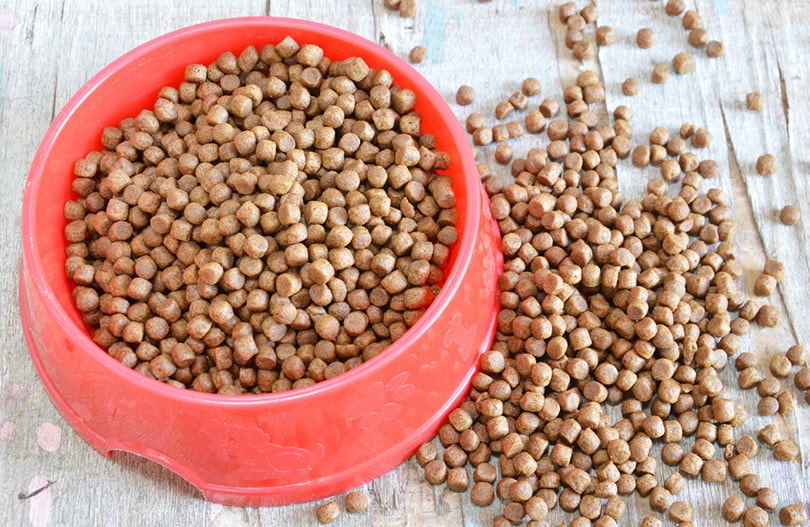
Historically, most dog foods (dry formulas especially) have contained grain. Carbohydrates serve as an energy source and help the dry food stick together. Rice, corn, and wheat are three regularly used grain ingredients in dog food.
Wheat is one of the five more common food allergens for dogs, which would seem to make the argument for grain-free food until you find out the other four are protein sources! Less than 10% of dogs are thought to have a genuine food allergy and most of them will be to a protein source.
With concerns over food allergies and additional worries about some ingredients in grain-free diets, some companies have compromised by creating recipes with unusual “ancient grains” like quinoa and spelt. Most grain dog foods are made with common proteins like chicken, lamb, and beef, with the occasional salmon and rice option thrown in.
As the FDA continues to investigate the link between certain dog food ingredients and heart disease, they have discovered that both grain and grain-free diets can contain these items, called “pulses.” In general, grain-free foods remain more likely to have them because most recipes use them to boost protein content in place of grains.
If you want to feed grain-inclusive dog food, you won’t have any trouble finding it. Nearly every dog food brand, especially the bigger, corporate manufacturers, has grain-inclusive diets, usually in multiple recipes for all life stages. You probably won’t have to make a separate trip to the pet store either.
The cost of grain-inclusive diets varies widely depending on the other ingredients (especially the protein source) they contain. On average, however, you’ll likely pay less for grain-inclusive dog food.
Pros
- Wide variety of options
- Generally cheaper and more readily available
- Less likely to contain “pulses”
Cons
- Wheat is a potential allergen
- Quality can vary by brand
- Some may still contain pulses
Overview of Grain-Free Dog Food
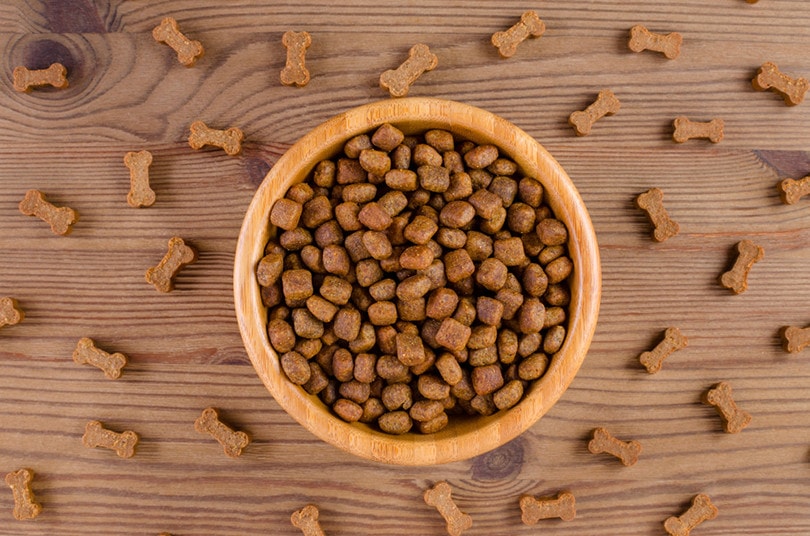
Grain-free food is typically marketed as either a more “biologically-appropriate” diet for dogs or as an alternative for dogs with suspected food allergies. In place of traditional grains, these diets generally use other starches and proteins like potatoes and peas. Grain-free diets often take their recipes a step further and choose unusual or “novel” proteins like venison, bison, whitefish, or rabbit.
Sweet potatoes, peas, chickpeas, beans, and other legume products are some of the legumes more frequently associated with dilated cardiomyopathy heart disease in dogs. As we mentioned, the FDA first identified grain-free diets as the greatest concern for containing these ingredients. Further research has found that they may be present in grain foods as well, but they remain more common in grain-free. The link is far from confirmed and work is ongoing.
More brands than ever are producing grain-free diets, but most are still sold in pet stores, especially the “premium” or more expensive brands. You may not be able to find as many grain-free foods on your weekly grocery run, for example. Many of the most expensive dog foods are grain-free, although you can certainly find more reasonably priced options.
While many people choose grain-free foods to help avoid allergies, dogs are more likely to be allergic to proteins than grains. We mentioned that wheat is one of the top five allergens, but the other four are beef, dairy products, chicken, and lamb—all commonly found in grain-free diets.
Pros
- May be useful for some dogs with food sensitivities or gluten enteropathy
- Often made with novel proteins
Cons
- More likely to contain pulses
- More expensive on average
- Less widely available

What Are the Differences Between Them?
Ingredients:
| Edge: | Grain-inclusive Dog Food |
Unless your veterinarian recommends that your dog avoid grain, there’s no reason to assume it will cause a problem.
Grain-inclusive dog food usually isn’t an issue for the average dog, especially because proteins, not grains, spike most food allergies. Domestic dogs are adapted to process grains and starches, so they receive nutrition from those sources as well, not just from meat.
Grain-inclusive dog foods are also less likely to contain pulses or use them in lower quantities than grain-free diets.

Price
| Edge: | Grain-inclusive Dog Food |
Grain-inclusive dog food prices vary based on what other types of ingredients the recipe utilizes. Some can still get expensive, especially if you buy an ancient grain or “real meat” recipe. However, on average, you can find cheaper grain diets than grain-free.
Quality
| Edge: | Tie |
Judging the quality of grain-inclusive versus grain-free diets is too subjective to declare a clear winner. Grain-free diets often tout themselves as higher quality because they use more protein, “real ingredients,” and fewer “fillers.” Filler is a term that means an ingredient that has no nutritional value. This is not true of corn and wheat as they do provide nutrients.
Calling something a premium or “real” ingredient is merely advertising, with no data proving whether it is of higher quality. All dog food sold in the United States must meet the same basic nutrition standards, no matter the price or how many artificial colors it contains.
What suits one dog may not suit another, but that doesn’t necessarily speak to the actual quality of the food. With so many different options for both grain-free and grain-inclusive diets, it’s hard to make a blanket statement about which is higher quality.
What the Users Say
We’ve looked at what other users say about grain versus grain-free dog foods. Our research includes reading reviews and discussions about various grain-inclusive and grain-free diets. Both grain and grain-free dog foods have their dedicated fans and those who swear they’ll never feed either again.
Typical positive comments about grain-free food include users whose dogs show less itching or firmer stools on a grain-free diet. Some users found the high protein content of most grain-free foods too rich for their dogs. Others disliked the higher prices or reported their dogs didn’t like the taste of some of the more unusual protein foods.
With so many grain-inclusive dog foods available, opinions are also quite varied. Most positive comments for specific brands centered on the taste, affordable price, and often that they had switched off grain-free food out of concern for the potential link to heart disease.
Some users still found grain-inclusive diets too expensive and others complained about the use of “fillers” or “poor quality” ingredients.
Conclusion
Grain-free diets aren’t automatically healthier for all dogs and may be more likely to contain ingredients under investigation for links to heart disease. Because grain-free food costs more on average, there’s no reason to spend more on it unless your vet recommends that your dog avoid grain.
If you’re noticing symptoms like itchy skin or diarrhea, don’t assume it’s because your dog is eating grain or has food allergies. See your vet to rule out other more common causes and switch to grain-free only if necessary.
See Also:
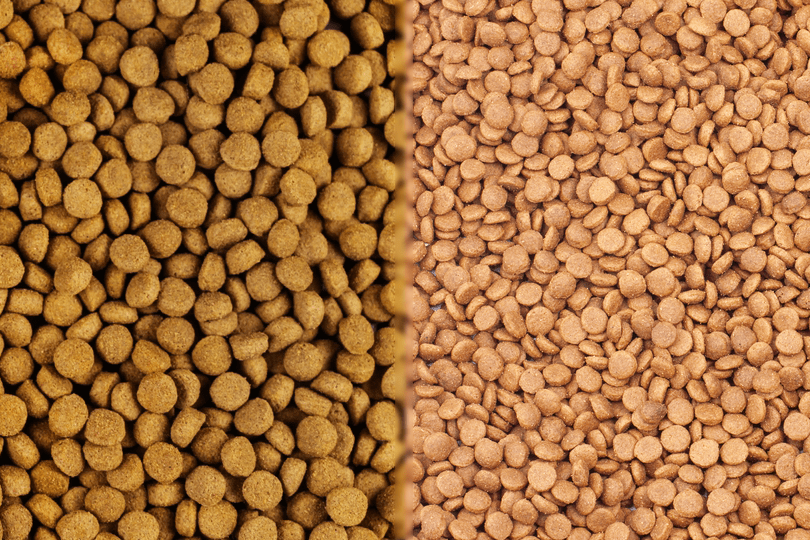
Featured Image Credit: Left: Dog Food (Image Credit: Louella938, Shutterstock) Right: Grain Dog Food (Image Credit: nadisja, Shutterstock)
Get Hepper In Your Inbox


Pet care tips from our vets and experts, straight to your inbox.
You may opt-out at any time. View our Privacy Policy for more information.
A lifelong lover of all creatures great and small, Elizabeth got her first cat at 5 years old and at 14, she started working for her local veterinarian. After spending more than 20 years working as a veterinary nurse, Elizabeth decided to step away to become a stay-at-home parent to her daughter. Now, she is excited to share her knowledge with our pet parents. Elizabeth lives in Iowa with her family, including her two fur kids, Linnard, a husky mix and Algernon, the worldʻs most patient cat. When not writing, she enjoys reading, watching soccer, and spending time outdoors with her family.
Join the conversation
Ask a question, share your story, or send private feedback.