Hepper is reader-supported. When you buy via links on our site, we may earn an affiliate commission at no cost to you. Learn more.
How Do I Add Grain to a Grain-Free Dog Food? Vet-Approved Tips


In this article
There's recent controversy surrounding grain-free diets for dogs. An ongoing FDA investigation is primarily focused on grain-free dog foods and a potential link to canine dilated cardiomyopathy (DCM). That being said, if you’ve purchased grain-free food for your dog but are concerned about the controversy, you may be wondering how to add grain to your already grain-free dog food.
First, it’s important to check with your veterinarian if you have any questions regarding your dog’s dietary needs before making any changes to its diet. In this article, we will go over the different types of grains that are considered a healthy additive to a dog’s diet and ways to incorporate them into grain-free dog food.

Adding Grain to Grain-Free Dry Kibble, Fresh, or Canned Foods
While you do have the option to add grains to your dog’s grain-free foods, it is highly recommended that you speak to your veterinarian before you do so. You need to speak to them about whether your dog even needs to be on grain-free food in the first place, as it's much simpler to implement a grain-inclusive diet by providing grain-inclusive foods than it will be to add grains into grain-free food.
Although grains can be a valuable part of your dog’s diet, you must avoid low-quality ingredients and avoid any potential allergens your dog may suffer from. If you choose to mix some whole grains into their food and you have received approval from your veterinarian, only use high-quality whole grains and follow the advice of your veterinarian on how they recommend mixing it in.

The 7 Types of Grains Considered Healthy for Dogs:
1. Brown Rice
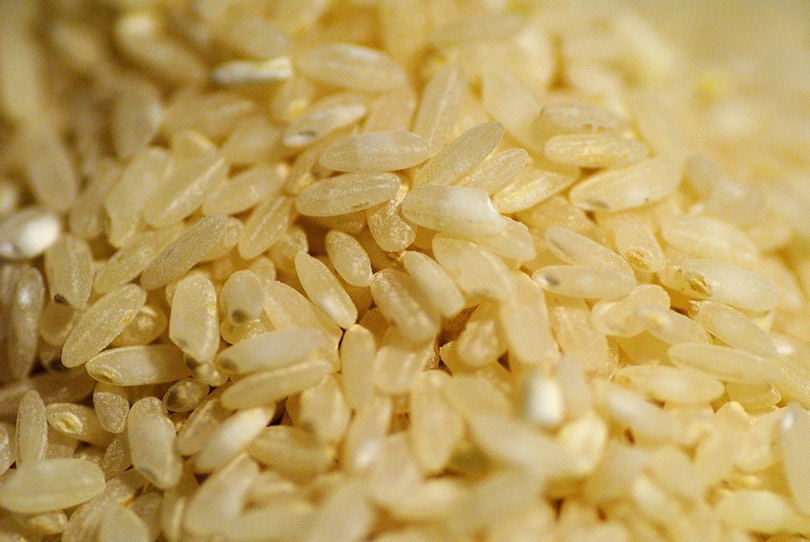
Brown rice is rich in fiber, vitamins, and minerals and is a readily available grain that is considered healthy for dogs in appropriate amounts. Brown rice maintains the outer hull, which contains most of the fiber content, unlike white rice which is absent from the hull. Brown rice is a more easily digestible whole grain and can be soothing to the digestive system recovers.
2. Barley
Barley is a common cereal grain that is commonly used as a carbohydrate additive to dog food as an alternative to corn and wheat. Since barely is much higher in carbohydrates, it makes for an excellent energy source for more active dogs. It is also rich in vitamins, and minerals, and provides an excellent source of fiber.
3. Whole Wheat
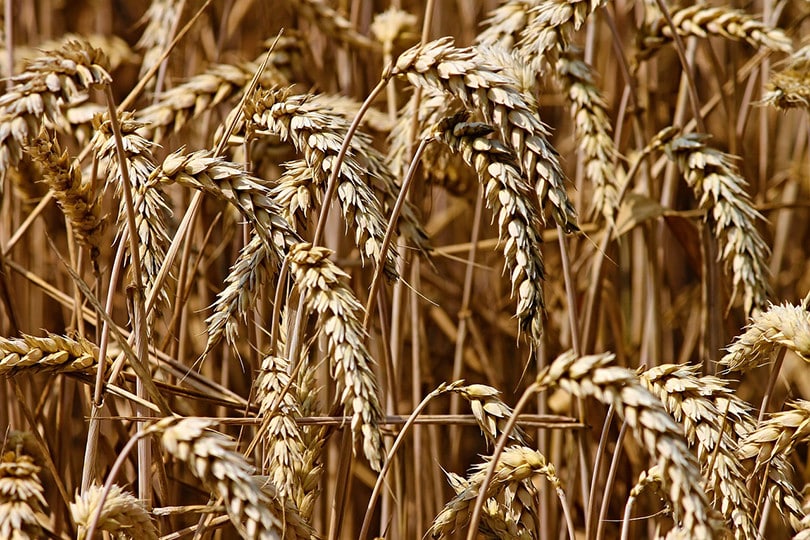
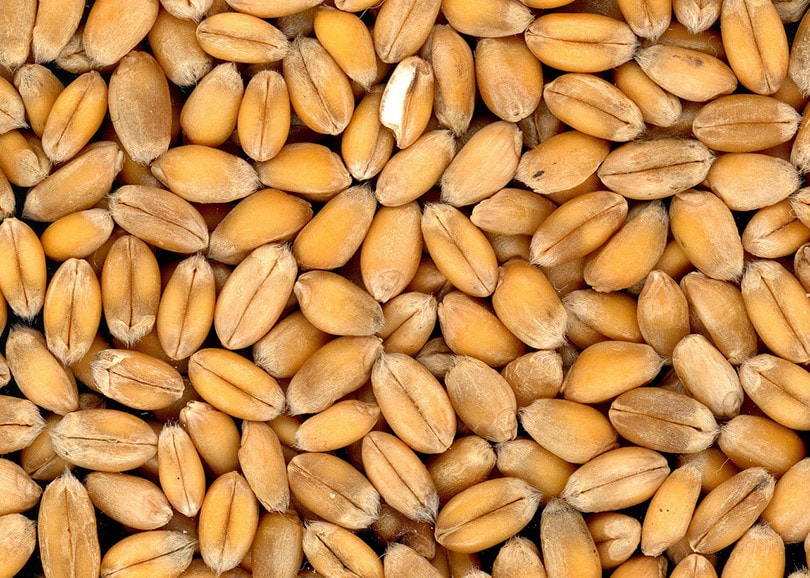
Wheat is a common ingredient in a lot of dry dog food formulas. Wheat is controversial as it does contain gluten and can be an allergen, but dogs typically suffer from allergies related to protein sources like meat, chicken, eggs, and even dairy. If your dog does suffer from allergies, it’s best to check with your veterinarian to ensure wheat is an appropriate additive to their food. For the most part, wheat can be safely digested and is a great source of carbohydrates for energy, and is rich in fiber.
4. Oats
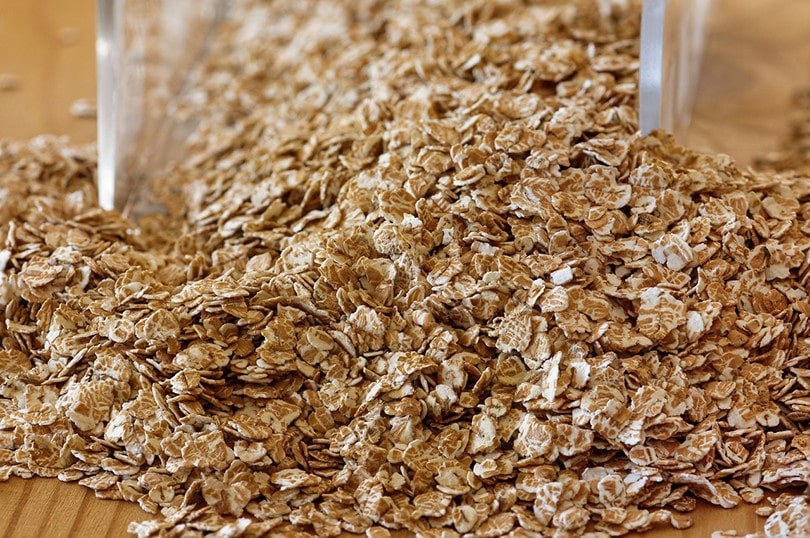
Oats are high in protein and soluble fiber while low in gluten. They are a popular grain among dogs that suffer from sensitivities to other grain varieties such as corn or wheat. This is a common ingredient in a lot of dog foods nowadays and can easily be added to home-cooked dog food.
5. Millet
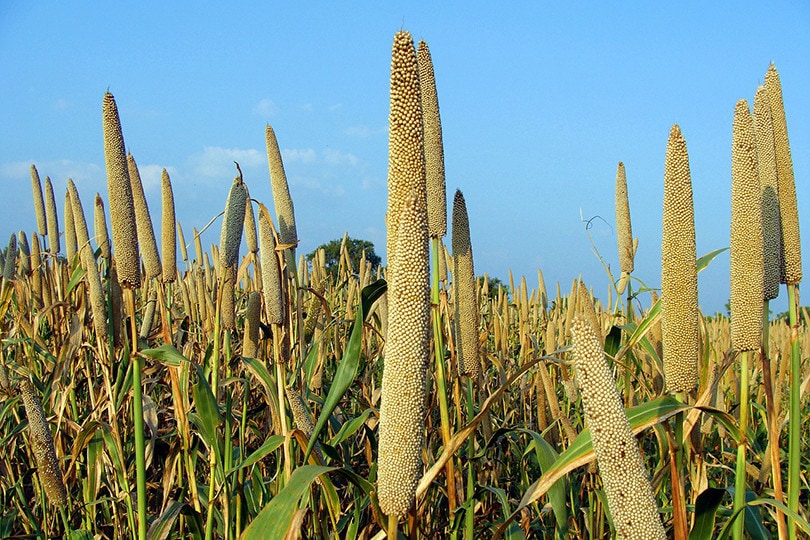
Millet is a small seed grain that is becoming increasingly popular as a dog food additive. You may recognize it as an ingredient in bird seed. Millet has carbohydrates which can help with energy levels, but it is more balanced with a higher fat content compared to other grains. It is also a great option for dogs that suffer from gluten sensitivity.
6. Sorghum
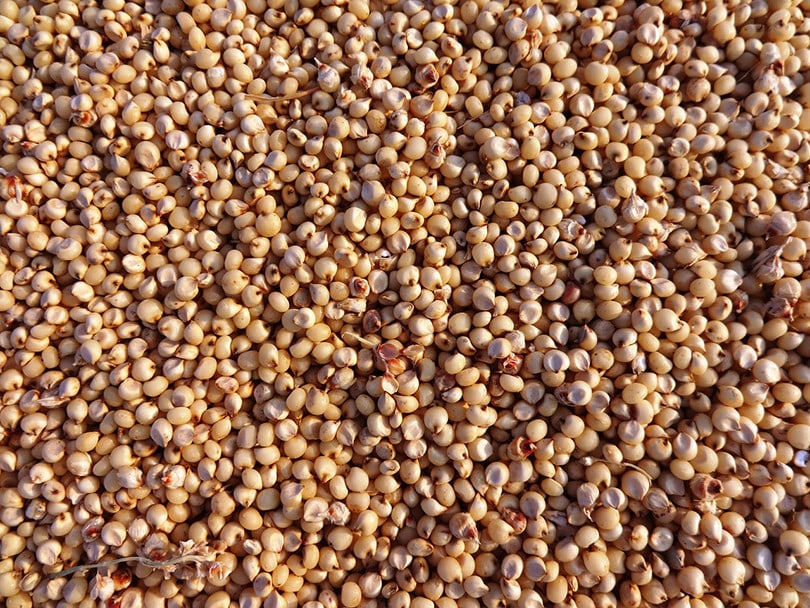
Sorghum is a gluten-free grain with higher nutritional value than a lot of other grains. It is often labeled as a superfood in commercial dog foods. It is highly digestible and full of essential fatty acids and antioxidants in addition to vitamins and minerals.
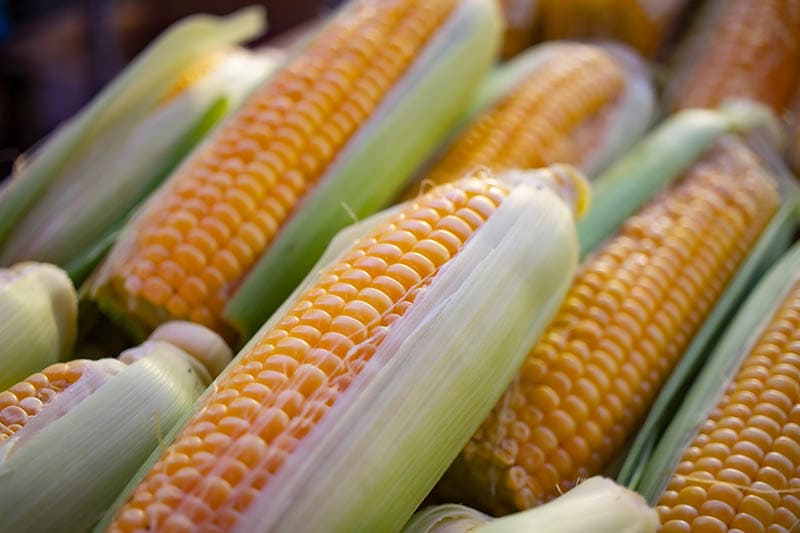
7. Corn
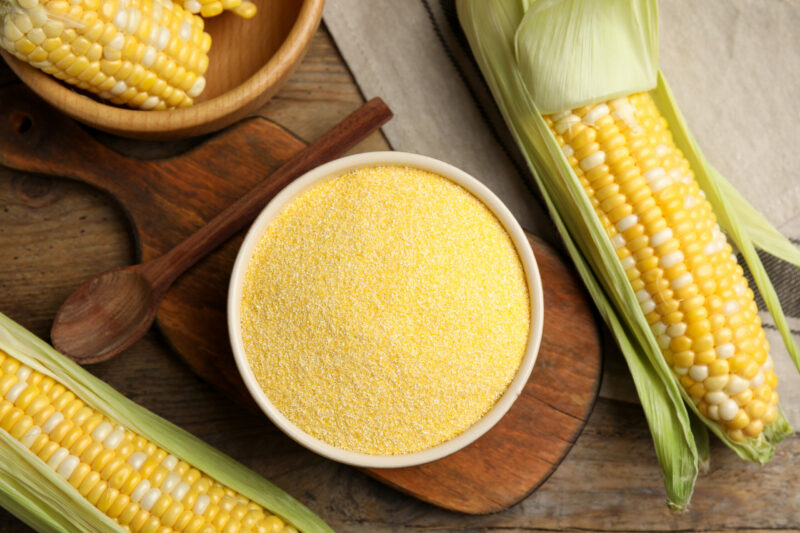
There is a lot of controversy surrounding corn as an ingredient in dog food. Most of the controversy stems from the potential allergen risk, but studies have shown that corn allergies are much rarer compared to protein allergies that result from sources like chicken, beef, eggs, and dairy. Corn does have moderate nutritional value and is considered a safe ingredient for most dogs and is easily digestible if cooked properly.

Will Adding Grains to Grain-Free Dog Food Offset the Potential Risks?
Back in 2018, the FDA announced they would begin investigating a potential link between canine DCM in dogs that were eating certain foods. Many of these foods under investigation are grain-free varieties that include peas, lentils, legumes, and potatoes in place of the typical grain additives of the grain-inclusive diet options.
The investigation is still ongoing, and the research has not yet revealed the exact link between grain-free diets and the potential connection to DCM. But there has been a correlation discovered between grain-free food, taurine deficiency, and canine DCM.
Taurine is an amino acid that comes directly from animal meat that is essential to heart health. The FDA is in the process of gathering needed information and studying overall taurine metabolism regarding both absorption and excretion and how it may play a role in the DCM reports.
There is no conclusive information to say whether adding grains to a grain-free food will play a role in reducing or altering any risks associated with the current FDA investigation, which is why it is so important that you discuss your dog’s diet directly with your veterinarian to ensure they even require a grain-free diet and how they would like to you proceed with your dog’s nutrition.
Conclusion
Before adding grain to grain-free dog food, you will first want to contact your veterinarian to ensure making changes to your dog’s current diet is even necessary. You will want to check and see if grain-free dog food is something that your veterinarian even recommends in the first place.
There’s no conclusive way to tell that adding grain to grain-free food will offset the potential risks but there are some healthy grain options on the market that can be safely fed to dogs under professional guidance.
Sources
Featured Image Credit: 279photoStudio, Shutterstock
Get Hepper In Your Inbox


Pet care tips from our vets and experts, straight to your inbox.
You may opt-out at any time. View our Privacy Policy for more information.
Lindsay is a wife, mother, nature enthusiast, animal lover, and business major. She was born and raised in the United States and now lives in Tulsa, Oklahoma. She shares her home with a German Shepherd, several snakes, tarantulas, and a couple of rescue cats.
Lindsay and her husband enjoy traveling the US with their children and photographing wildlife. Lindsey is passionate about proper animal care and education around it!
Join the conversation
Ask a question, share your story, or send private feedback.